
1. San Francisco, California

San Francisco is often romanticized as a walkable, culture-rich place to retire, but the math is brutal. Housing costs remain among the highest in the country, even for long-owned condos with rising HOA fees. Everyday expenses like groceries, parking, and utilities routinely exceed national averages. Retirees on fixed incomes often find their savings shrinking faster than expected.
Taxes add another layer of pressure for retirees who still have investment income. California taxes most retirement income, and local fees stack up quickly. Healthcare is excellent, but premiums and out-of-pocket costs tend to be high. Many retirees discover that what worked financially at 65 feels unsustainable by 75.
2. San Jose, California

San Jose looks appealing for its safety and weather, but it sits at the heart of Silicon Valley’s cost crisis. Home prices and rents have been driven up by tech salaries that retirees can’t compete with. Even downsizing rarely delivers meaningful savings. Basic services like home maintenance and transportation also cost more than expected.
Property taxes may be capped for long-time owners, but assessed values and local bonds still rise. Healthcare costs are elevated, especially for specialty care. Dining out, utilities, and insurance reflect the area’s high wage base. Many retirees find they are paying “working professional” prices on a fixed income.
3. Los Angeles, California

Los Angeles offers diversity, sunshine, and top-tier healthcare, which is why many retirees stay. The challenge is that housing costs keep climbing across nearly every neighborhood. Car ownership is almost mandatory, and fuel, insurance, and maintenance add up quickly. Even modest lifestyles can become expensive over time.
State income taxes apply to most retirement income, squeezing budgets further. Insurance costs, including homeowners and auto coverage, are higher than national norms. Climate risks have increased utility and insurance expenses in recent years. Retirees often realize too late that cutting costs in L.A. is harder than expected.
4. San Diego, California

San Diego is often marketed as a “perfect retirement city,” and demand reflects that reputation. Home prices and rents have risen sharply, particularly near the coast where many retirees want to live. Everyday costs like groceries and utilities are consistently above average. Fixed incomes struggle to keep pace with these increases.
Healthcare access is strong, but it comes at a premium. California taxes still apply, and local fees add up. Insurance costs have risen due to wildfire and climate risks. Retirees frequently find that the relaxed lifestyle comes with financial stress.
5. New York City, New York

New York City offers unmatched culture and transit access, which can be appealing in retirement. Unfortunately, housing costs remain punishing, even in smaller or outer-borough apartments. Rent increases and co-op maintenance fees regularly outpace inflation. Daily expenses like food and services are among the highest in the country.
While New York offers some tax breaks on retirement income, they rarely offset living costs. Healthcare is excellent but often expensive and complex to navigate. Property taxes, utilities, and local fees continue to rise. Many retirees stay for lifestyle reasons but quietly feel the budget strain.
6. Boston, Massachusetts
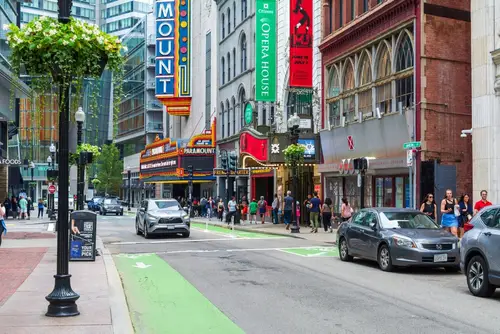
Boston attracts retirees with its history, walkability, and world-class hospitals. Housing costs, however, have surged across the metro area, including traditionally affordable suburbs. Property taxes and condo fees steadily climb. Even heating costs can be significant during long winters.
Massachusetts taxes most retirement income, adding pressure to fixed budgets. Healthcare access is outstanding, but premiums and supplemental costs can be high. Transportation and parking costs are higher than expected for those who still drive. Retirees often underestimate how quickly Boston erodes savings.
7. Seattle, Washington

Seattle benefits from no state income tax, which initially appeals to retirees. The trade-off is high housing costs fueled by decades of tech growth. Property taxes and utility costs have increased steadily. Everyday services reflect a high-wage economy.
Healthcare costs are above average despite strong provider networks. Long-term care options are expensive and in high demand. Sales taxes are high and affect daily spending. Retirees often realize the lack of income tax doesn’t fully compensate for rising living costs.
8. Denver, Colorado
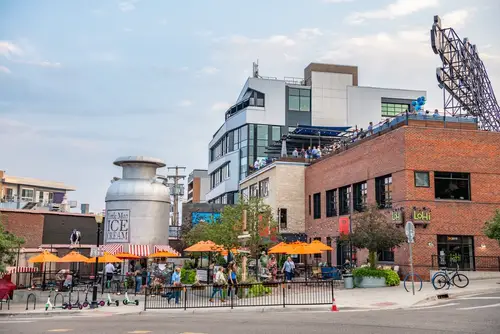
Denver has become a retirement hotspot thanks to outdoor access and mild sunshine. Rapid population growth has driven up home prices and rents throughout the metro area. Property taxes and homeowners insurance continue to rise. Even basic maintenance costs have increased due to labor shortages.
Healthcare access is solid but increasingly expensive as demand grows. Transportation costs can rise for retirees who move farther out for affordability. Utilities and water costs are trending upward. Many retirees feel caught between lifestyle appeal and financial reality.
9. Austin, Texas

Austin is attractive for its culture and lack of state income tax. The downside is extremely high property taxes that continue to rise with home values. Housing costs have increased dramatically over the past decade. Retirees who own homes outright still face growing tax bills.
Healthcare access is improving but can be costly, especially for specialists. Insurance and utility costs reflect rapid regional growth. Sales taxes affect daily spending more than many expect. Retirees often find Texas’s tax structure less retirement-friendly than advertised.
10. Miami, Florida

Miami has long been a retirement magnet, but costs are rising fast. Housing prices and rents have surged, especially in flood-resilient areas. Homeowners insurance has become extremely expensive and sometimes difficult to secure. Even condos face rising association fees tied to insurance and repairs.
Florida has no state income tax, but other costs fill the gap. Property taxes, insurance, and utilities strain fixed incomes. Healthcare is accessible but often expensive in South Florida. Retirees are increasingly forced to reconsider long-term affordability.
11. Fort Lauderdale, Florida
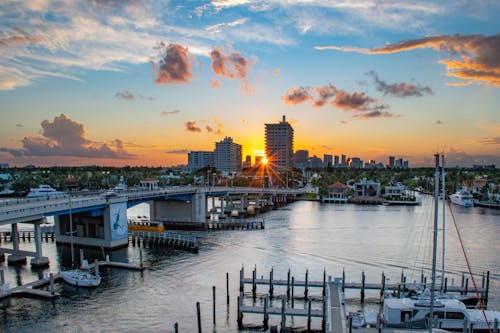
Fort Lauderdale offers a quieter alternative to Miami with similar climate benefits. Unfortunately, it shares many of the same financial pressures. Insurance costs have spiked due to storm risk and reinsurance issues. Housing prices remain high relative to retirement incomes.
Condo assessments and HOA fees have risen sharply in recent years. Property taxes and maintenance costs continue to climb. Healthcare costs are above average for Florida. Many retirees find their budgets stretched sooner than planned.
12. Honolulu, Hawaii

Honolulu consistently ranks as one of the most expensive U.S. cities. Housing costs dominate retirement budgets, even for modest condos. Nearly all goods are more expensive due to shipping costs. Utilities and fuel prices are also well above average.
Healthcare access is limited and often costly, especially for specialized care. Hawaii taxes most retirement income. Travel to see family can be a significant recurring expense. Retirees often underestimate how quickly paradise drains savings.
13. Chicago, Illinois

Chicago appeals to retirees with culture, healthcare, and relatively affordable housing compared to coastal cities. The problem is steadily rising property taxes that hit fixed incomes hard. Sales taxes are among the highest in the nation. Utilities and city fees continue to increase.
Illinois taxes most retirement income, adding to the burden. Winter heating costs can be significant. Infrastructure and pension pressures contribute to ongoing tax uncertainty. Many retirees find Chicago affordable at first, then increasingly difficult to manage long term.
This post 13 Cities Where Retirement Budgets Are Breaking Down First was first published on Greenhouse Black.
