
1. San Francisco Bay Area
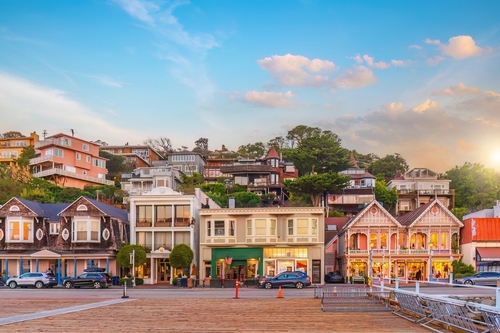
The Bay Area still has enormous talent and capital, but the pace has visibly cooled. Remote work hollowed out daily rhythms, and many offices never fully refilled. Permitting for housing and infrastructure remains slow, even as demand is obvious. The result is a region that thinks big but moves carefully, sometimes to a fault.
You feel it in how long decisions take to land. Product launches stretch, construction timelines slide, and public debates linger for years. Startups still form, but fewer are sprinting the way they once did. The urgency that defined the boom years has been replaced by a more cautious, wait-and-see mindset.
2. Los Angeles–Long Beach–Anaheim
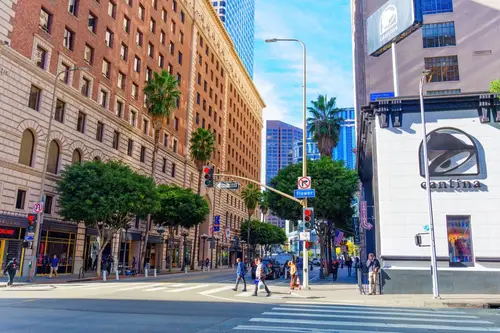
Los Angeles has always been sprawling, but lately the sprawl feels slower. Traffic, long commutes, and hybrid work have made time feel elastic rather than precious. Major transit and housing projects exist, yet delays and cost overruns are common. Momentum gets diluted across the region’s sheer size.
There’s also a cultural comfort with long timelines. Creative projects develop over years, not months, and that cadence has spread beyond entertainment. People expect friction, so they plan around it instead of fighting it. Over time, that expectation softens the sense of urgency.
3. New York–Newark–Jersey City
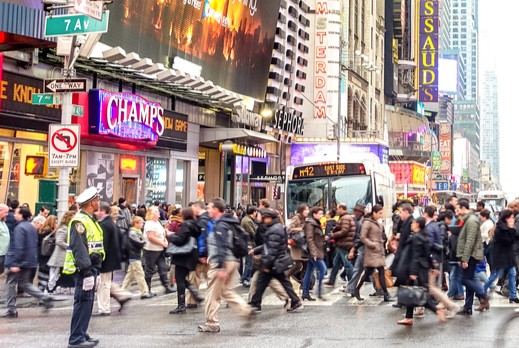
New York still moves fast, but not like it used to. Remote and flexible work have changed daily intensity, especially in Midtown and Lower Manhattan. Big policy and infrastructure decisions often stall in prolonged negotiations. The city’s legendary impatience has mellowed into procedural endurance.
You can see it in office vacancy patterns and slower weekday foot traffic. Restaurants and retail adapted, but the constant churn has eased. Even transit improvements arrive incrementally rather than urgently. New York remains ambitious, just less breathless.
4. Chicago–Naperville–Elgin

Chicago has deep infrastructure and talent, but growth has been steady rather than urgent. Population changes and cautious corporate expansion have tempered the city’s pace. Major projects often take years of planning and political alignment. The sense of racing against the clock feels muted.
The city still works hard, but with a measured tone. Winters enforce patience, and that rhythm carries into business and government. People plan for the long term rather than quick wins. Urgency has given way to durability.
5. Portland–Vancouver–Hillsboro
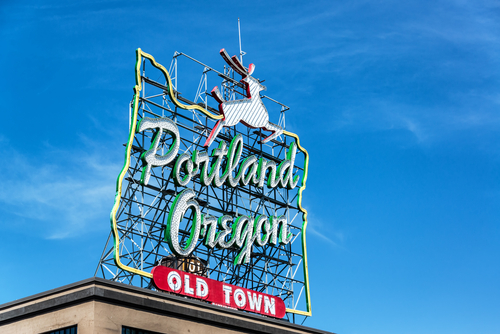
Portland’s culture values deliberation, and that shows up in how the metro operates. Policy debates around housing, transportation, and public safety are extensive and ongoing. Businesses and residents alike adjust expectations accordingly. Action happens, but rarely fast.
The pandemic years intensified this slower cadence. Downtown recovery has been gradual, not rushed. Many workers kept flexible schedules, reducing daily pressure. The result is a metro that prioritizes process over speed.
6. Seattle–Tacoma–Bellevue
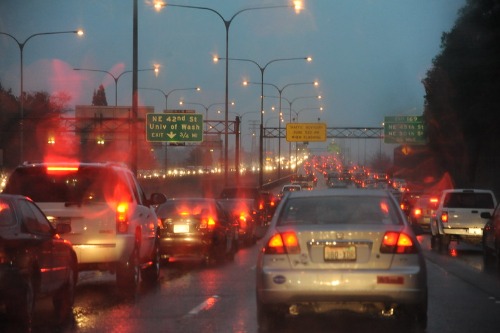
Seattle grew at breakneck speed for years, then hit a pause. Tech hiring slowed, and remote work reduced downtown urgency. Large infrastructure projects continue, but timelines are long and carefully managed. The city feels like it’s catching its breath.
There’s also a cultural shift toward balance. Companies talk more about sustainability than blitzscaling. Commutes are less rigid, and daily schedules more fluid. That flexibility comes at the cost of constant urgency.
7. Washington–Arlington–Alexandria
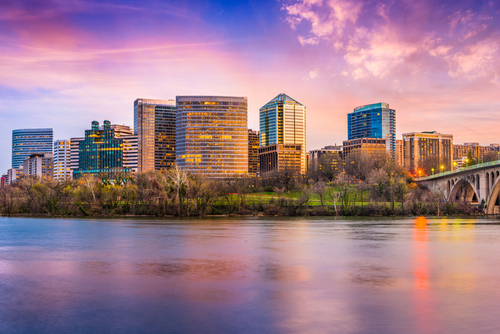
The DC metro runs on procedure, and that naturally tempers urgency. Federal cycles, budgets, and approvals take time by design. Even when priorities are clear, execution can be slow. The system values caution over speed.
Hybrid work entrenched this further. Downtown offices are quieter, and the daily rush has softened. Decisions still matter enormously, but timelines stretch. Urgency is filtered through layers of review.
8. Boston–Cambridge–Newton
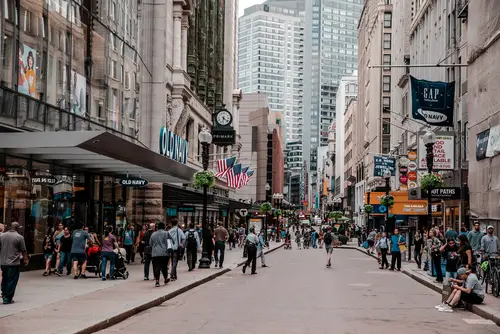
Boston is packed with innovation, but it moves deliberately. Universities, hospitals, and research institutions operate on long horizons. Zoning and housing approvals are famously slow. Progress happens, just not quickly.
The metro’s age shows in its infrastructure and habits. Streets and systems weren’t built for rapid change. People expect complexity and plan around it. That expectation lowers the pressure to move fast.
9. San Diego–Carlsbad
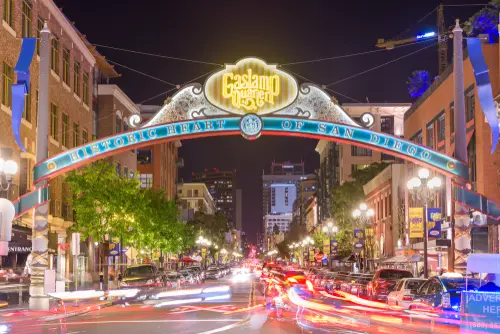
San Diego blends ambition with a laid-back lifestyle. The climate and culture encourage patience, not rushing. Housing and transit challenges are acknowledged but addressed incrementally. Growth feels controlled rather than urgent.
Defense, biotech, and tourism provide stability. That stability reduces the sense of crisis that forces speed. People often choose quality of life over acceleration. Urgency isn’t absent, just softened.
10. Denver–Aurora–Lakewood
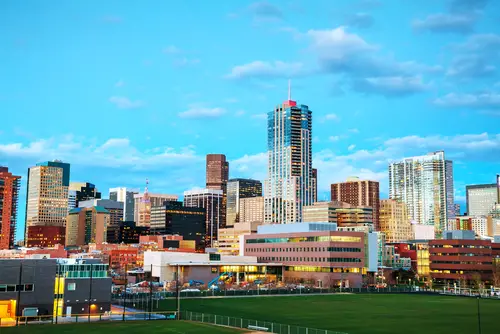
Denver grew rapidly, then settled into a slower phase. Infrastructure and housing are catching up to earlier growth spurts. Projects move forward, but often more cautiously now. The city feels less like it’s racing to keep up.
Remote work also changed daily pressure. Many professionals spread work across flexible hours. That diffuses peak intensity. The metro is still growing, just with less urgency.
11. Austin–Round Rock–Georgetown

Austin’s explosive growth cooled into a more reflective phase. Tech expansion slowed, and some companies reassessed timelines. Traffic and infrastructure constraints force patience. The city learned it can’t sprint forever.
There’s also a shift in tone. Early hustle culture gave way to sustainability talk. New arrivals adapt to local bottlenecks rather than fight them. Urgency has been replaced by calibration.
12. Miami–Fort Lauderdale–Pompano Beach
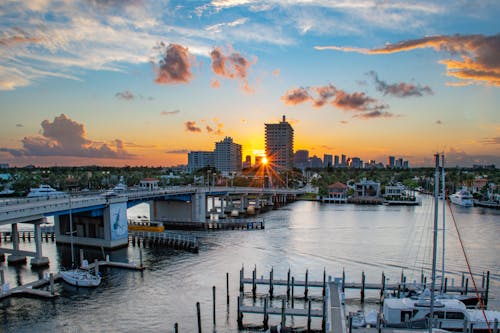
Miami gained energy from new residents, but daily urgency varies. Many arrivals brought remote jobs, reducing traditional workday pressure. Development is active, yet approvals and construction still take time. The pace feels uneven.
The lifestyle factor matters here. Weather and culture encourage flexibility with time. Deadlines stretch more easily than in older financial hubs. Growth continues without constant haste.
13. St. Louis
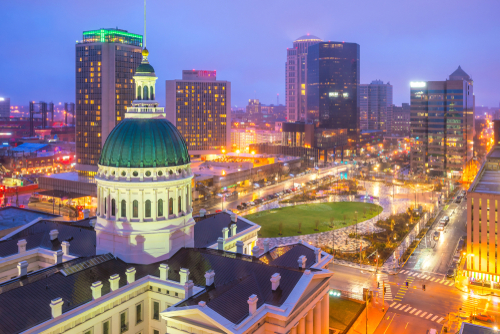
St. Louis moves at a noticeably measured pace. Population stability and modest growth reduce competitive pressure. Big projects often involve long planning cycles and regional coordination. There’s little rush to reinvent overnight.
That calm can be a feature or a flaw. Institutions focus on continuity rather than speed. Residents expect gradual change. The metro operates without a strong sense of urgency, by choice.
This post These Metro Areas Losing Their Sense of Urgency was first published on Greenhouse Black.
