
1. Student debt reshapes early adulthood

Student loans now follow millions of Americans well into their 30s and 40s. Monthly payments directly compete with saving for a home, wedding, or children. That financial pressure encourages caution instead of commitment. People delay big life steps because debt makes the margin for error smaller.
The psychological effect matters too. Carrying large balances can make people feel behind or financially immature, even when they’re employed. Some postpone relationships or family plans because they don’t feel “ready enough.” Settling down becomes a goal to reach someday, not a stage you naturally enter.
2. Housing costs are outpacing young adults’ lives

For many Americans, “settling down” used to start with buying a home, or at least affording a stable rental. Today, home prices and rents have risen faster than wages in most metro areas, making long-term housing feel out of reach. That mismatch forces people to delay decisions like marriage, kids, or staying in one city. It’s hard to commit to a future when your housing situation feels temporary or fragile.
This isn’t just about luxury markets like New York or San Francisco. Even historically affordable regions have seen sharp increases tied to limited supply and investor demand. Younger adults end up moving more often, living with roommates longer, or returning to their parents’ homes. All of that stretches out the timeline for feeling “settled.”
3. Careers take longer to stabilize

Many jobs today require years of short-term roles, contract work, or frequent job changes before offering stability. Early-career workers are often told that mobility is necessary for advancement. That constant movement makes it harder to plan geographically or financially. You don’t put down roots when you might need to relocate next year.
This is especially true in fields like tech, media, and academia. Even traditional professions now expect internships, fellowships, or trial periods well into adulthood. As a result, people postpone settling down until their careers feel “locked in.” For many, that moment arrives later than it did for previous generations.
4. Marriage norms have shifted, not disappeared

Americans aren’t rejecting marriage outright, but they are redefining when and why it happens. Many people now see marriage as a capstone of stability rather than a starting point. They want financial security, emotional maturity, and compatibility first. That mindset naturally delays the timeline.
Divorce rates among older generations also shape expectations. Watching parents struggle or split up has made younger adults more cautious. People want to be sure before committing, and that takes time. Settling down becomes a deliberate choice instead of a default path.
5. Parenthood feels higher-stakes than before

Raising children has become more expensive and more intensive. Childcare, healthcare, housing, and education costs all factor into the decision. Parents are also expected to invest more time and emotional energy than in past generations. That raises the perceived bar for readiness.
Many adults delay having kids until they feel financially and mentally prepared. Some decide to have fewer children or none at all. Others simply wait longer to start. Settling down gets postponed because parenthood feels like an all-or-nothing leap.
6. People are living longer, so timelines stretch

Longer life expectancy subtly changes how people pace their lives. When adulthood lasts longer, there’s less urgency to hit milestones early. Many people feel they have time to explore, experiment, and change directions. Settling down no longer feels like a race against the clock.
This affects everything from career choices to relationships. People are more willing to start over in their 30s or 40s. The idea of a single, linear life path has weakened. With more perceived time ahead, settling down gets pushed further out.
7. Geographic mobility is both an opportunity and a delay

Modern work and lifestyle options encourage people to move frequently. Remote work, short-term leases, and global travel make flexibility appealing. While that freedom can be enriching, it also disrupts long-term planning. Roots are harder to grow when you’re always considering the next move.
Many Americans now build lives across multiple cities or states. Friend groups, careers, and relationships stretch across distances. That fragmentation makes traditional settling down more complicated. Stability often comes later, once mobility slows.
8. Dating culture has become more complex
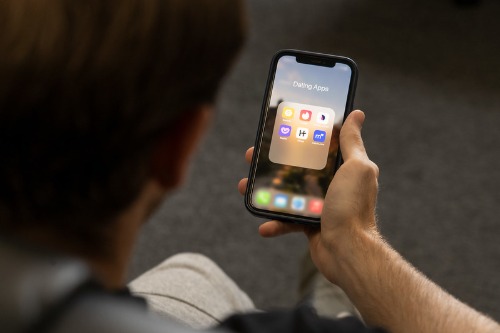
Apps and online dating expanded options, but they also changed expectations. With so many potential matches, people often keep searching for a better fit. Commitment can feel premature when alternatives seem endless. That dynamic extends the dating phase of life.
At the same time, dating now requires more emotional labor and intentionality. People talk openly about boundaries, trauma, and long-term goals earlier on. While that can lead to healthier relationships, it also takes time. Settling down happens later, after more trial and reflection.
9. Economic shocks disrupted key life stages

Major events like the Great Recession and the COVID-19 pandemic hit younger generations during formative years. Job losses, hiring freezes, and uncertainty delayed financial independence. Plans for marriage, homeownership, or kids were put on hold. Even after recovery, the effects linger.
These disruptions created uneven life progress. Some people moved forward while others stalled or had to restart. That divergence makes settling down feel less synchronized across peers. Many are still catching up years later.
10. Individual fulfillment is prioritized more openly

There’s greater cultural permission to focus on personal growth before commitment. Therapy, self-discovery, travel, and passion projects are now seen as valid priorities. People want to know themselves before anchoring their lives to others. That self-focus can delay traditional milestones.
This shift doesn’t mean people reject stability. Instead, they want settling down to align with who they truly are. Rushing into it feels riskier than waiting. The timeline stretches to make room for identity formation.
11. “Settling down” itself means different things now

For some Americans, settling down no longer means marriage, kids, and a mortgage. It might mean a stable routine, a chosen community, or financial independence. Others define it as emotional security rather than a specific life structure. That redefinition changes when people feel they’ve arrived.
Because the goalposts have moved, the process takes longer. People experiment with different versions of adulthood before choosing one. What looks like delay from the outside is often intentional exploration. Settling down happens later because it’s more personalized than ever.
This post Why “Settling Down” Is Taking Americans Longer Than Expected was first published on Greenhouse Black.
