
1. Ceiling Height

Low ceilings in a small house don’t just look tight, they feel tight. They affect how light spreads, how air circulates, and how calm the space feels. Once the ceiling height is set, you can’t fix it with furniture or paint. That decision quietly determines whether the house ever feels like a place to relax.
Higher ceilings allow warm air to rise and daylight to bounce deeper into rooms. They also make compact rooms tolerate clutter better, because the eye has somewhere else to go. In contrast, low ceilings can make you more sensitive to mess and noise. Over time, that changes how tidy, quiet, and intentional you have to be to stay comfortable.
2. Window Placement and Size
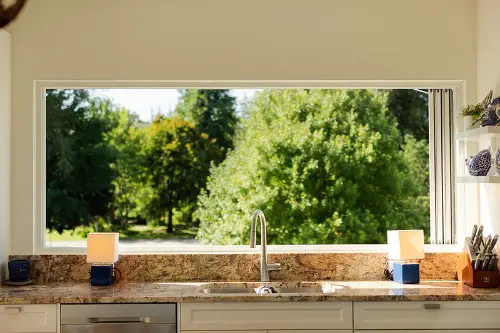
In a small house, windows decide how connected you feel to the outside world. Poorly placed windows can leave rooms dim even during the day. Because wall space is limited, every window replaces potential storage or furniture space. That tradeoff shapes how you arrange your life inside.
Well-placed windows create cross-ventilation, which can reduce reliance on fans or air conditioning. They also affect privacy, since a window facing the wrong direction may force you to keep blinds closed. Once you live with constant artificial light, your daily rhythm can shift without you realizing it. The window plan ends up dictating how awake, private, and comfortable you feel.
3. Storage That’s Missing or Awkward
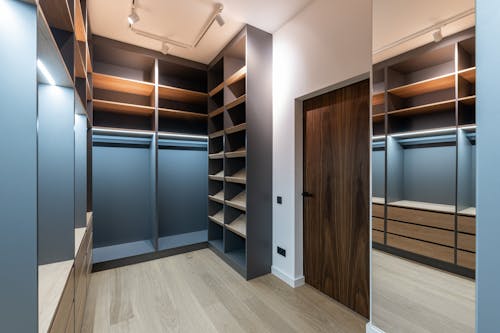
In small houses, storage isn’t optional, it’s survival infrastructure. A lack of closets or poorly designed storage forces everyday items into view. That visual clutter adds mental clutter, even if the house is technically clean. The result is a space that always feels unfinished.
Good storage lets you own normal things without constantly managing them. When storage is inconvenient, you start changing habits to compensate. You might buy less, delay chores, or stack items where they don’t belong. Over time, the house trains you to live smaller than you intended.
4. Door Swings and Clearances
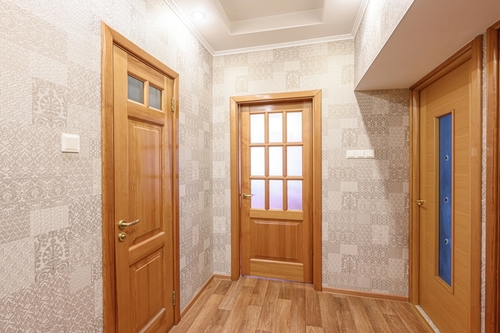
The direction doors swing matters far more in a small house than people expect. A poorly placed door can eliminate an entire wall from being usable. That lost wall might have been your desk, dresser, or bookshelf. Once the house is built, those limits are permanent.
Tight door clearances also affect how multiple people move through the home. You may find yourself waiting, sidestepping, or negotiating space constantly. This subtly increases friction in daily routines. The layout ends up influencing how patient or rushed you feel at home.
5. Kitchen Size and Work Triangle

A compact kitchen can work, but only if it’s planned well. If the fridge, sink, and stove are too close or too far apart, cooking becomes inefficient. In a small house, there’s no extra space to absorb bad layouts. That means frustration shows up fast and often.
When counter space is limited, you change how and what you cook. You might rely more on takeout or simplified meals. Over time, that affects health, budget, and social habits. The kitchen’s footprint quietly shapes your lifestyle choices.
6. Bathroom Count and Placement

In small homes, the number of bathrooms has an outsized impact on daily life. One bathroom can work, but it creates scheduling pressure. Morning routines become coordinated events instead of private moments. That dynamic can affect relationships more than expected.
Bathroom placement also matters for noise and privacy. A bathroom opening into the living area changes how comfortable guests feel. You may become more self-conscious about normal sounds. That small architectural choice influences how relaxed the house feels socially.
7. Stairs and Vertical Living
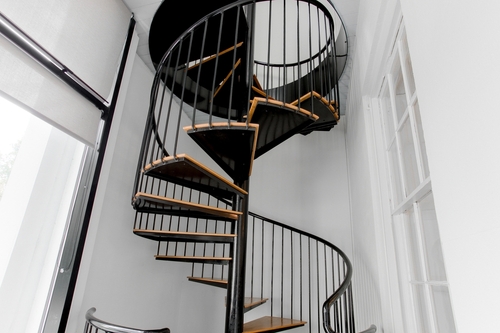
If your small house is vertical, stairs become a daily commitment. Carrying laundry, groceries, or pets up and down adds physical effort to routine tasks. Over time, this can change where you spend most of your day. People naturally gravitate toward the easiest level.
Stair design also affects safety and accessibility. Steep or narrow stairs limit who can comfortably live there. As needs change, the house may stop fitting your life. That single design choice can shorten how long the home works for you.
8. Heating and Cooling Strategy
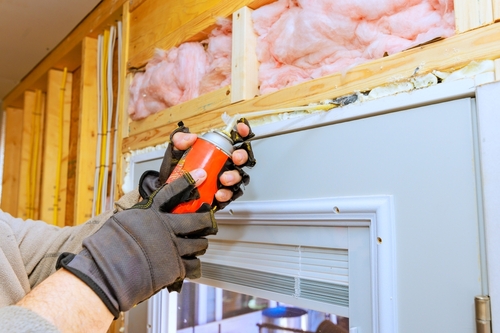
In small houses, temperature changes are felt immediately. Poor insulation or undersized systems make rooms uncomfortable quickly. Because spaces are tight, you can’t escape a hot or cold zone. The house forces you to react.
Efficient systems create consistent comfort with less adjustment. Inefficient ones make you constantly tweak thermostats or add space heaters. That behavior affects energy bills and daily focus. Climate control ends up shaping how settled or restless you feel at home.
9. Electrical Outlet Placement
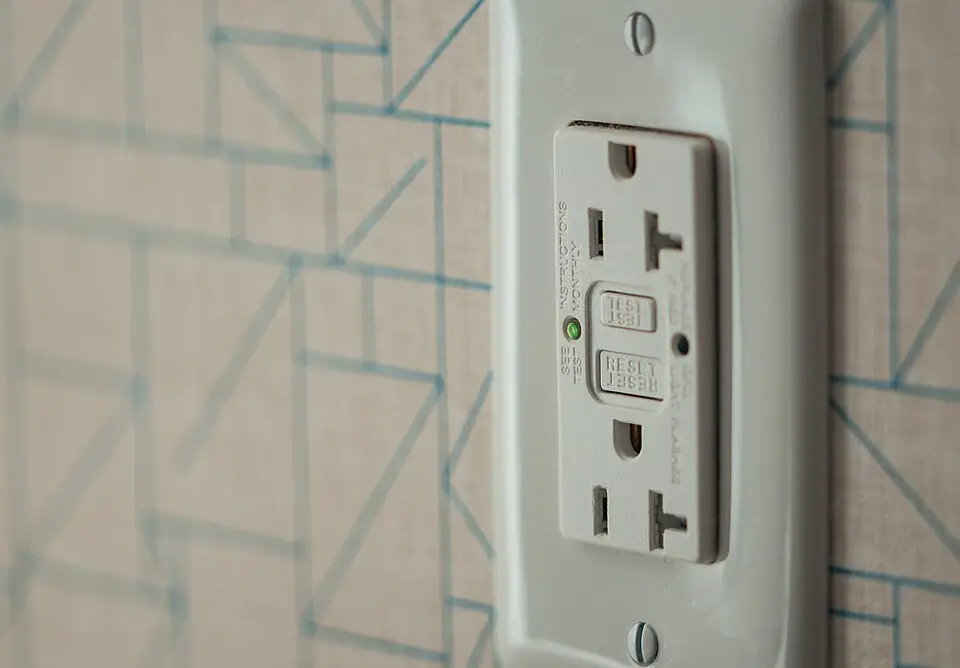
Outlet placement sounds minor until you live without enough of them. In small homes, extension cords become visual and physical obstacles. That clutter reduces flexibility in how rooms are used. You may stop rearranging simply because it’s inconvenient.
Well-placed outlets allow spaces to adapt over time. They support remote work, hobbies, and evolving technology. When outlets are scarce, you limit activities instead of adjusting the room. The electrical plan ends up guiding how modern your life can be.
10. Sound Transmission Between Rooms
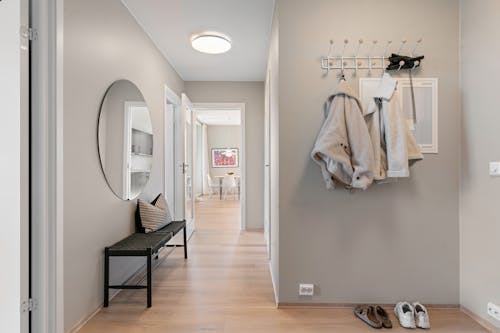
In a small house, sound has nowhere to go. Thin walls or open layouts let noise travel freely. That can make it hard to concentrate, sleep, or have private conversations. Over time, you may adjust your behavior to avoid bothering others.
Good sound separation supports different activities at once. Without it, the house demands coordination and compromise. You might lower volumes, delay calls, or avoid certain activities. The acoustic design quietly controls your freedom.
11. Entryway Design
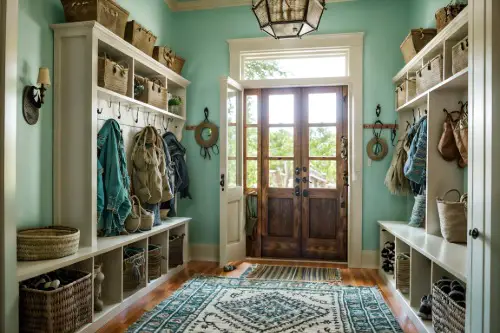
The entryway sets the tone for the entire house. In small homes, there’s often pressure to eliminate it entirely. Without a proper landing zone, everyday items scatter quickly. Shoes, bags, and coats end up wherever they fit.
A functional entryway helps contain mess and stress. It creates a mental transition between outside and inside. When that space is missing, the whole house feels less organized. That single decision affects how calm you feel the moment you walk in.
This post Small House Decisions That End Up Controlling How You Live was first published on Greenhouse Black.
