
1. Brand-New Luxury Car in the Driveway

A shiny luxury car can look like success, but it often comes with a long-term lease or high-interest loan. Many premium vehicles depreciate quickly, meaning the owner is paying a lot for something that loses value fast. When the monthly payment rivals a mortgage, it can crowd out savings and emergency funds. That stress doesn’t show up in photos, but it shows up in bank statements.
There’s also the insurance, maintenance, and repair costs that come with luxury models. Those ongoing expenses are higher than most people expect when they sign the paperwork. If the car is being used to project stability or success, it can mask how tight the rest of the budget really is. The driveway looks impressive, but the cash flow might be gasping for air.
2. A Massive TV as the Living Room Centerpiece
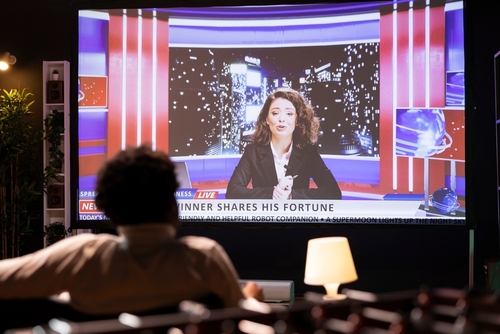
An oversized television often signals a purchase made on a payment plan rather than upfront. Retailers aggressively market zero-interest or delayed-payment deals that make big screens feel deceptively affordable. The problem is that these plans can turn expensive fast if payments are missed or the promo period ends. What feels like a harmless upgrade can quietly add recurring financial pressure.
Large TVs are also often prioritized over more practical needs in the home. If the couch is worn out or the heating system is unreliable, that big screen starts to look like a misallocation of funds. It can be a way to buy comfort or distraction instead of addressing underlying stress. Entertainment becomes a coping mechanism, not just a pastime.
3. Freshly Renovated Kitchen With Cheap Appliances
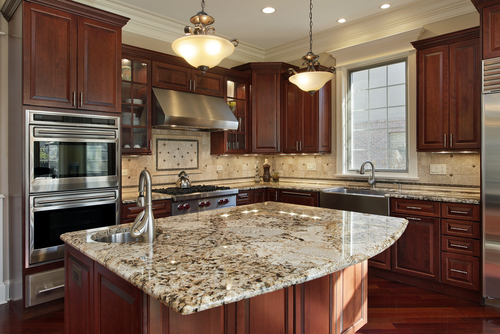
A kitchen remodel can be a smart investment, but mismatched priorities are telling. New countertops paired with entry-level appliances often suggest the remodel was done for appearances, not longevity. Cosmetic upgrades are frequently financed through credit cards or short-term loans. That can create debt without adding much real value or functionality.
In many cases, these renovations are done to keep up with perceived standards rather than actual needs. The homeowner may be trying to signal stability to themselves or others. Meanwhile, the appliances may need replacing again in just a few years. The house looks updated, but the finances behind it are stretched thin.
4. Subscription Everything, From Lawns to Laundry

A professionally maintained lawn or regular cleaning service can seem like a sign of comfort. Sometimes, though, it reflects a lifestyle built on monthly commitments stacked on top of each other. Subscriptions are easy to sign up for and surprisingly hard to cancel. Over time, they quietly drain cash flow.
When income becomes uncertain or debt increases, these services often remain out of habit. The result is less flexibility in the budget and more pressure to keep earning at the same pace. Outsourcing basics can feel like relief, but it can also hide financial fragility. The house looks effortless because the money is constantly being spent to keep it that way.
5. Smart Home Gadgets Everywhere

Smart thermostats, doorbells, and voice assistants are relatively affordable individually. The issue is how quickly they add up when bought impulsively or on credit. These devices are often purchased for convenience or novelty rather than necessity. They can become a way to feel modern and in control during uncertain times.
Ironically, homes full of smart gadgets sometimes have very analog problems. Aging roofs, old plumbing, or poor insulation may be ignored because they’re less visible. Money goes toward things that beep and glow instead of things that protect the home’s value. The tech signals progress, while the fundamentals quietly deteriorate.
6. Furniture That Looks New but Feels Disposable
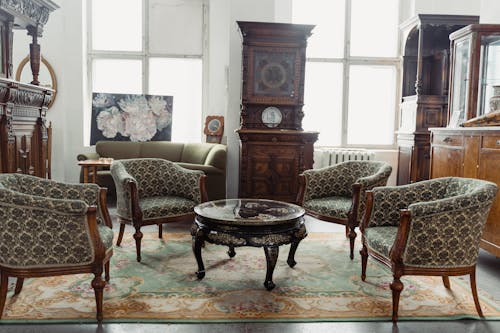
Fast furniture brands make it easy to furnish a home quickly and cheaply. Many of these purchases are financed through buy-now-pay-later services. While the monthly cost seems small, multiple plans can overlap and become overwhelming. The furniture looks stylish, but it’s often not built to last.
Replacing low-quality furniture every few years costs more than investing in durable pieces upfront. This cycle can indicate a lack of available cash or long-term planning. The home may look freshly styled, but it’s built on short-term decisions. That pattern often mirrors broader financial stress.
7. An Overbuilt Home for the Neighborhood
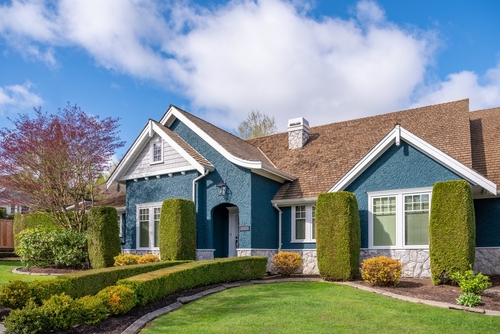
A house that’s significantly larger or more upgraded than its surroundings can be a red flag. Overbuilding rarely pays off in resale value, especially in modest neighborhoods. Homeowners sometimes stretch their finances to afford a house that feels aspirational. The result is higher property taxes, utilities, and maintenance costs.
Keeping up with those costs can strain even a solid income. When the house itself becomes the main status symbol, it can trap owners financially. Downsizing feels like failure, so they hang on longer than they should. The home looks impressive, but it may be financially suffocating.
8. Constant Cosmetic Touch-Ups

Fresh paint, new throw pillows, and seasonal decor updates can seem harmless. When done constantly, they may point to anxiety about appearances. Small cosmetic purchases feel manageable and productive, even when larger financial issues loom. They provide a sense of control without requiring big decisions.
These updates are often made instead of tackling expensive but necessary repairs. The money goes toward surface-level fixes rather than structural ones. Over time, that avoidance compounds the problem. The home stays Instagram-ready while the financial foundation weakens.
9. A Pool That Rarely Gets Used

Pools are often installed during optimistic financial periods. They’re expensive to build and costly to maintain, with ongoing cleaning, repairs, and insurance implications. If the pool sits unused, it becomes a sunk cost that still demands attention. The luxury turns into a financial obligation.
For some homeowners, the pool represents a lifestyle they hoped to have. When reality doesn’t match, the expense can feel burdensome. Selling or removing it is rarely simple or cheap. What once signaled leisure can end up signaling regret.
10. Designer Decor With No Emergency Fund

High-end decor pieces can make a home feel curated and impressive. These items are often bought on credit or during sales that encourage overspending. The problem arises when aesthetics are prioritized over financial resilience. A beautiful room doesn’t help when an unexpected expense hits.
This imbalance is common in households under financial pressure. Spending on visible items feels more rewarding than saving for invisible emergencies. The decor tells a story of taste and success. The bank account may tell a very different one.
11. Always “About to Refinance”
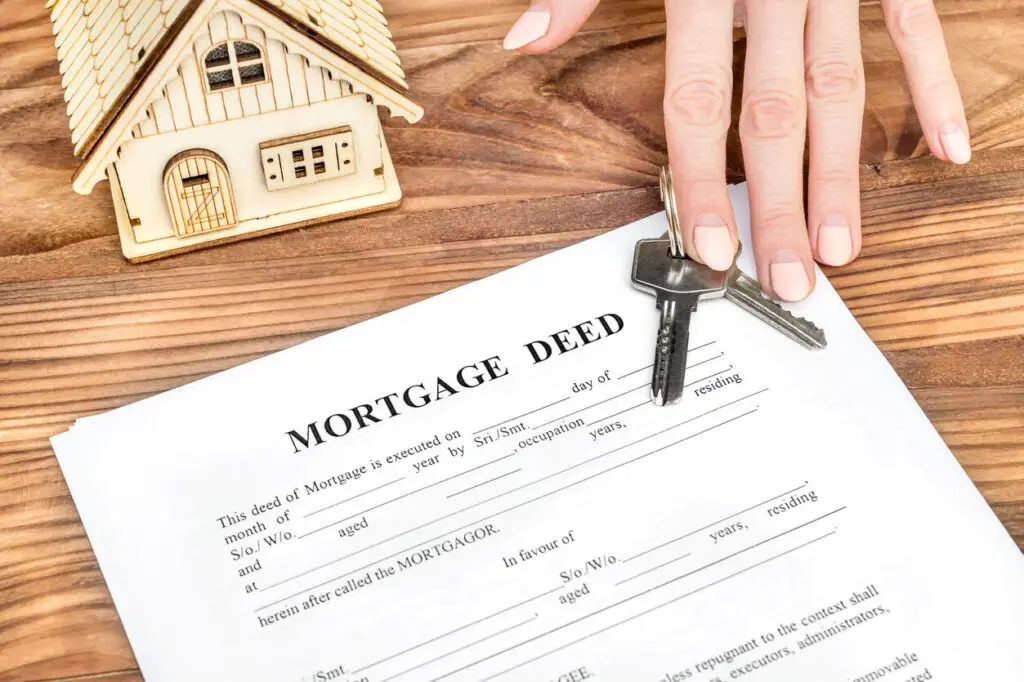
Talking about refinancing is common and often smart. Constantly planning to refinance, however, can indicate reliance on future fixes for present problems. It suggests the household is counting on interest rates or lenders to bail them out. That mindset can delay necessary lifestyle adjustments.
Refinancing can reduce payments, but it often extends debt over a longer period. When it becomes a recurring strategy, it signals cash flow issues. The home remains intact and polished on the surface. Underneath, the financial structure is being reshuffled to stay afloat.
This post “Nice” Home Features That Secretly Signal Financial Stress was first published on Greenhouse Black.
