
1. Maine
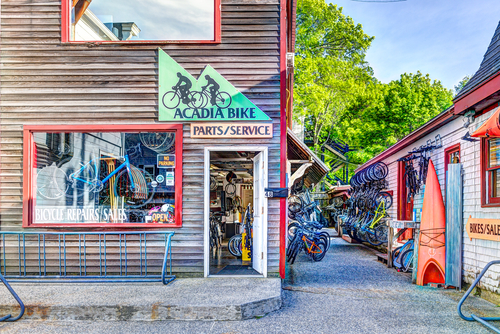
Maine attracts retirees with coastal charm, scenic beauty, and peaceful small towns. Summers are pleasant and draw many seasonal residents. The lifestyle feels calm and community-oriented. It looks ideal for a quiet retirement.
Reality includes long, cold winters that limit mobility and social interaction. Health care access can be difficult, especially in rural areas. Property taxes are relatively high for retirees on fixed incomes. Everyday necessities can be expensive due to distance and seasonal supply issues.
2. Florida

Florida looks like a retiree dream with no state income tax, warm winters, and endless golf courses. Many people imagine easy coastal living and a relaxed pace once the working years are done. On paper, it feels like your money should stretch further here. The lifestyle marketing is extremely convincing.
Then daily life sets in with soaring homeowners insurance and property insurance headaches, especially near the coast. Health care access can be uneven, with long wait times to see specialists in many retiree-heavy areas. Traffic in places like Tampa, Orlando, and South Florida can be relentless even outside tourist season. The heat and humidity also become harder to tolerate year-round than many newcomers expect.
3. Texas

Texas often appeals to retirees because there is no state income tax and housing can seem affordable at first glance. Many communities promote a low-cost, independent lifestyle with plenty of space. The state also offers diverse landscapes and large medical centers in major cities. It can feel like a financially smart move.
The catch often comes with very high property taxes, which can rise quickly as home values increase. Extreme heat is becoming more intense and lasts longer each year. Daily driving is almost unavoidable, especially in suburban and exurban areas. Health insurance costs can also be higher than expected, particularly for those not yet on Medicare.
4. South Carolina
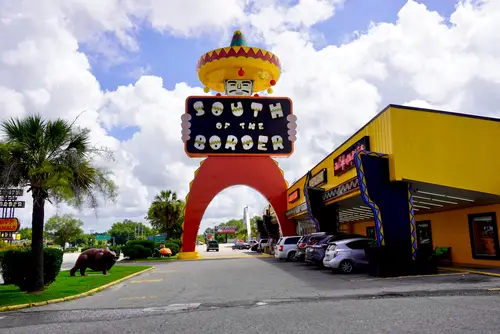
South Carolina looks appealing with its mild winters, charming coastal towns, and retiree-friendly tax policies. Many people picture slow mornings, friendly neighbors, and affordable living. Property taxes are relatively low for owner-occupied homes. The state markets itself heavily to retirees.
Once settled, newcomers often notice limited health care options outside larger cities like Charleston or Columbia. Coastal insurance costs and hurricane concerns add financial stress. Infrastructure can feel outdated, with poor road conditions in many areas. Humid summers and mosquito-heavy evenings can also wear on daily comfort.
5. North Carolina

North Carolina draws retirees with its mix of mountains, beaches, and moderate four-season climate. The state offers cultural amenities, universities, and attractive small towns. Taxes are relatively middle-of-the-road compared to other states. It feels like a balanced choice.
Daily life can be harder due to rapid growth overwhelming roads and health systems, especially in popular areas. Housing prices have risen sharply, erasing some affordability advantages. Finding primary care doctors can take months in retiree-heavy regions. Summers are hotter and more humid than many people expect.
6. Tennessee

Tennessee often gets attention for having no state income tax and a low overall tax burden. The state promises scenic beauty, music culture, and a slower pace of life. Retirees are drawn to cities like Knoxville, Chattanooga, and Nashville suburbs. It looks like an easy win financially.
In practice, sales taxes are among the highest in the country, which affects everyday spending. Health care access can be inconsistent outside metro areas. Rapid population growth has pushed up housing prices, particularly near popular cities. Infrastructure and public services sometimes lag behind the growing population.
7. Nevada

Nevada appeals with no state income tax and plenty of sunshine. Las Vegas and Reno offer entertainment, dining, and relatively mild winters. The cost of living can look reasonable compared to California. It feels like a financially strategic relocation.
The reality is that Nevada ranks low in health care access, especially for specialists. Water scarcity is a long-term concern that affects planning and development. Summers are extremely hot, limiting outdoor life for long stretches. Insurance costs and utility bills can be higher than retirees expect.
8. Idaho
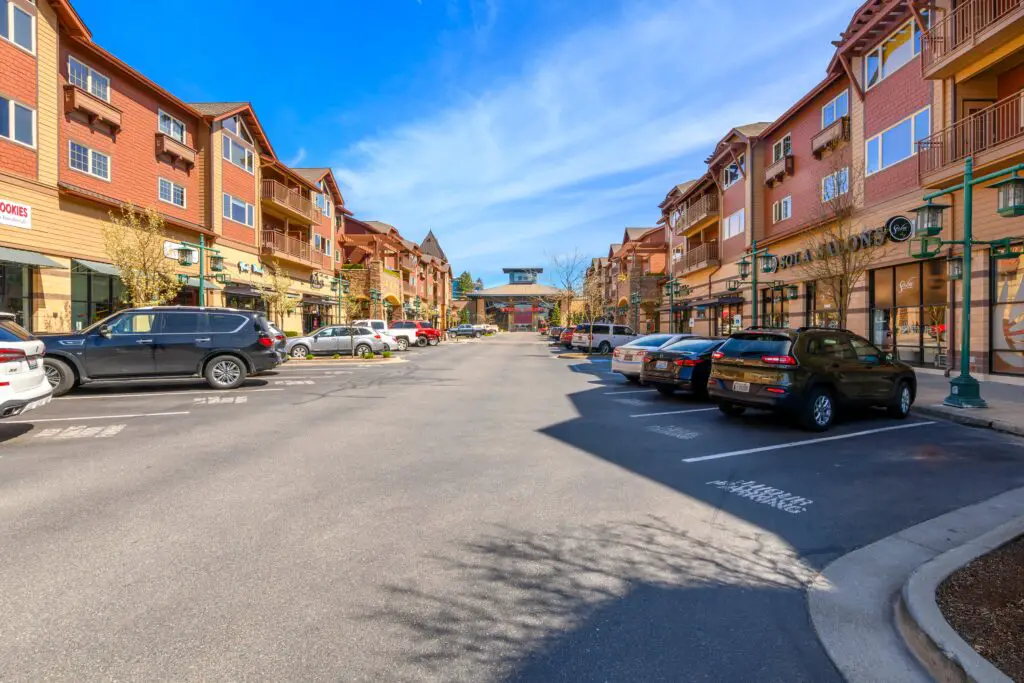
Idaho attracts retirees with natural beauty, outdoor recreation, and a quieter lifestyle. Smaller cities and towns promise community and simplicity. The state long carried a reputation for affordability. It looks like a peaceful place to settle.
Daily challenges include limited medical facilities in rural areas and long travel times for specialized care. Winters can be harsh and isolating, especially outside urban centers. Housing prices have surged due to migration, straining fixed incomes. Social services and transportation options can be limited for aging residents.
9. Montana
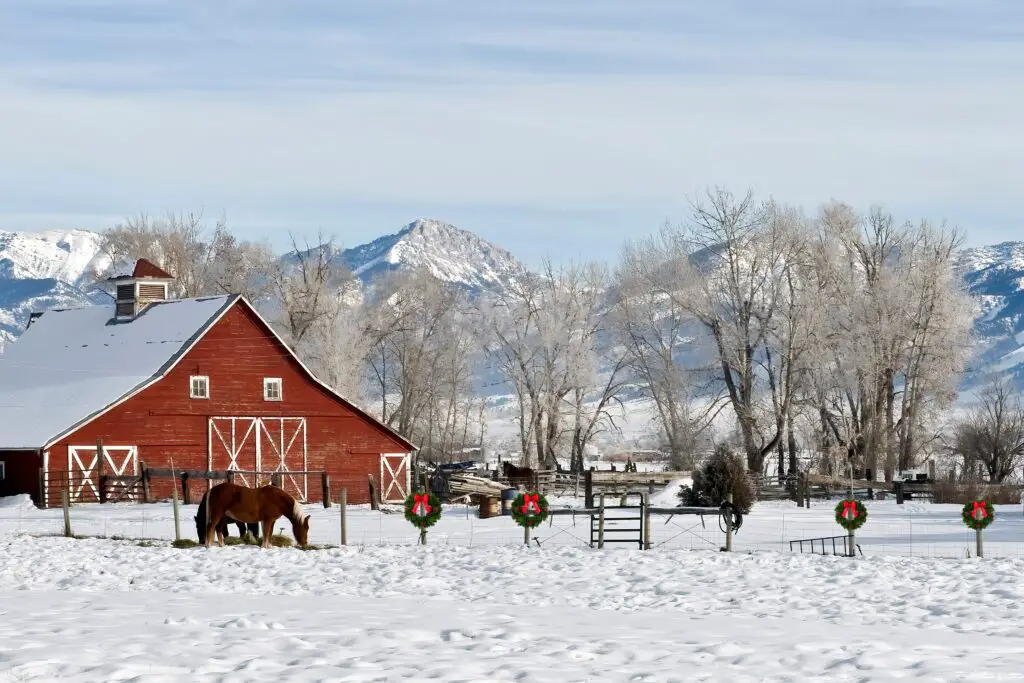
Montana often captivates retirees with wide-open spaces and stunning landscapes. The idea of a calm, nature-focused retirement is powerful. Small towns offer charm and a sense of community. It feels like an escape from crowded living.
The day-to-day reality includes long, severe winters that can restrict mobility. Access to health care is a serious concern, with few specialists and long distances between hospitals. Property taxes can be higher than expected in some areas. Everyday errands often require significant driving.
10. Colorado
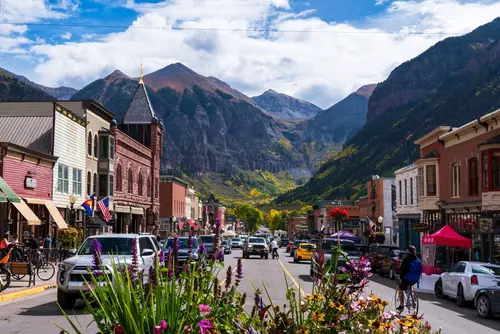
Colorado draws retirees with its mountain scenery, active lifestyle, and strong cultural appeal. Many imagine hiking, skiing, and fresh air year-round. The state also offers high-quality health systems in metro areas. It feels healthy and vibrant.
What sets in quickly is the high cost of housing, even outside Denver and Boulder. Property taxes may be moderate, but overall living costs are not. Traffic congestion and crowded recreation areas affect daily enjoyment. Weather can change abruptly, creating challenges for older residents.
11. Oregon
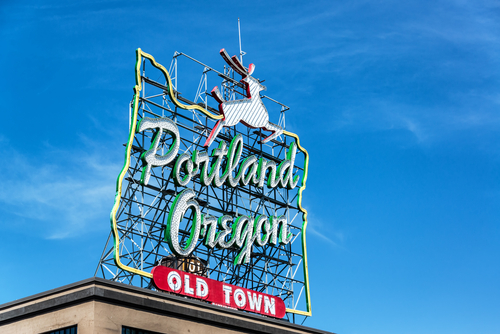
Oregon attracts retirees with lush scenery, mild coastal climates, and a relaxed cultural vibe. Many people love the idea of green landscapes and walkable towns. The absence of sales tax is appealing. It can feel like a lifestyle upgrade.
The downside comes with high state income taxes that impact retirement income. Health care access is uneven outside Portland and Eugene. Housing costs have risen dramatically in popular areas. Long gray winters can affect mood and energy levels.
12. Washington

Washington looks attractive with no state income tax and access to top-tier medical systems in Seattle. The natural beauty and cultural amenities are major draws. Many retirees like the idea of being near water and mountains. It seems financially sensible at first.
Daily life includes high sales taxes and rising property taxes. Housing costs are steep even in smaller cities. Traffic congestion is a constant frustration in metro regions. Cloudy weather and long dark winters are harder than expected for many newcomers.
13. New Mexico
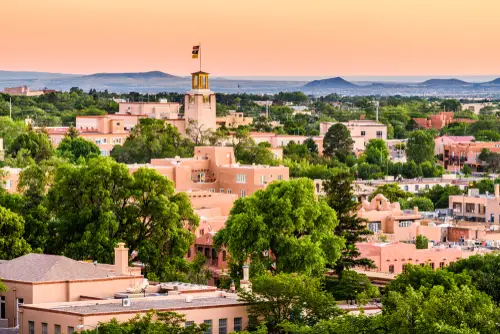
New Mexico appeals with its mild climate, rich culture, and relatively low housing costs. Retirees are drawn to places like Santa Fe and Las Cruces. The state offers beautiful scenery and a slower pace. It feels unique and affordable.
Challenges include limited health care access and shortages of medical professionals. Crime rates are higher than many retirees anticipate. Infrastructure and public services can feel underfunded. Long distances between towns make daily errands less convenient.
14. Arizona
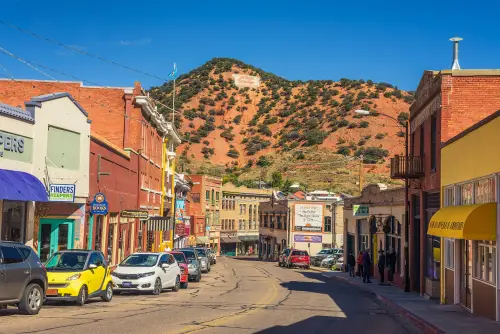
Arizona attracts retirees with dry weather, desert beauty, and plenty of active adult communities. The state often promises relief from cold winters and a lifestyle built around outdoor recreation. Housing used to be a major draw due to affordability. The sunshine alone convinces many people to move.
What tends to surprise retirees is the extreme summer heat, which can limit outdoor activity for months at a time. Utility bills climb fast when air conditioning runs nonstop from May through September. Access to health care outside major metro areas like Phoenix and Tucson can be limited. Rapid population growth has also strained roads, water resources, and medical systems.
This post States That Look Perfect for Retirees Until Daily Life Kicks In was first published on Greenhouse Black.
