
1. New York City Metro Area, New York
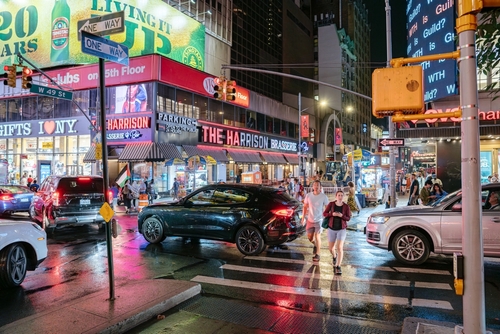
Driving an RV into the New York City metro area is something many veterans simply won’t attempt. Low bridges, parkways with commercial vehicle bans, and constant congestion create real logistical barriers. One wrong turn can mean miles of backtracking. The margin for error is slim.
Costs add another layer of hesitation. Campgrounds within a reasonable distance are scarce and pricey. Tolls for bridges and tunnels can add up quickly for oversized vehicles. Most RVers opt to stay far outside the city and use public transportation if they visit at all.
2. Los Angeles, California
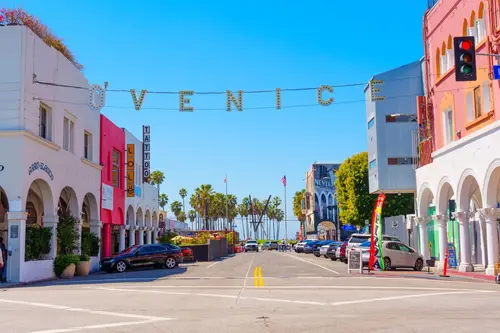
Veteran RVers often give Los Angeles a wide berth, and it usually starts with traffic. Navigating a large rig through multi-lane freeways packed at nearly all hours can be exhausting. Add in aggressive drivers and frequent construction, and even short hops feel like a marathon. Many RVers decide the stress outweighs the sights.
Then there’s the reality of parking and local regulations. Overnight RV parking is heavily restricted in many neighborhoods and enforced inconsistently. Campgrounds near the city are limited, expensive, and often booked far in advance. For travelers who value flexibility, LA can feel unusually confining.
3. San Francisco, California

San Francisco tends to make experienced RVers nervous before they even arrive. The city’s steep hills are not friendly to heavy vehicles with long wheelbases. Tight turns, narrow streets, and limited clearance can quickly turn into white-knuckle driving. Even seasoned drivers find it mentally draining.
Security concerns also play a role in avoidance. Break-ins, including vehicle break-ins, are a widely discussed issue among travelers. Finding safe, legal overnight parking is difficult and often expensive. Many RVers choose nearby coastal or inland alternatives instead.
4. Miami and South Florida
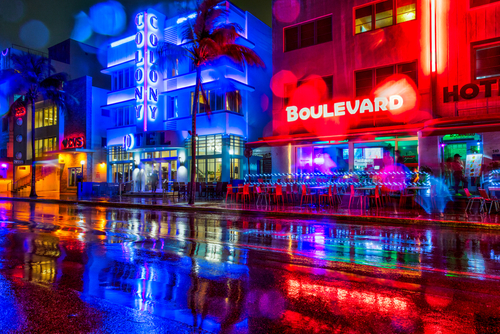
South Florida, especially Miami, often lands on the “skip it” list for long-term RV travelers. The heat and humidity can be intense for much of the year, making daily life uncomfortable in an RV. Afternoon thunderstorms are frequent and unpredictable. Air conditioning systems get pushed hard.
Urban density also complicates things. Campgrounds near the coast are limited and fill up months ahead of peak season. Traffic congestion is constant, and drivers are not always patient with large rigs. Many RVers prefer quieter inland areas or different parts of the state.
5. New Orleans, Louisiana
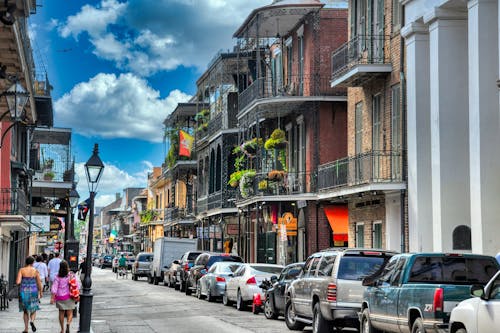
New Orleans is beloved for its culture, but RVers approach it cautiously. Flooding risks during heavy rains are real, especially in low-lying areas. Streets in older neighborhoods can be narrow and uneven. Maneuvering a large RV requires careful planning.
Security and parking concerns also factor in. Finding safe overnight parking close to attractions is difficult. Campgrounds are limited and often located well outside the city center. Many RVers decide a short visit by car makes more sense.
6. Las Vegas Strip, Nevada

Las Vegas itself isn’t the problem, but the Strip often is. Traffic is dense, confusing, and filled with distracted drivers and pedestrians. Large RVs feel out of place amid taxis, rideshares, and delivery vehicles. Stress levels climb quickly.
Parking restrictions are another deterrent. Casino parking garages usually have height limits that exclude RVs. Overnight parking rules change frequently and aren’t always clearly communicated. Most experienced RVers stay on the outskirts and avoid driving the Strip entirely.
7. Yellowstone National Park During Peak Season
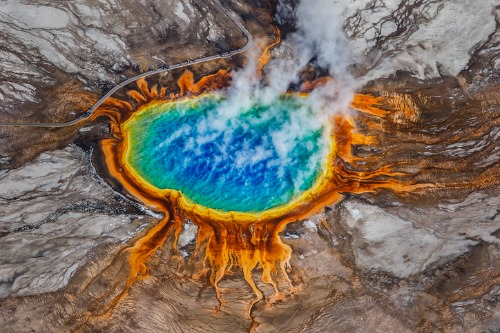
Yellowstone is iconic, but timing matters greatly for RVers. During summer peak season, traffic jams caused by wildlife and crowds are common. Narrow roads and limited pullouts make maneuvering large rigs challenging. A short drive can take hours.
Campground availability is another major issue. Many sites require reservations far in advance, sometimes up to a year. Backup options outside the park fill quickly as well. Veteran RVers often choose shoulder seasons or different parks altogether.
8. Key West, Florida
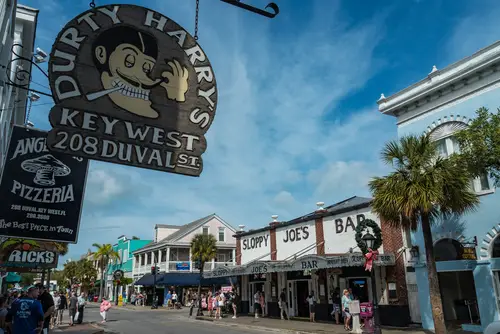
Key West’s charm doesn’t extend easily to RV travel. The Overseas Highway is scenic but narrow, with limited shoulders and heavy traffic. Once you arrive, space becomes the biggest issue. The island simply isn’t built for large vehicles.
Campgrounds are few and among the most expensive in the country. Reservations are often booked solid months ahead of time. Local roads are tight and crowded with scooters, bikes, and pedestrians. Many RVers visit via day trip instead.
9. Washington, D.C.
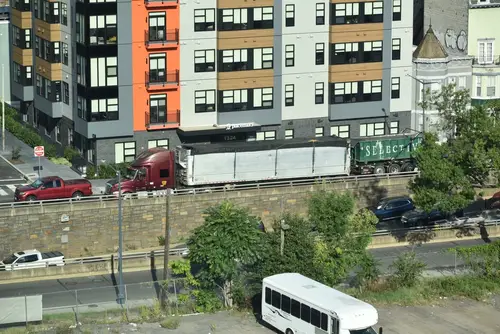
Washington, D.C. presents a unique mix of challenges for RVers. Traffic congestion is severe and unpredictable, even outside rush hours. Many parkways and roads have restrictions on commercial or oversized vehicles. Navigation requires constant attention.
Parking and camping options are limited close to the city. Campgrounds in the surrounding area are often crowded and costly. Security rules can change quickly near government buildings. Experienced RVers tend to stay well outside the Beltway.
10. Chicago, Illinois
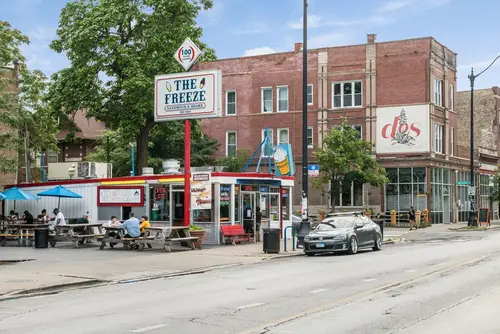
Chicago’s size alone makes RVers pause. Traffic can be heavy at nearly any time of day, especially near downtown. Winter weather adds another layer of complexity with snow, ice, and wind. Seasonal timing becomes critical.
Urban camping options are scarce. Most campgrounds are far from the city center and require long commutes. Street parking for RVs is highly restricted. Many travelers decide the effort doesn’t match the reward.
11. Phoenix, Arizona in Summer
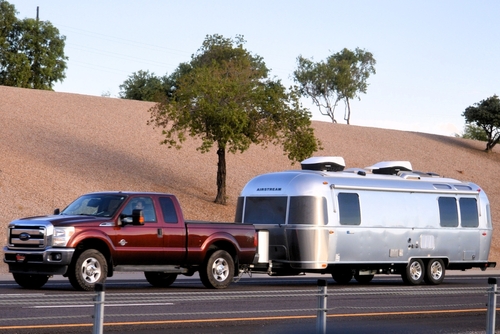
Phoenix is a common winter destination, but summer is a different story. Extreme heat regularly exceeds safe comfort levels for RV living. Mechanical systems like tires, batteries, and air conditioners are under constant strain. Even short outdoor tasks become taxing.
Campground shade is limited in many areas. Heat-related closures and warnings are common. Long-term RVers often migrate north during these months. Phoenix becomes a pass-through rather than a stop.
12. Interstate 70 Through the Colorado Rockies in Winter
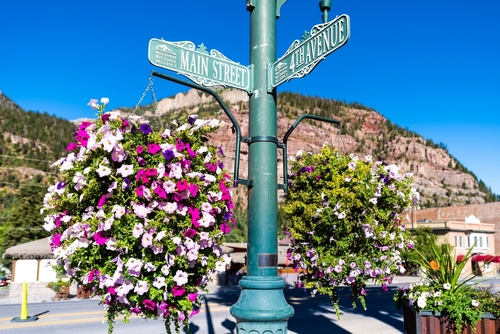
This stretch isn’t a city, but it’s frequently avoided by experienced RVers. Steep grades, sharp curves, and high elevations demand respect. Winter conditions can change rapidly with snow and high winds. Even well-equipped rigs can struggle.
Traffic backups are common during ski season. Chain laws are strictly enforced and not optional. A closure can leave travelers stuck for hours. Many RVers reroute south or delay travel until conditions improve.
This post Places Veteran RVers Avoid Without Explaining Why was first published on Greenhouse Black.
