
1. Original Artwork by Recognized or Regional Artists
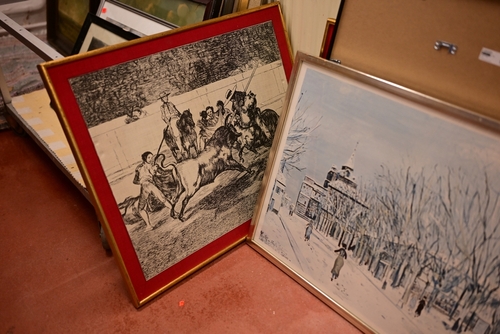
Estate buyers pay close attention to signed paintings, sketches, and limited-run prints. Even artists who aren’t nationally famous can have strong regional or niche collector markets. Buyers hope family members assume the art is purely decorative. That misunderstanding can allow a valuable piece to be sold cheaply.
The reason this matters is provenance and attribution drive value. An artist with gallery representation or auction history can command far more than expected. Estate buyers know how to research signatures and styles quickly. If others ignore the art, buyers can quietly acquire it below market value.
2. Mid-Century Modern Furniture
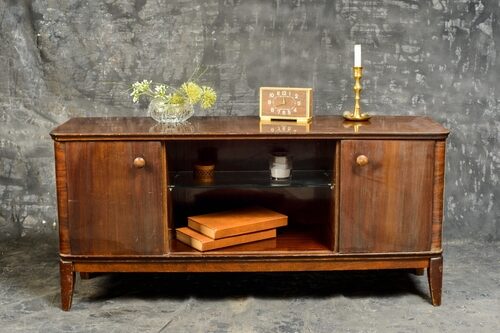
Clean-lined furniture from the 1940s through 1970s is a major target. Pieces by designers like Eames, Knoll, or even lesser-known manufacturers can sell for thousands. Estate buyers hope these items are dismissed as outdated or bulky. Many families just want them gone.
The value comes from original construction and design pedigree. Solid wood, molded plywood, and original upholstery increase worth. Estate buyers recognize authentic pieces by proportions and hardware. If no one questions the furniture, buyers gain a resale-ready asset.
3. Vintage Jewelry with Real Stones
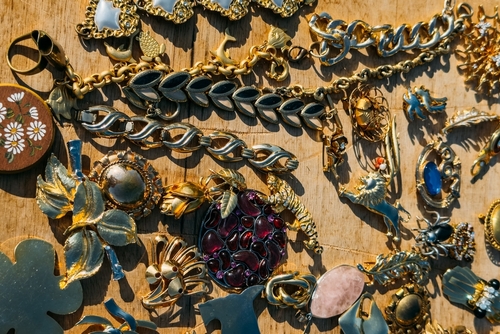
Estate buyers closely inspect jewelry boxes, even tangled or broken pieces. Older jewelry often contains real gold, platinum, or gemstones despite modest appearances. Families sometimes assume pieces are costume because they’re unfashionable. That assumption benefits the buyer.
Jewelry value is tied to materials, not style. Gold content, diamond cuts, and maker’s marks matter more than trends. Estate buyers bring loupes and scales for quick assessment. When others overlook jewelry, buyers can secure melt or resale value easily.
4. First-Edition or Signed Books
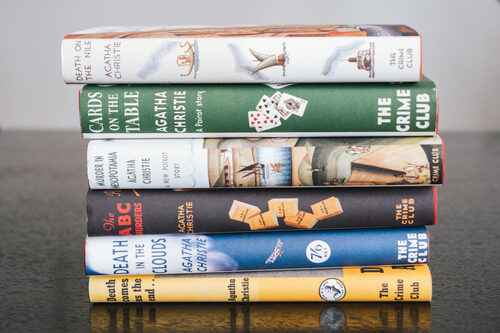
Bookshelves are rarely ignored by estate buyers. First editions, signed copies, and small-run publications can be extremely valuable. Estate buyers hope people see books as clutter rather than collectibles. Many families donate them without checking.
Condition, edition, and author significance drive pricing. Dust jackets alone can dramatically change value. Estate buyers know how to spot publishing details on copyright pages. If no one inspects the books, buyers can acquire rare items cheaply.
5. Vintage Watches
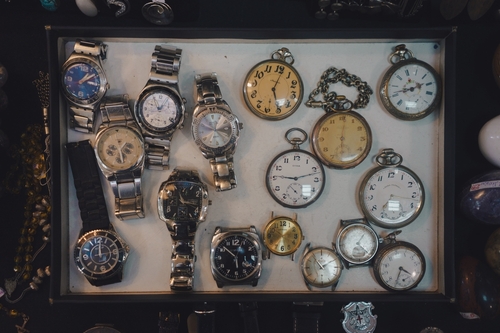
Estate buyers pay special attention to old watches, even nonworking ones. Brands like Rolex, Omega, and Longines hold value regardless of condition. Families often assume a stopped watch is worthless. That misconception benefits experienced buyers.
Watch value comes from brand, movement, and originality. Replacement parts can reduce value, while original dials increase it. Estate buyers recognize reference numbers and case materials quickly. Overlooked watches are prime acquisition targets.
6. Antique Rugs and Carpets

Handwoven rugs are a quiet favorite among estate buyers. Persian, Turkish, and Caucasian rugs often blend into the background. Many people assume worn rugs have no resale value. Buyers rely on that assumption.
Rug value depends on age, origin, and knot density. Even damaged rugs can be valuable for restoration or resale. Estate buyers know how to check backing and fringe construction. When rugs are ignored, buyers gain a portable, high-value item.
7. Sterling Silver Flatware and Serving Pieces
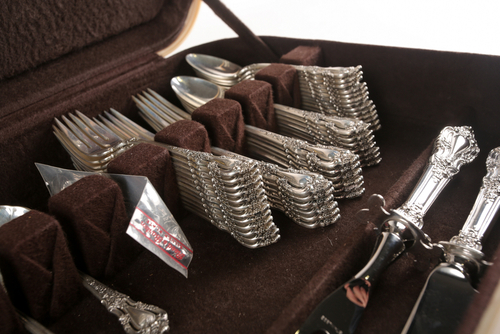
Estate buyers always check dining room cabinets. Sterling silver is often mistaken for silver-plated items. Families may not know how to identify hallmarks. That confusion works in the buyer’s favor.
Sterling value is tied to silver content and pattern desirability. Certain manufacturers and discontinued patterns are highly collectible. Estate buyers test pieces quickly using markings and magnets. Overlooked silver can represent thousands in value.
8. Military Memorabilia

Uniforms, medals, and paperwork are high-interest items. Estate buyers know collectors pay premiums for complete, documented sets. Families sometimes view these items as purely sentimental. Buyers hope they aren’t researched.
Value depends on authenticity, rank, and historical context. Original paperwork significantly increases worth. Estate buyers recognize insignia and period details. Ignoring military items often means losing documented history and money.
9. Vintage Cameras and Photography Equipment
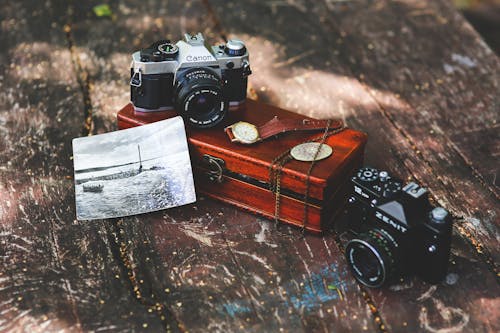
Old cameras are often dismissed as obsolete technology. Estate buyers know certain models are highly collectible. Brands like Leica, Hasselblad, and Rolleiflex are especially desirable. Non-photographers rarely recognize them.
Camera value depends on model, lens quality, and condition. Even broken cameras can be valuable for parts. Estate buyers check serial numbers and glass clarity. Overlooked cameras are easy wins for knowledgeable buyers.
10. Rare Coins and Currency
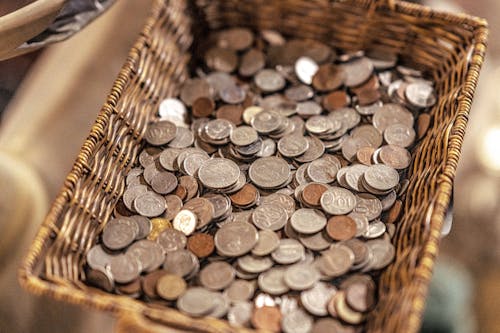
Coins tucked into drawers or jars are prime targets. Estate buyers know not all old coins are valuable, but some are extremely valuable. Families often focus on face value only. That’s exactly what buyers hope for.
Coin value depends on rarity, metal content, and condition. Mint marks and errors can dramatically change pricing. Estate buyers understand grading basics and key dates. Ignored coins can quietly leave estates undervalued.
11. Designer Clothing and Accessories
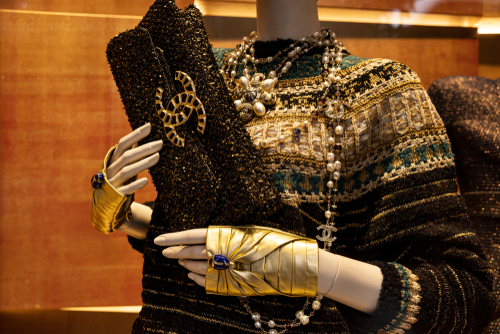
Estate buyers check closets carefully. Vintage designer pieces from brands like Chanel, Dior, or Hermès hold strong resale value. Families may assume older clothing has no market. Buyers count on that belief.
Labels, construction quality, and materials determine worth. Accessories like scarves and handbags are especially valuable. Estate buyers know how to authenticate stitching and logos. Overlooked fashion items are easy to resell.
12. Antique Tools and Hardware
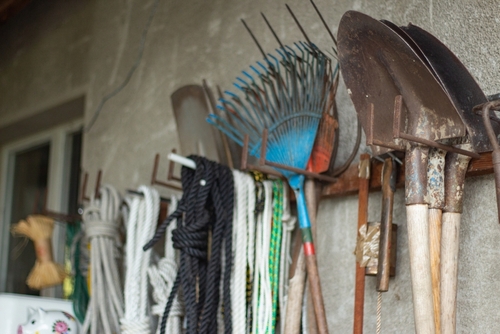
Old tools often look rusty and unremarkable. Estate buyers know certain brands and styles are collectible. Hand-forged or early manufactured tools attract niche buyers. Families frequently discard them.
Tool value depends on maker, age, and condition. Wooden planes, anvils, and early wrenches are especially sought after. Estate buyers recognize marks and manufacturing methods. Ignoring tools often means missing steady resale profits.
13. Vintage Toys and Games
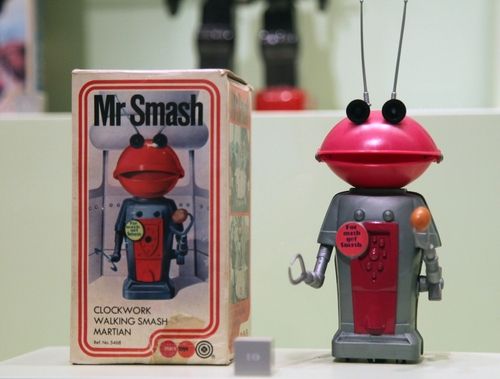
Estate buyers pay attention to attics and basements for this reason. Early action figures, board games, and tin toys can be extremely valuable. Families often assume used toys have no worth. Buyers hope no one checks.
Original boxes dramatically increase value. Brand names and production years matter more than play wear. Estate buyers know which franchises and eras perform well. Overlooked toys can outperform traditional collectibles.
14. Historical Documents and Ephemera
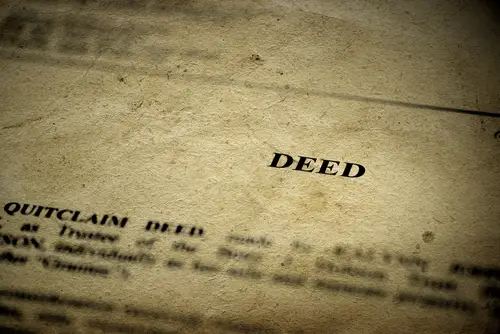
Letters, maps, photographs, and old paperwork are often dismissed as junk. Estate buyers know historians and collectors value these items. Personal documents tied to notable events are especially desirable. Families may throw them away.
Ephemera value comes from context and rarity. Even everyday documents can be valuable if they capture a specific time or place. Estate buyers scan for dates, signatures, and locations. Ignoring paperwork can erase both history and value.
This post 14 Items Estate Buyers Hope You Ignore was first published on Greenhouse Black.
