
1. Vintage watches
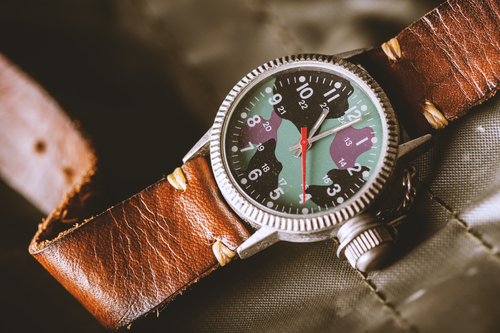
Mechanical watches were frequently replaced by quartz models and set aside. Brands like Omega, Rolex, and Longines made durable pieces that survived decades untouched. Older movements were hand-assembled and built to last. That craftsmanship became desirable again.
Watches kept in drawers avoided wear and modifications. Original parts, dials, and straps increase value significantly. Even non-luxury brands gained interest due to design trends. Forgetting them preserved authenticity.
2. First-edition books with original dust jackets
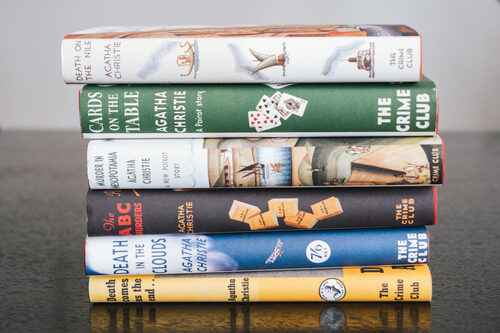
A lot of people kept old books but tossed the dust jackets because they felt flimsy and disposable. That turned out to be a costly mistake, because first editions with intact jackets are dramatically more valuable than bare books. For example, a first edition of The Great Gatsby is worth many times more with its original jacket. The value comes from scarcity, since jackets were easily damaged and rarely preserved.
Collectors prize these because the jacket represents how the book first entered the world. It captures original artwork, pricing, and publisher information that later editions changed or removed. Many sat forgotten on shelves for decades simply because no one thought paper covers mattered. Time proved otherwise.
3. Mid-century modern furniture
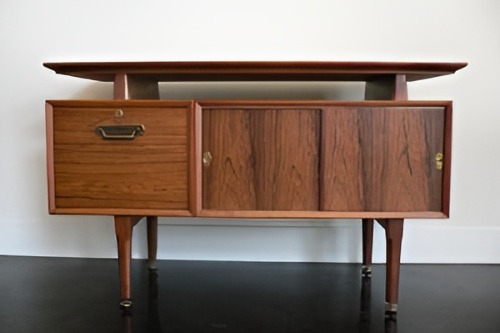
Furniture from the 1950s and 1960s was once considered outdated and unfashionable. Many pieces by designers like Eames or Broyhill Brasilia were shoved into basements or garages. The clean lines and solid construction later came back into style. What was forgotten became desirable again.
The value lies in craftsmanship and design philosophy that mass furniture later abandoned. Original finishes and hardware matter a lot to collectors. Pieces that weren’t refinished or altered are especially valuable. Forgetting them preserved their originality.
4. Cast iron cookware
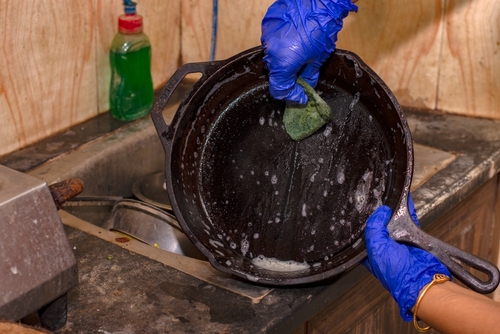
Cast iron pans were once common and often replaced with lighter nonstick cookware. Many ended up stored in cupboards, barns, or outdoor sheds. Older pans from makers like Griswold or Wagner were cast smoother than modern versions. That manufacturing difference drives their value today.
Collectors care about logos, heat rings, and production dates. A pan that was barely used stayed in better condition than one in daily rotation. Being forgotten prevented over-cleaning or grinding. Ironically, neglect helped preserve them.
5. Early video game cartridges and consoles
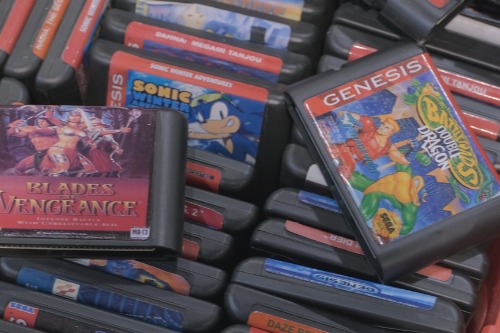
Old video games were frequently boxed up when new systems arrived. Many were stored without thought in attics or closets. Certain titles became rare due to limited production or poor original sales. Scarcity, not nostalgia alone, pushed prices upward.
Condition is everything, especially original boxes and manuals. Games like early Nintendo releases became valuable because kids usually discarded packaging. Forgotten copies survived intact. That accidental preservation is why they’re valuable now.
6. Vintage holiday decorations
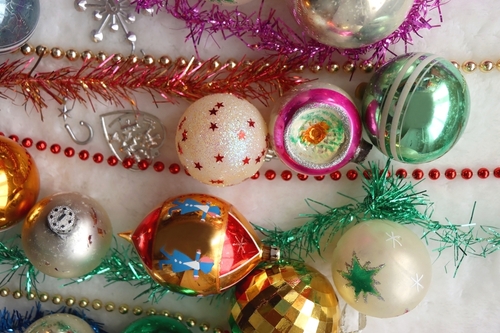
Glass ornaments and mid-century holiday décor were once seen as fragile clutter. Families often packed them away and forgot about them for decades. Hand-blown ornaments from Germany or early American manufacturers are now collectible. Their value comes from craftsmanship and survival rate.
Many were broken over the years, making intact examples scarce. Original boxes add even more value. People rediscover them during seasonal cleanouts. What once felt dated now feels charming and rare.
7. Old coins kept in jars or drawers
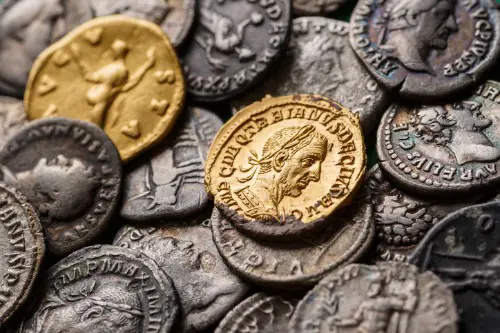
Loose change was often dumped into jars and ignored for years. Some of those coins turned out to be silver or rare mint errors. Coins minted before certain dates contain precious metals no longer used. Forgetting them kept them out of circulation.
Condition again plays a major role in value. Coins that weren’t handled stayed in better shape. Some varieties are valuable because of small design changes that went unnoticed at the time. Ordinary-looking change quietly became collectible.
8. Vintage Pyrex in discontinued patterns
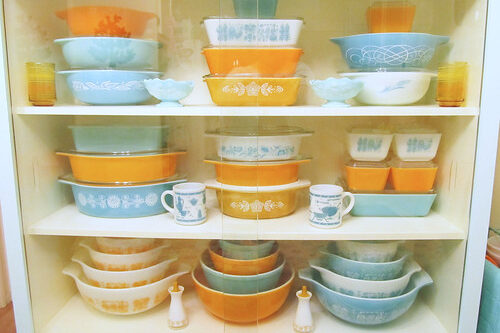
Old Pyrex bowls were everyday kitchen tools that people stored in cupboards and forgot about. Certain patterns like Gooseberry, Pink Daisy, and Butterprint were discontinued and quietly became collectible. The value comes from limited production runs combined with their fragility over time. Many sets survived only because they were tucked away and not used.
What makes them valuable is not just age but pattern rarity and condition. Scratches, fading, or chips lower the price significantly. People often rediscovered them while cleaning out relatives’ kitchens. Suddenly, a $5 mixing bowl turned out to be worth hundreds.
9. Original vinyl records
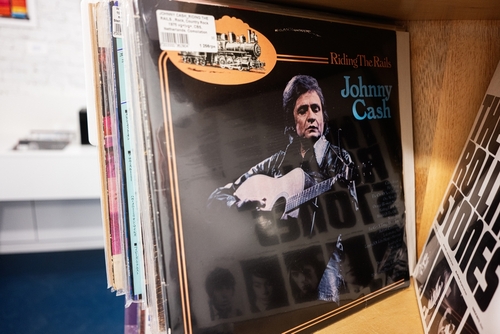
When CDs became popular, many people boxed up their records. First pressings of certain albums became rare because vinyl production declined. Some records had short initial runs or were pulled quickly. That scarcity drives high prices today.
Condition matters deeply, including the sleeve and liner notes. Records not repeatedly played stayed cleaner. Forgotten collections often yield the best finds. What was once bulky media became prized again.
10. Antique sewing machines

Old sewing machines were heavy and difficult to move, so they were often left behind. Brands like Singer produced ornate models meant to last generations. As sewing declined at home, these machines were sidelined. Their design and durability later became appealing.
Collectors look for specific models and intact decals. Machines that weren’t used avoided mechanical wear. Original accessories increase value. Forgetting them kept them complete.
11. Early home computers
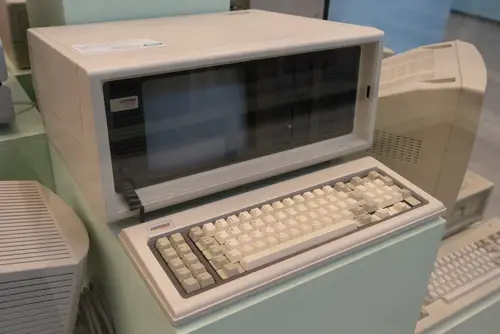
Early personal computers were quickly outdated and shoved into storage. Machines like the Apple II or Commodore 64 gained historical importance later. Many were discarded, making surviving units rarer. Forgotten ones escaped that fate.
Value depends on functionality and original components. Boxes, manuals, and peripherals add significantly. These machines represent the start of home computing. Time turned obsolete tech into artifacts.
12. Vintage cameras
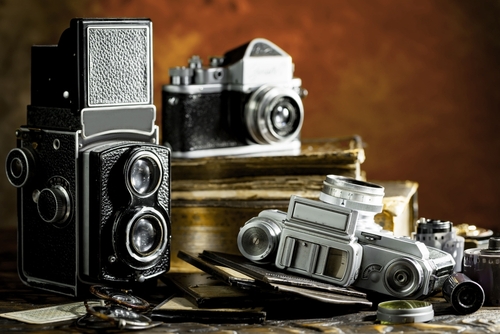
Film cameras were often replaced by digital models and set aside. Mechanical cameras from brands like Leica or Nikon were built for longevity. Certain models became iconic for their design and performance. Forgetting them preserved working condition.
Collectors value original lenses and serial numbers. Cameras stored properly avoided corrosion and damage. Even consumer models gained value due to renewed interest in film. Neglect worked in their favor.
13. Old board games with complete pieces
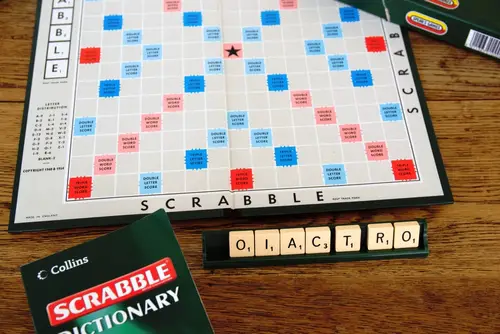
Board games were frequently stored once families stopped playing them. Some editions had unique artwork or short production runs. Complete sets are rare because pieces were easily lost. Forgotten games stayed intact.
Collectors seek specific publishers and versions. Boxes and rulebooks matter as much as the game itself. Games tied to pop culture moments gained extra value. Being untouched made them desirable.
14. Vintage advertising items
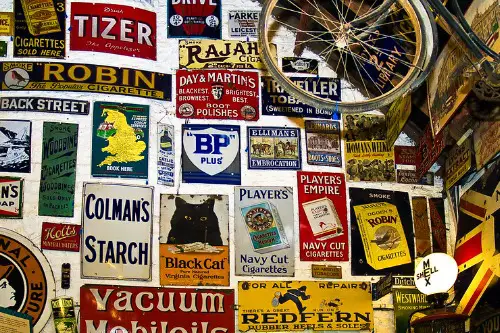
Everyday promotional items were rarely seen as valuable. Signs, tins, and branded household goods were often stored after use. Many were made from durable materials meant to last. Their survival makes them collectible.
Value depends on brand recognition and condition. Items tied to defunct companies are especially prized. Forgotten storage prevented damage and disposal. What was once marketing clutter became memorabilia.
15. Early paperback books and pulp magazines

Cheap paperbacks were meant to be read and discarded. Many ended up stored in boxes and forgotten. Certain genres and cover artists gained cult followings. Scarcity came from their disposable nature.
Condition is critical because the paper degrades easily. Copies that stayed untouched survived better than expected. Collectors value original covers and printings. Forgetting them kept fragile items intact.
This post 15 Objects That Became Valuable Simply by Being Forgotten was first published on Greenhouse Black.
