
1. The Surprise Tax Bill in Retirement

Many people assume retirement means lower taxes, but that isn’t always how it plays out. Withdrawals from traditional IRAs and 401(k)s are taxed as ordinary income. Up to 85% of Social Security benefits can also be taxable depending on total income. Stack those together, and your effective tax bill can surprise you.
This belongs on the list because taxes directly reduce the income you thought was safe. They can push retirees into higher brackets or trigger other costs tied to income. Planning withdrawal order and timing is often the difference between comfort and stress. Ignoring this early limits your options later.
2. Medicare Premiums That Rise With Income

Medicare is not free, and the premiums rise with income. Part B and Part D charge income-related surcharges known as IRMAA. Those surcharges are based on tax returns from two years prior. A one-time income spike can raise premiums for an entire year.
This matters because retirees often create income spikes without realizing it. Large Roth conversions, home sales, or RMDs commonly trigger higher premiums. The extra cost can be thousands per year for a couple. Once premiums increase, the cash flow impact is immediate.
3. Long-Term Care That Medicare Doesn’t Cover

Long-term care is one of the biggest financial wildcards in retirement. Medicare generally does not cover extended nursing home or assisted living stays. Most care is paid out of pocket unless you qualify for Medicaid or have insurance. Costs can easily run into the tens of thousands per year.
This is included because the risk is uneven but the impact is massive. Some retirees never need care, while others need it for many years. Family caregivers often face lost income and burnout alongside direct expenses. Planning for this changes how much flexibility you truly have.
4. Home Maintenance and Aging-in-Place Costs
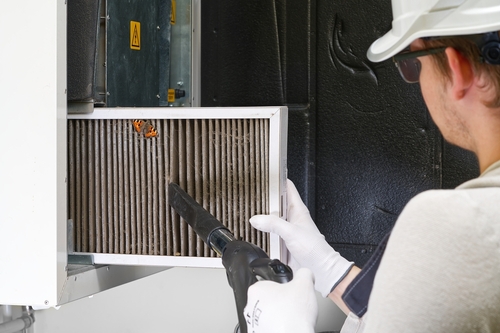
Owning a home doesn’t get cheaper just because the mortgage is paid off. Roofs, HVAC systems, and appliances still fail on their own schedules. Aging in place often requires modifications like ramps or bathroom upgrades. These costs tend to cluster rather than arrive neatly spaced out.
It’s here because housing is usually a retiree’s largest asset and expense. People budget for property taxes and insurance but forget capital repairs. Delaying maintenance often makes future fixes more expensive. This can quietly drain savings meant for later years.
5. Inflation on Everyday Essentials

Inflation hits retirees differently than workers. Spending skews toward healthcare, food, and utilities, which often rise faster. Even moderate inflation erodes purchasing power over a long retirement. Fixed incomes feel the squeeze first.
This belongs on the list because it’s slow and easy to underestimate. A two or three percent increase sounds small until it compounds for decades. Cutting back gets harder when expenses are non-negotiable. Ignoring inflation leads to overly optimistic projections.
6. Financial Help for Adult Children

Retirement doesn’t always end financial responsibility for family. Adult children may need help with housing, childcare, or emergencies. Economic downturns often push these requests onto retirees. These expenses are rarely planned for.
It’s included because the spending is emotional, not just financial. Many retirees say yes even when it strains their own security. Small, repeated help adds up faster than expected. This can derail carefully built budgets.
7. Dental, Vision, and Hearing Care

Original Medicare excludes routine dental, vision, and hearing care. Those needs tend to increase with age rather than decline. Hearing aids alone can cost thousands and need periodic replacement. Supplemental coverage often has limits.
This makes the list because the costs are predictable but overlooked. Skipping care can affect nutrition, safety, and quality of life. Out-of-pocket spending here is common and recurring. Planning for it avoids painful trade-offs later.
8. Required Minimum Distributions

RMDs force withdrawals from certain retirement accounts starting at a set age. The amount increases as you get older. These withdrawals are taxable whether you need the money or not. They can push income higher than planned.
This is included because RMDs interact with several other hidden costs. They can raise taxes, Medicare premiums, and even Social Security taxation. Poor planning turns a technical rule into a real cash drain. Understanding timing gives retirees more control.
9. Travel Insurance and Health Costs Abroad

Many retirees plan to travel more, not less. Health insurance often provides limited or no coverage outside the country. Travel medical insurance becomes more expensive with age. Preexisting conditions can limit coverage options.
It belongs here because travel budgets often ignore risk costs. Medical emergencies abroad can be financially devastating without coverage. Insurance premiums rise just as travel time increases. This turns a dream expense into a planning necessity.
10. The Risk of Living Longer Than Expected

People consistently underestimate how long retirement can last. Living into your 90s is no longer rare. Every extra year means another year of expenses and inflation. Savings have to stretch further than expected.
This is included because it underpins almost every other cost. Running out of money late in life is harder to fix. Conservative assumptions provide more margin for error. Longevity turns small miscalculations into big problems.
11. Ongoing Fees That Quietly Add Up

Investment and account fees don’t disappear in retirement. Advisory fees, fund expenses, and trading costs continue quietly. Even small percentages matter more when contributions stop. Withdrawals lock in the impact of poor net returns.
This makes the list because fees are controllable but often ignored. Over decades, they can cost hundreds of thousands of dollars. Regular reviews help ensure you’re paying for real value. Keeping more of your return extends the life of your savings.
12. Estate Planning Updates You Can’t Set and Forget

Many retirees assume estate planning is a one-time task completed before leaving work. Laws change, assets shift, and family situations evolve over time. Wills, trusts, and beneficiary designations often need periodic updates. Each revision usually comes with legal and administrative costs.
This belongs here because outdated plans can create expensive problems later. Fixing mistakes after incapacity or death is far more costly than routine updates. Even small changes like a new account or grandchild matter. Ignoring this can turn a manageable expense into a major one.
13. Rising Home and Auto Insurance Costs

Insurance premiums often increase with age, even without claims. Homes owned longer may cost more to insure due to replacement values. Auto insurance can rise as insurers reassess risk later in life. These increases often outpace general inflation.
This is included because insurance feels fixed but rarely stays that way. Retirees may be on tighter budgets when premiums jump. Shopping policies takes time and effort many don’t plan for. The added costs quietly reduce monthly flexibility.
14. The Cost of Relocating Later in Retirement

Many retirees eventually move closer to family or healthcare. Selling, buying, or renting later in life is expensive and stressful. Moving costs, real estate fees, and taxes add up quickly. Downsizing is not always the money saver people expect.
It belongs on this list because relocation is often unplanned. Health or family needs can force quick decisions. Market timing may work against you when options are limited. These one-time costs can hit harder late in retirement.
15. Technology and Staying Connected

Technology expenses don’t disappear after retirement. Phones, internet, devices, and subscriptions often increase with reliance. Replacing outdated equipment becomes more frequent over time. Support and security services may also be necessary.
This matters because tech is now essential, not optional. Staying connected supports healthcare, finances, and social life. Costs are recurring and easy to underestimate. Cutting back can mean losing access to important services.
16. Hobbies That Get More Expensive With Time

Retirement hobbies often start small but grow costly. Travel gear, lessons, memberships, and equipment add up. Physical limitations may require specialized or adaptive gear. What once was affordable can become a major budget line.
This is included because hobbies are tied to quality of life. Retirees rarely want to give them up entirely. Inflation and aging both push costs higher. Planning for enjoyment prevents guilt-driven overspending.
17. Caregiving for a Spouse or Partner

Many retirees eventually care for a spouse with health issues. Even without paid care, costs rise quickly. Medical supplies, home help, and reduced income all factor in. Emotional strain often masks the financial impact.
It belongs here because this cost is common but rarely planned. Couples often budget individually instead of as a unit. One partner’s illness can reshape the entire retirement plan. Ignoring this risk limits realistic preparation.
18. Fraud Protection and Financial Safeguards

Older adults are increasingly targeted by financial scams. Preventing fraud often requires paid monitoring or advisory services. Legal help may be needed if issues arise. Recovering losses is rarely easy or complete.
This makes the list because protection itself costs money. Peace of mind often comes with monthly fees. The financial damage from one incident can be severe. Prevention is cheaper than recovery, but still not free.
19. Taxes Passed on to Heirs

Retirement planning often focuses only on lifetime taxes. Some accounts create tax bills for beneficiaries later. Inherited IRAs and property can trigger unexpected liabilities. Poor planning shifts costs instead of reducing them.
This belongs here because legacy goals affect current decisions. Tax-efficient withdrawals can protect both retirees and heirs. Ignoring this leads to avoidable losses. Thoughtful planning usually requires professional help.
20. Mental Health and Emotional Well-Being Costs

Retirement can bring isolation, anxiety, or depression. Counseling, therapy, or support programs may be needed. These services are not always fully covered by insurance. Medications and ongoing care add to expenses.
This is included because emotional health affects everything else. Ignoring it often leads to higher costs later. Quality of life depends on more than finances alone. Budgeting for support reduces long-term strain.
21. Utilities and Energy Use at Home

Retirees spend more time at home than workers. Heating, cooling, water, and electricity usage often rise. Older homes may be less energy efficient. Utility increases rarely stay flat year to year.
It belongs on the list because these costs feel unavoidable. Small monthly increases compound over time. Fixed incomes make seasonal spikes harder to absorb. Planning for higher baseline usage avoids constant budget pressure.
This post The Costs of Retirement No One Mentions Until It’s Too Late was first published on Greenhouse Black.
