
1. Printer Ink Cartridges
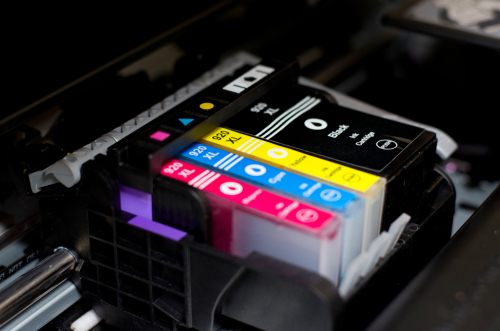
Printer ink cartridges look tiny and harmless on the shelf. The shock comes when you realize one costs nearly as much as the printer. Manufacturers design cartridges to fit specific models and chip systems. That compatibility locks you into higher prices.
Cheap third party ink can smear or dry out quickly. Official cartridges deliver consistent color and page yield. Those results matter for documents and photos. You pay for precision and reliability in a very small container.
2. Shower Curtain Liner
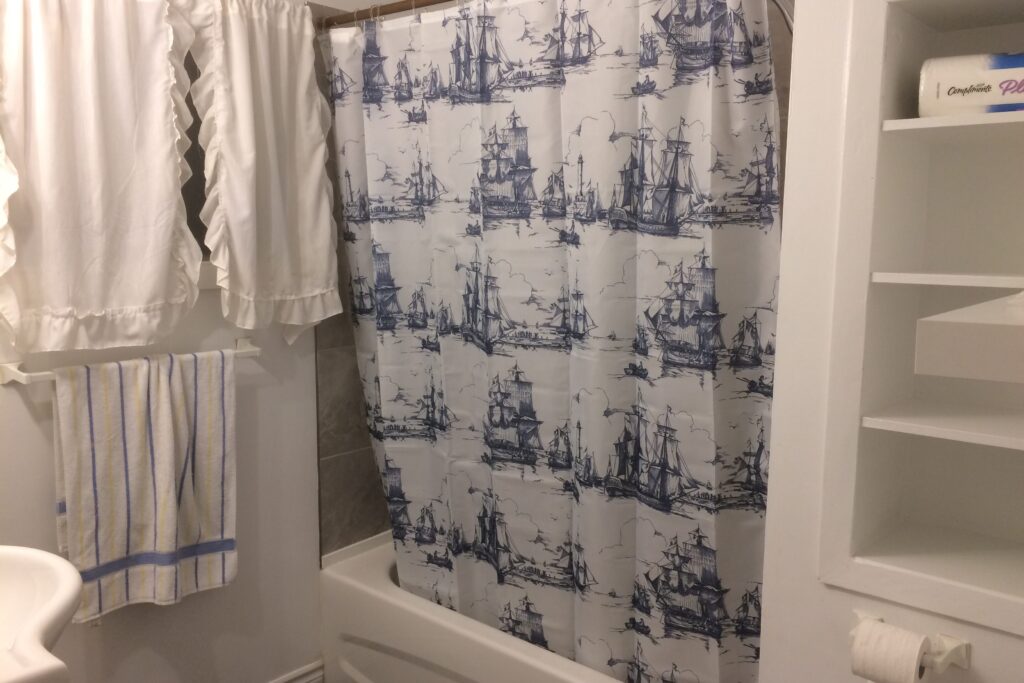
A shower curtain liner looks like a flimsy sheet of plastic that should cost pocket change. The moment it tears or grows mold, you realize replacing it means choosing between vinyl, PEVA, EVA, or fabric. Prices jump fast when you want one that resists mildew and doesn’t smell like chemicals. Suddenly the five dollar liner becomes a twenty dollar decision.
The cheap ones stick to your legs and crack at the grommets. Better liners use weighted hems, reinforced holes, and thicker material. Those features are what you pay for when you stand in the aisle comparing nearly identical sheets. It is a small object that quietly taxes you every few years.
3. Phone Charging Cable
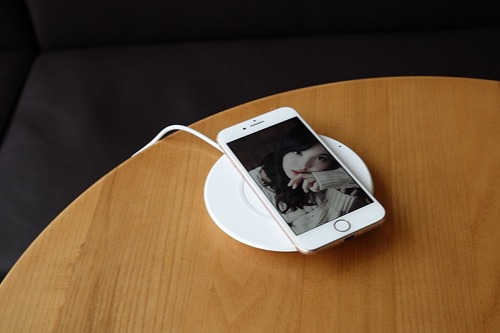
A phone charging cable feels disposable until it stops working overnight. Replacing it seems simple until you notice how many options exist for length, wattage, and connector type. Fast charging cables that actually deliver power cost far more than gas station cords. Compatibility with newer phones pushes the price higher again.
Cheap cables fray, overheat, or fail data transfer tests. Certified cables contain better shielding and proper resistors. That engineering is invisible but necessary to protect your device battery. You end up paying for safety and reliability, not plastic and wire.
4. Windshield Wiper Blades

Windshield wiper blades look like two strips of rubber on metal arms. When they streak or chatter, you expect an easy swap. Replacement costs climb with beam style designs and vehicle specific fittings. Suddenly a rainy day turns into a thirty dollar purchase.
Cheaper blades wear down fast and squeak against the glass. Premium ones use better rubber compounds and aerodynamic frames. Those features matter at highway speeds and in freezing weather. You pay for clear visibility and safer driving, not appearance.
5. Light Bulbs
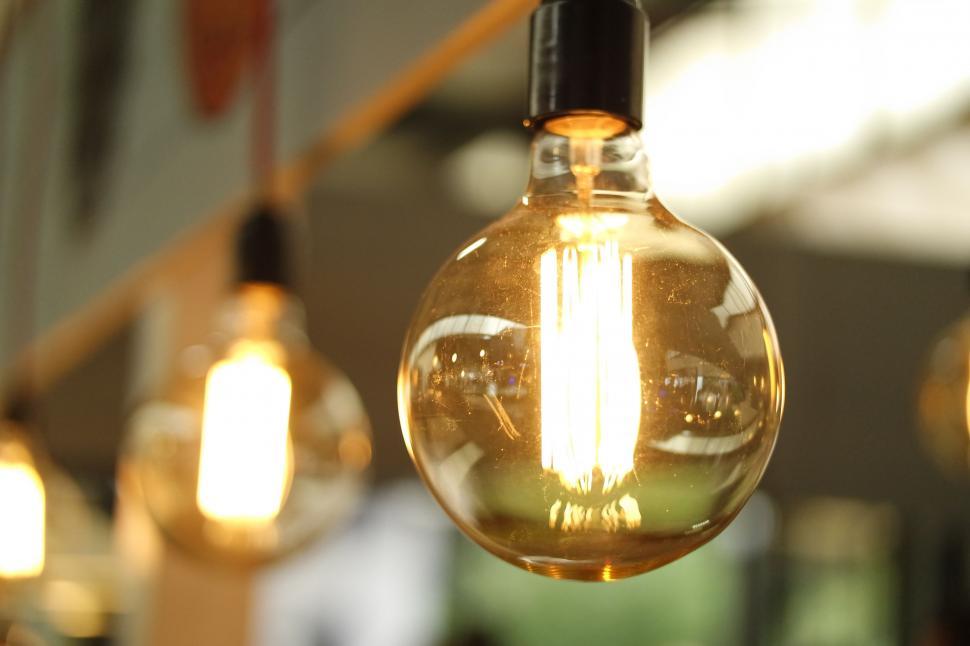
A light bulb feels like the definition of a cheap household item. Once it burns out, replacing it means choosing between incandescent, LED, and specialty shapes. Energy efficient LEDs cost more upfront than people expect. The price jumps again for dimmable or color temperature specific bulbs.
Cheap bulbs flicker, hum, or burn out early. Higher quality bulbs last longer and use less electricity over time. That longevity is what raises the sticker price. It is a small swap that quietly affects your utility bill.
6. Mattress Topper

A mattress topper sounds like a simple slab of foam. Replacing one means deciding between memory foam, latex, or fiber fill. Thickness and density dramatically affect comfort and price. Costs rise fast if you want real pressure relief.
Cheap toppers flatten out within months. Higher quality ones maintain support and shape. That durability requires better materials and manufacturing. Sleep quality is the hidden reason these add up.
7. Kitchen Trash Bags
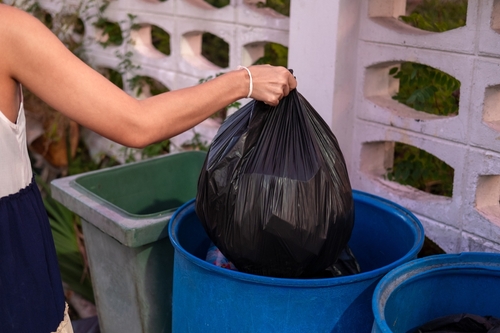
Kitchen trash bags seem like something you buy without thinking. When they tear or leak, replacing them becomes urgent. Thicker bags with odor control cost noticeably more. The difference shows up at checkout.
Cheap bags split at the seams or puncture easily. Better ones use layered plastic and reinforced drawstrings. Those features prevent messes and double bagging. You are paying to avoid cleaning up garbage juice.
8. Area Rugs

An area rug can look like a decorative afterthought. Replacing one reveals big price gaps based on material and weave. Natural fibers like wool cost far more than synthetics. Size alone can double or triple the price.
Cheap rugs shed, curl, or slide around. Well made rugs use tighter construction and heavier backing. Those details improve durability and safety. The cost reflects how long the rug survives foot traffic.
9. Door Handles
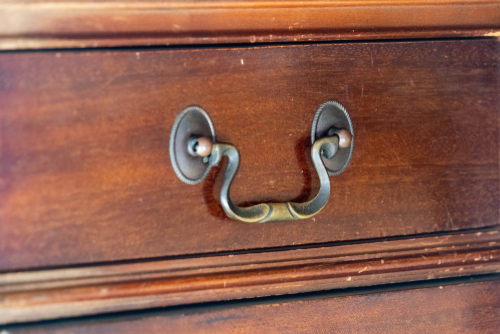
A door handle looks like a basic piece of hardware. Replacing one means matching finish, latch size, and door thickness. Quality handles with solid metal parts cost more than hollow ones. Prices climb quickly for keyed or smart versions.
Cheap handles loosen or fail over time. Better ones use stronger springs and internal mechanisms. That construction affects security and daily use. You pay for reliability every time the door closes.
10. Eyeglass Frames
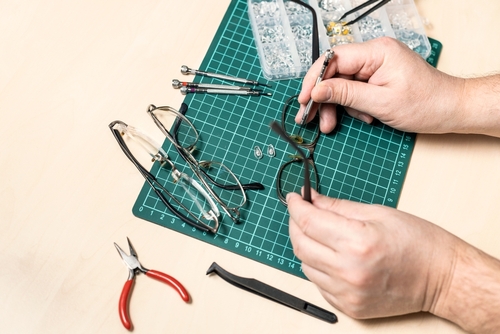
Eyeglass frames look lightweight and simple. When they break, replacing them involves fit, lens size, and material. Durable frames use acetate, titanium, or stainless steel. Those materials increase cost fast.
Cheap frames snap at stress points. Better frames flex and hold alignment. That matters for comfort and vision accuracy. You are really paying for daily wear tolerance.
11. Office Chair Casters

Office chair wheels seem like tiny plastic parts. When one cracks, replacing them means buying a full set. High quality casters are designed for specific floor types. That specialization raises the price.
Cheap casters grind, squeak, or damage floors. Better ones roll smoothly and support more weight. They use stronger bearings and materials. The cost hides in comfort and floor protection.
12. Car Floor Mats

Car floor mats look like thin pieces of rubber or carpet. Replacing them involves vehicle specific sizing. All weather mats molded for a model cost far more. Coverage and raised edges add to the price.
Cheap mats slide and trap dirt underneath. Better mats stay in place and contain spills. That protection preserves the car interior. You pay to prevent long term wear.
13. Power Strips
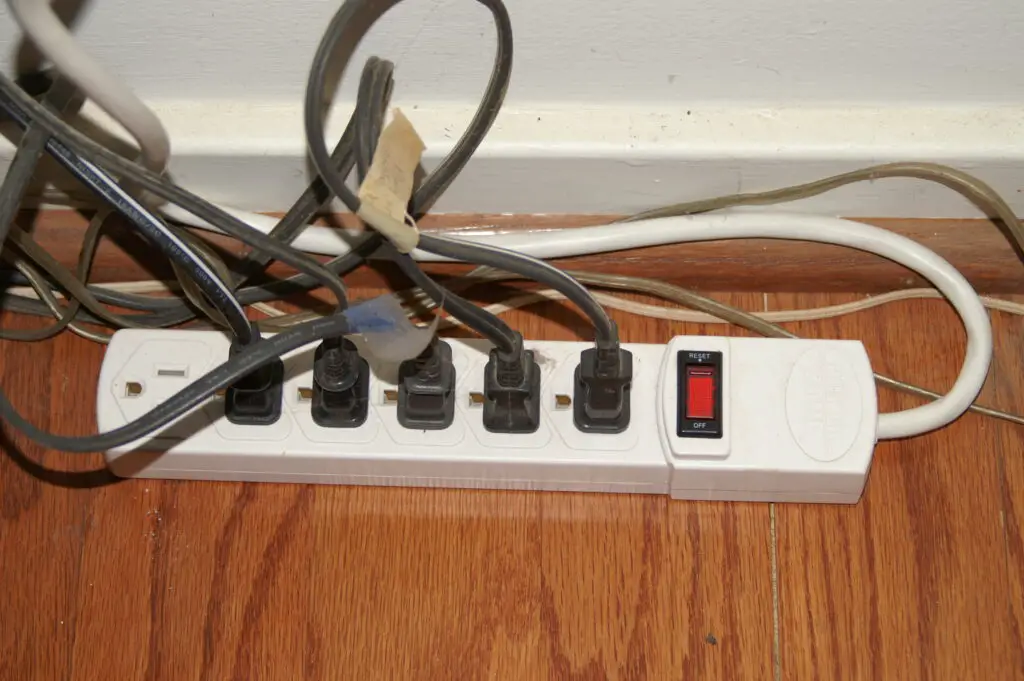
A power strip feels like a throwaway electronics accessory. Replacing one reveals differences in surge protection ratings. Models with real surge suppression cost more. Extra spacing and USB ports raise the price again.
Cheap strips offer minimal protection. Better ones include internal breakers and higher joule ratings. Those features protect expensive devices. The price reflects risk reduction more than plastic.
14. Baking Sheets

A baking sheet looks like a flat piece of metal. Replacing one means choosing thickness, coating, and material. Warp resistant sheets use heavier gauge aluminum or steel. That quality costs more than expected.
Cheap sheets warp and burn food unevenly. Better ones heat evenly and last for years. Those results depend on construction. You pay for consistent cooking, not shine.
This post 14 Objects That Look Cheap Until You Try to Replace Them was first published on Greenhouse Black.
