
1. Boise, Idaho
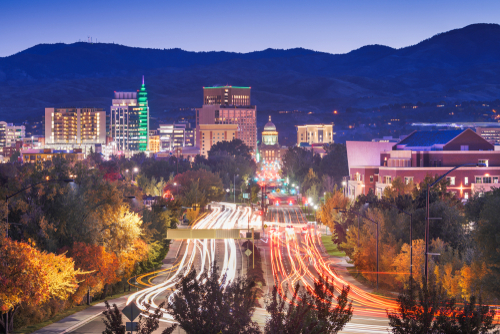
Boise has drawn newcomers seeking political autonomy, affordability, and outdoor access. It promises a slower pace and fewer constraints than larger cities. What many encounter instead is a housing market that’s tightened quickly due to rapid in-migration. Wages haven’t always kept up, creating financial pressure.
Socially, Boise can feel insular if you didn’t grow up there. Cultural offerings are improving, but they remain limited compared to larger metros. State politics are more rigid than some transplants expect. That combination can make people feel like they traded one set of limits for another.
2. Austin, Texas

People arrive in Austin chasing no state income tax, a laid-back vibe, and the idea that Texas equals personal freedom. What surprises them is how quickly the city can feel small once traffic, soaring home prices, and intense summer heat set in. Many newcomers find that living without a car is nearly impossible, which quietly limits mobility. The cultural scene is lively, but it often revolves around the same neighborhoods and the same crowded venues.
There’s also the adjustment to Texas laws and infrastructure, which don’t always match the libertarian image people imagine. Property taxes can be high, even without income tax, and they catch new homeowners off guard. Political polarization is sharper than many expect, especially compared to Austin’s reputation as a bubble. Over time, some residents feel boxed in by geography, climate, and a rapidly narrowing version of the “weird” city they moved for.
3. Miami, Florida
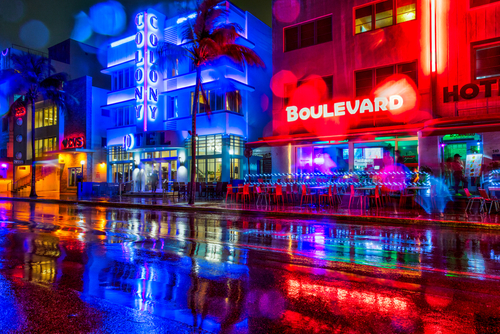
Miami sells itself as a place where rules feel optional and life feels vivid, sunny, and fast. Newcomers love the lack of state income tax and the sense that you can reinvent yourself overnight. What feels trapping later is the cost of living combined with low wages in many industries. Add relentless traffic and limited public transit, and everyday life starts to feel constrained.
The climate also plays a bigger role than expected. Hurricane season, flooding concerns, and year-round humidity can make planning feel anxious rather than free. Social life often revolves around money, image, or specific scenes, which can feel exclusionary over time. Many people realize that leaving the city, even for a weekend, is harder than it looks.
4. Denver, Colorado

Denver attracts people who want wide-open nature paired with a modern, progressive city. The idea is freedom through outdoor access, career mobility, and a healthy lifestyle. What sneaks up on newcomers is how expensive housing has become relative to local salaries. Traffic into the mountains can turn a “quick escape” into an all-day ordeal.
The city’s growth has also changed its social dynamics. Longtime residents and newcomers don’t always mix easily, creating subtle social silos. Winter weather and altitude can limit who feels comfortable long-term. Eventually, some people feel pinned between high costs and the pressure to constantly “use” Colorado correctly.
5. Nashville, Tennessee
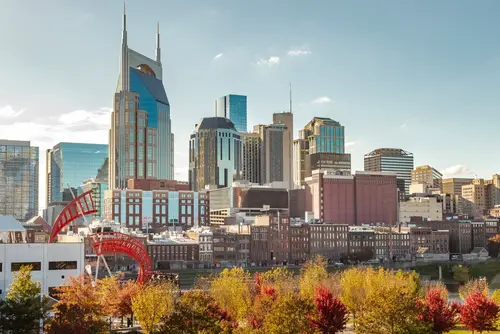
Nashville draws people with its music legacy, low taxes, and promise of Southern friendliness. Many arrive expecting an easygoing city where creativity thrives without heavy regulation. What they often find is rapid development that’s outpaced infrastructure and affordability. Traffic congestion and limited transit make daily routines feel surprisingly rigid.
Culturally, the city can feel narrower than expected once the novelty wears off. Certain industries dominate social life, which can make outsiders feel stuck on the margins. State-level politics also surprise some newcomers who assumed a more moderate environment. Over time, the sense of freedom can give way to a feeling of being hemmed in by growth and governance.
6. Phoenix, Arizona

Phoenix appeals to people who want space, sunshine, and fewer perceived rules. The wide roads and endless suburbs initially feel liberating. What becomes limiting is the near-total dependence on cars for everything. During extreme heat, which lasts much of the year, outdoor freedom becomes theoretical.
Water scarcity and long-term sustainability concerns also weigh on residents. Summers can feel isolating, pushing people indoors and shrinking social life. Neighborhoods often feel disconnected from one another, both physically and culturally. The result is a city that looks open on a map but can feel confining day to day.
7. Las Vegas, Nevada
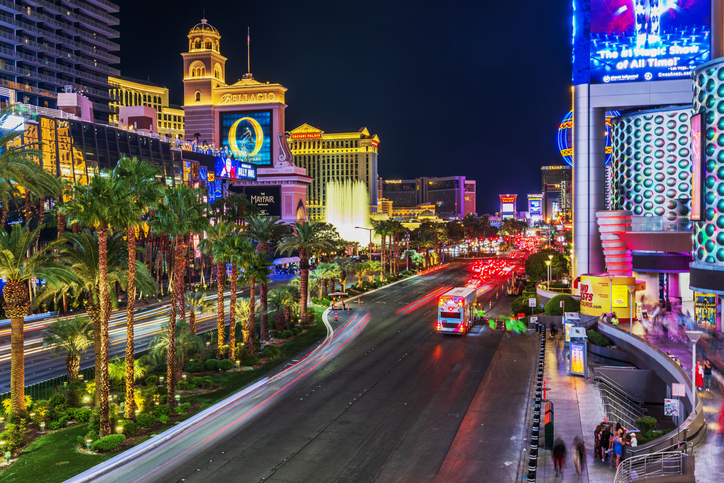
Las Vegas markets itself as a place where you can live however you want, at any hour. There’s no state income tax, and the city runs on indulgence and reinvention. What surprises residents is how transient and isolating everyday life can feel off the Strip. Neighborhoods are spread out, and community ties can be thin.
The desert environment also imposes its own constraints. Extreme heat shapes schedules, routines, and even mental health. Work hours in hospitality can be grueling and inflexible. Over time, the city’s nonstop image can feel like a narrow lane you’re stuck driving in.
8. San Diego, California
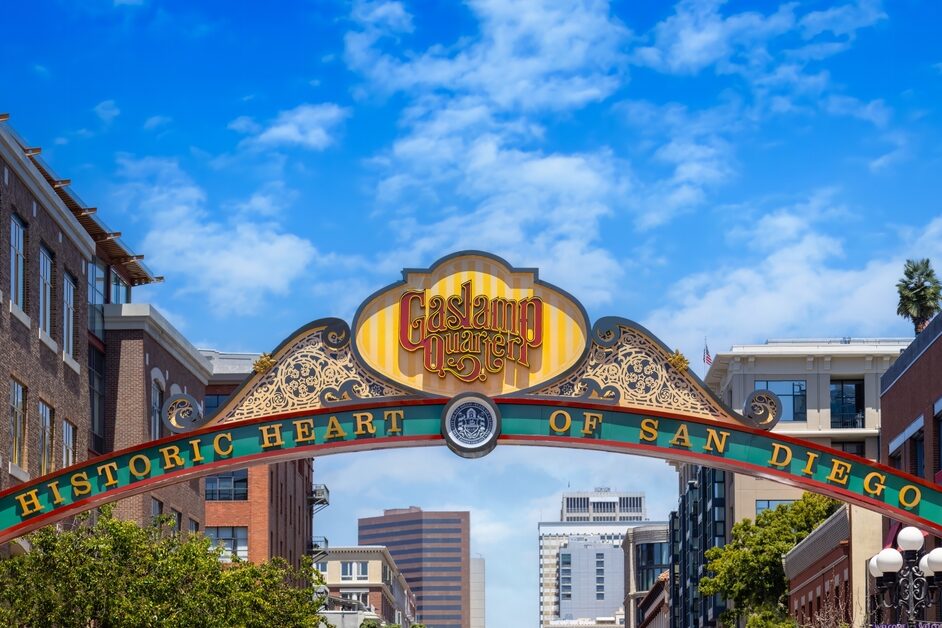
San Diego promises freedom through perfect weather, beaches, and a relaxed coastal lifestyle. Many people move there thinking the sunshine will fix everything. The reality is one of the highest costs of living in the country, especially for housing. Financial stress can quietly cancel out the emotional benefits of the setting.
Geography adds another layer of limitation. Crossing the city can take a long time, and neighborhoods feel socially segmented. California regulations and taxes surprise those who moved specifically to escape them. Some residents realize they love visiting San Diego more than living there.
9. Seattle, Washington
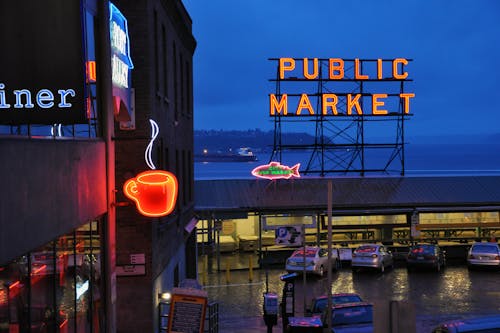
Seattle attracts people who value progressive politics, no state income tax, and creative industries. It feels like a place where you can live on your own terms. Over time, the high cost of housing and everyday goods becomes a major constraint. Many people find themselves working more just to stay afloat.
The climate also shapes daily life in subtle ways. Long, gray winters can feel mentally confining, especially for newcomers. Social circles can be hard to break into, reinforcing isolation. Eventually, the city’s promise of freedom can feel offset by emotional and financial weight.
10. Portland, Oregon
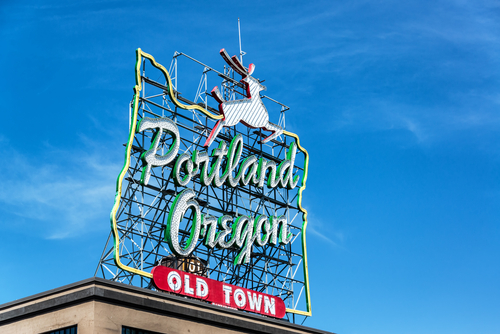
Portland has long been a magnet for people escaping conventional lifestyles. It sells freedom through self-expression, alternative living, and community values. What’s changed is how difficult it’s become to live cheaply or easily there. Housing shortages and rising costs have narrowed options.
Ongoing civic challenges also affect daily life. Public services and infrastructure struggles are more visible than many newcomers expect. The city’s strong identity can feel prescriptive rather than open. Some residents feel trapped by a place that once promised endless possibility.
11. Asheville, North Carolina
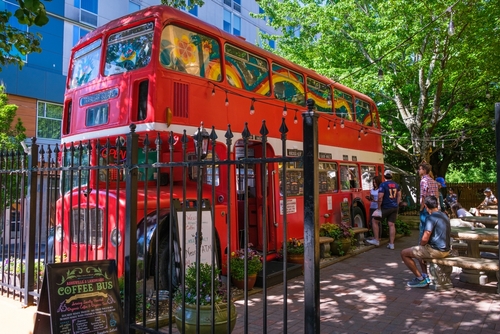
Asheville draws people seeking artistic freedom and mountain living. It feels like a small city where you can be yourself without judgment. What surprises many is how expensive housing has become relative to local job opportunities. Tourism-driven economics can limit career paths.
The city’s size also plays a role. Social circles overlap quickly, which can feel claustrophobic over time. Leaving town regularly requires long drives through winding roads. What first felt intimate can eventually feel inescapable.
12. Bozeman, Montana
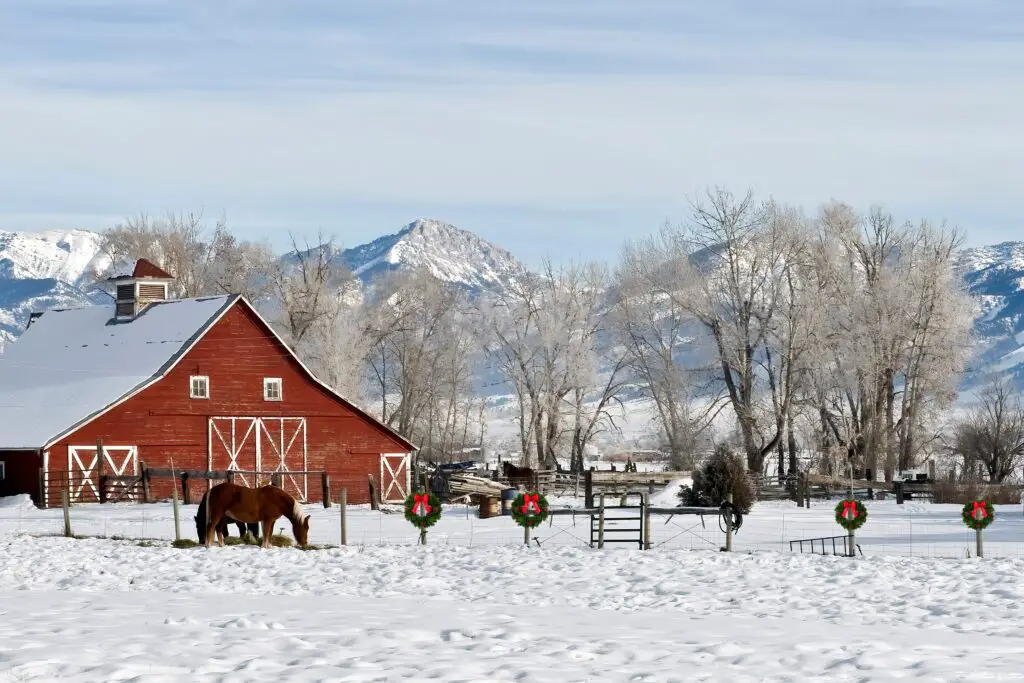
Bozeman attracts people chasing wide-open spaces and personal independence. The surrounding nature makes it feel like the ultimate freedom destination. What newcomers often don’t anticipate is how quickly the town has become expensive and crowded. Housing scarcity is a serious issue.
Winters also impose real limits. Long, cold seasons can restrict movement and social life. Employment options outside certain sectors are limited. Many residents feel caught between loving the landscape and struggling with the realities of staying.
13. Jackson, Wyoming
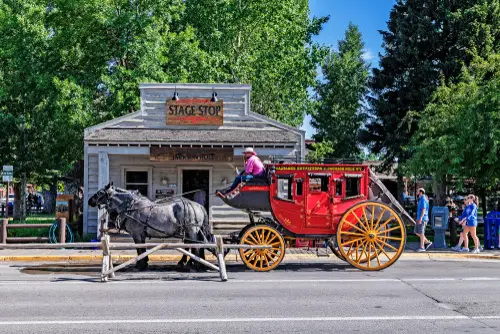
Jackson represents a fantasy of rugged individualism and low taxes. People move there expecting unmatched access to nature and minimal government interference. What they find is an extremely expensive housing market with limited options. Many workers commute long distances because they can’t afford to live nearby.
The town’s small size amplifies its constraints. Social life can feel closed-off and seasonal. Services and amenities are limited compared to cities. The isolation that once felt freeing can start to feel heavy.
14. Honolulu, Hawaii
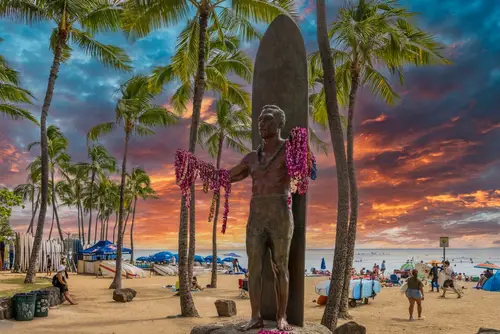
Honolulu draws people dreaming of freedom through island life and natural beauty. The setting feels like an escape from mainland pressures. What quickly becomes apparent is the very high cost of living, especially for housing and food. Wages often don’t match expenses.
Geographic isolation adds another layer. Traveling off-island is expensive and time-consuming. Space is limited, and crowding is a daily reality. Some residents realize the ocean that once symbolized freedom now defines their boundaries.
15. New Orleans, Louisiana
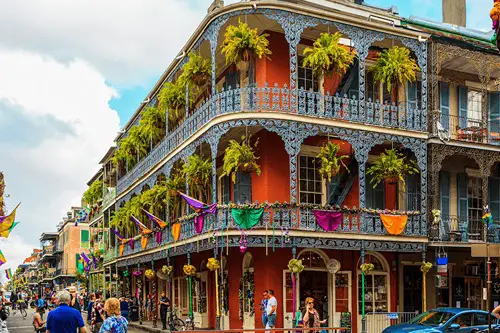
New Orleans attracts people seeking cultural freedom and a city that lives by its own rules. The music, food, and social openness feel intoxicating at first. What challenges residents over time are infrastructure issues and limited economic mobility. Everyday systems can feel unreliable.
Environmental risk is also part of the picture. Flooding, hurricanes, and insurance costs create ongoing stress. The city’s intensity can be emotionally demanding. For some, the freedom they came for starts to feel like a lack of support instead.
This post 15 Places People Move for Freedom — Then Feel Strangely Trapped was first published on Greenhouse Black.
