
1. Storage that matches daily habits

Calm homes tend to work with routines instead of against them. When storage is inconvenient, items pile up in visible areas. That visibility increases the sense of disorder. Storage placed where things are actually used prevents this cycle.
This matters because friction adds up emotionally over time. Hooks by the door or drawers near work zones reduce effort. Less effort means fewer abandoned objects. When systems align with habits, the space stays calmer with less work.
2. Visual clutter versus meaningful objects

Clutter is not just about mess, it is about the amount of visual information your brain has to process. Every exposed item competes for attention, even if you are not consciously aware of it. When surfaces are crowded, the eye has nowhere to rest, which can create low-level stress. Calm homes tend to limit what is visible to items that are either useful or personally meaningful.
This is included because reducing visual noise is one of the most reliable ways to change how a space feels. It does not require minimalism, only intention. Closed storage, trays, and editing what stays out can dramatically lower the mental load of a room. When your eyes encounter fewer decisions, your body often follows by relaxing.
3. Sound control and background noise

Homes are rarely silent, but the type of sound matters a lot. Hard surfaces reflect noise, making everyday sounds sharper and more fatiguing. Soft materials absorb sound waves, which reduces echo and perceived loudness. This affects how safe and settled a space feels, especially over long periods of time.
Sound control belongs on this list because chronic noise is linked to increased stress and distraction. Rugs, curtains, upholstered furniture, and even books help dampen sound naturally. White noise or steady background sounds can also mask sudden disruptions. When a home sounds softer, people often notice they breathe more slowly.
4. Color palette consistency

Color has a measurable impact on mood, attention, and perception of space. High-contrast or highly saturated colors everywhere can keep the brain in a stimulated state. A limited, cohesive palette allows rooms to feel predictable and easier to read. This does not mean neutral only, but it does mean fewer competing hues at once.
This choice matters because visual harmony reduces the need for constant adjustment. When colors relate to each other, the eye moves smoothly instead of jumping. That smoothness is often interpreted as calm. Homes that feel chaotic often use many colors without a unifying undertone.
5. Furniture layout and circulation
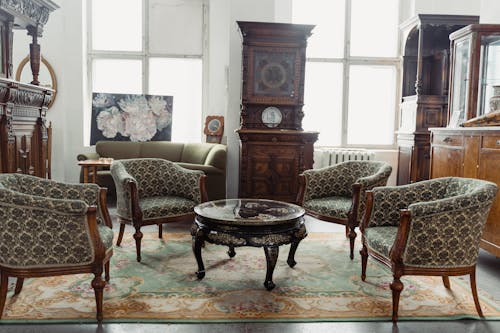
How furniture is arranged affects how your body moves through a space. Tight pathways and blocked sightlines can create subconscious tension. Layouts that allow easy circulation signal safety and ease. This is especially noticeable in shared areas like living rooms and kitchens.
Furniture layout earns a spot here because physical ease supports mental calm. Clear walkways reduce micro-frustrations throughout the day. Being able to see exits and key areas also increases a sense of control. When movement feels natural, the space feels welcoming rather than restrictive.
6. Texture and tactile comfort
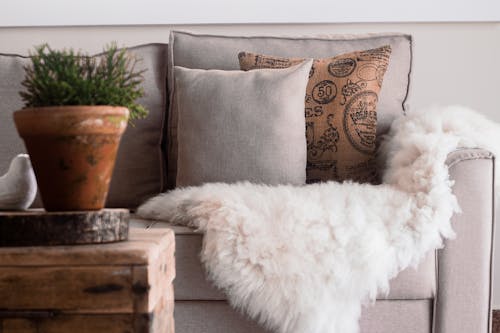
Calm is not only visual, it is physical. Textures like soft throws, natural fibers, and cushioned seating affect how the body feels at rest. Rough, cold, or sticky surfaces can subtly increase discomfort. Comfortable textures invite lingering, which supports relaxation.
This is included because touch is a powerful but often overlooked sense in the home. Materials like wool, cotton, linen, and wood tend to feel grounding. They also regulate temperature and moisture better than many synthetics. When your body feels comfortable, your mind has less to guard against.
7. Scent and air quality
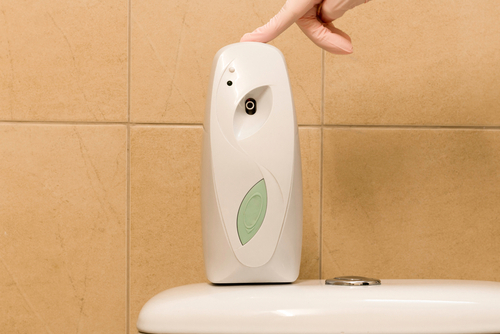
Smell is closely tied to memory and emotion. Stale air or strong artificial fragrances can be overstimulating or unpleasant. Good ventilation and mild, natural scents are generally easier to live with. Clean air often goes unnoticed, which is part of why it feels calm.
Scent makes this list because it can change a mood faster than visuals. Regular airing out, houseplants, and avoiding heavy chemical cleaners all help. If fragrance is used, lighter concentrations reduce sensory overload. A home that smells neutral or gently familiar tends to feel safer.
8. Relationship to technology

Screens bring convenience, but they also bring constant alerts and light. Bright displays and notifications can keep the brain in a reactive state. When screens dominate a room, rest becomes harder. This is especially true in bedrooms and living areas meant for downtime.
Technology choices matter here because attention is a limited resource. Charging stations outside the bedroom and muted notifications reduce interruptions. Hiding cables and equipment also lowers visual clutter. When technology is intentional, the home feels more restful.
9. Natural elements and daylight
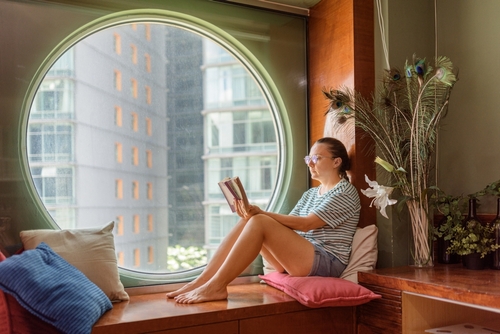
Humans tend to respond positively to elements found in nature. Daylight helps regulate sleep-wake cycles and mood. Plants add organic shapes and can improve perceived air freshness. Even small natural touches can soften an interior.
This is included because connection to nature supports psychological well-being. Keeping windows unobstructed maximizes available daylight. Plants also introduce gentle variation without visual chaos. Spaces with natural cues often feel more alive and less tense.
10. Lighting temperature and placement

Light is one of the fastest ways a room tells your nervous system how to feel. Cool, blue-heavy bulbs and harsh overhead fixtures tend to signal daytime alertness, not rest. Warm bulbs in the 2700–3000K range are closer to firelight and evening light, which most people experience as softer. Placement matters too, because light coming from eye level or below feels gentler than a single bright source above you.
This is why lamps, sconces, and dimmers are included here and not just as décor. Multiple small light sources reduce glare and shadows that can subtly increase tension. Dimmers let you match light levels to time of day, which supports natural circadian rhythms. When lighting is adjustable and warm, the room feels cooperative instead of demanding.
11. Personal control and choice

A calm home often reflects the people who live in it. Being surrounded by imposed styles or rules can feel restrictive. Personal choice increases a sense of ownership and comfort. This includes the ability to change things over time.
This belongs on the list because control is strongly linked to reduced stress. Even small choices, like rearranging or swapping artwork, matter. A home that adapts with you feels supportive. When you feel at ease making changes, calm tends to follow.
This post The Choices That Make a Home Feel Calm — or Not was first published on Greenhouse Black.
