
1. Your Entryway
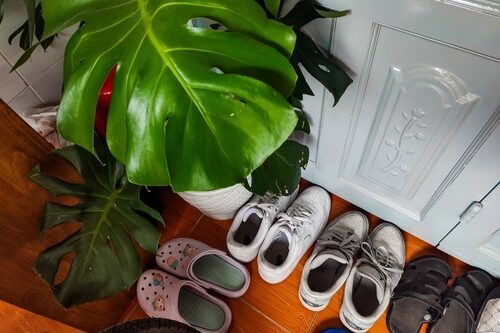
The entryway is the first pause point in a home, and people clock it instantly. A clear, functional entry suggests you plan ahead and value smooth transitions. Hooks, a tray, or a bench signal that shoes, keys, and bags have a system. That system reads as respect for both your own time and your guests’ comfort.
A crowded or chaotic entryway doesn’t mean you’re messy, but it often signals overload. When items pile up here, it usually reflects how many roles you’re juggling day to day. Visitors subconsciously read this as a life that moves fast and spills over. The reason this matters is simple: first impressions anchor everything that follows.
2. Your Lighting Choices
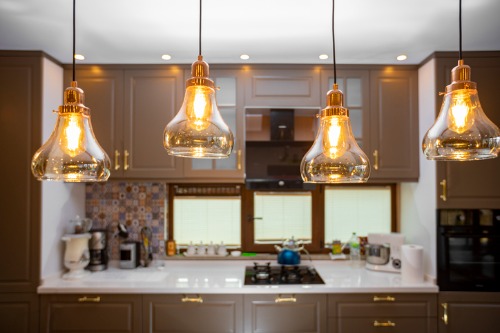
Lighting shapes mood more than almost any other design choice. Warm, layered lighting suggests you prioritize comfort and emotional ease. Multiple light sources show you understand how spaces are actually used at different times. This reads as thoughtfulness rather than decoration for decoration’s sake.
Harsh overhead lighting everywhere can feel purely functional. That often signals efficiency, practicality, or a focus on tasks over ambiance. Neither approach is right or wrong, but people notice the intention behind it. Lighting gets included because humans biologically respond to brightness and warmth.
3. How Your Seating Is Arranged
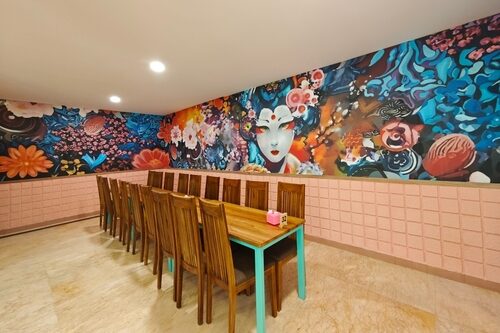
Furniture placement quietly tells people how you expect them to behave. Chairs angled toward each other invite conversation without a word. A sofa facing only a TV signals that entertainment is the main event. These cues are processed instantly and usually unconsciously.
If seating feels flexible, guests read you as socially attuned and adaptable. If it feels fixed and formal, they may assume structure matters to you. This is included because humans look for social permission in unfamiliar spaces. Your layout provides that permission before you ever speak.
4. What’s on Your Bookshelves

Bookshelves act like a visual resume, even when you don’t mean them to. The mix of genres, formats, and subjects shows how you spend quiet time. Unread spines aren’t a failure; they often signal curiosity and aspiration. People notice patterns here very quickly.
A shelf with only decorative objects sends a different message than one with worn paperbacks. It can suggest whether knowledge is lived-in or purely aesthetic for you. This is fact-checkable because humans reliably infer traits from visible possessions. Books are especially powerful because they’re tied to identity and values.
5. Your Kitchen Counters
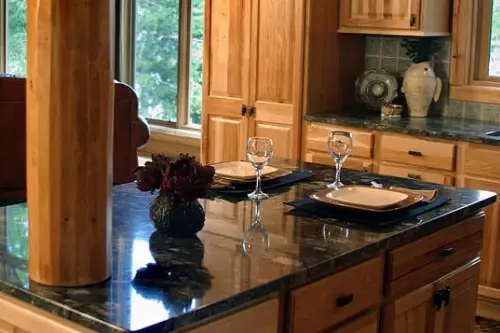
Counters reveal how your home functions day to day. Clear surfaces suggest routines and regular resets. Appliances left out imply frequent use rather than neglect. People read this as honesty about how you actually live.
A counter covered in tools can signal enthusiasm for cooking. It can also suggest time constraints that favor convenience. This matters because kitchens are associated with care and nourishment. Visitors instinctively scan them for signs of daily life.
6. The State of Your Bathroom

Bathrooms trigger strong judgments because they relate to hygiene and trust. A clean, stocked bathroom signals consideration for others. Fresh towels and soap show you anticipate guests’ needs. This reads as reliability more than perfection.
Personal items left out can suggest openness or a busy schedule. People notice whether things feel neglected versus merely lived-in. This entry is included because bathroom cues are nearly universal. Across cultures, they strongly influence comfort levels.
7. The Art You Display
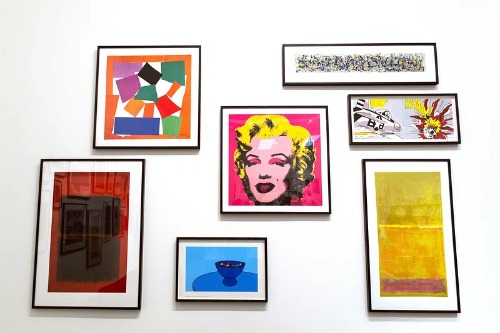
Art choices hint at what moves you emotionally. Original pieces, prints, or photos each communicate different priorities. Personal photos suggest attachment and memory. Abstract or conceptual art can signal comfort with ambiguity.
People often assume art reflects taste rather than trend-following. That assumption isn’t always fair, but it’s common. This is why art is a reliable conversational signal. It invites interpretation even when no explanation is given.
8. Your Relationship With Plants

Plants are read as evidence of patience and care. Healthy plants suggest attention over time. Even faux plants can signal a desire for calm or nature. People rarely miss them when entering a room.
Neglected plants can suggest changing priorities rather than indifference. Viewers often map plant health onto lifestyle rhythms. This belongs on the list because greenery affects mood measurably. Humans evolved to respond positively to it.
9. Your Home Office Setup

A dedicated workspace signals boundaries between work and rest. An improvised setup suggests flexibility or limited space. Organization levels hint at how you manage focus. People especially notice this in work-from-home cultures.
Visible tools imply what kind of work you do. That shapes assumptions about your daily cognitive load. This entry matters because environments influence productivity. Visitors intuitively connect space design with habits.
10. Your Bedroom Bedding
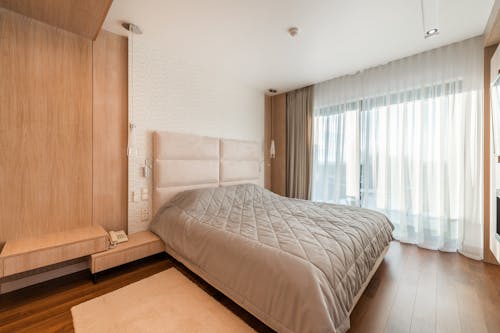
Bedding communicates how you treat rest. Layered bedding suggests comfort and intentional winding down. Bare or minimal setups can signal efficiency or heat sensitivity. People read this as a lifestyle choice.
Clean, well-fitted bedding suggests routine maintenance. That often translates to assumptions about self-care. This is included because sleep is universally valued. Bedrooms quietly broadcast how seriously you take it.
11. How Your Home Smells
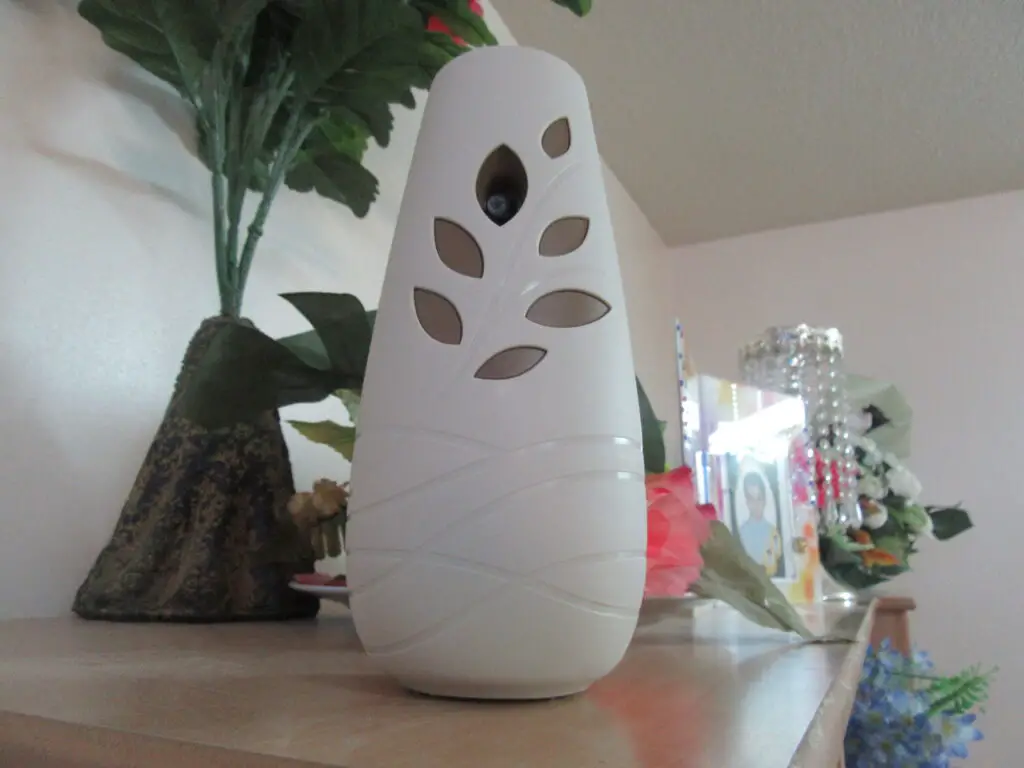
Scent is processed faster than sight in the brain. A neutral or subtle smell suggests awareness of others’ comfort. Strong signature scents signal confidence or personal branding. People register this before they comment on décor.
Odors tied to cooking, pets, or cleaning products tell daily-life stories. They can suggest warmth, activity, or neglect depending on intensity. This makes scent highly interpretable and memorable. That’s why it belongs in any honest assessment of first impressions.
This post What Your Home Says About You Before You Say a Word was first published on Greenhouse Black.
