
1. Old Towels and Blankets
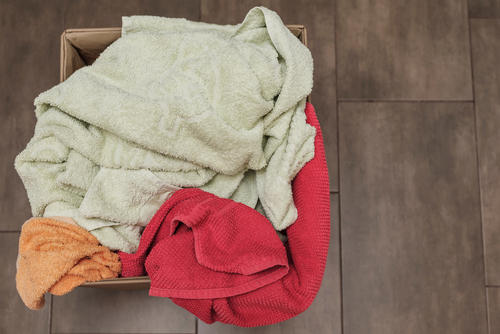
If a towel has lost its fluff, it probably feels useless in your bathroom. Animal shelters, wildlife rehabilitators, and veterinary clinics use them every single day. They line cages, dry animals after baths, and provide warmth for injured pets. Even towels with stains or frayed edges are often perfectly acceptable.
Shelters go through these items fast because they need to be washed constantly. Buying new linens eats into tight nonprofit budgets. Your “bad” towel can become a clean, comforting surface for an animal in recovery. That’s a pretty solid second act for something headed to the trash.
2. Toilet Paper and Paper Towel Tubes
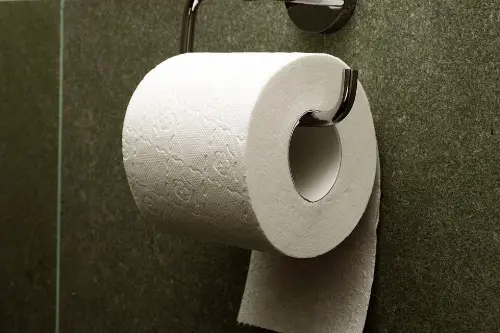
These cardboard tubes look like instant recycling, but teachers and crafters actively collect them. They’re used for STEM projects, paint organizers, seed starters, and kids’ art builds. Libraries, preschools, and after-school programs often ask for them year-round. They’re especially popular because they’re uniform and easy to store.
Buying craft materials adds up fast for classrooms. Free, clean tubes help stretch limited supply budgets. They also save teachers prep time compared to cutting cardboard by hand. What feels like trash at home is a small win for a busy classroom.
3. Egg Cartons (Paper Pulp Only)
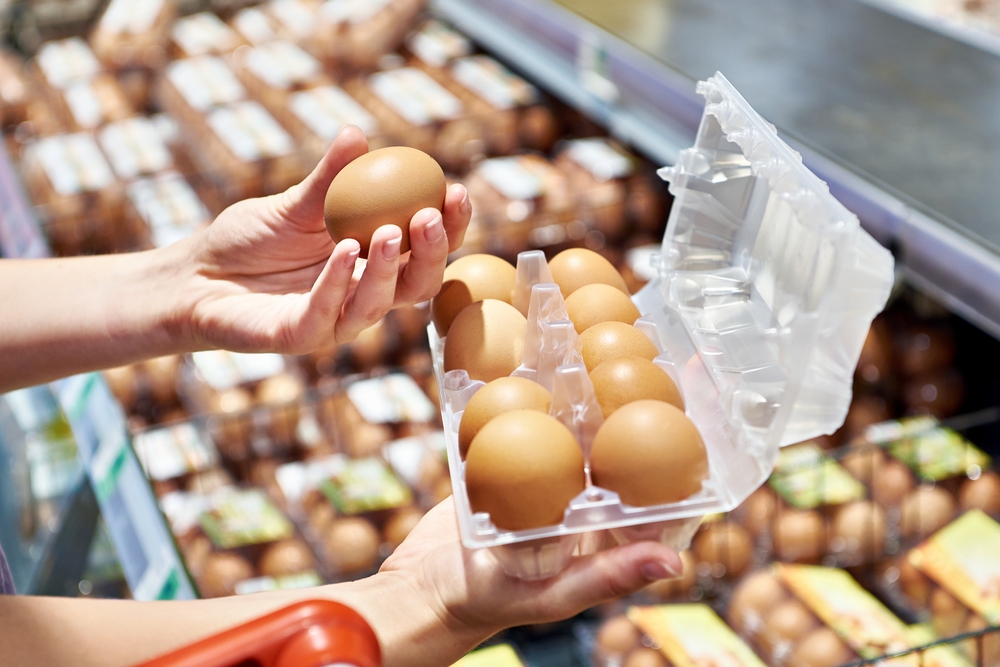
Paper egg cartons are gold to small farmers and backyard chicken keepers. They reuse them for selling or giving away fresh eggs. Many farm stands specifically want the gray, molded pulp style. Foam and plastic cartons are usually not accepted, so the material matters.
Egg cartons help farmers avoid buying new packaging. That keeps costs down and reduces waste at the same time. Local food groups and farm co-ops often collect them. Tossing usable cartons means more packaging has to be produced.
4. Glass Jars with Lids
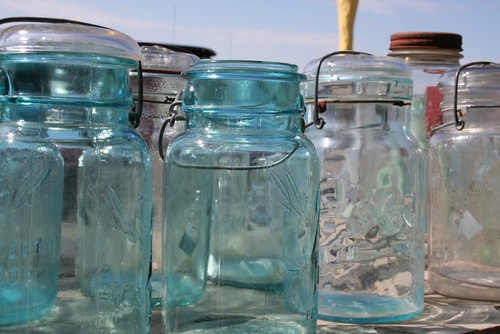
Those empty pasta sauce or pickle jars are popular with home canners and food preservers. People who make jams, pickles, or fermented foods constantly need jars. As long as the glass isn’t chipped and the lid seals, they’re usable. Community canning groups and neighbors often take them gladly.
New jars get expensive when you preserve in bulk. Reusing jars also reduces demand for new glass production. Many people check local swap groups specifically for jars. That clinking sound in your recycling bin could have been someone’s pantry solution.
5. Cardboard Boxes
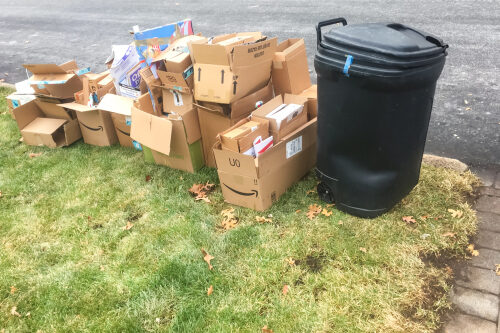
Boxes disappear quickly for people who are moving or shipping items. Local “buy nothing” groups see constant requests for sturdy boxes. Small businesses and online sellers also reuse them for outgoing orders. As long as they’re clean and intact, they’re valuable.
Buying moving boxes is surprisingly expensive. Reused boxes save money and keep cardboard in circulation longer. They also reduce the energy needed for recycling. Your stack of boxes could be someone’s smooth move.
6. Leftover Paint
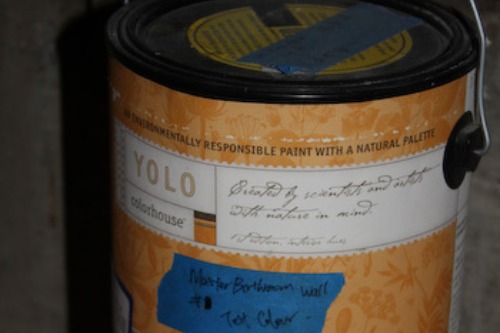
Partially used cans of paint are useful to theater groups, art programs, and community repair projects. Many cities have paint reuse centers that redistribute usable latex paint. Set designers use it for scenery where perfect color matches don’t matter. Murals and volunteer builds also rely on donated paint.
Paint disposal is regulated because it can be hazardous. Reuse keeps it out of landfills and drains. It also saves organizations from buying new supplies for temporary projects. That half-can under your sink still has a purpose.
7. Plastic Plant Pots
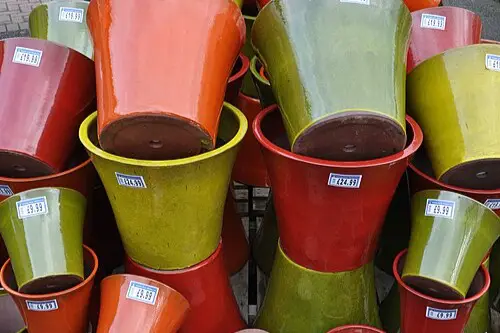
Gardeners, plant swaps, and small nurseries often want clean plastic pots. They’re reused for seedlings, cuttings, and plant sales. Pots stack easily and last for years. Even mismatched sizes are helpful.
Buying new pots adds unnecessary plastic to the system. Reusing existing ones keeps materials in circulation. Many garden clubs collect them seasonally. What feels like clutter can help grow someone else’s garden.
8. Mismatched or Worn Socks
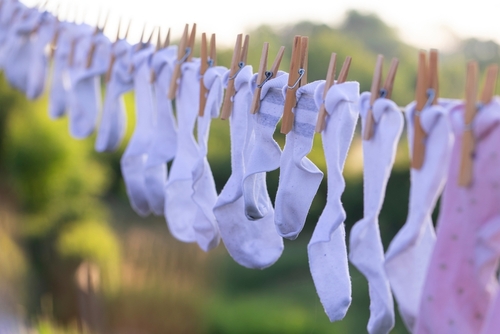
Socks with no partner seem doomed, but textile recyclers accept them. Some crafters also use them for cleaning rags, puppets, or stuffing. Animal shelters sometimes use them as enrichment toys when appropriate. The key is that they’re clean.
Textile waste is a major landfill issue. Recycling socks turns them into insulation, padding, or industrial rags. Throwing them away skips that recovery step entirely. Even lonely socks can stay useful.
9. Unopened Hotel Toiletries
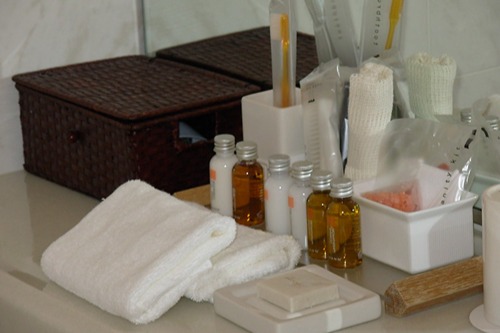
Those tiny shampoos and soaps are in demand at shelters and outreach programs. Many organizations distribute them in hygiene kits. They’re especially helpful for people without stable housing. Unopened and sealed items are usually required.
Hotels discard massive amounts of unused toiletries. Donating them fills a real, ongoing need. It also reduces waste from single-use plastics. Your travel leftovers can make someone’s day easier.
10. Bubble Wrap and Packing Peanuts

Shipping stores and small businesses reuse packing materials constantly. Bubble wrap protects fragile items just as well the second time. Many UPS and independent shipping stores accept clean materials. Online sellers also look for them locally.
Packing materials are expensive and plastic-heavy. Reuse cuts down on manufacturing demand. It also keeps bulky plastics out of landfills. Your package padding can keep another item safe.
11. Newspapers

Animal shelters and vet clinics use newspapers to line cages. They’re absorbent, cheap, and easy to replace. Window cleaners also use them for streak-free glass. As long as they’re dry, they’re useful.
Print subscriptions still generate a lot of paper. Reuse extends the life of each sheet. Recycling is good, but reuse comes first. That old stack can still earn its keep.
12. Wire Clothes Hangers
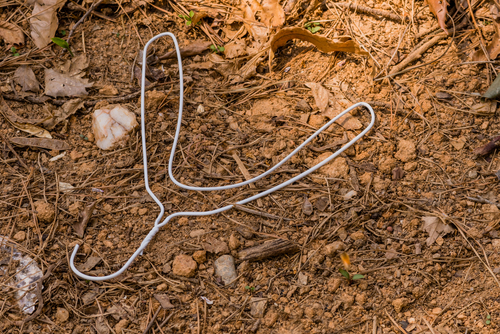
Dry cleaners actively reuse wire hangers. Many will accept returns at the counter. The hangers are standardized and designed for repeated use. Tossing them creates unnecessary metal waste.
Recycling wire hangers is surprisingly difficult in many areas. Reuse is the most efficient option. Dry cleaners save money by getting them back. That awkward hanger actually belongs somewhere specific.
13. Wine Corks (Natural Cork Only)
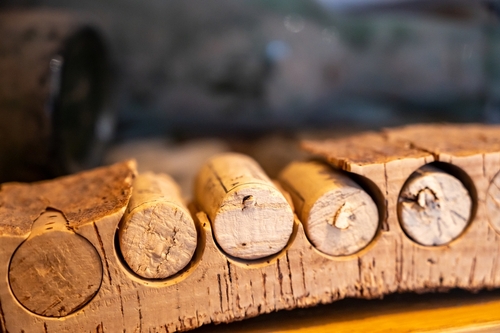
Natural corks are collected by specialty recycling programs. They’re turned into flooring materials, bulletin boards, and shoe components. Some schools and art programs also use them for projects. Synthetic corks usually aren’t accepted, so material matters.
Cork is harvested from tree bark and is renewable. Recycling it extends that sustainability story. Tossing corks wastes a material designed to be reused. Your celebration leftovers can still be practical.
14. Calendars and Greeting Cards
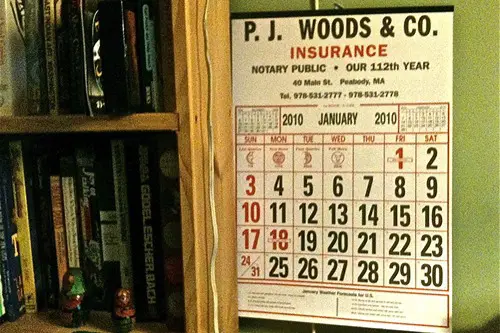
Old calendars and cards are reused in craft and scrapbooking projects. Teachers cut them up for art activities and flashcards. The thick paper and images are especially useful. Some organizations even make gift tags from them.
These items often have sturdy, high-quality paper. Recycling works, but reuse gets more value first. Creative groups regularly ask for them after holidays. That sentimental paper still has creative mileage left.
This post 14 Household Items People Toss Without Realizing Who Wants Them was first published on Greenhouse Black.
