
1. Revving the Engine at Dawn
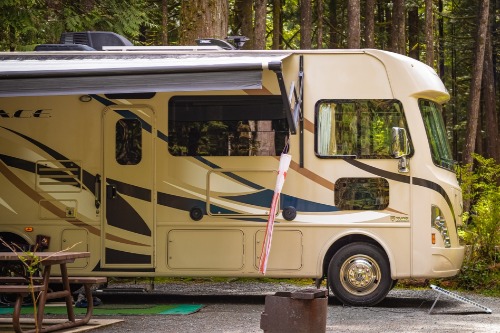
Nothing wakes up a campground faster than an RV that starts its engine at the crack of dawn. Some folks think running the generator early is necessary for coffee or heat, but the hum can carry for blocks. Neighbors who have been sleeping all night might not appreciate that “alarm clock.” A little patience until a reasonable hour can make a world of difference.
Generators are a big culprit here, too. Continuous hum can feel like an industrial plant next door, not a peaceful getaway. People often underestimate how far sound travels across open spaces. Being considerate with start times shows you care about the communal vibe.
2. Overusing the Slide-Outs
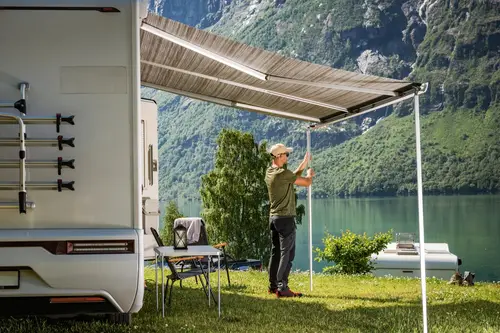
Slide-outs can make your RV feel spacious, but when deployed recklessly, they take up extra space in tight campsites. If neighbors have to squeeze past or repark to accommodate you, frustration is inevitable. Some campers even risk damaging the slide or adjacent rigs. It’s courteous to measure and double-check before opening fully.
Slide-outs aren’t just a spatial issue; they can be a visual one, too. Stretching into another site can block views or sunlight. People come to campgrounds to feel connected with nature, not boxed in by your living room extension. A small adjustment can prevent big neighborly headaches.
3. Ignoring Fire Pit Etiquette
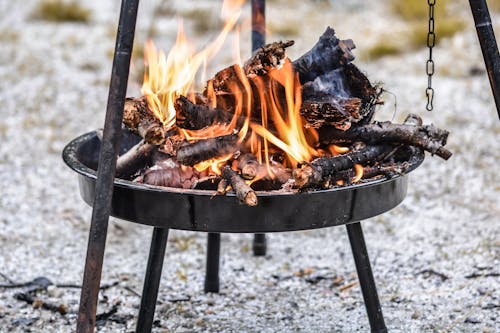
Campfires are a beloved part of RV life, but ignoring local rules or smoke direction will make neighbors fume—literally. A fire blowing smoke toward someone else’s campsite can ruin dinner or relaxation. Even if the smell doesn’t bother you, it can trigger allergies or discomfort for others. Check wind direction and guidelines before lighting up.
Noise also sneaks into this habit. Loud laughter, guitars, or late-night storytelling near someone else’s tent isn’t always welcome. Being mindful of fire time and behavior keeps everyone safe and happy. A little courtesy goes a long way around the fire circle.
4. Overloading the Campsite
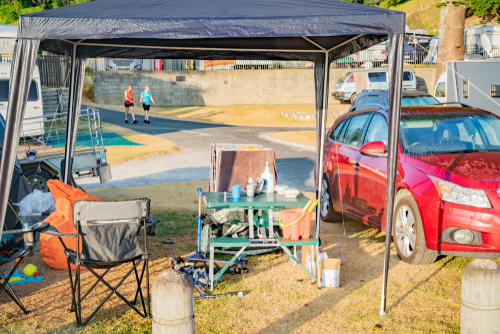
RVs bring a lot of stuff—chairs, bikes, kayaks, and extra vehicles—but crowding the site feels inconsiderate. When your toys spill into neighboring spaces, it’s like saying your comfort outweighs theirs. People often feel trapped or encroached upon. Keeping belongings organized and contained is simple yet effective.
The effect isn’t just spatial; it can impact morale. Neighbors may feel stressed or resentful if they can’t enjoy the open area. RV parks thrive on a balance between personal space and shared environment. Mindful packing shows respect without sacrificing fun.
5. Playing Music Loudly
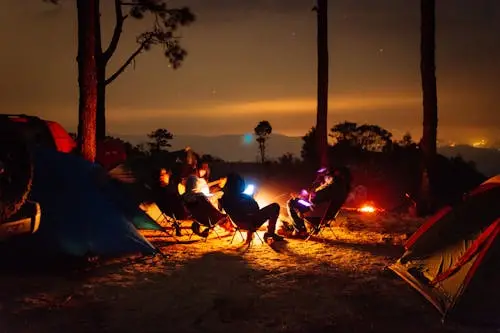
Cranking music through RV speakers can quickly turn relaxation into irritation. Even if it’s your favorite playlist, bass travels far and shakes tents and trailers. Different people have different tolerance levels, and you won’t always know whose patience is thin. Keeping volume in check is essential for harmony.
Music isn’t always the only sound either. TV, games, and conversations carry through open RV windows. A gentle tone can maintain enjoyment for everyone. The key is remembering that shared space requires shared consideration.
6. Frequent Late-Night Departures and Arrivals
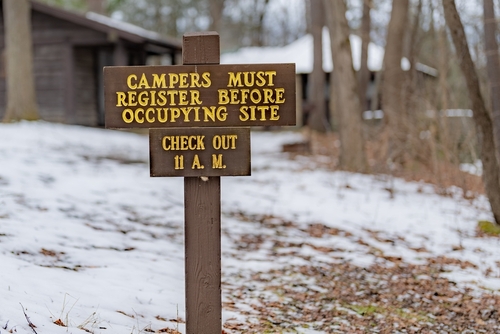
Coming or leaving late can be more disruptive than most imagine. The noise of maneuvering, setting up, or packing up at odd hours wakes neighbors who were trying to enjoy sleep. Early birds or retirees often prefer quiet evenings. Planning arrivals and departures during reasonable times respects everyone’s schedule.
RVs aren’t stealthy by design. The rumble of engines, bumping of leveling jacks, and clatter of gear is noticeable in silence. Even a “quiet” move at 11 p.m. can feel loud. Clear communication about schedules prevents awkward tension.
7. Ignoring Dump Station Rules
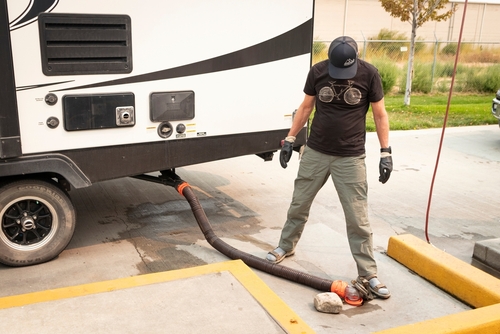
Skipping proper waste disposal is both unpleasant and inconsiderate. Overfilled or misused dump stations create messes that neighbors may encounter. Odors, spills, or long wait times become everyone’s problem. Following the posted rules keeps hygiene intact and stress low.
Even small infractions add up. Leaving hoses stretched across walkways or improperly connecting tanks can create safety hazards. Campsites are shared spaces, and simple actions maintain community trust. Being conscientious at the dump shows you care about the common good.
8. Letting Pets Roam Unattended
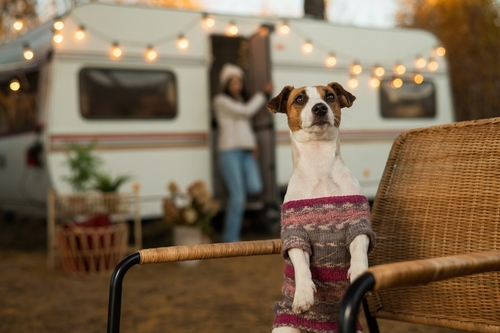
Many RVers bring dogs or cats for companionship, but free-roaming pets can cause anxiety or damage. Some neighbors fear aggressive or unpredictable animals. Pets wandering into other campsites disrupt peace and can lead to accidents. Leashes or designated play areas protect everyone’s enjoyment.
It’s not just about safety—noise matters too. Barking, yowling, or scratching at fences can interrupt sleep or quiet time. Even friendly animals need boundaries in communal settings. Responsible pet management is a quick way to win neighborly approval.
9. Ignoring Site Boundaries
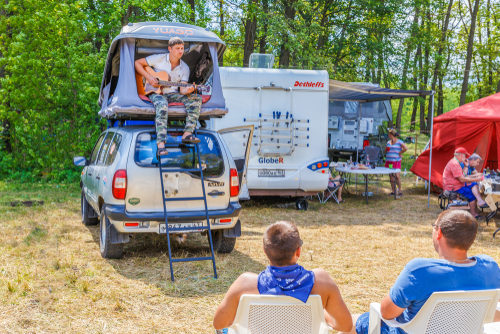
It might seem minor, but stepping over the imaginary lines of your campsite can be infuriating. Planting chairs, awnings, or even mats outside your area can feel invasive. Boundaries are often invisible, but they exist to prevent tension. Respecting them preserves goodwill and reduces conflict.
This also applies to parking. Parking partly in another site’s driveway or leaving the tow vehicle too far from your lot irritates neighbors. People appreciate clear separation—it makes everyone feel secure. A little mindfulness avoids unnecessary friction.
10. Neglecting Trash and Recycling Etiquette

Leaving garbage bags by the curb or not sorting recyclables properly is a surefire way to frustrate neighbors. Unattended trash attracts animals, spreads odor, and creates visual clutter. Campgrounds usually provide specific disposal instructions, and following them matters. A quick effort ensures a cleaner, more pleasant environment for all.
It’s also about frequency. Letting bins overflow or linger for days sends the message that communal spaces aren’t your priority. Routine maintenance keeps your site neat and neighbor-friendly. Clean habits are noticed and appreciated far more than you might think.
11. Using Excessive Lighting at Night
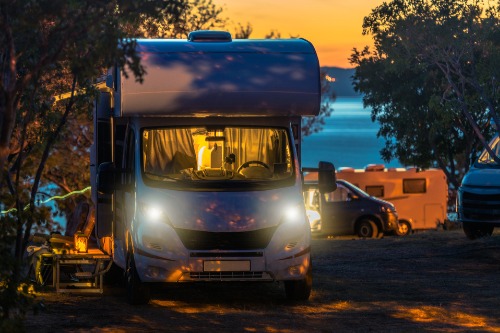
Bright exterior lights can be surprisingly invasive in a dark campground. Motion lights, string lights, or overly bright porch lamps can shine directly into neighboring RVs. Darkness is part of the camping experience, and harsh lighting disrupts sleep and privacy. Using softer lighting or directional lamps is courteous.
Timing matters too. Lights left on all night signal a lack of consideration for the quiet hours. Simple adjustments, like timers or dimmers, reduce glare and maintain the peaceful atmosphere. Thoughtful lighting helps everyone enjoy the night sky and quiet evenings.
This post RV Habits That Make Neighbors Hope You Leave Early was first published on Greenhouse Black.
