
1. A Fully Stocked Kitchen

People still have kitchens, but many no longer keep them stocked the way they used to. With grocery delivery and takeout apps, it’s easier to order exactly what you want for one meal than plan ahead. That convenience quietly removes the comfort of knowing you can cook something satisfying at any moment. It also reduces the small joy of opening the fridge and seeing options instead of gaps.
There’s a reason this tradeoff happened, and it’s time. Busy schedules and unpredictable evenings make planning feel risky and inefficient. Food delivery is genuinely faster than cooking most weeknights, especially in dense cities. What gets lost is the sense of self-sufficiency that once made home feel grounding.
2. Landline Phones

Landlines used to anchor people to their homes in a very literal way. The phone rang, and you knew exactly where you needed to be to answer it. Mobile phones made communication more convenient, portable, and reliable during emergencies. As a result, the shared household phone slowly disappeared.
The comfort that vanished was subtle but real. Landlines created a boundary between home life and the outside world. You could leave the house and be unreachable without guilt or explanation. Convenience won, but so did constant availability.
3. Physical Media Collections

Shelves of DVDs, CDs, or books once made homes feel personal and lived-in. Streaming services replaced all of that with instant access and zero storage needs. It’s undeniably convenient to watch or listen to something immediately without owning it. Over time, physical collections started to feel unnecessary or even burdensome.
The sacrifice here is permanence and curation. Physical media doesn’t disappear due to licensing changes or subscription cancellations. It also reflects taste in a visible, tactile way. Convenience removed clutter, but it also removed a form of identity.
4. Spare Guest Rooms
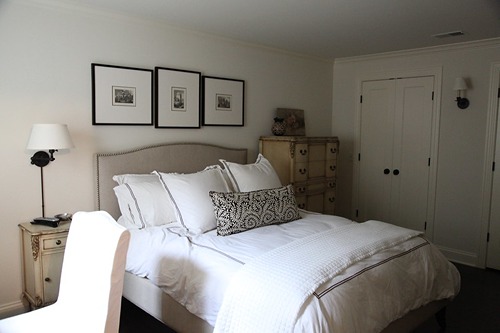
Many homes once had a dedicated room for guests, even if it sat empty most of the year. Rising housing costs and remote work changed how people use space. Guest rooms became offices, gyms, or storage areas because those uses felt more practical day to day. Hosting shifted toward hotels and short-term rentals instead.
The comfort sacrificed is the ease of welcoming people into your home. Having a ready space for visitors makes hosting feel generous rather than stressful. Without it, hospitality requires more planning and rearranging. Convenience favored daily efficiency over occasional warmth.
5. Manual Light Switches in Reach
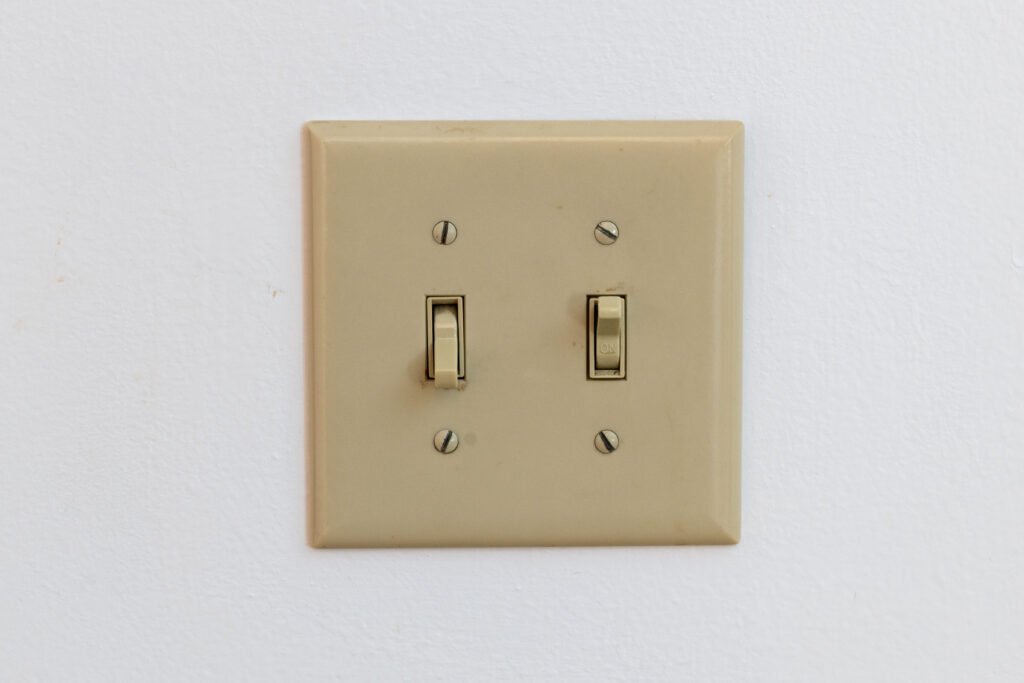
Smart lighting lets people control their homes from phones or voice assistants. It’s convenient to turn lights on remotely or set schedules automatically. In some homes, switches are no longer placed intuitively because automation is expected. The physical act of flipping a switch has become secondary.
This shift sacrifices immediate tactile feedback. A switch always works instantly and never needs updates or Wi-Fi. When systems fail, the convenience disappears fast. What remains is a reminder that simplicity is its own kind of comfort.
6. Paper Calendars and Bulletin Boards
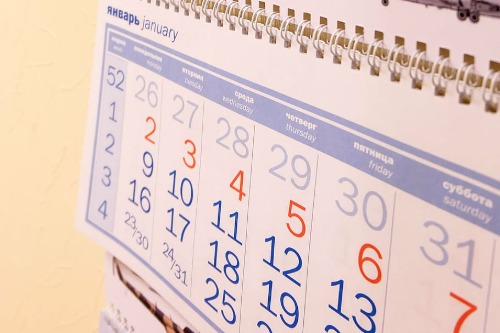
Digital calendars sync automatically and send reminders everywhere. They replaced wall calendars, fridge notes, and handwritten schedules. The convenience is obvious, especially for coordinating multiple people. Over time, shared physical planning spaces faded away.
The loss is visual and communal. Paper calendars let everyone see the household rhythm at a glance. They also made planning feel more intentional and less abstract. Convenience centralized information, but it also made it less tangible.
7. Dedicated Dining Rooms

Open floor plans and flexible spaces became popular for good reasons. They make homes feel larger and easier to adapt. Dedicated dining rooms were often used only on holidays, so they felt inefficient. Many were absorbed into living rooms or removed entirely.
The comfort sacrificed is ritual. Sitting down in a specific place for meals creates a sense of occasion. It encourages slower eating and longer conversations. Convenience favored multipurpose space over meaningful separation.
8. Printed Instruction Manuals

Most people now look up instructions online instead of keeping manuals at home. It’s faster to search a video or FAQ than flip through a booklet. Manufacturers responded by shortening or eliminating printed guides. Homes became lighter and less cluttered as a result.
The tradeoff is reliability. Online instructions assume internet access and ongoing support. Printed manuals were always available and tailored to the exact product. Convenience replaced certainty with speed.
9. House Keys with Weight

Physical keychains used to be heavy and specific to each door. Smart locks and keyless entry systems reduced the need to carry multiple keys. Unlocking a door with a code or phone is undeniably easier. Many people now leave the house with almost nothing in their pockets.
What’s lost is a small sense of arrival. Keys made coming home a physical transition, not just a tap or beep. They also worked during power outages and technical failures. Convenience streamlined access, but it removed a familiar ritual.
10. Window Ventilation
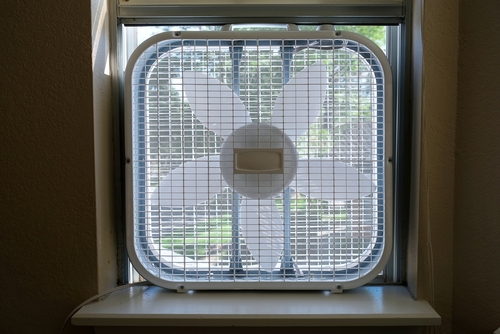
Air conditioning and heating systems allow people to control temperature precisely. Opening windows is often unnecessary or discouraged for efficiency. In many buildings, windows don’t even open fully anymore. Climate control made indoor comfort predictable and effortless.
The sacrifice is sensory connection. Open windows bring in fresh air, ambient noise, and awareness of weather. They make homes feel responsive to the outside world. Convenience sealed that boundary tighter.
11. Household Repair Know-How

Calling a service or ordering a replacement is faster than fixing something yourself. Online shopping and on-demand repairs made DIY skills less necessary. Many people no longer keep basic tools or spare parts at home. It’s a rational response to limited time and rising complexity.
The comfort that disappeared is competence. Knowing you can fix small problems creates confidence and calm. It also makes a home feel resilient instead of fragile. Convenience solved problems quickly, but it reduced self-reliance.
This post The Comforts People Sacrificed in the Name of Convenience was first published on Greenhouse Black.
