
1. Where you live

People say where you live no longer defines you, but it still quietly frames first impressions. An address signals access to schools, safety, transit, and social networks in a way a bio never can. Real estate prices are public, so people can infer income bands and stability without asking. That inference may be unfair, but it’s how humans shortcut uncertainty.
This matters because location shapes opportunity in concrete, verifiable ways. School zoning, commute times, and local job density affect outcomes, not vibes. Even in remote work eras, many influential events and connections remain geographically clustered. Pretending place doesn’t matter mostly helps people who already live in the right places.
2. Education pedigree
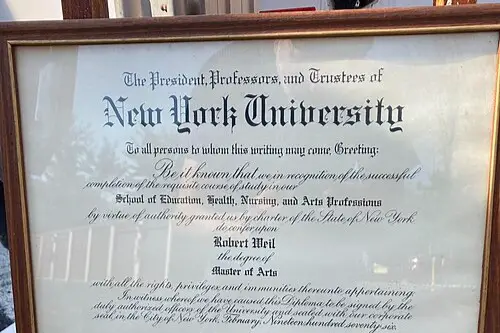
We love to say skills beat credentials now, yet school names still travel faster than résumés. Elite institutions bundle signaling about selectivity, alumni networks, and shared norms. Hiring managers often recognize a handful of schools instantly, which reduces perceived risk. That recognition advantage is documented in hiring patterns and alumni outcomes.
The reason to include this is not nostalgia but persistence. Selective admissions create durable networks that last decades. Those networks show up in referrals, funding access, and early career breaks. You can fact-check this by looking at leadership pipelines across industries.
3. Job title at a brand-name employer

A job title alone is vague, but pair it with a known employer and it sharpens. People read brand-name companies as proof of vetting, scale, and training. This is why “manager at X” lands differently than the same role at an unknown firm. The effect shows up in recruiter outreach and investor confidence.
It matters because brands compress information for busy decision-makers. They suggest you passed filters others didn’t. Even critics of corporate prestige rely on these shortcuts under time pressure. That’s a human limitation, not a moral judgment.
4. Visible health and fitness

Nobody likes admitting it, but visible health still reads as status. Consistent fitness implies time, resources, and long-term planning. Access to safe spaces, healthcare, and quality food underpins those outcomes. These correlations are measurable at population levels.
The inclusion here is about structure, not shaming. Health is unevenly distributed along income and education lines. People subconsciously read bodies as summaries of environment and habits. That’s why wellness signals keep influencing trust and leadership perceptions.
5. Control over your time

Being busy used to signal importance, but control over time now does. Flexible schedules, slow replies, and protected weekends imply leverage. They suggest you are in demand enough to set boundaries. This shift is visible across executive norms and creative fields.
Time autonomy matters because it’s scarce and unequal. Hourly constraints map closely to pay bands and job security. People notice who can say no without consequences. That notice becomes respect, even when unspoken.
6. Access to influential people

Claiming connections don’t matter sounds nice, but access still opens doors. Introductions, invites, and warm referrals change odds dramatically. These effects are documented in hiring, fundraising, and media coverage. Cold talent competes with warm trust.
The reason this belongs is simple causality. Networks transmit information and opportunity faster than platforms. You can verify this by tracking how deals actually originate. They rarely start in a vacuum.
7. Communication polish

Clear writing and calm speech are treated as neutral skills, but they signal class. They often come from education, coaching, and low-stress environments. Listeners equate polish with competence and credibility. That bias persists across cultures and workplaces.
This matters because communication gates leadership. Meetings, presentations, and emails decide outcomes daily. People mistake fluency for insight when evaluating peers. Knowing this helps explain promotion patterns.
8. Travel experience

Travel is framed as personal growth, yet it also signals means. International trips require money, time off, and documentation. Certain destinations carry added cultural capital. Those facts are checkable through costs and visa regimes.
Including travel isn’t about envy. Exposure can widen perspective, but access is stratified. People read frequent travel as flexibility and confidence. That reading influences social and professional standing.
9. Taste in what you consume

Minimalism didn’t erase taste signals; it refined them. Knowing which brands to avoid can matter as much as owning expensive ones. Taste requires information and community reinforcement. Those inputs are unevenly distributed.
This is relevant because taste sorts groups quietly. It helps people recognize insiders without explicit talk of money. Sociologists have long tracked these dynamics. You can observe them in food, design, and media choices.
10. Financial literacy habits

Talking about money is taboo, but managing it well still signals status. Early investing, tax awareness, and debt avoidance imply guidance. These behaviors correlate with family background and education. Public data shows compounding advantages.
The reason to count this is impact. Small knowledge gaps create large outcome gaps over time. People infer stability from calm financial decisions. That inference shapes trust in partnerships.
11. Cultural ease and confidence

Comfort in unfamiliar settings reads as status. It suggests prior exposure rather than innate bravery. Museums, formal events, and negotiations all test this. Observers notice who moves easily.
This matters because confidence reduces friction. It speeds decisions and lowers perceived risk. Cultural ease often comes from repeated access. Pretending otherwise hides how advantage reproduces.
This post Status Signals People Pretend Don’t Matter Anymore was first published on Greenhouse Black.
