
1. The kitchen trash and sink situation

Guests clock the kitchen sink and trash area even if they never enter the kitchen fully. Odors, visible food scraps, or overflowing bins stand out fast. This matters because kitchens are strongly associated with cleanliness and health. People stay quiet because no one wants to sound judgmental.
A clean sink signals reset and readiness. A full trash can suggests something unfinished. Guests may avoid standing nearby without realizing why. They notice and politely say nothing.
2. Lighting temperature, not just brightness

Guests instantly register whether your lighting feels harsh, dim, or cozy. Cool, blue-toned bulbs feel very different from warm, yellow ones, even at the same brightness. This matters because color temperature affects mood, alertness, and comfort levels. People do not comment because lighting choices feel subjective and stylistic.
They adjust internally by squinting, relaxing, or feeling oddly tense. Overhead lighting alone can feel interrogative, while layered lamps feel intentional. Guests notice when they look better in your light or strangely washed out. They keep that observation to themselves and keep sipping their drink.
3. The state of your entryway

The entryway sets expectations for the entire home within seconds. Guests clock shoe piles, overflowing coat hooks, or a clear landing zone immediately. This happens because humans are wired to judge spaces quickly for order and safety. No one comments because it feels like critiquing your life, not your decor.
A chaotic entryway suggests rushed routines, while a simple one suggests control. Even small details like a place to set keys get noticed. Guests mentally brace themselves for what the rest of the house might be like. They smile and step around the mess instead of mentioning it.
4. Bathroom cleanliness, especially the hand towel

Guests always notice the bathroom, even if they never say a word. They clock the sink, mirror splashes, and whether the toilet area looks cared for. The hand towel gets special attention because everyone has to touch it. People stay quiet because bathroom feedback crosses a social line fast.
A fresh towel signals hygiene and thoughtfulness without any explanation. A damp or visibly used one creates instant discomfort. Guests may dry their hands awkwardly or skip the towel entirely. They will remember the experience long after they forget your couch color.
5. Pet hair and pet smells

Guests who do not live with animals notice pet hair immediately. It shows up on dark furniture, throw pillows, and clothing within seconds. This stands out because people without pets are less visually trained to ignore it. They avoid commenting because pets are family, not clutter.
Pet smells get clocked the same way, even when owners are nose-blind. Litter boxes, dog beds, and food bowls all contribute subtly. Guests may shift where they sit or keep their coat on. They love your pet and still notice everything.
6. Noise levels and echo

Guests register how loud or quiet your home feels right away. Hard surfaces create echo, while soft furnishings absorb sound. This affects comfort because excessive echo makes conversations feel tiring and awkward. People rarely comment because acoustics sound technical and fussy.
They may lower their voice without realizing it. A quiet home with minimal outside noise feels calming and private. A loud or echoey space feels busy even when it is empty. Guests adapt silently and move on.
7. The temperature of the room
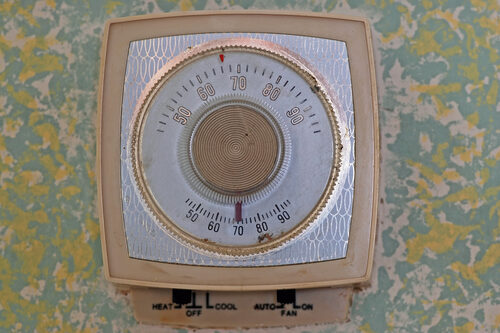
Everyone notices if a space feels too hot or too cold within minutes. Thermal comfort matters because the body prioritizes temperature regulation. Guests usually avoid commenting because it feels like asking the host to change their routine. They may joke once, but often they say nothing.
Instead, they adjust by removing layers or staying bundled up. A comfortable temperature makes people linger longer. An uncomfortable one makes visits feel shorter. The thermostat becomes a silent but powerful host.
8. Availability of places to charge devices

Guests mentally note whether outlets are accessible. They look for spots near seating where phones can charge. This matters because phones are essential tools for navigation, communication, and emergencies. People do not comment because it sounds needy or overly practical.
They may ration battery quietly or sit near walls. A visible power strip feels generous and modern. A lack of outlets feels mildly stressful. Guests remember which homes make life easier.
9. Seating comfort, not style

Guests immediately clock how a chair or sofa feels when they sit down. Cushion firmness, seat depth, and back support register within seconds. This matters because physical comfort affects how long someone can relax. People stay silent because criticizing furniture feels rude.
They shift positions or perch on edges instead. Beautiful but uncomfortable seating sends mixed signals. Comfortable seating invites longer conversations. Guests remember how your home felt in their bodies.
10. Window cleanliness and natural light
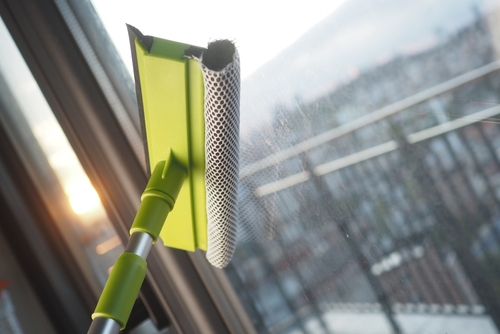
Guests notice how much light your space gets and how clear the windows are. Dirty windows diffuse light and dull the room subtly. This stands out because natural light affects mood and energy levels. People do not comment because window cleaning feels nitpicky.
Clean windows make rooms feel larger and fresher. Covered or grimy ones make spaces feel heavier. Guests register the difference without naming it. Light quietly shapes their impression of your home.
11. The way your place smells when they walk in

Scent hits the brain faster than sight, so guests register it before they even take their shoes off. They notice whether the air smells neutral, stale, overly perfumed, or faintly like last night’s dinner. This happens because smell is processed in the limbic system, which is tied to memory and emotion. People rarely comment because smell feels personal, and no one wants to risk embarrassing a host.
Guests quietly use scent to decide whether a home feels clean, calm, or a little chaotic. Strong candles or sprays get clocked just as quickly as unpleasant odors do. A neutral or lightly fresh smell signals that the space is cared for without trying too hard. Silence here is politeness, not obliviousness.
This post Things Guests Clock Instantly — and Never Comment On was first published on Greenhouse Black.
