
1. Savannah, Georgia
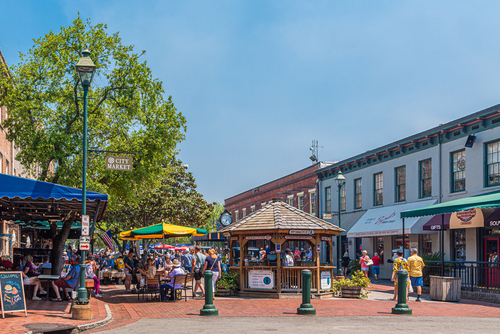
Savannah offers historic beauty, coastal scenery, and a relaxed Southern atmosphere. Walkable districts and mild winters appeal to many retirees. The city feels rich in character and charm. Early retirement years often feel romantic and engaging.
Heat and humidity dominate much of the year. Flooding risks are increasing in low-lying neighborhoods. Tourism affects traffic and access to services. Over time, daily inconveniences can erode the city’s appeal.
2. Naples, Florida
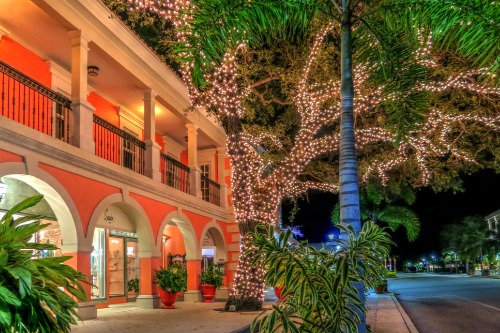
Naples attracts retirees with white-sand beaches, manicured streets, and a reputation for refined coastal living. The city offers strong dining, golf, and boating scenes that make early retirement feel like a permanent vacation. Many newcomers appreciate Florida’s lack of state income tax. Initially, the lifestyle feels easy and indulgent.
Long-term realities start to surface with hurricane seasons and insurance costs. Homeowners’ insurance premiums have risen significantly, especially in coastal areas. Seasonal population swings create crowded winters and very quiet summers. Over time, the stress of storms, expenses, and uneven pace can outweigh the beauty.
3. Asheville, North Carolina
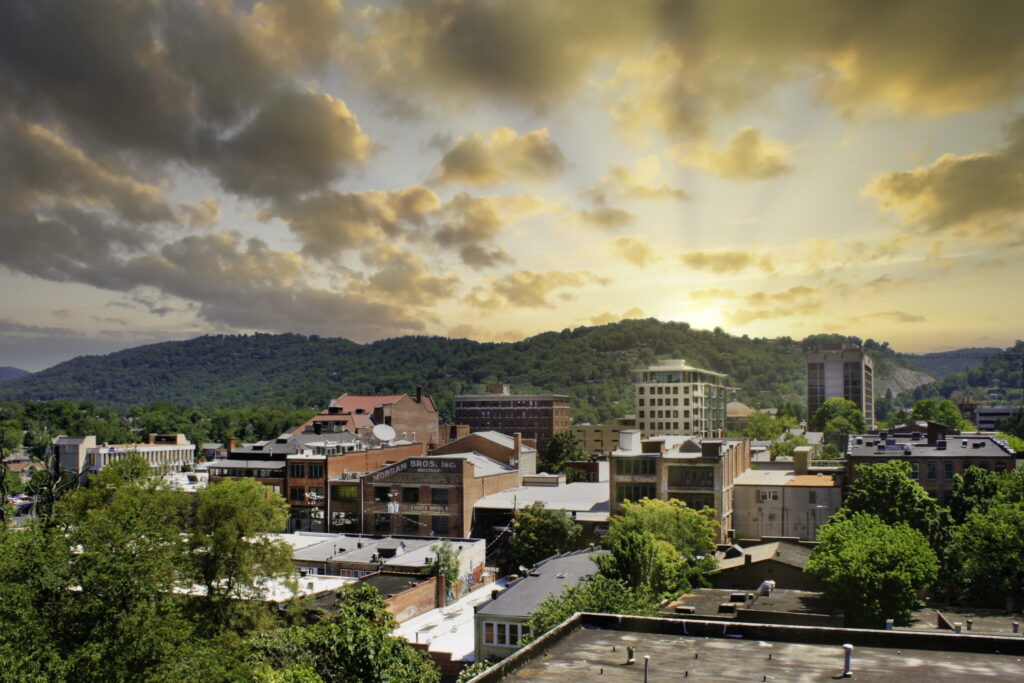
Asheville draws retirees with mountain scenery, a strong arts culture, and four distinct seasons. The town feels creative and intimate, with breweries, galleries, and live music everywhere. Its cooler summers compared to much of the South are a major selling point. Early on, it feels like a perfect balance of culture and nature.
The challenge is that Asheville’s popularity has driven housing prices far above regional norms. Inventory is limited, making downsizing difficult once you’re already there. Healthcare access can also be strained, with specialty care often requiring travel to larger cities. Over time, infrastructure struggles make the town feel less livable.
4. Sarasota, Florida
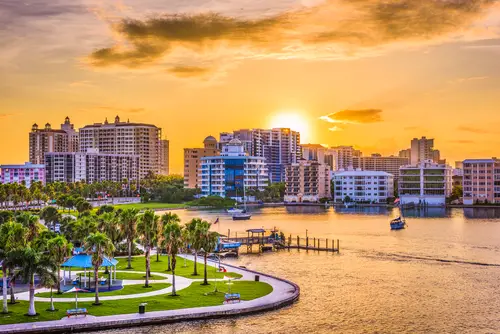
Sarasota appeals to retirees who want beaches combined with cultural institutions like theaters and museums. The city offers an active lifestyle with waterfront views and well-maintained neighborhoods. Winters are mild, and the Gulf Coast scenery is a major draw. At first, Sarasota feels both relaxed and refined.
However, climate risks become harder to ignore over time. Flooding and storm-related insurance costs increasingly affect homeowners. The population skews older, which can strain healthcare services and limit social diversity. Eventually, the city can feel less dynamic and more fragile than expected.
5. Austin, Texas
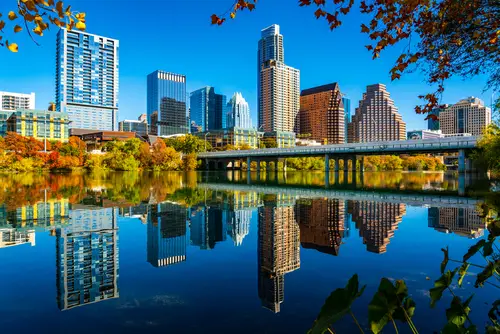
Austin attracts retirees with its music scene, food culture, and absence of state income tax. Many people enjoy feeling connected to a younger, energetic city. The variety of events and neighborhoods makes retirement feel active rather than quiet. Early years in Austin can feel invigorating.
Rapid growth has changed the city’s character significantly. Traffic congestion has worsened, and development has reshaped many once-quiet areas. Property taxes remain a long-term concern even for retirees with exemptions. Over time, Austin’s fast pace can feel exhausting rather than exciting.
6. Santa Fe, New Mexico
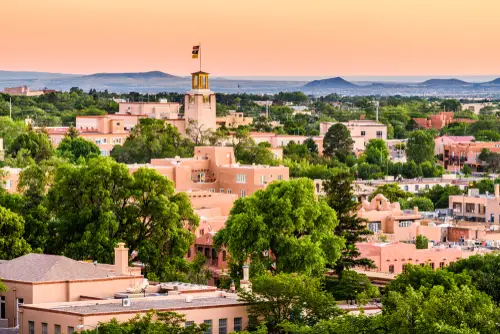
Santa Fe is known for its historic architecture, art scene, and high-desert landscape. Retirees are drawn to its slower pace and cultural depth. The city feels unique and grounded in tradition. Initially, it offers a strong sense of place and identity.
The city’s elevation presents challenges as people age. Many newcomers experience breathing issues or fatigue at over 7,000 feet. Healthcare options are limited, with specialized care often requiring travel to Albuquerque. Over time, logistical hurdles can overshadow Santa Fe’s charm.
7. Charleston, South Carolina
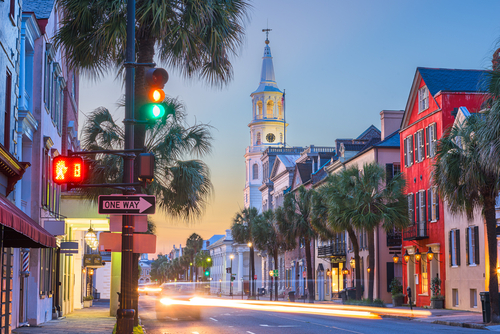
Charleston offers historic neighborhoods, coastal views, and a nationally recognized food scene. Walkability and mild winters make it appealing to retirees seeking charm and comfort. The city feels rich in character and history. Early retirement years often feel picturesque and engaging.
Heat and humidity dominate much of the year, limiting outdoor activity. Flooding has become more common in low-lying areas due to sea level rise. Tourism crowds affect daily errands, traffic, and healthcare access. Over time, the city can feel more like a destination than a home.
8. Boise, Idaho
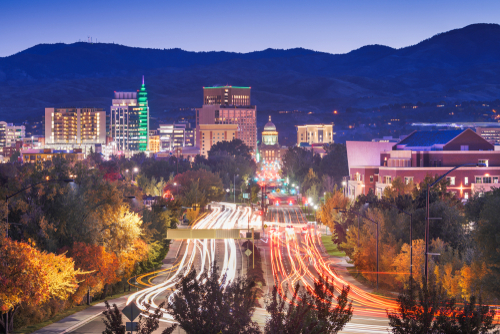
Boise often surprises retirees with its access to outdoor recreation and relatively clean environment. The city feels manageable and community-oriented at first. Proximity to hiking, rivers, and open space is a major draw. Early retirement years here can feel healthy and grounded.
Rapid in-migration has driven up housing costs dramatically. What was once affordable is now competitive and expensive. Winters are long and cold, limiting mobility for older residents. Over time, Boise can feel smaller and less flexible than expected.
9. San Diego, California
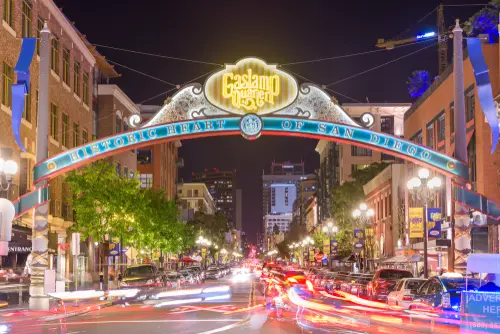
San Diego’s mild climate is one of the biggest retirement draws in the country. Ocean access and year-round pleasant weather make daily life feel effortless. The city offers excellent healthcare and cultural amenities. At first, it feels like the ideal place to age comfortably.
The cost of living rarely stabilizes. Housing, utilities, and taxes remain high even for long-term residents. California’s state income tax affects retirees drawing from investments or pensions. Over time, financial pressure can outweigh the perfect weather.
10. Henderson, Nevada
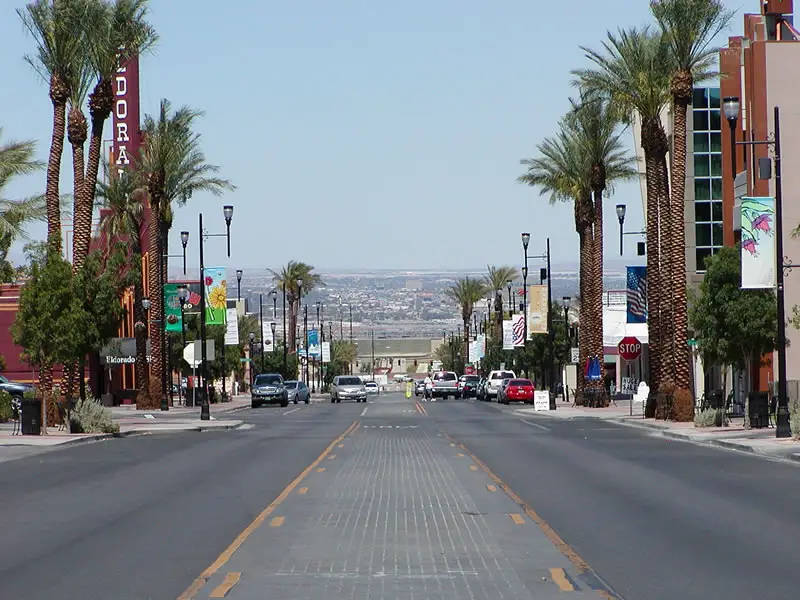
Henderson markets itself as a quieter, cleaner alternative to Las Vegas. Retirees are drawn to newer housing and the lack of state income tax. Master-planned communities create a sense of order and predictability. Early retirement here can feel controlled and convenient.
Extreme heat defines much of the year. Summer temperatures regularly exceed 110°F, limiting outdoor activity for months. Water restrictions and long-term supply concerns affect landscaping and growth. Over time, the desert environment can feel more confining than freeing.
11. Portland, Oregon
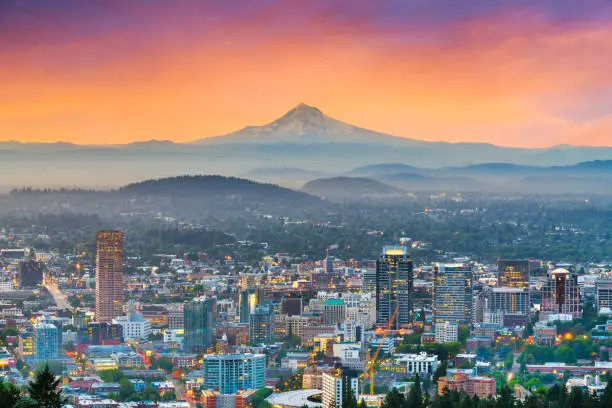
Portland appeals to retirees who value walkability, food culture, and access to nature. Neighborhoods often feel cozy and community-focused. The city’s parks and trails are a major attraction. Initially, Portland feels livable and thoughtfully designed.
Long, gray winters can affect mood and energy levels. Seasonal affective issues are common among residents. High taxes impact retirees with taxable income streams. Over time, environmental and civic challenges can feel draining.
12. Hilton Head, South Carolina
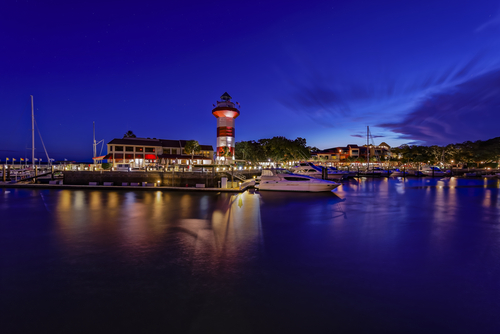
Hilton Head is known for its beaches, golf courses, and carefully planned appearance. The island feels peaceful and orderly when you first arrive. Many retirees enjoy the slower pace and scenic surroundings. Early retirement years can feel calm and predictable.
Much of the island is car-dependent, which becomes harder with age. Limited walkability affects independence over time. Healthcare options on the island are limited, requiring off-island travel for specialized care. Eventually, isolation can become a concern.
13. Prescott, Arizona
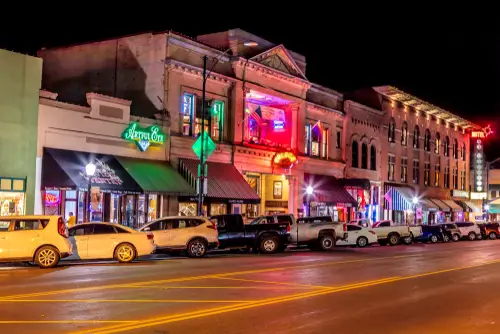
Prescott attracts retirees with cooler temperatures than Phoenix and a historic downtown. The town feels quaint and manageable at first. Its elevation provides four seasons without extreme desert heat. Early on, Prescott feels like a hidden gem.
Healthcare options are limited compared to larger cities. Specialized care often requires travel to Phoenix. The town’s smaller size can limit social and cultural opportunities over time. Eventually, it can feel more isolating than expected.
14. Scottsdale, Arizona
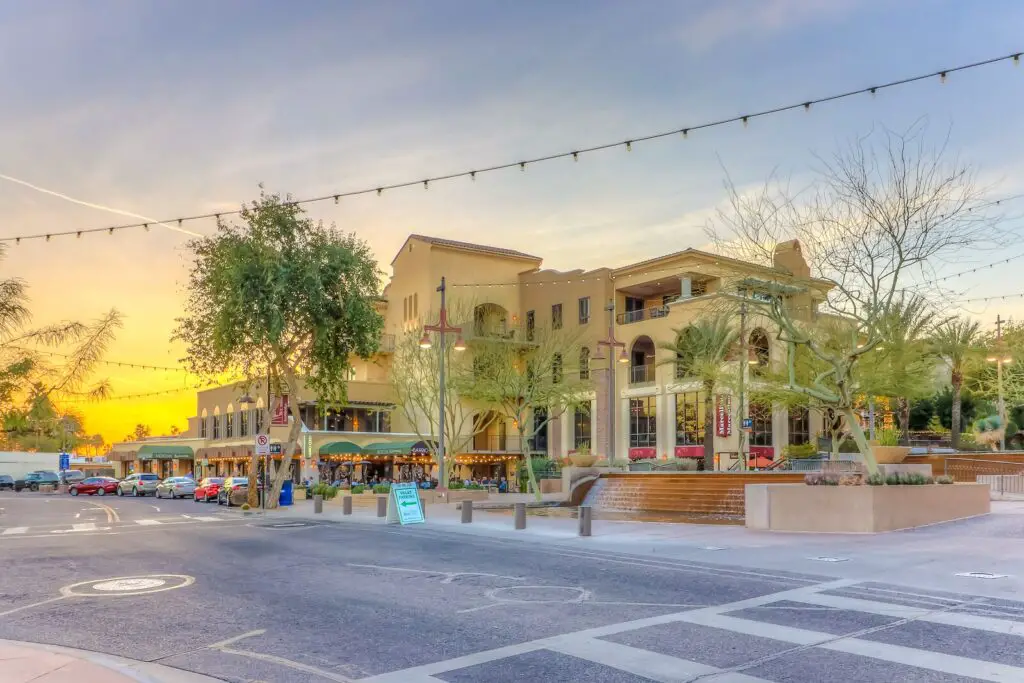
Scottsdale regularly appears on retirement lists thanks to its sunshine, golf courses, and upscale desert communities. At first, the dry climate feels easier to manage than humidity, and the city’s infrastructure is designed with retirees in mind. Master-planned neighborhoods, resort-style amenities, and access to Phoenix healthcare systems all add to the appeal. Early retirement years here can feel polished, predictable, and comfortable.
The problem emerges during extended summers when temperatures routinely exceed 105°F. Outdoor activity becomes limited for months, which affects daily routines and social life. Housing costs have also climbed sharply as the Phoenix metro area has grown. Over time, the combination of extreme heat, sprawl, and rising expenses can make Scottsdale feel restrictive rather than relaxing.
This post Why These 14 “Perfect Retirement Spots” Don’t Feel Perfect for Long was first published on Greenhouse Black.
