
1. Sealed LEGO Sets
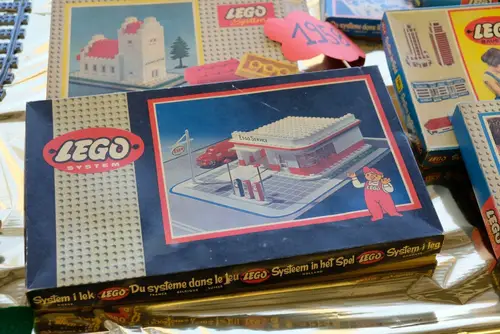
A LEGO set is most valuable when every brick is exactly where the factory put it. Collectors pay premiums for unopened boxes because they guarantee completeness and originality. Once the seals are broken, even if you rebuild it perfectly, the value drops fast. The box itself also matters, especially if it’s crisp and unfaded.
Older sets tied to discontinued themes or retired licenses are especially sensitive to handling. Sunlight, crushed corners, or missing seals can knock hundreds off resale prices. This is why serious collectors store them like fragile antiques rather than toys. Touching them turns an “investment set” into a regular used one.
2. First-Edition Books With Dust Jackets
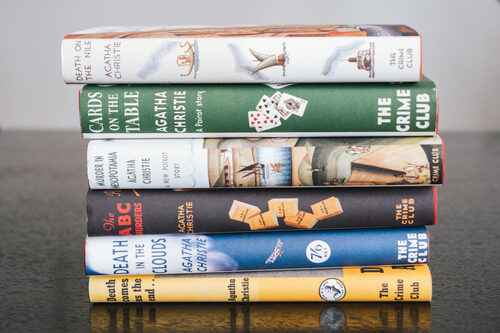
A first-edition book can be worth a lot, but only if it stays in near-original condition. The dust jacket is often more valuable than the book itself. Oils from hands, creases, and small tears significantly reduce desirability. Once the jacket is damaged, it’s almost impossible to restore value.
Collectors care about sharp corners, clean pages, and no writing or dog-ears. Even careful reading introduces spine stress and page wear. That’s why valuable copies are often stored unread while cheaper editions are used for reading. The less interaction, the closer it stays to its original state.
3. Vintage Comic Books
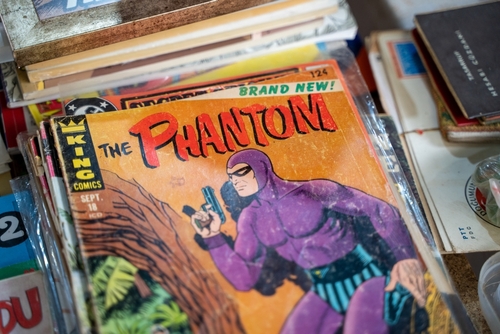
Comic books gain value when they look untouched, not loved. Reading them creates spine ticks, page bends, and corner wear. Even opening them once can lower a professional grading score. High-grade copies are dramatically more valuable than average ones.
That’s why serious collectors bag and board comics immediately. The goal is to freeze the book in time as close to its release condition as possible. Once handled casually, it becomes a reader copy instead of a collector copy. Value follows preservation, not nostalgia.
4. Original-Box Video Game Consoles
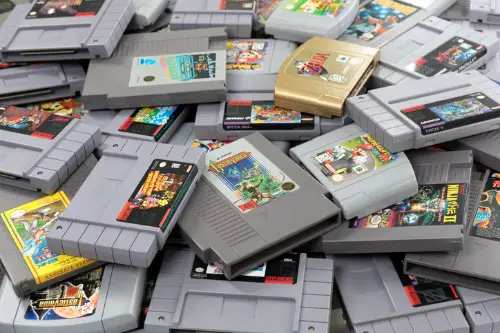
A classic console is far more valuable if it still has its original box and inserts. Using the system introduces wear to ports, controllers, and labels. Boxes get crushed, manuals disappear, and foam inserts degrade. Collectors want the full “out of the store” experience.
Even light use changes the condition classification. Scratches on plastic or yellowing from heat can significantly lower resale prices. Many high-value units were never plugged in at all. The untouched ones tell the cleanest historical story.
5. Unused Fine China Sets
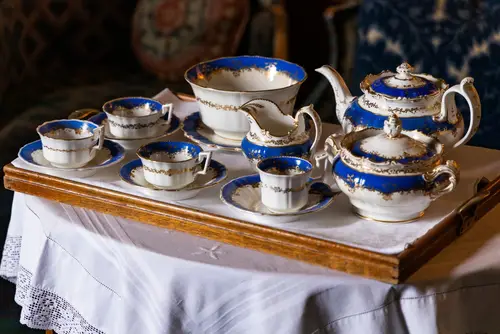
Fine china gains value when it stays decorative instead of functional. Using it leads to utensil marks, micro-scratches, and potential chips. Even careful washing can dull glaze or gold trim. Collectors prefer sets that look like they were never served on.
Complete place settings matter just as much as condition. Once a piece breaks or shows wear, replacement becomes difficult and expensive. Display-only sets keep their uniformity and finish. The moment they’re used, they become everyday dishes instead of collectible ones.
6. Baseball Cards in Mint Condition
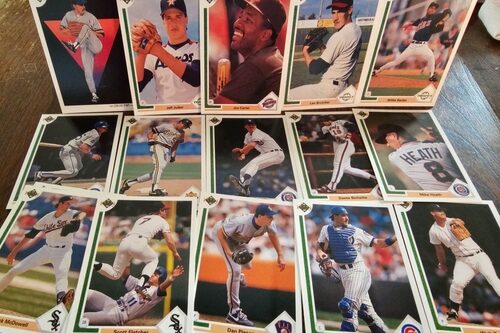
Baseball cards are extremely sensitive to touch. Oils from fingers, edge wear, and surface scratches all affect grading. A single flaw can drop a card from gem mint to mid-grade instantly. That grading difference can mean thousands of dollars.
This is why valuable cards are sleeved and stored immediately. Even sliding a card across a table can cause micro-abrasions. The highest prices go to cards that look untouched by human hands. Preservation is everything in card collecting.
7. Sealed Vinyl Records
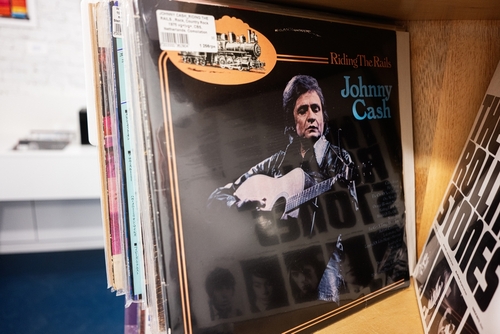
A sealed vinyl record holds more value than an opened one. Once opened, the sleeve, inner paper, and vinyl surface are exposed to wear. Playing a record introduces needle marks and sound degradation over time. Even careful handling doesn’t stop gradual wear.
Collectors prize sealed copies because they represent untouched audio history. Original shrink wrap and hype stickers add to authenticity. Once opened, the record becomes a listening copy rather than a collector’s piece. Value stays highest when curiosity is resisted.
8. Original Artwork With Provenance
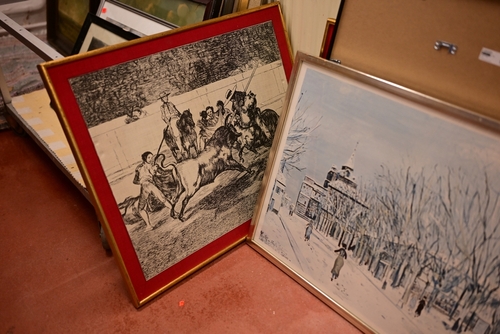
Artwork maintains maximum value when its condition remains unchanged. Touching the surface can transfer oils, dirt, or moisture. Even small smudges or pressure marks can affect appraisal values. Restoration often lowers value rather than improving it.
Collectors and museums handle art with gloves for a reason. Environmental damage can start from something as simple as repeated handling. Original surfaces matter deeply to authenticity. The less physical contact, the stronger the long-term value.
9. Mid-Century Furniture With Original Finish
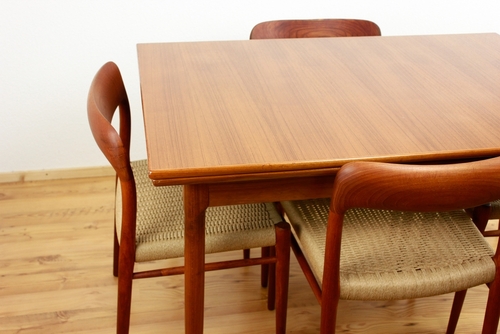
Mid-century furniture is most valuable with its original finish intact. Cleaning too aggressively or refinishing erases historical authenticity. Scratches, sanding, and polish changes alter the piece permanently. Collectors prefer honest age over modern touch-ups.
Even well-intended restoration can reduce resale value. Original finishes tell the story of the maker and era. Once altered, that story is partially lost. Leaving it untouched preserves both character and market appeal.
10. Beanie Babies With Tags Attached
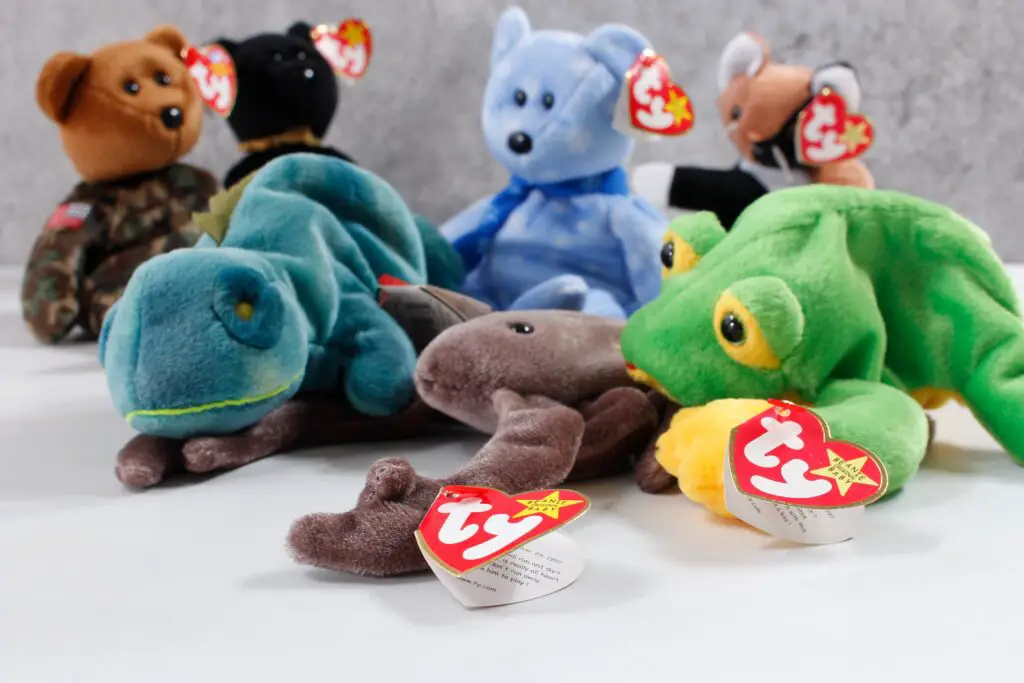
Beanie Babies only hold value when their tags are pristine. Removing or bending a tag drastically lowers collector interest. The plush itself matters less than the paper identifier. Condition grading focuses heavily on tag quality.
Handling them increases the risk of creases and edge wear. This is why valuable ones were often stored in protective cases. A tag protector can help, but zero handling is best. Once the tag shows wear, the premium disappears.
11. Antique Clocks in Original Working State
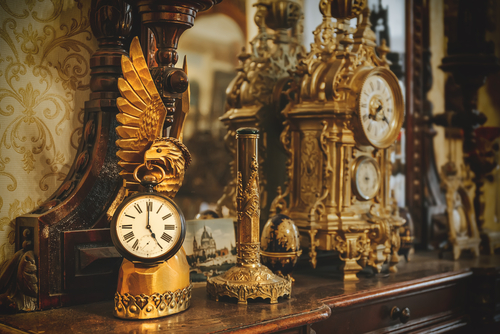
Antique clocks are most valuable when all original parts remain untouched. Improper repairs or replacement components reduce authenticity. Even over-cleaning can damage finishes or markings. Collectors value originality over perfect operation.
Once parts are swapped, historical integrity is compromised. Professional conservation is preferred over casual tinkering. Handling internal mechanisms without expertise risks irreversible damage. Leaving it alone often preserves the highest value.
12. Limited-Edition Sneakers Deadstock
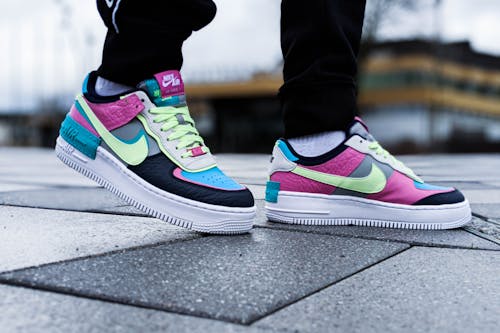
Limited-edition sneakers are worth the most when never worn. Creasing, sole wear, and dirt instantly lower resale prices. Even trying them on can leave telltale signs. Collectors refer to untouched pairs as “deadstock” for a reason.
Original boxes, tissue paper, and tags all matter. Exposure to light and heat can also degrade materials. That’s why valuable pairs are stored rather than styled. Wearing them turns collectibles into footwear.
13. Vintage Cameras With Original Packaging
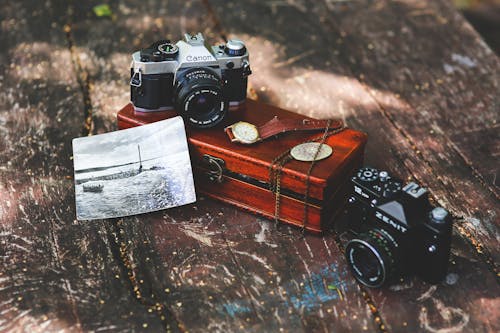
Vintage cameras gain value when they retain factory accessories. Using them causes wear on shutters, lenses, and leather coverings. Small scuffs or haze can significantly affect pricing. Original packaging signals careful preservation.
Collectors often prefer display condition over usability. Replacement parts reduce originality and appeal. Even fingerprints on lenses matter to serious buyers. The fewer signs of use, the stronger the value holds.
14. Holiday Decorations From Defunct Brands
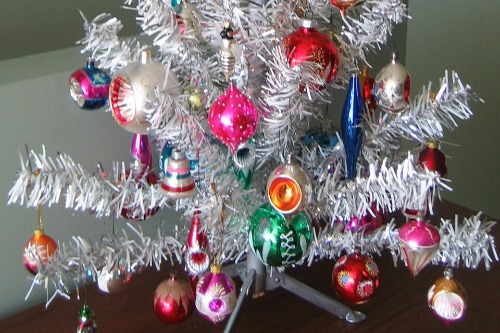
Holiday decorations from closed manufacturers can become surprisingly valuable. Fragile materials like glass and cardboard don’t age well with handling. Chips, fading, and repairs reduce collectibility. Original condition matters more than seasonal charm.
Many of these items survived decades by being packed away carefully. Once displayed repeatedly, damage becomes inevitable. Collectors seek decorations that look time-capsuled. Touching them too often turns rare nostalgia into worn décor.
This post 14 Items That Only Become Valuable If You Don’t Touch Them was first published on Greenhouse Black.
