
1. Children and Minimalism Often Have Competing Needs

Minimalism values order, predictability, and control over environments. Children, by contrast, learn through mess, repetition, and excess. Trying to impose strict minimalism on a household with kids can create constant friction. That tension raises stress for everyone involved.
This entry is here because developmental psychology supports exploratory play and abundance of materials. A perfectly minimal home may not support how children grow and learn. When parents prioritize aesthetic simplicity over functional chaos, stress follows. Minimalism has to adapt to life stages to remain helpful.
2. When “Decluttering” Becomes a Never-Ending Project

Minimalism often starts with decluttering, which genuinely can reduce visual distraction and decision fatigue. The stress creeps in when decluttering turns into a recurring obligation rather than a one-time reset. People can feel pressure to constantly evaluate possessions for worthiness, which keeps the brain in a state of judgment. That ongoing mental loop undermines the calm minimalism promises in the first place.
This belongs on the list because research on decision fatigue shows repeated small choices can be mentally exhausting. If every object requires justification, your environment becomes a test instead of a support system. A home should reduce cognitive load, not create a permanent self-audit. Minimalism works best when it stabilizes, not when it demands upkeep as a lifestyle performance.
3. Minimalist Aesthetics Can Conflict With Human Comfort
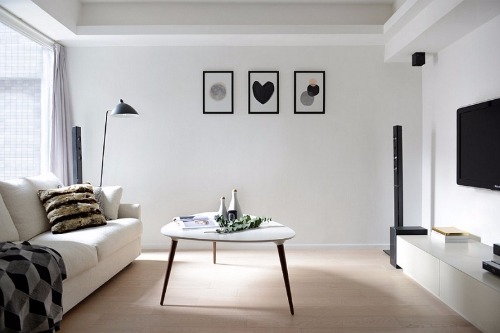
Minimalist design favors clean lines, neutral colors, and visual simplicity. However, humans also respond emotionally to warmth, texture, and personal symbolism. Stripping those away can make a space feel sterile rather than restful. That emotional flatness can quietly increase stress instead of reducing it.
This matters because environmental psychology shows surroundings influence mood and well-being. A perfectly sparse room may photograph well but fail as a place to recharge. Comfort isn’t clutter, even if it doesn’t fit the aesthetic. Minimalism that ignores emotional needs stops being functional.
4. The Pressure to Be “Intentional” About Everything Is Mentally Taxing

Minimalism often emphasizes intentionality, which sounds grounding and wise. The problem arises when every purchase, habit, or hobby must pass a philosophical test. That level of scrutiny turns daily life into a series of evaluations. Over time, it becomes exhausting rather than empowering.
This entry belongs here because constant self-monitoring is linked to increased stress and rumination. Not every decision needs to reflect your values in a visible way. Some choices can just be easy or comforting. A lifestyle that allows mental rest is more sustainable than one that demands constant meaning.
5. Minimalism Can Blur the Line Between Simplicity and Deprivation

There’s a subtle shift that can happen from “I don’t need this” to “I shouldn’t want this.” When minimalism becomes moralized, desire itself starts to feel wrong. That internal conflict creates guilt rather than clarity. Stress grows when self-denial replaces conscious choice.
This is important to include because psychological well-being depends on autonomy, not restriction for its own sake. Choosing less is healthy when it’s aligned with your needs. Forcing less to meet an ideal can erode satisfaction. Minimalism should simplify life, not shrink it.
6. Social Minimalism Can Lead to Isolation

Some minimalist philosophies encourage reducing social obligations alongside physical possessions. While boundaries are healthy, cutting too much can reduce social support. Humans are wired for connection, even when it’s messy or time-consuming. Loneliness is a known stress amplifier.
This earns a place on the list because social support is one of the strongest predictors of stress resilience. Fewer commitments doesn’t always mean better balance. Relationships don’t function like clutter you can discard without consequences. Minimalism applied to people requires extra care.
7. Financial Minimalism Can Create Scarcity Thinking

Spending less and owning less can absolutely improve financial stability. However, strict minimalism can also reinforce a mindset of constant restraint. When every expense feels risky, money remains emotionally charged. That persistent vigilance keeps stress levels elevated.
This point matters because financial stress isn’t just about income, but perception of safety. Even people with adequate resources can feel anxious if rules are too rigid. Flexibility is a key component of financial well-being. Minimalism should reduce money anxiety, not repackage it.
8. Owning Fewer Things Can Raise the Stakes on What Remains
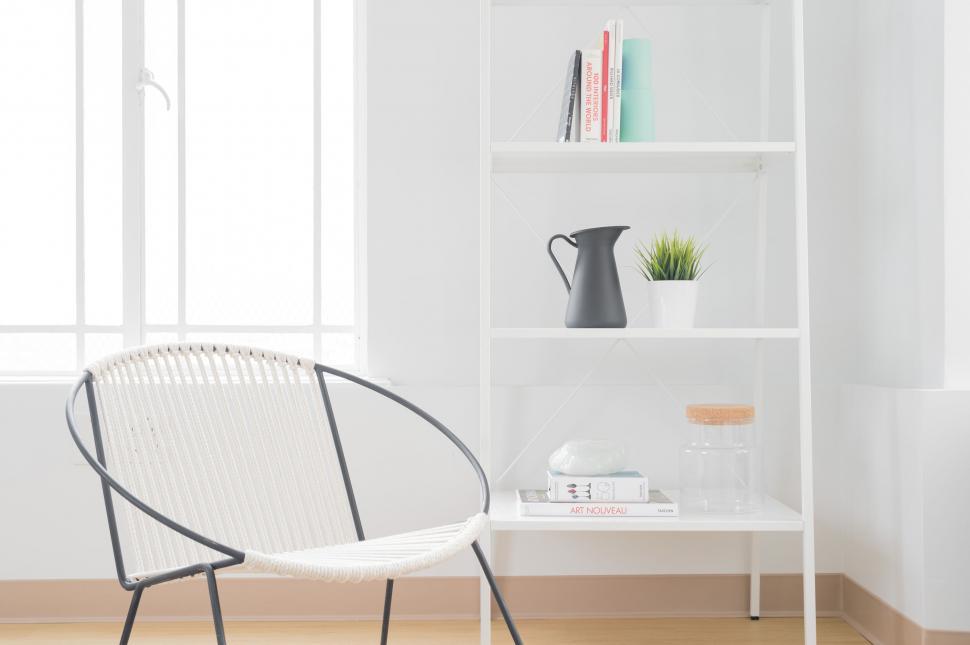
Having fewer possessions often means each item has to do more work. When something breaks or goes missing, the impact is larger because there’s no backup. This can create low-level anxiety around protecting and maintaining what you own. Instead of freedom, you get fragility.
This is included because redundancy is a well-established stress buffer in systems design and daily life. Extra towels, chargers, or pantry staples reduce the consequences of small failures. Minimalism removes that buffer if taken too far. The result is a lifestyle that looks clean but feels precarious.
9. Minimalism Can Turn Into Identity Pressure
For some people, minimalism becomes more than a tool and turns into an identity. Once that happens, deviations feel like personal failures rather than neutral choices. Identity-based habits are harder to adjust when circumstances change. Stress increases when flexibility disappears.
This is worth including because identity rigidity is linked to anxiety and burnout. Life naturally shifts, and lifestyles need to shift with it. When minimalism becomes who you are instead of what you use, it loses adaptability. Tools should serve people, not define them.
10. Digital Minimalism Can Accidentally Remove Useful Friction

Reducing apps, notifications, and online noise can improve focus. The downside is removing systems that provided reminders, shortcuts, or social cues. Some friction is actually helpful for memory and accountability. Eliminating it can create new stress points.
This belongs on the list because cognitive offloading is a well-documented benefit of digital tools. Calendars, notes, and reminders reduce mental load. When digital minimalism cuts too deeply, the brain has to work harder. Less digital clutter shouldn’t mean more cognitive strain.
11. Minimalism Often Ignores the Reality of Energy Levels
Minimalist advice often assumes consistent motivation and energy. In real life, energy fluctuates due to health, work, and emotional demands. Systems that only work on “good days” fail when energy is low. That mismatch creates stress and self-blame.
This final entry matters because sustainable systems account for human variability. Backup options, convenience items, and small indulgences exist for a reason. Minimalism that only works at peak capacity isn’t realistic. The line between calm and stress is crossed when a system stops supporting you on hard days.
This post The Line Between Minimalism and Stress Is Thinner Than It Looks was first published on Greenhouse Black.
