
1. St. Petersburg, Florida

St. Petersburg attracts retirees with sunshine and no state income tax. Condos and smaller homes can look affordable compared to other coastal cities. Daily life in Florida includes insurance realities. Home and flood insurance costs have risen sharply.
Utilities run high during long, humid summers. Seasonal population swings affect traffic and service pricing. Healthcare access is good, but demand drives up costs. The lifestyle is appealing, but budgeting requires care.
2. San Antonio, Texas
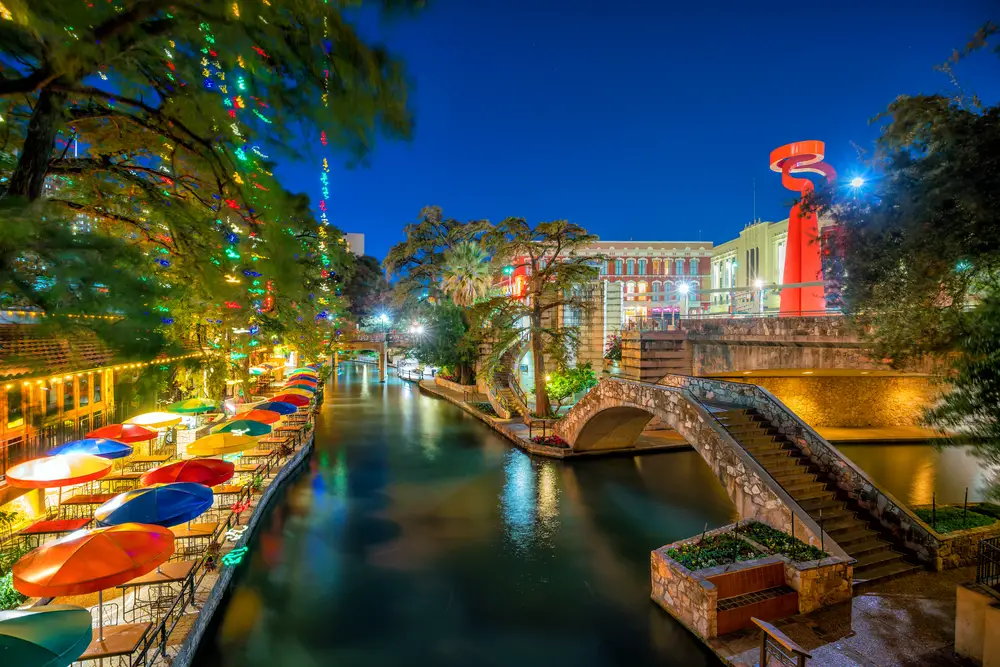
San Antonio feels affordable at first because housing costs undercut many big cities. The lack of state income tax also makes retirement budgets look friendlier. Daily life, however, brings some Texas-specific trade-offs. Property taxes are high, and they don’t stop rising once you settle in.
Utilities can be expensive during long, hot summers when air conditioning is nonstop. The city is spread out, so owning and maintaining a car is almost mandatory. Healthcare options are plentiful, but wait times and out-of-pocket costs can surprise newcomers. Over time, the tax savings get balanced out by everyday expenses.
3. Greenville, South Carolina
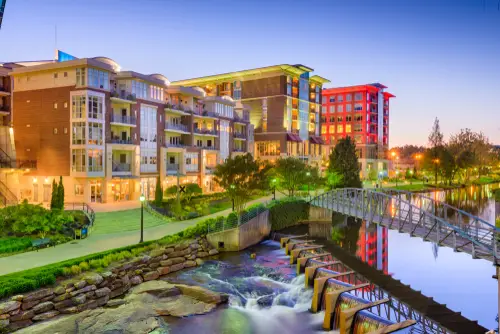
Greenville has charm, walkable areas, and housing that still looks reasonable on paper. Many retirees are drawn in by the slower pace and mild winters. Once you’re settled, sales taxes and fees start to stand out. South Carolina taxes groceries, which hits fixed incomes harder than expected.
Healthcare quality varies widely depending on where you live in the region. Utilities can spike during humid summers and cold snaps in winter. Insurance costs, especially for homes, are higher than many anticipate. The city is livable, but it’s not as cheap as the first glance suggests.
4. Knoxville, Tennessee
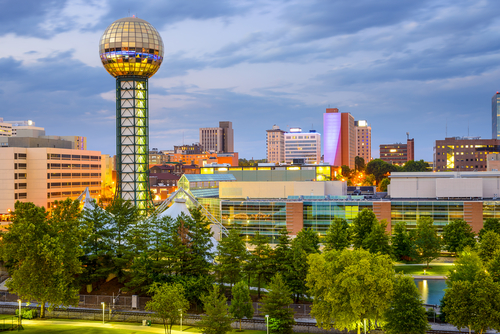
Knoxville attracts retirees with no state income tax and relatively low home prices. The mountains and college-town energy make it feel like a hidden deal. Daily life introduces costs tied to geography and infrastructure. Gas, car maintenance, and limited public transit quickly become budget staples.
Healthcare options exist, but specialized care often means longer drives. Utility bills fluctuate with hot summers and damp winters. Sales taxes are high and applied broadly, including to essentials. Over time, the lack of income tax feels less dramatic than expected.
5. Mobile, Alabama
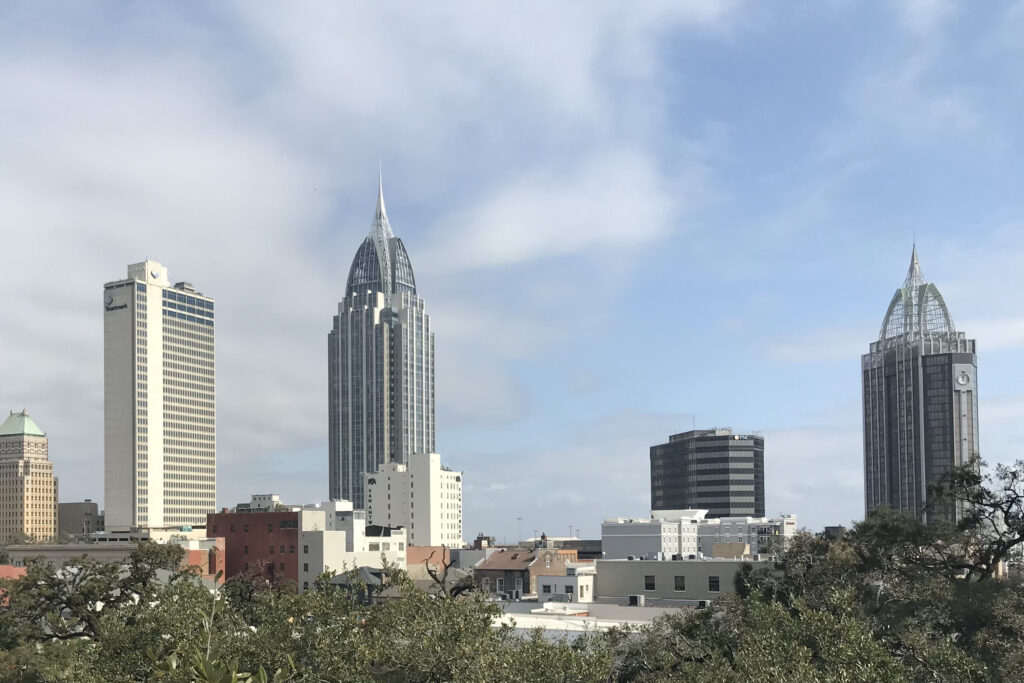
Mobile’s low housing costs and coastal access can look like a retirement win. The cultural scene and food are appealing without big-city prices. Living near the Gulf comes with ongoing expenses. Insurance premiums, especially for homeowners, are a major factor.
Utilities can be unpredictable with heat, humidity, and storm preparation. Healthcare choices are more limited than newcomers often assume. Everyday shopping options may require longer drives, adding transportation costs. What feels inexpensive at move-in becomes more complicated month by month.
6. Des Moines, Iowa
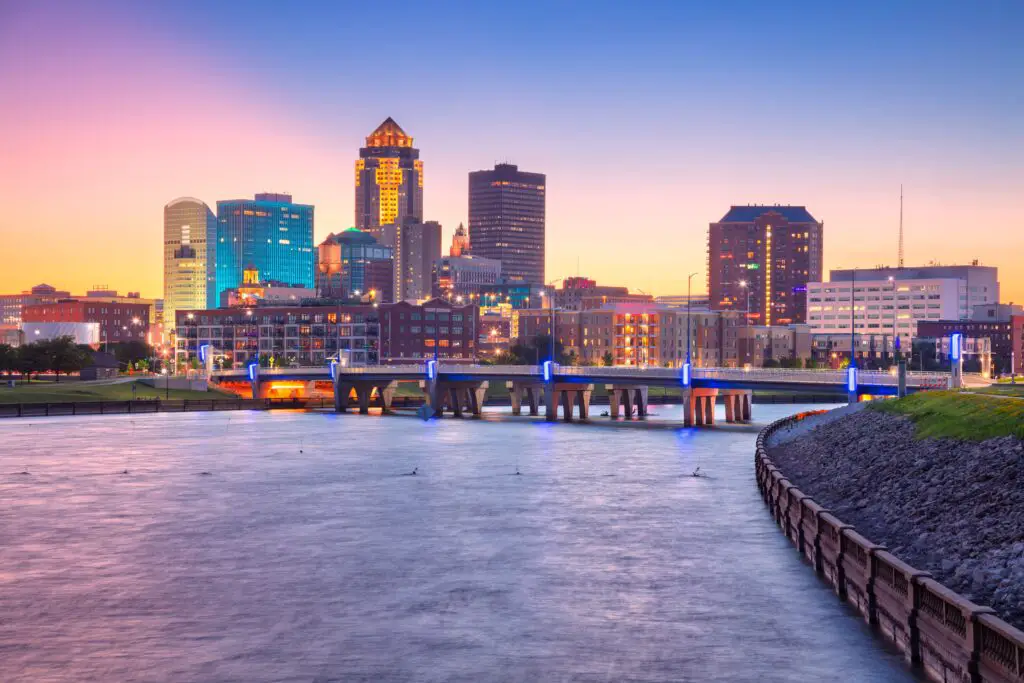
Des Moines often surprises retirees with its affordability and stability. Housing prices and overall cost of living appear comfortably low. Iowa’s taxes, however, don’t disappear in retirement. Property taxes and state income taxes still affect many fixed-income households.
Winters drive up heating bills and home maintenance costs. Healthcare is reliable, but not always close if you live outside the core areas. Groceries and utilities trend higher during extreme weather seasons. The city remains reasonable, just not effortlessly cheap.
7. Omaha, Nebraska
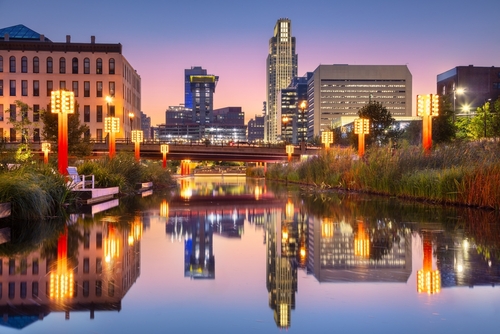
Omaha is frequently praised for reasonable housing and a strong local economy. Retirees like the sense of safety and manageable size. Nebraska’s tax structure can catch people off guard. Property taxes are among the highest in the region.
Cold winters mean serious heating costs and vehicle upkeep. Healthcare quality is good, but insurance premiums can be steep. Public transportation is limited, increasing reliance on cars. The affordability narrative softens once routine bills roll in.
8. Pittsburgh, Pennsylvania
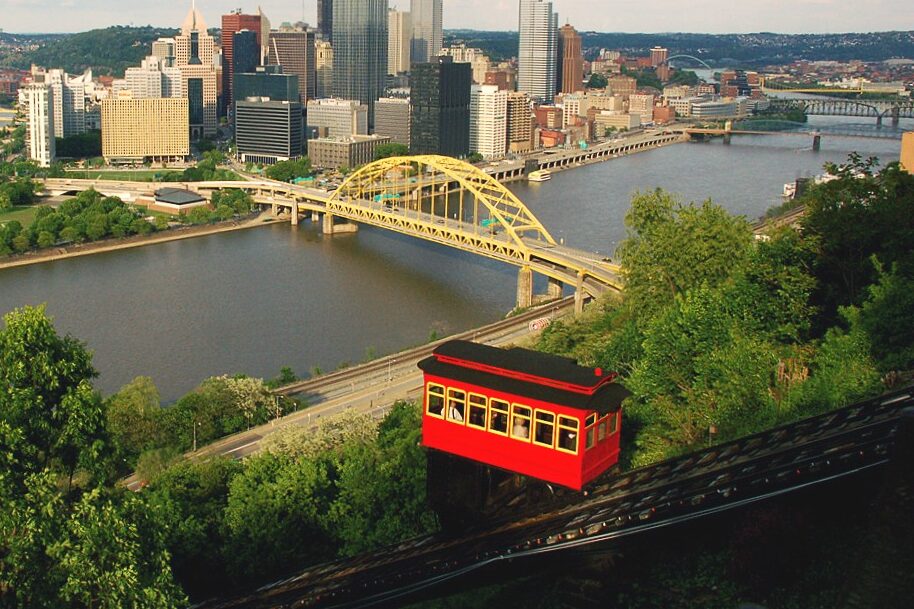
Pittsburgh’s housing market looks like a bargain compared to other Northeastern cities. Retirees are drawn to its cultural institutions and medical centers. Many homes are older, which brings higher maintenance and utility costs. City and local taxes still apply even if state retirement income taxes don’t.
Healthcare access is excellent, but not inexpensive. Winters add heating bills and snow-related expenses. Parking, tolls, and fees are part of daily life. The city remains livable, but the true costs reveal themselves over time.
9. Buffalo, New York
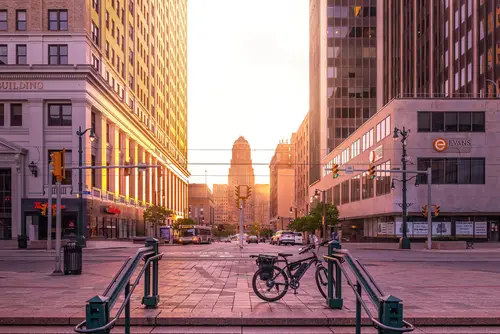
Buffalo’s low home prices can feel like a retirement loophole. The sense of community and waterfront access are real draws. Daily life is shaped by the weather more than newcomers expect. Heating costs during long winters are significant.
New York’s taxes and fees affect everyday spending. Healthcare access is solid, but premiums and out-of-pocket costs can be high. Snow removal, car rust, and maintenance become routine expenses. The affordability depends heavily on how well you budget for winter.
10. Albuquerque, New Mexico

Albuquerque often appeals to retirees seeking culture and sunshine on a budget. Housing costs still undercut many Western cities. The city’s layout makes driving unavoidable for most errands. Gas, insurance, and vehicle upkeep are constant line items.
Healthcare access can be uneven depending on neighborhood and specialty. Utilities fluctuate with temperature extremes and aging infrastructure. Some goods cost more due to regional supply chains. The lifestyle is rewarding, but not as inexpensive as it first appears.
11. Las Cruces, New Mexico
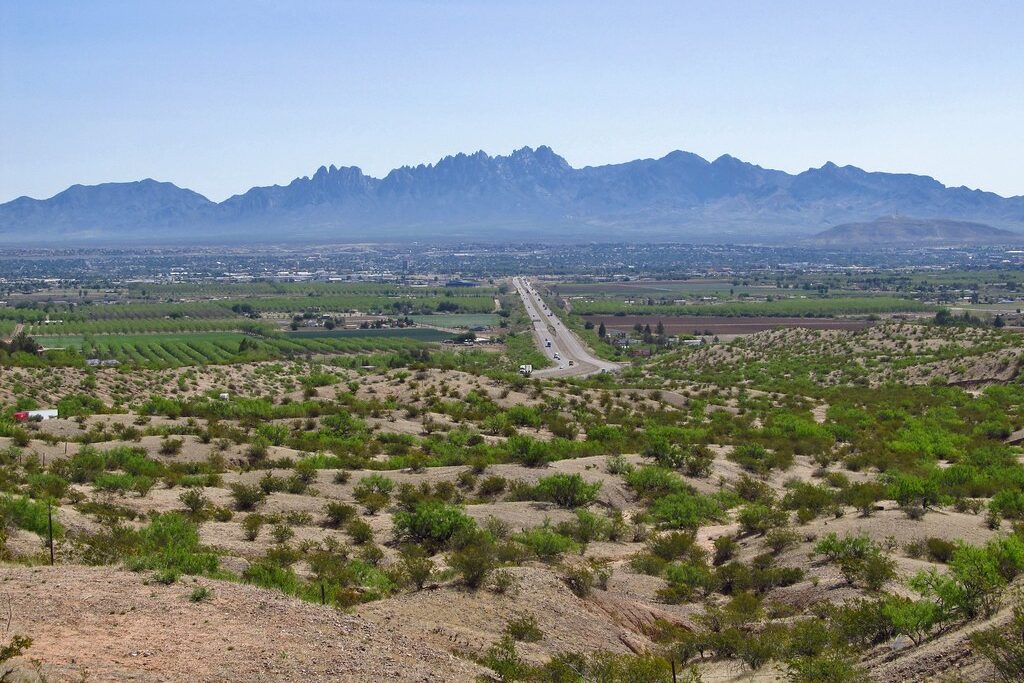
Las Cruces is frequently marketed as a low-cost retirement haven. Home prices and property taxes look appealing at first glance. The smaller size means fewer local services and shopping options. Many residents travel for healthcare, adding time and expense.
Utilities climb during hot desert summers. Limited competition can raise prices for everyday goods. Public transportation is minimal, increasing car dependence. The savings are real, but so are the trade-offs.
12. Tucson, Arizona
Tucson often looks like a bargain thanks to modest home prices and no snow shoveling. The climate and scenery pull in retirees who think their monthly costs will stay low. What’s easy to overlook is how much daily life revolves around air conditioning and driving. Summer electric bills and car-related expenses quietly add up.
Healthcare access is solid, but not always cheap, especially for specialists. Groceries can run higher than expected, particularly for fresh produce outside peak seasons. Property taxes may be reasonable, but home insurance in a desert climate isn’t free of surprises. By year two, many retirees realize the savings are thinner than they planned.
13. Boise, Idaho
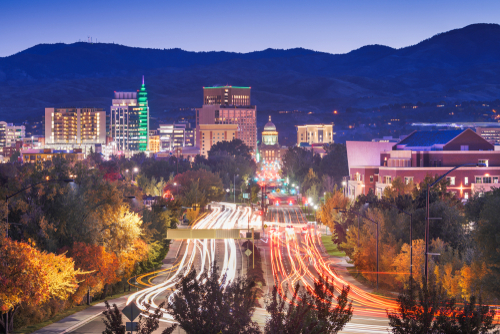
Boise once had a reputation as a hidden bargain for retirees. Housing still looks reasonable compared to larger West Coast cities. Rapid growth has pushed up everyday costs. Groceries, utilities, and services reflect increased demand.
Healthcare options are improving, but not always close by. Winters bring heating expenses and transportation challenges. Property taxes and fees continue to rise with development. The value is still there, just not the steal it once seemed.
14. Fayetteville, Arkansas
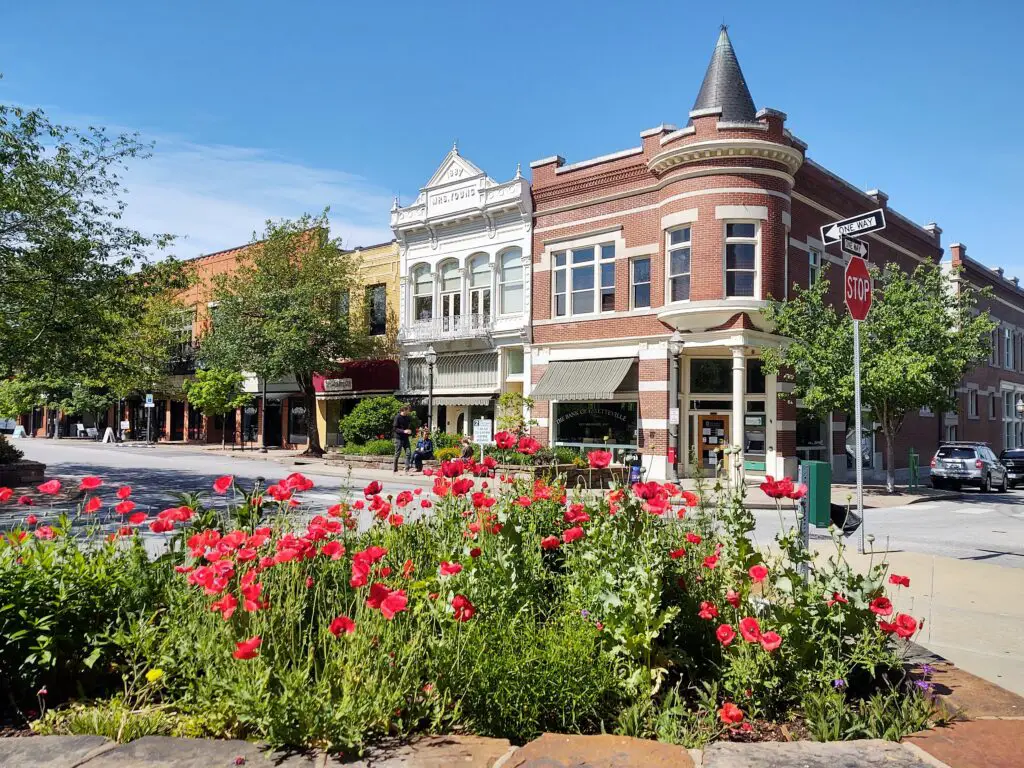
Fayetteville benefits from a college-town economy and relatively low housing costs. Retirees enjoy the trails, culture, and slower pace. Sales taxes apply broadly and add up quickly. Everyday errands often require driving across town.
Healthcare access is decent, but specialized care may mean travel. Utilities fluctuate with humid summers and chilly winters. Property maintenance costs can surprise newcomers in older neighborhoods. The town is pleasant, but daily life isn’t as cheap as expected.
This post Where Retirement Feels Cheap — Until Daily Life Sets In was first published on Greenhouse Black.
