
1. Your Phone Charger
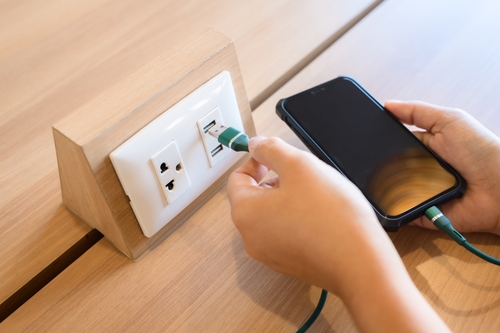
You don’t realize how specific your phone charger is until you grab a random one and nothing happens. Different phones require different wattages and charging standards, and a low-power charger can turn a quick top-up into an all-day affair. Some cables only support charging, not fast charging or data transfer. When your battery is at 3 percent, that distinction suddenly matters a lot.
The original charger is designed to safely deliver the right amount of power to your device. Cheap or incompatible replacements can overheat, charge inconsistently, or stop working altogether. USB-C may look universal, but not all USB-C chargers are equal. That’s when you learn your “just a charger” was doing more work than you thought.
2. A Good Kitchen Knife
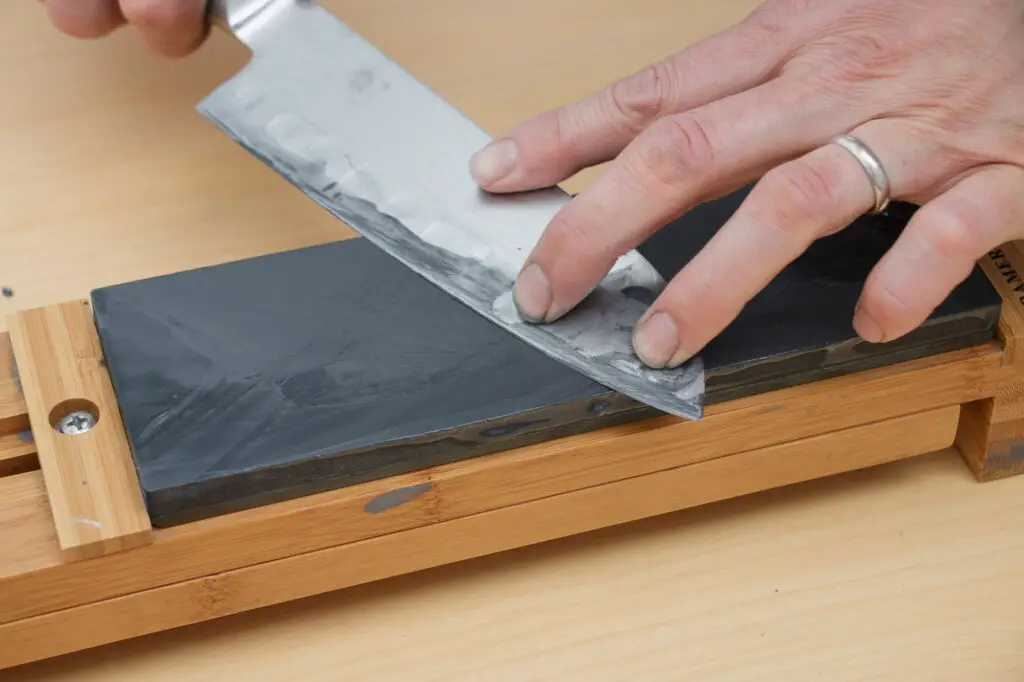
A knife seems like a knife until you try cooking with a dull or poorly balanced one. Suddenly, chopping onions takes twice as long and feels strangely unsafe. Cheap knives often crush food instead of slicing it cleanly. That affects texture, cooking time, and even flavor.
A well-made kitchen knife holds its edge and fits your hand properly. The weight and balance reduce wrist strain and improve control. You notice the difference most when prepping lots of ingredients. Once you’ve used a good knife, going back feels frustrating and inefficient.
3. Your Pillow

A pillow looks like one of the most replaceable objects in your house. Then you sleep on the wrong one and wake up with neck pain or a headache. Pillow height and firmness directly affect spinal alignment. That’s not subjective comfort; it’s basic anatomy.
Your usual pillow has likely adapted to your sleep position over time. Memory foam, down, and latex all behave differently under pressure. Swapping it out can disrupt sleep quality for days or weeks. That’s when you realize your pillow was quietly doing an important job every night.
4. Sunglasses
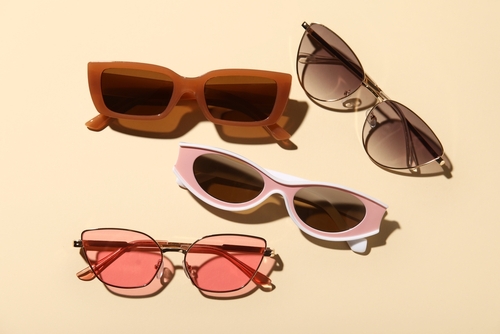
Any sunglasses will block the sun, right up until your eyes start hurting. Poor-quality lenses can distort vision and fail to block UV light properly. Dark lenses without UV protection can actually make eye strain worse. That’s because your pupils dilate behind them.
Good sunglasses are engineered to block 100 percent of UVA and UVB rays. The lens clarity also reduces glare and visual fatigue. You notice this most while driving or spending hours outdoors. Suddenly, those “overpriced” sunglasses feel like safety equipment.
5. Your Computer Mouse
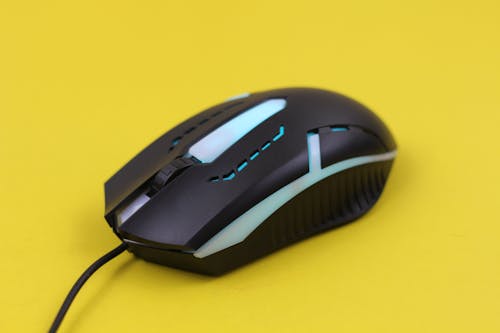
A mouse looks interchangeable until you use one that doesn’t fit your hand. Click resistance, sensor accuracy, and shape all affect comfort and precision. Cheap mice often skip or lag, especially on certain surfaces. That’s incredibly distracting during work or gaming.
Your usual mouse matches your grip style, whether you realize it or not. The scroll wheel tension and button placement become muscle memory. Switching to a random mouse slows you down immediately. That’s when you appreciate how customized your original one felt.
6. An Umbrella

An umbrella is just something to block rain until it turns inside out in a gust of wind. Cheap umbrellas often use flimsy ribs and weak locking mechanisms. They fail precisely when weather is at its worst. That’s when “any umbrella” stops being true.
A well-made umbrella balances flexibility and strength. It sheds wind instead of fighting it, which prevents breakage. The canopy fabric also matters for water resistance and drying time. Once you’ve owned a good one, disposable umbrellas feel pointless.
7. Your Backpack or Daily Bag

All bags can carry stuff, but not all can carry it comfortably. Poor strap design can dig into your shoulders or strain your back. Uneven weight distribution becomes noticeable after just a few minutes. That discomfort adds up over time.
Your regular bag likely has pockets exactly where you need them. The padding and structure protect electronics and other essentials. When you switch to a random bag, everything feels harder to find. You quickly miss the thought that went into your usual one.
8. Scissors
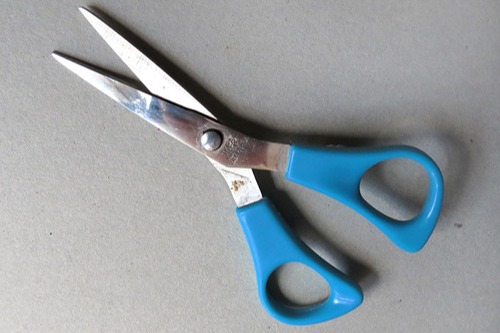
Scissors seem universally replaceable until they won’t cut cleanly. Dull blades fold paper instead of slicing it. Cheap hinges cause the blades to separate under pressure. That makes even simple tasks annoying.
Good scissors stay aligned and sharp over years of use. They’re designed for specific materials like fabric, paper, or cardboard. Using the wrong pair can damage both the scissors and what you’re cutting. That’s when you realize why some pairs are never borrowed.
9. Your Keyboard

A keyboard is just keys until your fingers start making mistakes. Key travel, spacing, and resistance all affect typing speed and accuracy. Flat or mushy keys can cause fatigue over long sessions. That’s not a preference issue; it’s ergonomics.
Your usual keyboard matches your typing rhythm. Muscle memory develops around layout and feedback. Switching to an unfamiliar one slows you down instantly. You suddenly appreciate how invisible your good keyboard normally feels.
10. Measuring Cups and Spoons

Measuring tools seem identical until your recipe turns out wrong. Inaccurate or poorly marked cups lead to inconsistent results. Baking especially depends on precise ratios. A small error can change texture or structure completely.
Quality measuring tools are clearly labeled and standardized. They hold true volumes and nest properly for storage. Cheap sets often vary slightly between pieces. That’s when you learn why serious cooks guard their measuring tools.
11. Your Power Strip

A power strip feels like a basic plastic bar with outlets. Then you overload a cheap one and it shuts down or overheats. Some lack proper surge protection altogether. That puts your electronics at risk.
Good power strips include certified surge protection and internal safeguards. They’re rated for specific loads and built to handle them. The spacing between outlets also matters for bulky plugs. When something fails, you realize this wasn’t a trivial accessory.
12. Your Can Opener
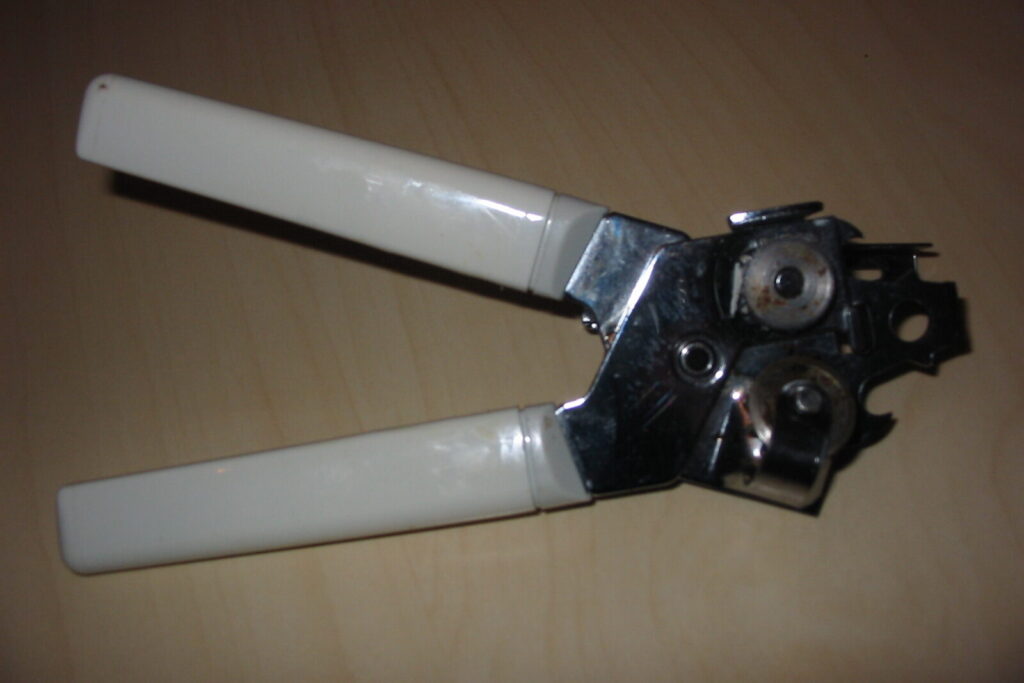
A can opener is easy to replace until it won’t grip the lid. Cheap gears slip, leaving jagged edges or half-open cans. That’s both frustrating and unsafe. Suddenly, opening dinner becomes a struggle.
A solid can opener cuts smoothly and cleanly every time. The cutting wheel stays sharp and aligned. Ergonomic handles reduce hand strain, especially for frequent use. Once you’ve used a good one, broken openers feel oddly personal.
This post 12 Objects That Seem Replaceable Until You Try was first published on Greenhouse Black.
