
1. Plants became fewer and healthier.

Houseplants are still associated with cozy interiors, but quantity is no longer the goal. A few thriving plants now feel calmer than many struggling ones. This is specific and fact-checkable because plant care affects appearance directly. Yellowing leaves and overcrowded pots signal neglect, not comfort.
This belongs on the list because plants are emotional cues. Healthy greenery suggests care and routine, which people associate with coziness. Too many plants can block light and interrupt flow. The shift reflects a preference for well-maintained life over visual abundance.
2. Lighting got warmer, but also more intentional.
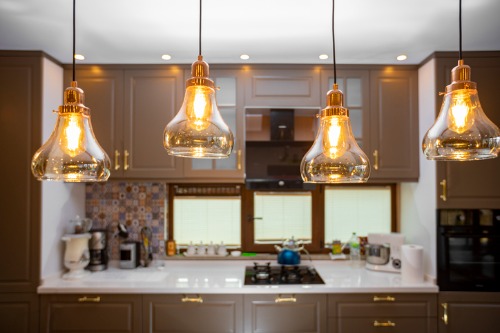
Warm lighting has long been associated with cozy spaces, but the shift is about placement, not just color temperature. Table lamps, wall sconces, and floor lamps now replace harsh overhead lights in many homes. This change matters because multiple light sources reduce visual stress and create depth instead of visual noise. Too many mismatched lamps, however, can quickly tip a room from cozy into cluttered.
The reason this belongs on the list is that lighting is often the first thing people notice subconsciously. A single warm bulb in the wrong fixture can still feel chaotic if it creates glare or uneven shadows. Designers increasingly recommend layered lighting plans, which is a documented best practice in interior design. That guidance helps explain why intentional lighting reads as cozy while random lighting reads as clutter.
3. Textiles became layered with limits.
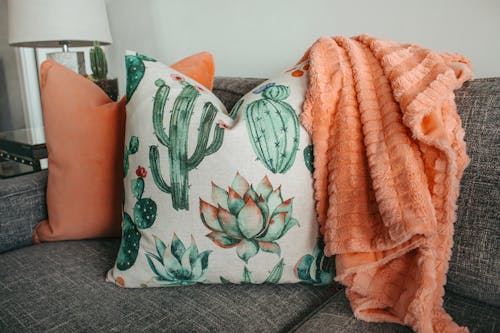
Throw blankets, pillows, and rugs are classic cozy signals, but the modern shift is about restraint. A few tactile materials like wool, linen, or cotton create warmth without overwhelming a space. This distinction matters because too many patterns or textures compete for attention. When everything is soft, nothing feels calm.
This earns its spot because textiles are easy to overdo and hard to edit. Social media imagery has shown that two or three well-chosen layers feel inviting and lived-in. In contrast, piles of throws or excess pillows often end up unused and visually busy. The difference is not comfort, but clarity.
4. Open shelving stopped being purely decorative.
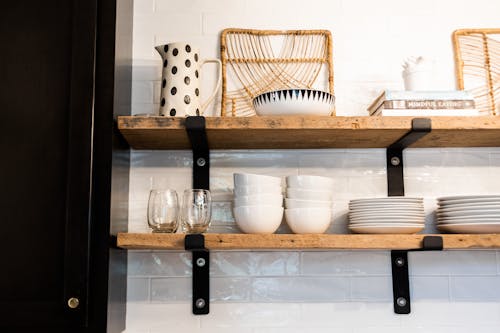
Open shelves once signaled personality and charm, but expectations have changed. They now work best when the items on them are used regularly. This matters because functional objects justify their visual presence. Decorative-only clutter is more likely to read as mess.
The inclusion here is important because kitchens and living spaces drove this shift. People realized that unused decor collected dust and visual weight. A shelf with everyday dishes or books feels honest and cozy. A shelf packed with random objects feels unresolved.
5. Small spaces stopped pretending to be large.
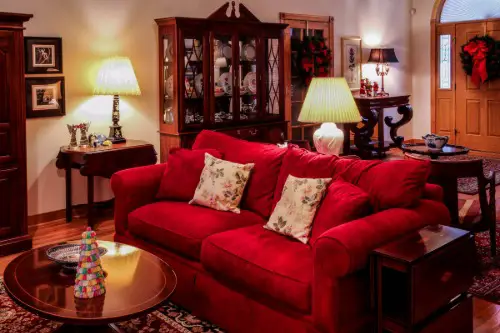
Cozy spaces now embrace their size instead of fighting it. Oversized furniture and excess decor in small rooms feel cluttered faster than before. This matters because scale directly affects how the brain reads order. Appropriately sized pieces allow a room to breathe.
The reason for inclusion is that urban living and smaller homes made this obvious. People spending more time at home noticed how cramped layouts increased stress. Choosing fewer, better-fitting items improved comfort. Cozy became about acceptance rather than illusion.
6. Storage became visible but curated.

Clear bins, baskets, and labeled containers are now common in cozy homes. The shift is that visible storage must look intentional. This is specific because organization systems are designed to reduce cognitive load. Random piles, even when contained, still feel cluttered.
This makes the list because storage habits changed with remote work. People needed easy access to daily-use items without chaos. A basket with purpose feels comforting. A basket full of mixed, forgotten items does not.
7. Personal objects started needing a story.
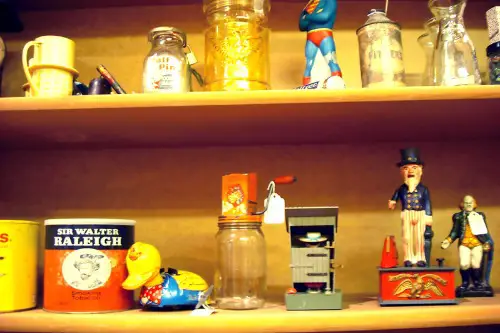
Photos, souvenirs, and heirlooms still signal warmth, but context matters more. Items feel cozy when their meaning is clear or shared. This matters because unexplained objects register as visual interruptions. Familiarity reduces mental friction.
This deserves inclusion because people are editing their displays more carefully. One framed photo can feel warmer than ten scattered trinkets. The difference lies in intention, not sentimentality. Cozy now favors connection over accumulation.
8. Color palettes narrowed.
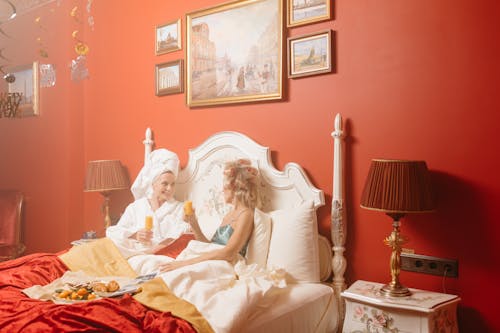
Neutral and limited color schemes are now more closely associated with coziness. This does not mean color disappeared, but that it became more controlled. This is factual because color theory links harmony with reduced visual stress. Too many colors create distraction.
The reason this matters is that clutter is often about contrast overload. A tight palette allows the eye to rest. Accent colors feel special when they are rare. Cozy shifted toward calm rather than stimulation.
9. Cables and tech became part of the equation.

Visible cords and excess devices now push spaces toward clutter faster than before. Cozy rooms account for charging, storage, and screen placement. This matters because modern homes are full of technology. Ignoring it creates mess by default.
This belongs here because daily life changed with more devices. Cable management solutions are widely available and increasingly expected. A single visible cord can break the illusion of calm. Cozy now includes digital tidiness.
10. Scent became intentional, not layered.

Candles and diffusers are still popular, but overuse changed their effect. One consistent scent now feels cozy, while many competing ones feel chaotic. This is specific because scent fatigue and sensory overload are well-documented. Too many fragrances create discomfort.
The inclusion is important because scent is invisible but powerful. People associate calm with predictability. Mixing candles, sprays, and diffusers muddies the atmosphere. Cozy shifted toward subtlety over intensity.
11. Furniture started earning its footprint.
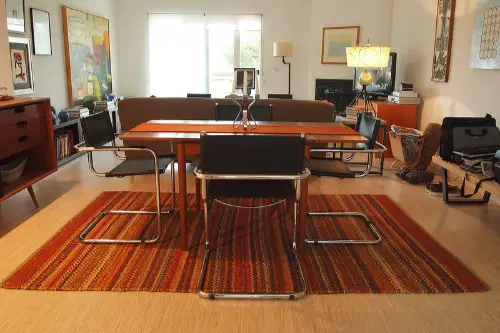
Each major piece now needs a clear function. Extra chairs, side tables, or stools feel cluttered if they are rarely used. This matters because furniture defines movement and flow. Obstructions increase perceived mess.
This makes the list because people became more aware of how they move at home. Daily routines exposed unnecessary items quickly. Cozy now favors usefulness over backup options. Space itself became part of comfort.
12. “Lived-in” stopped meaning “untouched.”
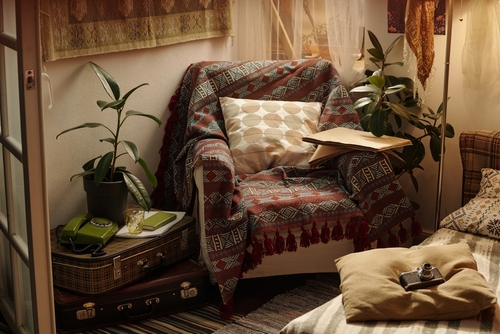
Cozy used to imply a bit of mess, but that definition tightened. Signs of life are welcome, signs of neglect are not. This matters because people differentiate between use and disorder. One open book feels cozy, five scattered ones feel cluttered.
This belongs here because it sums up the shift. Intentional traces of living feel human and warm. Accumulated disorder feels draining. Cozy is no longer about abundance, but about care.
This post The Differences Between “Cozy” and “Cluttered” Just Shifted was first published on Greenhouse Black.
