
1. Las Vegas, Nevada

Las Vegas attracts retirees with no state income tax and abundant entertainment. After several months, the relentless summer heat and desert environment start to feel confining. Daytime errands become strategic missions planned around temperature and shade. Utility bills rise sharply during peak heat months.
Healthcare availability can also surprise newcomers. Nevada consistently ranks low in physicians per capita, especially for specialists. Retirees may find fewer choices and longer waits than in the states they left behind. The city’s transient population can make continuity of care harder to maintain.
2. Coastal Florida
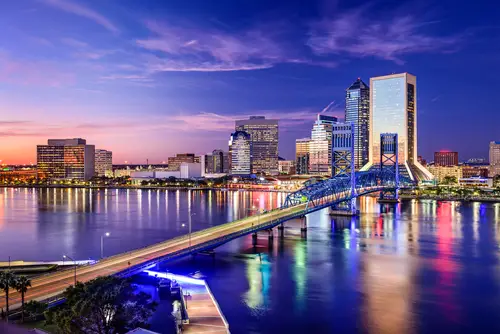
For the first few months, coastal Florida feels like the retirement brochure come to life, with warm mornings and palm-lined streets. By month six, many retirees confront soaring homeowners insurance premiums and shrinking coverage options tied to hurricane risk. Property taxes and special assessments can also jump after purchase, especially in condo-heavy areas. Add crowded seasonal traffic that never fully clears, and the shine starts to dull.
Healthcare access can be another surprise once the novelty wears off. Popular retiree counties often have long wait times for specialists because demand far outpaces supply. Snowbirds leaving in spring can temporarily mask this problem, but full-time residents feel it year-round. It’s not uncommon to drive an hour or more for certain appointments.
3. Phoenix, Arizona

Phoenix often wins retirees over with sunshine, golf courses, and relatively new housing. Around month six, the reality of sustained extreme heat sets in, with summer temperatures regularly exceeding 110°F. Outdoor routines shrink dramatically, and energy bills spike as air conditioning runs nonstop. What felt like a dry, manageable heat becomes physically limiting.
Water concerns also move from abstract to personal. Long-term drought and restrictions become part of daily conversation and municipal planning. Landscaping rules, water rates, and future supply worries can feel unsettling for those planning decades ahead. Many retirees realize they are spending far more time indoors than expected.
4. Texas Hill Country
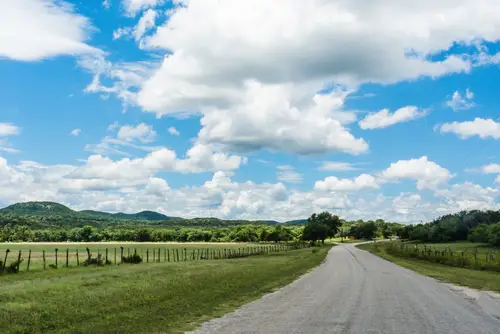
The Hill Country promises rolling landscapes, friendly towns, and a lower cost of living than major metros. After settling in, many retirees are caught off guard by high property taxes that offset the lack of state income tax. Annual increases can be significant, especially in fast-growing counties. Fixed incomes start to feel tighter than expected.
Healthcare access varies widely by town. Smaller communities often lack nearby hospitals or specialists, requiring long drives for routine care. Summer heat and humidity can also rival deeper South Texas in intensity. What felt like a peaceful retreat can start to feel isolating.
5. Inland Southern California

Inland Southern California appeals to retirees priced out of the coast but still wanting sunshine. By month six, many realize they traded ocean breezes for extreme heat and air quality issues. Summer temperatures regularly soar, and wildfire smoke can linger for weeks. Outdoor plans become unpredictable.
The cost of living also creeps up faster than anticipated. California’s taxes, insurance costs, and utility rates add up even away from the beach. Healthcare is available, but navigating large systems can feel impersonal and slow. The affordability gap between expectation and reality becomes clearer over time.
6. Coastal South Carolina
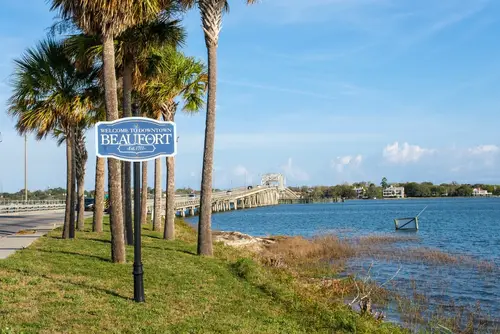
Coastal South Carolina sells a slower pace, historic charm, and mild winters. After several months, hurricane season brings higher insurance premiums and real anxiety. Flood zones and storm surge maps suddenly matter in very practical ways. Even routine storms can disrupt daily life.
Tourism also changes the experience. Popular coastal towns swell dramatically during peak seasons, straining roads and services. Medical specialists may be limited outside larger cities like Charleston. Retirees often realize they’re sharing a small-town infrastructure with a booming visitor economy.
7. Tennessee (Outside Major Cities)
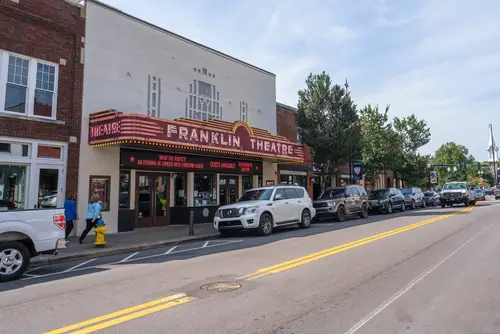
Tennessee’s lack of state income tax makes it a retirement favorite. Six months in, many retirees notice the trade-offs in sales taxes and local service funding. Healthcare access can be limited outside Nashville, Knoxville, and Memphis. Rural hospital closures have left gaps in care.
Rapid population growth has also changed once-quiet areas. Traffic, housing costs, and noise increase faster than expected. Summers are hotter and more humid than many newcomers anticipate. The balance between affordability and livability starts to shift.
8. Montana
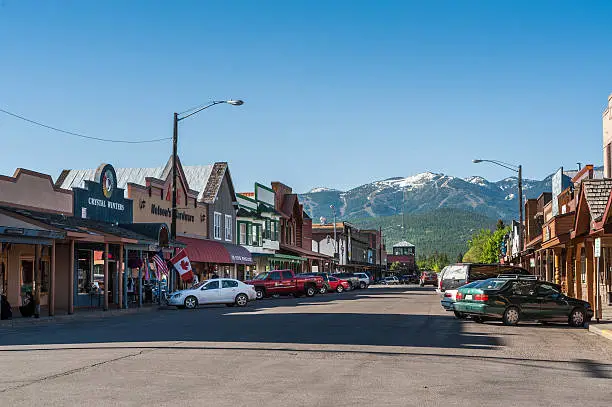
Montana attracts retirees dreaming of open space and mountain views. After half a year, long winters and isolation become more tangible. Snow, ice, and limited daylight can stretch on for months. Social opportunities shrink dramatically outside tourist seasons.
Healthcare access is a major challenge. Many towns lack specialists, and even basic services can require long drives. Emergency care distances are a real concern as people age. The beauty remains, but the logistics grow heavier.
9. Idaho
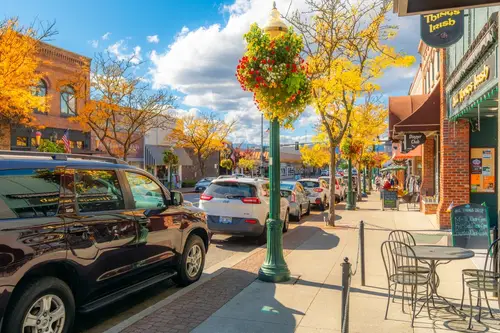
Idaho’s reputation for affordability and scenery has drawn waves of retirees. By month six, many discover housing costs have risen sharply due to rapid in-migration. Property taxes and utilities can be higher than expected in growing areas. What once felt like a bargain starts to feel competitive.
Healthcare shortages mirror those in neighboring states. Specialists can be scarce, especially outside Boise. Winters are colder and longer than many transplants plan for. The adjustment from vacation vibes to full-time living can be jarring.
10. Colorado Mountain Towns
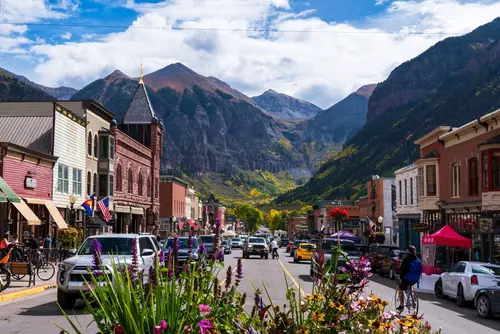
Mountain towns in Colorado promise fresh air and postcard views. After settling in, retirees often struggle with altitude-related health issues. Shortness of breath and sleep problems are common for newcomers. These challenges don’t always resolve over time.
The cost of living is another wake-up call. Groceries, utilities, and home maintenance cost more in remote areas. Wildfire risk and insurance concerns add stress. What felt like a dream setting begins to demand constant adaptation.
11. Maine
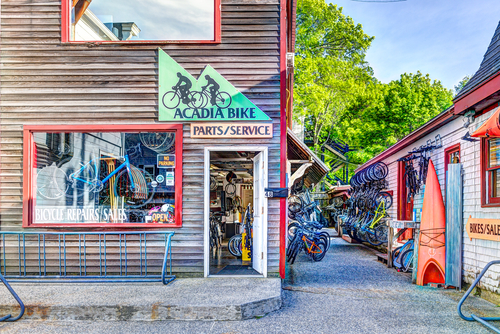
Maine draws retirees with coastal charm and cooler summers. After six months, the reality of long, dark winters becomes clear. Snow removal, heating costs, and icy roads dominate daily life. Seasonal isolation can affect mental health.
Healthcare access is uneven, especially in rural and coastal regions. Many retirees must travel significant distances for specialists. Aging infrastructure and limited public transportation add complexity. The romantic quiet can feel restrictive over time.
12. New Mexico
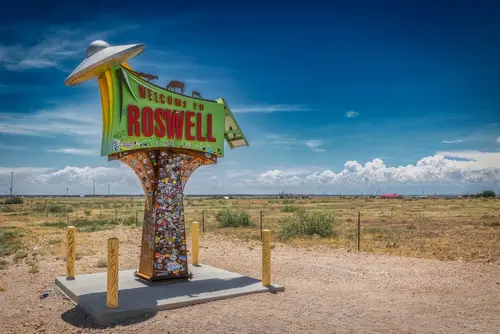
New Mexico offers culture, scenery, and relatively affordable housing. Six months in, retirees often confront the state’s well-documented healthcare shortages. Access to specialists can be limited outside Albuquerque and Santa Fe. Long wait times are common.
Infrastructure challenges also surface. Roads, utilities, and public services can feel underfunded. High-desert climates mean big temperature swings that surprise newcomers. The beauty remains, but practical frustrations accumulate.
13. Louisiana Gulf Coast
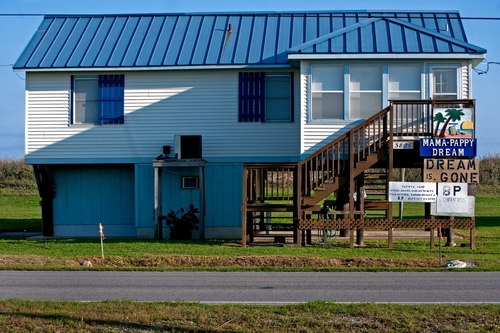
The Gulf Coast of Louisiana appeals with food, culture, and mild winters. After several months, hurricane risk and flooding concerns become personal. Insurance costs and coverage limitations are ongoing worries. Even minor storms can disrupt daily routines.
Healthcare access varies widely by location. Outside major cities, options can be limited. Heat and humidity last longer than many retirees expect. The lifestyle remains rich, but resilience becomes a requirement.
14. West Virginia
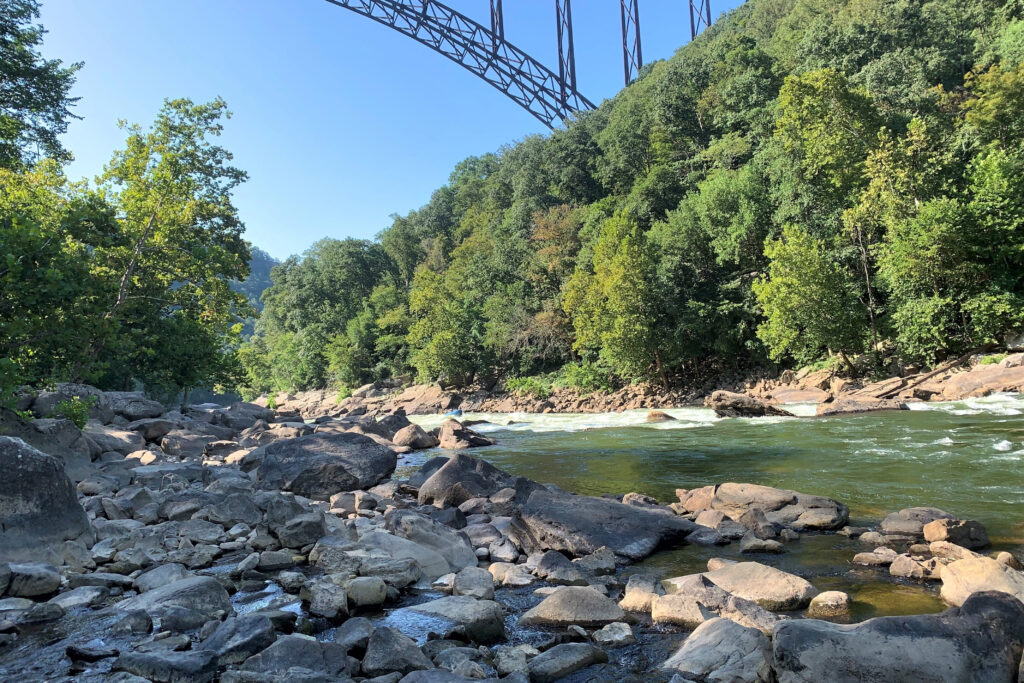
West Virginia attracts retirees seeking low housing costs and quiet living. By month six, many realize healthcare access is a significant challenge. Hospital closures and specialist shortages are common in rural counties. Travel for care becomes routine.
Economic limitations also affect local services. Infrastructure and public transportation are often minimal. Winters can be harsher than anticipated in mountainous areas. The low cost of entry comes with long-term trade-offs.
This post The Retirement Fantasy Starts Cracking in These Places After Month Six was first published on Greenhouse Black.
