
1. Using Magic Erasers on Painted Walls
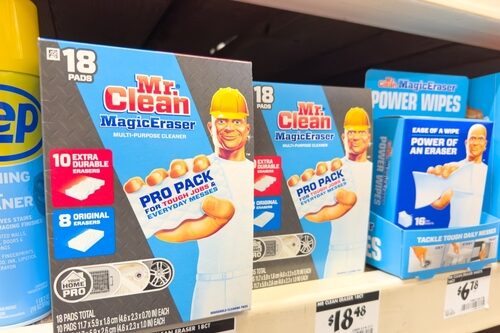
Magic erasers feel like a cheat code for scuffs and marks. They work by micro-abrasion, not gentle cleaning. On painted walls, they remove sheen along with the stain. This creates dull patches that stand out in certain lighting.
Spotty sheen makes walls look poorly repainted. Buyers often interpret this as cheap or rushed maintenance. Fixing it usually requires repainting entire walls. Repainting adds cost and lowers perceived move-in readiness.
2. Scrubbing Natural Stone with Acidic Cleaners

It feels logical to reach for vinegar or lemon when you want something really clean. On natural stone like marble, granite, or travertine, those acids actually etch the surface. Etching dulls the polish and leaves cloudy marks that never fully wash away. Buyers notice stone damage immediately because countertops and floors are high-visibility features.
Once stone is etched, normal cleaning won’t fix it. Repair usually means professional polishing or resurfacing, which can be expensive. Repeated acid cleaning over years compounds the damage and lowers perceived quality. That perception directly affects resale value because stone is expected to age gracefully.
3. Steam Cleaning Hardwood Floors
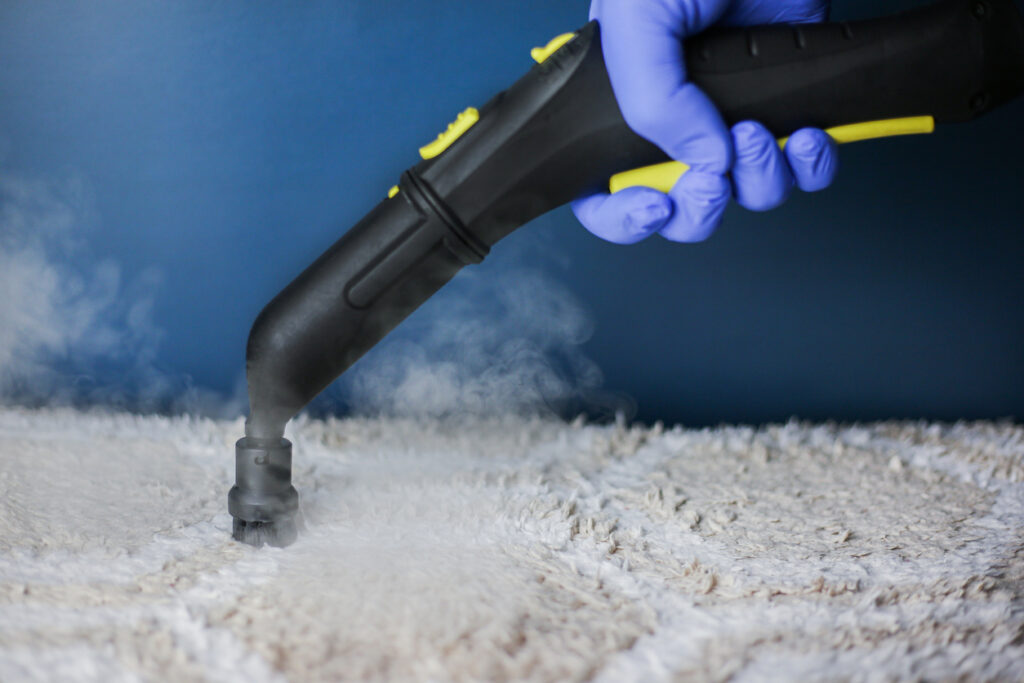
Steam mops are marketed as a deep-clean miracle for every floor type. Hardwood floors, however, are sensitive to heat and moisture. Steam forces moisture into seams and beneath the finish. That moisture can cause cupping, warping, or finish failure.
Damage from steam cleaning often shows up months later, not right away. Buyers and inspectors see warped boards as a sign of poor care. Repairing hardwood usually involves sanding or board replacement. Both options are costly and reduce the home’s resale appeal.
4. Over-Wetting Carpets During DIY Cleaning

Renting a carpet cleaner feels like a responsible pre-sale move. The problem comes when carpets are soaked rather than lightly rinsed. Excess water can seep into padding and subfloors. That creates lingering odors and potential mold growth.
Mold and mildew issues are serious concerns for buyers. Even without mold, damp carpets break down faster and look matted. Inspectors may flag moisture-related staining or smells. Those flags often lead to price reductions or replacement demands.
5. Using Wax or Heavy Polish on Floors
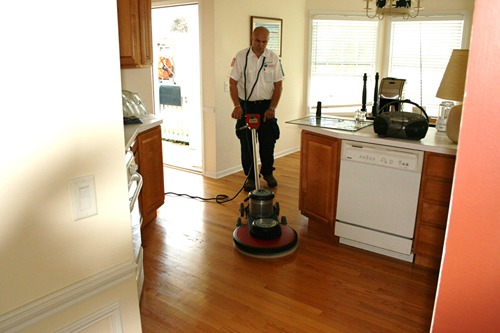
Floor wax and shine products promise instant gloss. Over time, they build up unevenly and turn yellow or cloudy. That buildup highlights scratches instead of hiding them. Floors start to look dated rather than well maintained.
Removing old wax requires stripping chemicals or professional service. Buyers often assume wax buildup is hiding damaged flooring. That suspicion lowers confidence in the home’s overall care. Lower confidence almost always impacts resale value.
6. Pressure Washing Too Aggressively
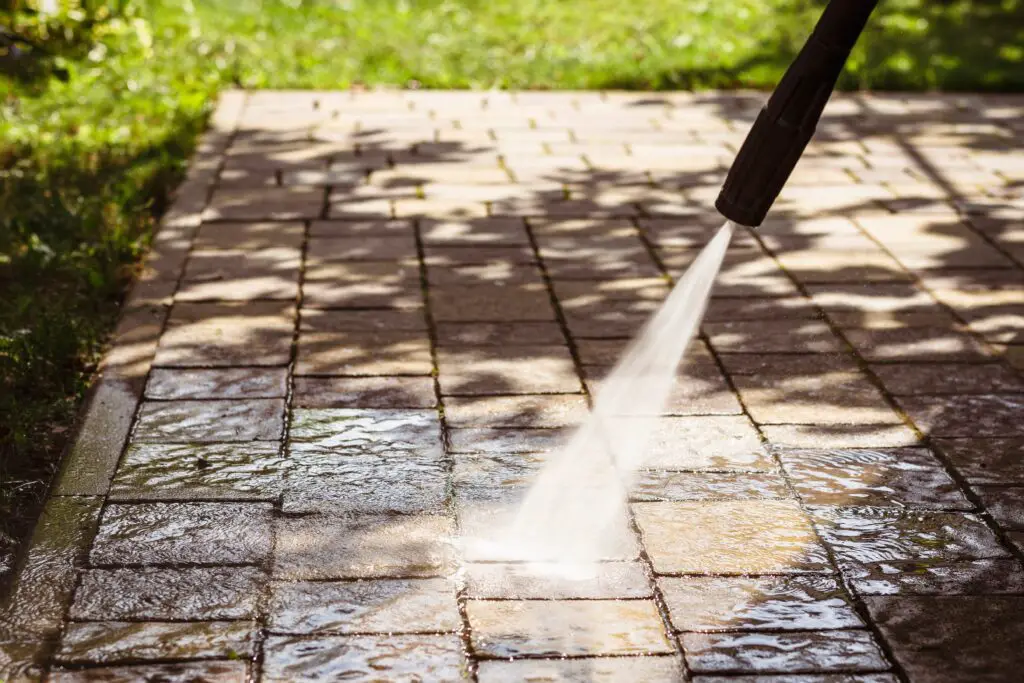
Pressure washing feels like the fastest way to refresh exterior surfaces. High pressure can damage siding, mortar, and wood. It can force water behind walls and under trim. That trapped moisture leads to rot and hidden damage.
Exterior damage is a major red flag during a home showing. Buyers may not see the water intrusion, but inspectors often do. Repairs to siding and trim are rarely cheap. Improper cleaning outside can quietly erode resale value.
7. Cleaning Stainless Steel with Steel Wool
Stainless steel appliances show fingerprints, which tempts people to scrub harder. Steel wool and harsh pads scratch the surface permanently. Those scratches disrupt the uniform finish buyers expect. Appliances quickly look older than they actually are.
Scratched stainless steel can’t be restored to a factory look. Replacing appliances is often the only real fix. Outdated-looking appliances drag down kitchen value. Kitchen value plays an outsized role in resale pricing.
8. Using Abrasive Pads on Enamel and Acrylic

Scouring pads and powdered cleaners promise fast results, especially in tubs and sinks. On enamel and acrylic, abrasives create microscopic scratches even when you’re being careful. Those scratches make surfaces look dull and worn long before their time. They also trap dirt, making fixtures look permanently dirty.
Once the finish is scratched, it’s nearly impossible to restore without refinishing. Refinishing a tub or sink is a red flag for buyers because it suggests heavy wear. Over time, aggressive cleaning shortens the lifespan of otherwise durable fixtures. That short lifespan translates into lower offers or repair credits during resale.
9. Ignoring Vent and Filter Cleaning
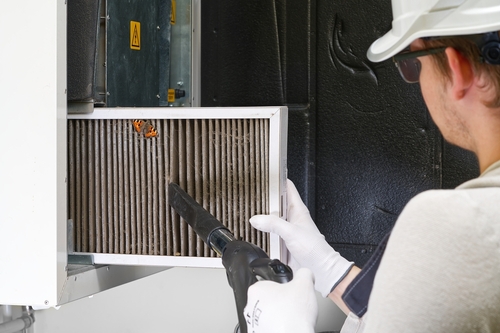
Some cleaning routines focus only on what you can see. HVAC filters, dryer vents, and exhaust fans are easy to forget. When they’re clogged, systems work harder and wear out faster. That wear affects efficiency and lifespan.
Buyers pay attention to heating and cooling performance. Dirty vents suggest deferred maintenance behind the scenes. Deferred maintenance lowers trust in the home. Lower trust often shows up as lower resale offers.
10. Using Oil-Based Cleaners on Wood Cabinets

Oil-based cleaners make cabinets look rich at first. Over time, they attract dust and grime. That grime builds into a sticky residue. Cabinets start to look greasy rather than cared for.
Built-up residue is difficult to remove without stripping finishes. Buyers may assume cabinets are old or low quality. Cabinet condition strongly influences kitchen appeal. Reduced appeal can directly lower resale value.
11. Masking Odors Instead of Removing Them

Strong air fresheners and scented cleaners feel like a quick fix. They often signal that something unpleasant is being covered up. Buyers are sensitive to artificial scents during showings. Heavy fragrance raises suspicion about pets, smoke, or moisture.
Underlying odor sources usually require deep, targeted cleaning. When smells linger, buyers imagine costly remediation. That imagined cost affects their willingness to pay. In resale, perception matters almost as much as reality.
This post These Cleaning Habits Destroy Resale Value was first published on Greenhouse Black.
