
1. Planning Grocery Trips With a List
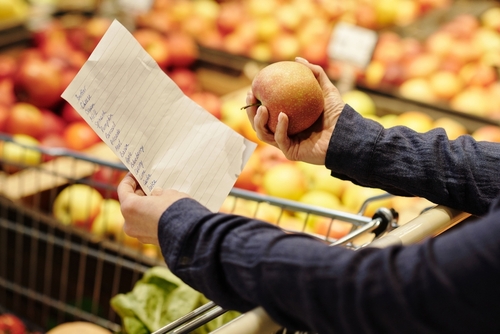
Walking into a grocery store and seeing what looked good used to be normal. Now, many shoppers arrive with a list and a budget already in mind. Food prices fluctuate enough that unplanned shopping can quickly overshoot expectations. Writing a list helps people stick to essentials and reduce waste.
This habit is also tied to time efficiency. Fewer trips to the store mean fewer impulse buys and less mental load. Planning meals in advance supports healthier eating for many households. What was once casual browsing has become a strategy.
2. Leaving the House Without Checking the Weather App

There was a time when you’d just open the door and deal with whatever the sky was doing. Now, most people glance at an hourly forecast before getting dressed or leaving work. This shift makes sense because weather apps have become highly localized and accurate. When rain, heat, or air quality can meaningfully affect your plans, checking first feels like a small but deliberate act of self-management.
It also reflects how packed our days have become. If you only have one narrow window to run errands or commute, bad weather can derail everything. Looking ahead helps avoid wasted time and unnecessary stress. What once felt spontaneous now feels like planning with purpose.
3. Making Coffee at Home Instead of Buying It Out

Grabbing a coffee on the way to work used to feel like a harmless daily habit. Rising prices have made that routine noticeably expensive over the course of a month. Brewing at home is now often a conscious financial decision, not just a preference. People can calculate the savings down to the dollar, which changes how the habit feels.
There’s also an element of control that didn’t used to matter as much. You choose the beans, the strength, and the timing. For many, it’s become a grounding ritual rather than a rushed purchase. The intention comes from aligning comfort with cost awareness.
4. Washing Hands Immediately After Coming Home

Handwashing has always been recommended, but it wasn’t universally top of mind. Public health messaging during the pandemic made the habit more visible and consistent. Now, many people wash their hands as soon as they walk in the door. It’s a small routine that signals care for yourself and others.
The intention comes from awareness rather than fear. People understand how germs spread on shared surfaces like doorknobs and transit rails. This routine feels preventative instead of reactive. It’s become an automatic but conscious choice.
5. Choosing Where You Sit in Public Places

Sitting anywhere available used to feel fine. Now, people often scan a room before choosing a seat. Factors like crowding, ventilation, and proximity to others play a role. This behavior is grounded in lived experience rather than abstract rules.
It’s not always about avoiding people entirely. It’s about comfort and perceived risk management. Many people feel more at ease making a small choice that gives them space. That moment of evaluation turns a normal action into an intentional one.
6. Carrying Reusable Bags Everywhere
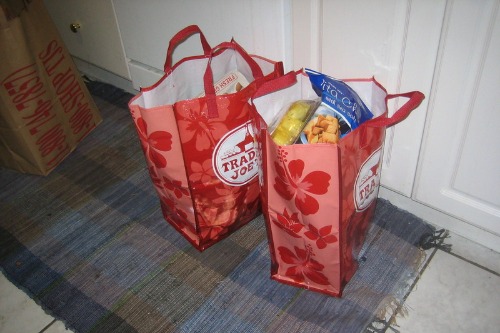
Reusable bags were once easy to forget because stores always had backups. Bag fees and plastic bans in many regions changed that expectation. Now, remembering your bags feels like a deliberate part of leaving the house. It’s a routine tied to both cost and environmental impact.
This habit also reflects increased awareness of waste. People can see how quickly single-use bags accumulate. Bringing your own feels like participating in a larger effort, even in a small way. The intention lies in consistency.
7. Silencing Notifications During Focused Work
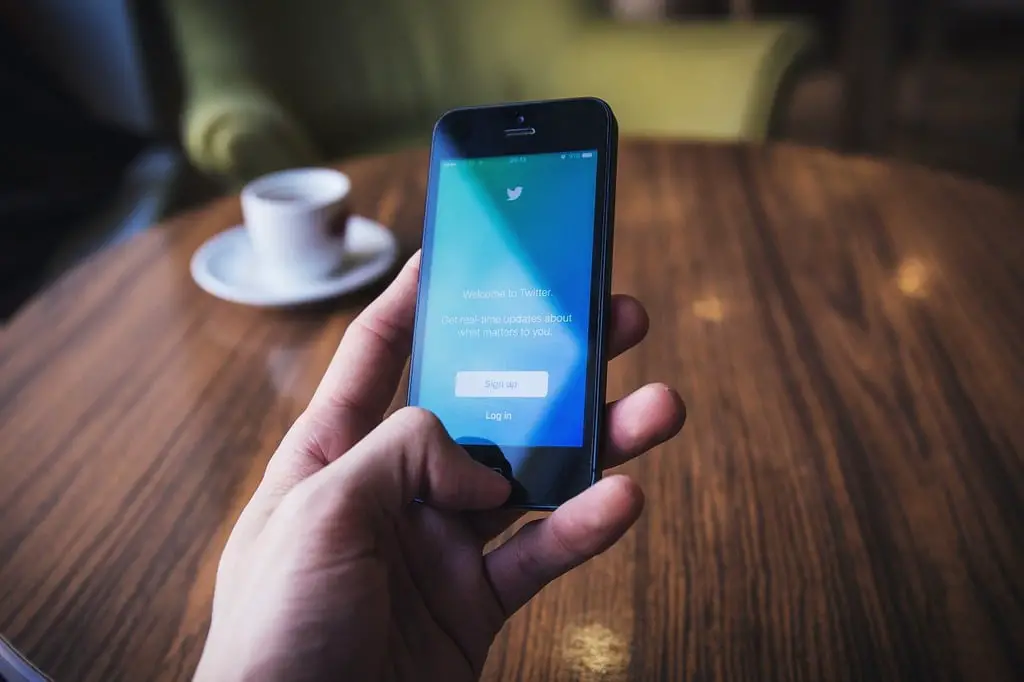
Constant notifications used to be accepted as part of being reachable. Over time, people noticed how disruptive they were to concentration. Turning on Do Not Disturb or silencing apps is now a common productivity tactic. It’s a conscious boundary rather than an antisocial move.
The reason is measurable: fewer interruptions lead to better focus. Many people can point to improved work quality or faster task completion. This routine acknowledges cognitive limits. Intentional silence replaces passive distraction.
8. Preparing Meals Ahead of the Week
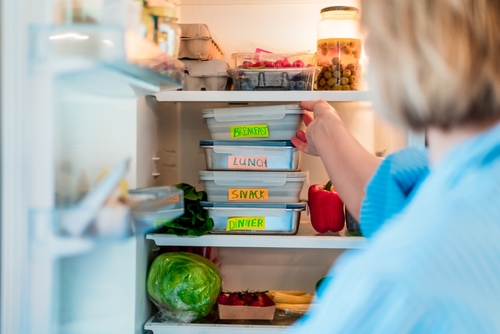
Cooking each day without a plan used to feel manageable. Busier schedules and higher food costs have shifted that mindset. Meal prepping helps reduce last-minute takeout and food waste. It’s a practical response to limited time and energy.
This routine also reduces decision fatigue. Knowing what you’ll eat removes a daily stressor. For many, it supports dietary goals without strict rules. Planning ahead turns eating into an intentional act of care.
9. Taking Short Movement Breaks During the Day

Sitting for long stretches was once considered normal office behavior. Increased awareness of the effects of sedentary time has changed that. People now set reminders to stand, stretch, or walk briefly. These breaks are intentional interventions, not accidents.
The motivation is backed by clear physical feedback. Movement can reduce stiffness and improve energy levels. Even a few minutes can make a noticeable difference. What was once ignored is now actively managed.
10. Reviewing Subscriptions and Monthly Charges

Automatic billing used to fade into the background. As subscription services multiplied, small charges started adding up. Periodically reviewing expenses has become a routine for many households. It’s a way to regain control over spending.
This habit feels intentional because it requires attention. You have to log in, evaluate value, and sometimes cancel. People often discover services they no longer use. Awareness replaces autopilot.
11. Going to Bed Earlier on Purpose
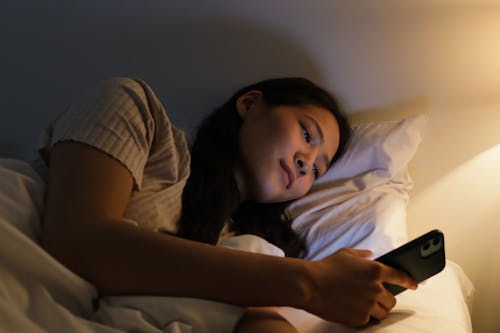
Staying up late used to feel flexible and inconsequential. Now, many people prioritize sleep with specific bedtimes. The effects of poor sleep on mood and productivity are widely recognized. Choosing rest feels like a strategic decision.
This routine often involves setting alarms to wind down, not just wake up. People adjust evening habits to protect their sleep window. The intention is about long-term well-being. Rest is no longer optional; it’s planned.
This post Everyday Routines That Used to Feel Normal — Now Feel Intentional was first published on Greenhouse Black.
