
1. Bozeman, Montana
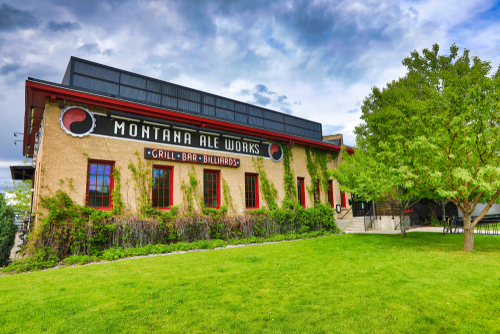
Bozeman sells an outdoors-first lifestyle with skiing, fly fishing, and big skies. People arrive expecting a relaxed college town wrapped in nature. Rapid growth has pushed rents and home prices far beyond what many local jobs support. Winters are long and dark, which tests anyone unprepared for real cold.
The town’s popularity has reshaped daily life faster than infrastructure can keep up. Traffic and limited inventory make simple errands feel competitive. Job options outside tech, tourism, or the university can be narrow. Eventually, some decide the quiet comes at too high a cost.
2. Asheville, North Carolina
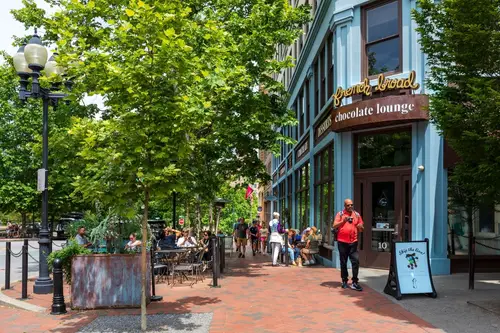
Asheville draws people with mountain air, a creative vibe, and a promise of small-city ease. Newcomers picture long hikes after work and a tight-knit arts scene. The reality often includes surging housing prices and wages that lag behind service-heavy jobs. Traffic on the few main corridors can feel outsized for a place this small.
Many arrivals eventually realize tourism drives the economy more than locals do. Crowds peak on weekends, and seasonal work makes stability tricky. Healthcare access can feel limited compared with bigger metros. For some, the slow dream speeds up into a search for a steadier paycheck elsewhere.
3. Sedona, Arizona
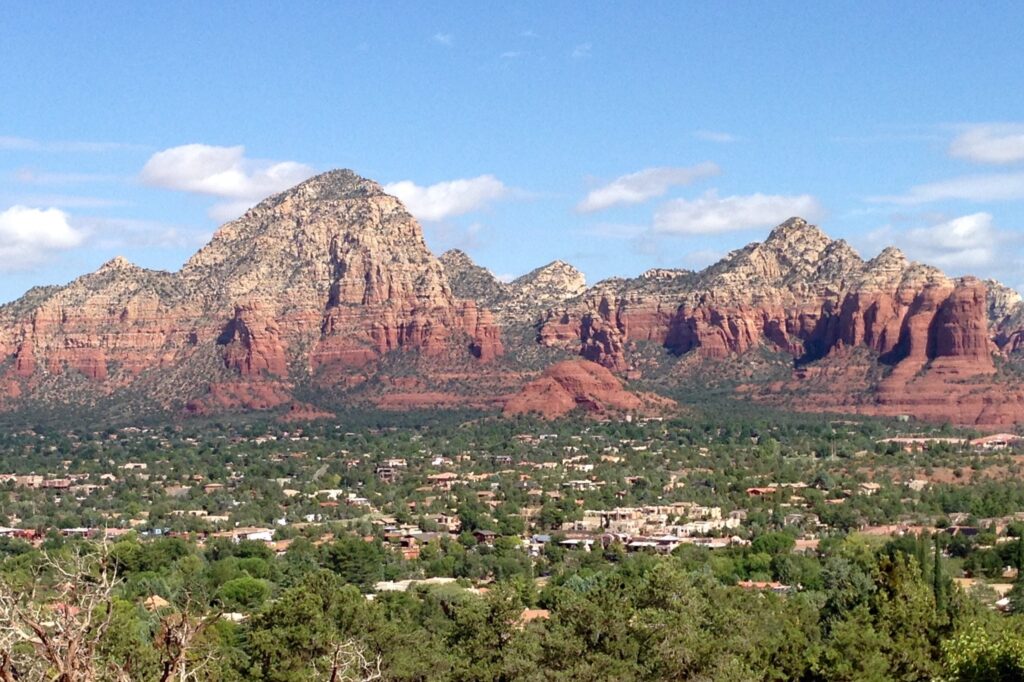
Sedona attracts movers with red rock beauty and a promise of spiritual calm. The town feels like a reset button for people burned out on city life. Limited housing stock and strict development rules make finding a place expensive and stressful. Summer heat and tourist congestion can dominate daily routines.
Many discover that services close early and options are limited year-round. Healthcare and specialized services often require long drives. Tourism keeps the town busy even when residents crave peace. That mismatch sends some packing sooner than expected.
4. Burlington, Vermont
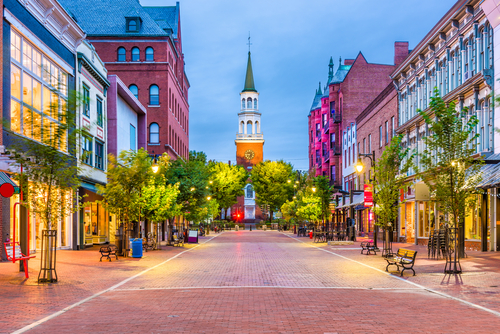
Burlington looks ideal with its lake views, bike paths, and progressive feel. People imagine cozy seasons and a friendly, walkable city. Housing shortages have made rents climb quickly, even as wages stay modest. Winters are longer and harsher than many newcomers anticipate.
The small job market can feel tight outside education and healthcare. Flights are limited and pricey, which makes travel harder. Social circles can be established and slow to open. Over time, some decide a larger metro fits their pace better.
5. Bend, Oregon
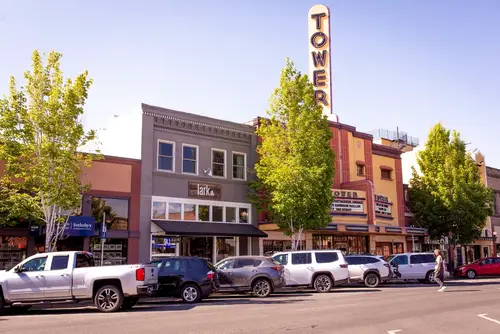
Bend promises sunshine, trails, and a brewery on every corner. It attracts remote workers hoping to slow down without giving up amenities. Housing costs have soared alongside its popularity, squeezing newcomers and locals alike. Traffic across the river bottlenecks daily life.
The economy leans heavily on tourism and service work. Wildfire smoke can disrupt summers for weeks. Medical specialists and cultural offerings are limited compared with big cities. For many, the balance tips from charming to constraining.
6. Santa Fe, New Mexico
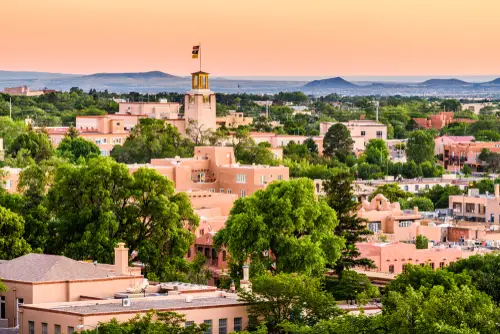
Santa Fe draws people with art, history, and a slower Southwestern rhythm. The city feels soulful and distinct from anywhere else in the U.S. High housing costs clash with relatively low average wages. Altitude and dry climate can take time to adjust to.
Job opportunities are concentrated in government, tourism, and the arts. Nightlife and late dining are limited, which surprises some movers. Healthcare access can require travel to Albuquerque. Eventually, the quiet can feel isolating rather than restorative.
7. Port Townsend, Washington
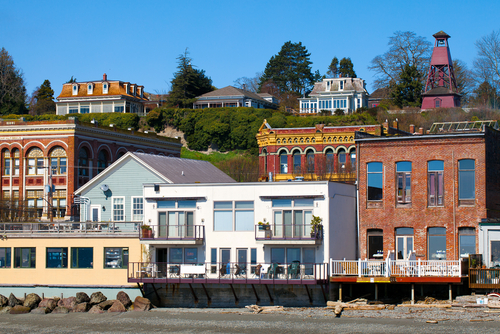
Port Townsend appeals with Victorian charm and coastal calm. People imagine ferry rides, bookstores, and misty mornings. Housing is limited, and prices reflect demand from retirees and second-home buyers. The gray weather can feel relentless for much of the year.
Employment options are narrow outside marine trades and tourism. Accessing major services often means a long drive or ferry trip. Social life can feel insular to newcomers. Many leave once novelty fades and logistics set in.
8. Key West, Florida
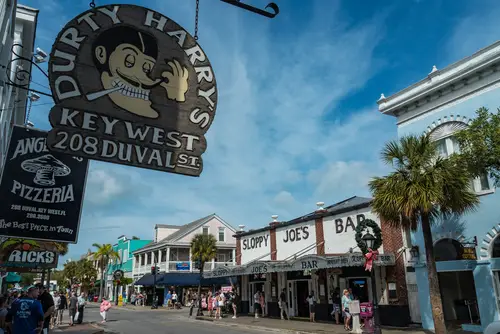
Key West sells a carefree island lifestyle and perpetual vacation energy. New arrivals picture sunsets, bikes, and ocean breezes. Housing is scarce and expensive due to geography and short-term rentals. Crowds and cruise ship traffic keep the pace fast, not slow.
Wages rarely match the cost of living. Hurricanes and flooding risks add stress and insurance costs. Everyday errands can feel harder on an island. For some, paradise becomes impractical.
9. Taos, New Mexico
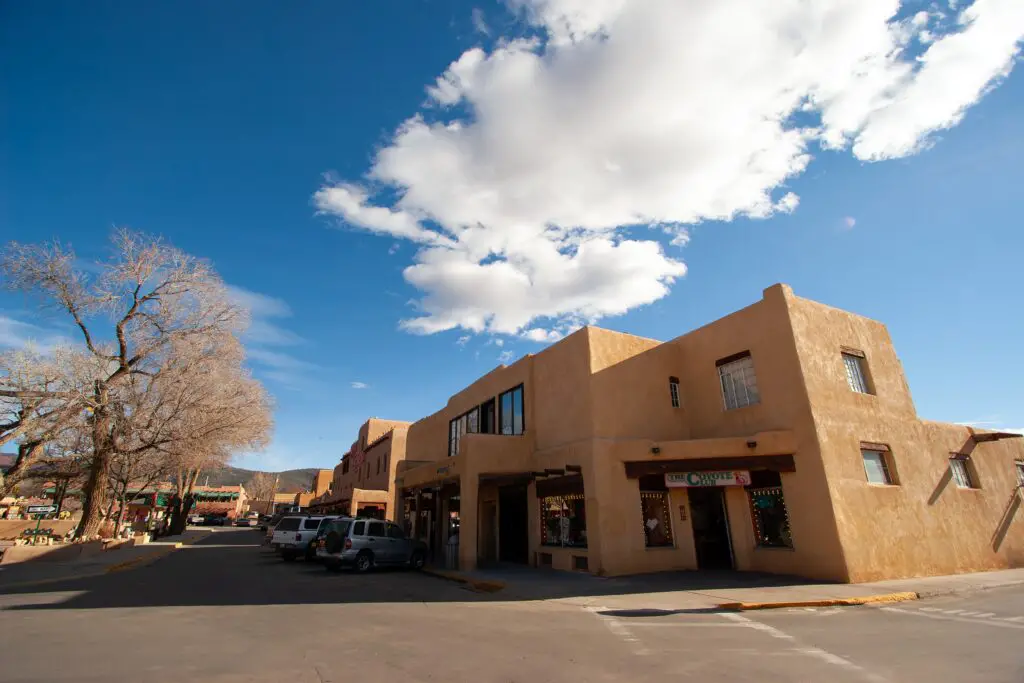
Taos attracts artists and seekers craving space and quiet. The landscape and culture feel timeless and grounding. Housing quality varies widely, and utilities can be unreliable in rural areas. Winters are colder and snowier than many expect.
Jobs are limited, especially outside the arts and tourism. Healthcare access is sparse and often requires travel. Social options are few for younger residents. The isolation that first felt peaceful can become heavy.
10. Savannah, Georgia
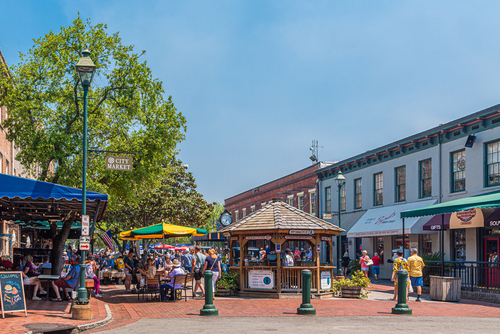
Savannah lures people with historic beauty and a slower Southern pace. The city feels charming, walkable, and culturally rich. Tourism dominates the economy, which affects wages and housing availability. Humidity and heat can be intense for much of the year.
Flooding and storm concerns add practical worries. Traffic and crowds swell during peak seasons. Job growth outside hospitality can be limited. Some eventually trade charm for opportunity elsewhere.
11. Marfa, Texas

Marfa is famous for minimalism, art, and wide-open silence. People move there seeking true escape from noise and pressure. The town is remote, with limited services and long drives for basics. Housing is scarce and surprisingly costly.
Jobs are few and often seasonal or arts-related. Medical care requires significant travel. Social life is small and repetitive. The romance of remoteness doesn’t last for everyone.
12. Jackson, Wyoming
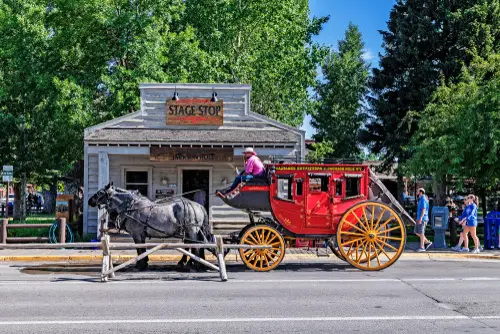
Jackson offers dramatic scenery and access to world-class parks. Movers imagine a rustic life grounded in nature. Housing costs are among the highest in the region, driven by wealth and limited land. Workers often commute long distances from cheaper towns.
Tourism creates seasonal crowds and traffic. Wages struggle to keep pace with expenses. Winters are severe and isolating. Many realize the lifestyle is better suited for visits than permanence.
13. Hood River, Oregon
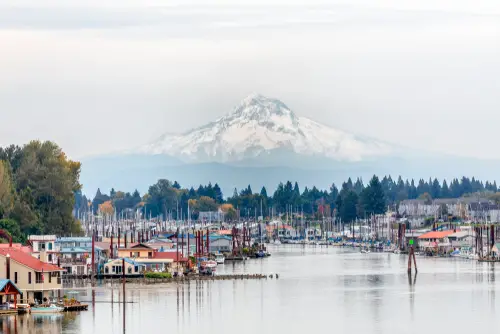
Hood River draws wind sports enthusiasts and remote workers alike. The Columbia Gorge backdrop promises daily adventure. Housing inventory is tight, and prices have risen quickly. Strong winds and variable weather aren’t for everyone.
The town is small, with limited job diversity. Tourism crowds peak in summer and fall. Nightlife and dining options are few. Some eventually crave more urban energy.
14. Missoula, Montana
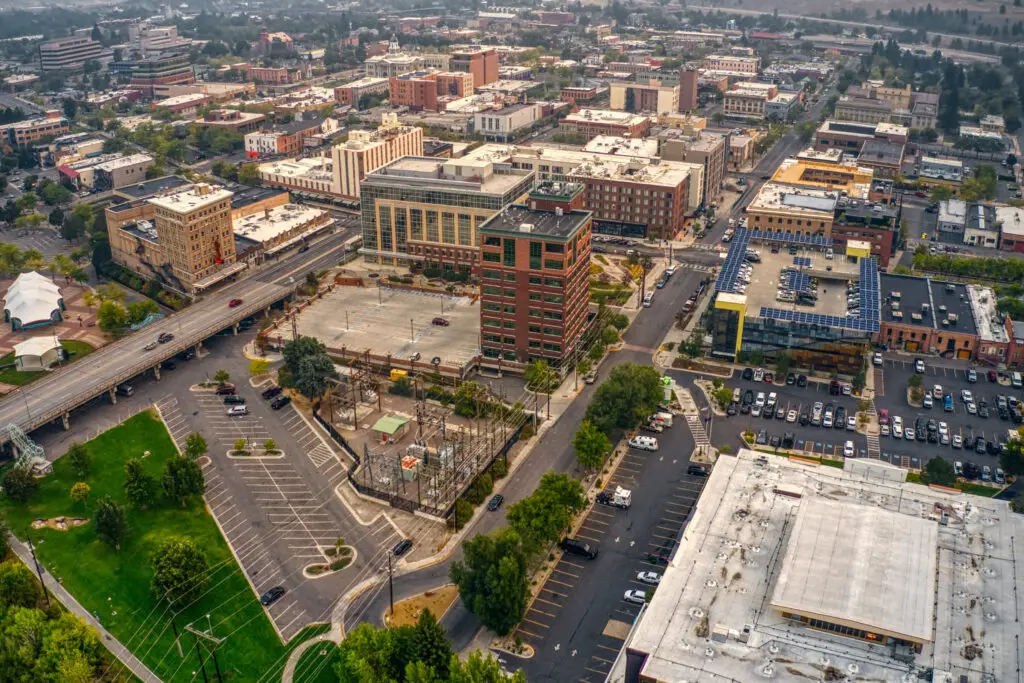
Missoula feels like a laid-back college town with cultural depth. People move for rivers, trails, and a sense of community. Housing costs have climbed faster than many expect. Winters bring prolonged cold and inversion-related air quality issues.
The job market is limited outside education, healthcare, and government. Flights are fewer and more expensive. Growth has increased traffic and competition for services. For some, the town outgrows its promise.
15. Nantucket, Massachusetts
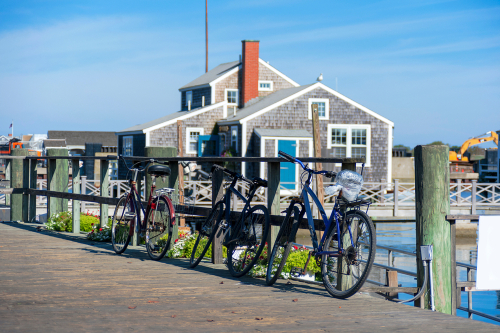
Nantucket offers postcard beauty and a slower island rhythm. People arrive dreaming of quiet beaches and tight community bonds. Housing is extremely expensive and heavily seasonal. Winter life is starkly different from summer charm.
Jobs fluctuate with the tourist calendar. Travel on and off the island can be costly and weather-dependent. Year-round services are limited. Many leave once the realities outweigh the romance.
This post 15 Places People Move to Slow Down — Then Speed Away From was first published on Greenhouse Black.
