
1. Massive TVs and Fireplaces
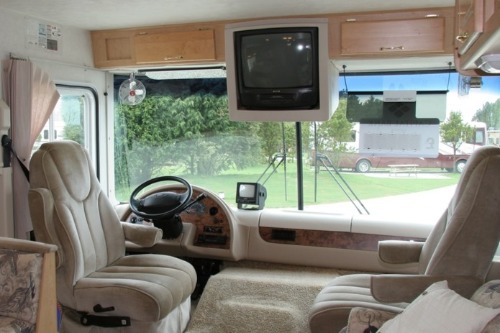
Oversized TVs and electric fireplaces have become common selling points. They make the interior feel cozy and upscale during a walkthrough. Dealers know they photograph well and grab attention quickly. It’s easy to imagine movie nights on the road.
These features add weight, draw power, and take up wall space. Fireplaces are mostly cosmetic and offer limited real heat. Many RVers end up watching less TV while traveling anyway. The glamour fades when practicality takes priority over aesthetics.
2. Residential Refrigerators
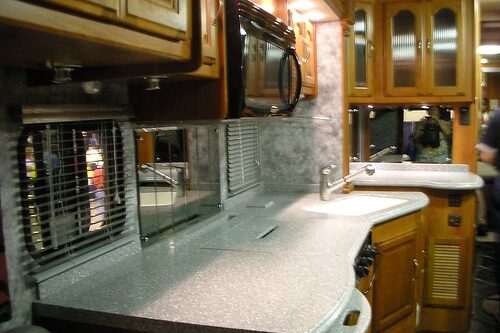
Full-size residential refrigerators have become a status symbol in higher-end RVs. They offer familiar storage, wider shelves, and the promise of fewer grocery runs. Paired with modern interiors, they make an RV feel closer to a condo than a camper. On paper, it sounds like an easy upgrade over a traditional RV fridge.
The catch is power, because residential fridges rely on steady electricity rather than propane. Without shore power, you’re leaning heavily on batteries, inverters, or generators. That setup adds cost and complexity, especially for boondockers or overnight stops. When the batteries dip, the luxury quickly turns into a liability.
3. Touchscreen Control Panels
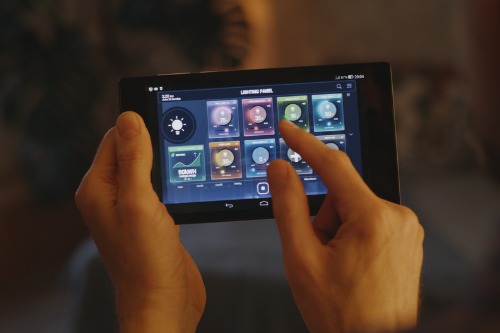
Central touchscreen control panels look futuristic and tidy at first glance. They let you manage lights, tanks, slides, and climate from one glossy screen. Dealers love demoing them because they feel intuitive and high-tech. It gives the impression that RV living has finally caught up with smart homes.
In practice, a single screen can become a single point of failure. If the system glitches or the screen dies, simple tasks suddenly require workarounds. Physical switches are easier to diagnose and replace on the road. That sleek interface feels less impressive when you just want a light to turn on.
4. All-Electric RVs

All-electric RVs ditch propane in favor of induction cooktops and electric heating. They’re marketed as cleaner, safer, and more modern. For campground stays with full hookups, the experience can be genuinely smooth. It feels like a confident step into the future of RV design.
The limitation shows up as soon as you leave reliable shore power. Electric heating and cooking demand large battery banks and powerful inverters. Cold weather or cloudy days can quickly drain those systems. What felt progressive can become restrictive when energy management dominates your trip.
5. Lithium Battery Upgrades
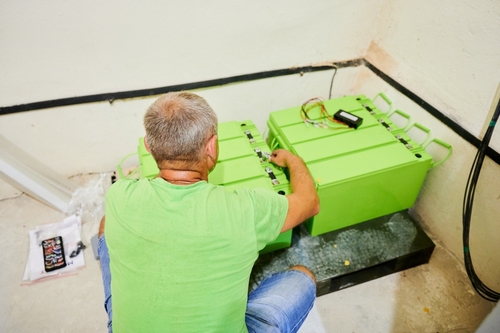
Lithium batteries are often pitched as a must-have upgrade for serious RVers. They charge faster, weigh less, and provide more usable power than lead-acid batteries. For solar setups, they can feel like a game changer. It’s easy to see why they’ve become so trendy.
The downside is cost, which can run into the thousands very quickly. Not all RV charging systems are compatible without additional upgrades. Cold temperatures can also limit charging unless the batteries are heated. That impressive spec sheet matters less if the system isn’t matched to how you travel.
6. Outdoor Kitchens

Outdoor kitchens look fantastic in brochures and walk-through videos. They promise burgers at sunset and zero cooking smells inside. Grills, mini fridges, and prep space suggest effortless outdoor living. For short trips, they feel like a luxury perk.
In reality, many outdoor kitchens go unused after the novelty wears off. Weather, bugs, and limited counter space often push cooking back indoors. Those features also take up storage that could hold more practical gear. What looked impressive becomes dead weight if you rarely open the hatch.
7. Washer and Dryer Combos
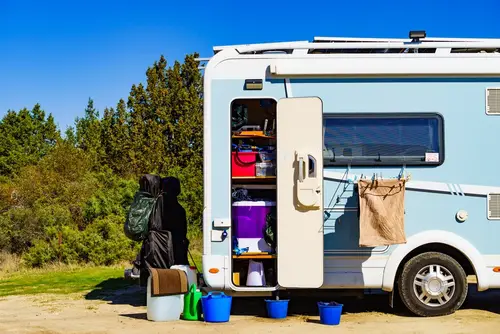
Built-in washer and dryer combos sound like freedom from campground laundromats. They’re especially appealing for full-timers or long trips. Having laundry onboard feels like a major lifestyle upgrade. It’s one of those features that sells a sense of independence.
The reality is that RV units are small and slow compared to home machines. They use significant water and power for relatively tiny loads. Drying performance can be underwhelming, especially in humid conditions. After a few cycles, the excitement often gives way to frustration.
8. Ultra-Lightweight Construction
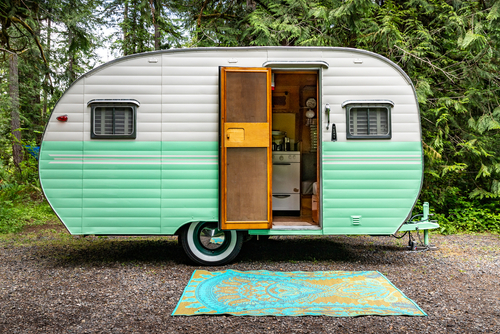
Ultra-lightweight trailers are marketed as towable by almost anything. They open the RV world to smaller SUVs and first-time owners. The idea of better fuel economy and easier handling is very appealing. At first glance, it feels like a smart engineering win.
To save weight, manufacturers often use thinner materials and simpler components. That can mean less insulation, more flex, and faster wear. Road vibration and weather exposure take a bigger toll over time. What felt impressive at the scale can feel flimsy after a few seasons.
9. Big Slide-Outs
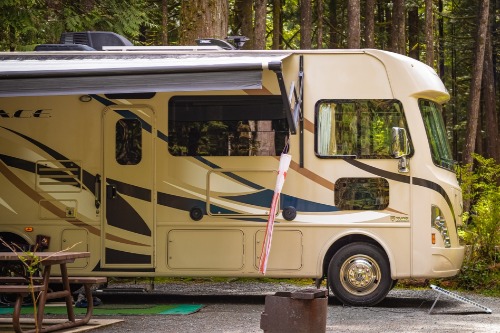
Big slide-outs look amazing on a showroom floor because they turn a narrow box into something that feels apartment-sized. Manufacturers add them to everything from travel trailers to Class A motorhomes, often stacking two or three on one side. The appeal is obvious when the dinette, sofa, and kitchen all expand at the push of a button. It feels like you’re getting extra square footage for free.
Over time, slide-outs introduce more seals, motors, and alignment issues that can fail or leak. They also add weight, which eats into cargo carrying capacity and can stress frames and suspensions. In cold or wet weather, you may hesitate to extend them at all, shrinking your usable space again. That wow factor fades the first time a slide won’t retract when you’re trying to leave.
10. App-Based Smart Controls
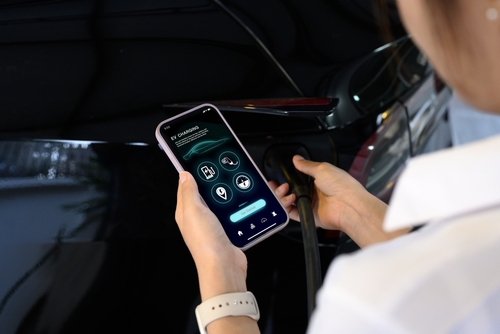
Smartphone apps that control RV systems feel cutting-edge. They let you check tanks, temperatures, and lights remotely. For tech-minded owners, it feels like a natural extension of modern life. The convenience is easy to appreciate at first.
These systems depend on software updates, Bluetooth, or Wi-Fi connections. When connectivity is spotty, reliability drops fast. Troubleshooting apps on the road isn’t always straightforward. That smart feature feels less smart when it won’t sync.
11. Panoramic Windows
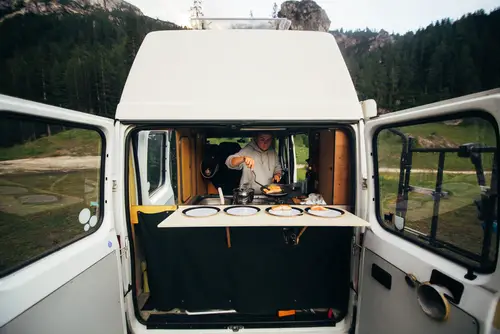
Large panoramic windows promise incredible views from inside the RV. They flood the space with natural light and feel very upscale. In scenic locations, the effect can be genuinely stunning. It’s a feature that sells an emotional experience.
Big windows also mean more heat gain, heat loss, and glare. Climate control has to work harder to keep the interior comfortable. Privacy can become an issue in crowded campgrounds. What once felt expansive can start to feel exposed.
This post RV Trends That Feel Impressive — Until They Don’t was first published on Greenhouse Black.
