
1. Making the Bed Every Morning
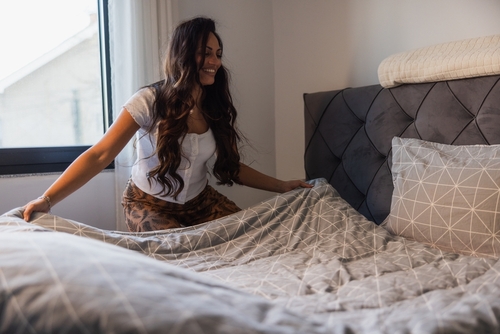
At some point, making your bed felt like an unnecessary chore, something we just skipped in the rush to get out the door. But once you see a neat bed first thing in the morning, it sets a tone of accomplishment that lasts all day. It’s a small visual reminder that you’ve taken control of your space, and that energy can ripple into other parts of your life. Suddenly, what felt old-fashioned starts to feel essential for mental clarity.
Not to mention, a tidy bed actually makes it easier to sleep at night. Climbing into something orderly feels instantly comforting, and your brain associates that routine with rest and relaxation. It’s one of those habits that doesn’t just improve your room—it improves your mood. And once it becomes automatic, skipping it feels weird.
2. Keeping a Grocery List

For years, a grocery list felt like overkill. With smartphones and memory, who really needed one, right? But a list prevents those last-minute runs and reduces impulse buys, saving both money and stress. Now, it’s less about rigidity and more about efficiency.
A list also helps with meal planning, so you actually eat what you buy instead of letting food go to waste. Over time, this habit supports healthier eating and reduces the constant “what’s for dinner?” panic. The old-school habit of jotting things down suddenly becomes a small but crucial anchor for everyday life. It’s amazing how a simple list can feel like a lifeline.
3. Flipping the Mattress
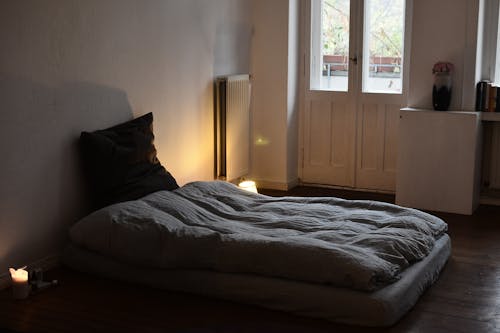
Flipping your mattress seemed like a relic from decades ago, when beds were different and double-sided. But anyone who has slept on a sagging side knows the difference. Flipping it periodically ensures even wear, longer lifespan, and better spinal support. Suddenly, a chore you never thought about becomes a critical part of your sleep hygiene.
People often underestimate how much a mattress affects sleep quality, but rotation can prevent lumps and dips that cause discomfort. Even a minor upgrade in how you rest impacts energy, posture, and mood. What once felt like unnecessary maintenance now feels like an investment in your health. Your body quietly thanks you every morning.
4. Wiping Down Kitchen Counters Daily
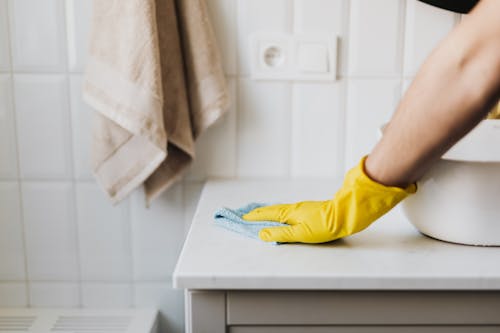
It used to feel obsessive to wipe down every surface after cooking. The food mess seemed harmless, and you assumed you’d get to it later. But keeping counters clean reduces bacteria buildup, keeps pests away, and makes meal prep more inviting. Over time, this simple habit feels like the backbone of a functional kitchen.
Beyond hygiene, seeing a sparkling countertop brings a subtle sense of calm. It makes you proud of your home and encourages you to cook more often. Daily wipes now feel like preventive therapy rather than tedious cleaning. Your kitchen becomes a place you actually want to spend time in.
5. Emptying the Trash Regularly
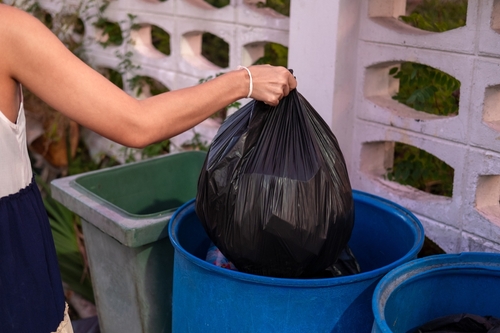
For a long time, trash was one of those things you ignored until it overflowed. Who wants to haul it out every night? But when you keep up with it, your home stays fresher, less cluttered, and the smell never gets a chance to sneak up. The habit transforms from a mundane task to a surprisingly satisfying daily ritual.
It’s also about mindset: staying on top of small chores prevents them from snowballing. Emptying the trash regularly keeps other routines manageable and your home visually calm. What once felt tedious now feels like a subtle victory in maintaining order. You hardly notice it—until you skip it.
6. Checking Smoke and CO Detectors

Checking detectors seemed unnecessary when they “always worked.” But a dead battery or faulty alarm can turn deadly. Making a habit of testing them monthly ensures your family is safe and gives peace of mind. Suddenly, what felt like paranoia becomes responsible and practical.
It also makes you more aware of other safety measures in the home. You start noticing things like frayed cords or poorly ventilated appliances, which can prevent accidents. This habit reinforces a culture of safety that feels essential rather than old-fashioned. It’s a tiny check that can save lives.
7. Rotating Seasonal Clothes
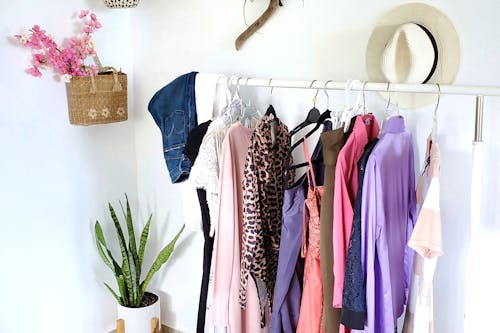
Shuffling through your closet only when you needed something out-of-season used to feel like a drag. But rotating clothes helps protect fabrics, keeps wardrobes organized, and prevents mold or mustiness. It also reminds you what you actually own, reducing unnecessary purchases. What seemed like tedious busywork suddenly becomes practical life management.
Rotating clothes also encourages thoughtful dressing, since everything is visible and accessible. It minimizes decision fatigue by making your daily choices simpler. You start appreciating what you have instead of mindlessly buying new items. It’s a habit that brings order and a little joy.
8. Watering Plants on a Schedule

Watering plants used to feel like a guessing game—too much, too little, or completely random. But sticking to a consistent schedule keeps plants thriving and even boosts your mental health. It’s a routine that quietly teaches patience, responsibility, and observation. What once felt optional now feels like caring for a little living companion.
Your plants begin to signal their needs, which trains your attention to detail. A thriving indoor garden lifts mood, purifies the air, and makes your home more inviting. Suddenly, that old habit is more than aesthetics—it’s wellness in miniature. Your plants and your sanity both win.
9. Folding Laundry Immediately
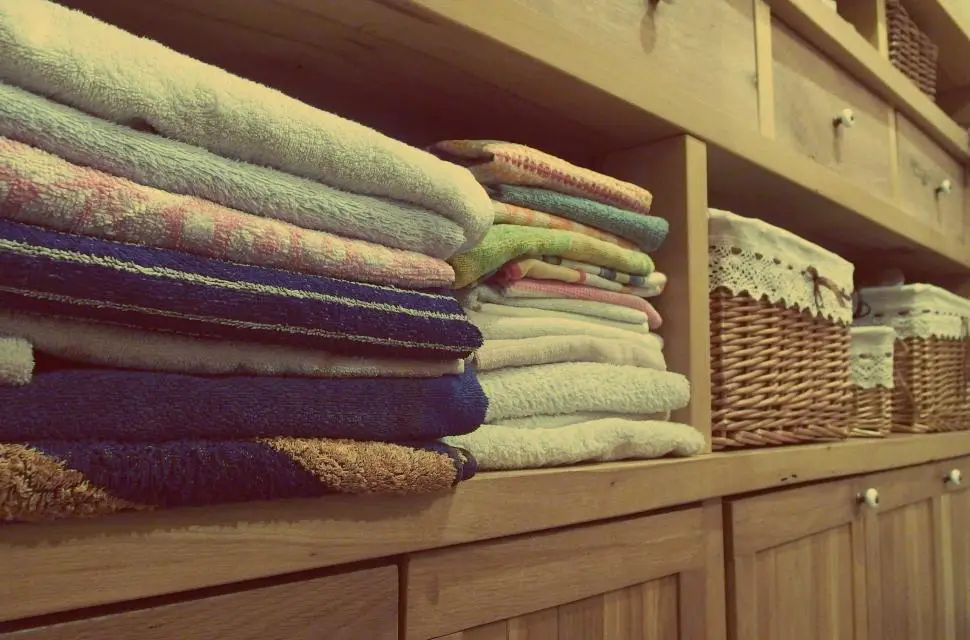
Letting laundry pile up always seemed harmless—until the mountain becomes unmanageable. Folding it immediately keeps your home tidy and reduces wrinkles, saving time later. It’s one of those chores that feels like a small victory but compounds into a stress-free environment. What once felt tedious now feels like proactive home management.
Immediate folding also reinforces respect for your own belongings. Clothes last longer, your drawers stay neat, and the visual clutter disappears. The habit strengthens routines that ripple into other areas of your life. You start to feel in control instead of drowning in laundry.
10. Labeling Leftovers

Writing on containers with markers or masking tape felt excessive when you could just “remember.” But labeling helps prevent spoiled food, reduces waste, and saves time hunting for ingredients. Suddenly, an old-school habit turns into a small but crucial kitchen hack.
It also makes sharing meals easier if multiple people are in the household. Knowing what’s inside and when it was made prevents confusion and accidental food poisoning. What was once unnecessary bureaucracy now feels like smart organization. Your fridge becomes a model of clarity.
11. Dusting Under Furniture

Dusting under the couch or bed always seemed pointless—who sees it anyway? But dust can trigger allergies, attract pests, and contribute to poor air quality. Making it a habit improves health and keeps your home genuinely clean, not just superficially tidy. What was a hidden chore now feels essential.
It also prevents long-term buildup that’s far harder to clean later. Once you notice the difference, skipping it feels irresponsible rather than harmless. This habit quietly elevates overall home hygiene. You breathe easier and feel lighter in the space.
12. Setting Aside a “Home Repair” Fund

Saving for small repairs once seemed unnecessary—you’d cross that bridge when it came. But emergencies happen, and minor fixes add up quickly. Keeping a small fund prevents panic spending and keeps your home functional. What felt like financial overplanning becomes financial freedom.
It also reduces stress about unexpected costs and encourages proactive maintenance. Replacing a leaky faucet or fixing a broken light becomes less stressful and more routine. Over time, the habit feels like insurance for your peace of mind. What was once “old-fashioned thrift” now feels essential.
This post 12 Home Habits That Felt Old — Until They Felt Necessary was first published on Greenhouse Black.
