
1. Sewing a Button
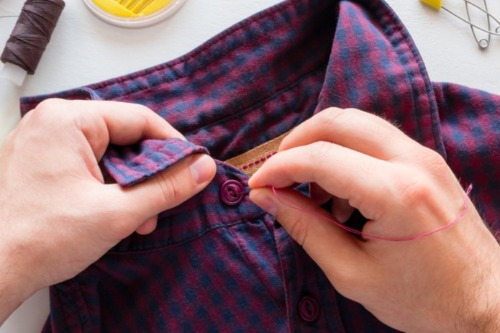
Most of us assumed we’d never need to sew again once “quick fixes” became a thing, but there’s something oddly satisfying about reattaching a button instead of tossing the whole shirt. It’s fast, it’s cheap, and it saves that favorite shirt from an untimely fate. Plus, there’s a quiet pride in knowing you handled a problem with your own two hands. In a pinch, a needle and thread can feel like a superpower.
Even small sewing skills go beyond buttons. Hemming pants or repairing a small tear can prevent trips to the tailor or spending extra money. Many people are surprised by how often these minor fixes come in handy. Once you start doing it, it’s hard to go back to relying solely on stores or gadgets.
2. Ironing Clothes
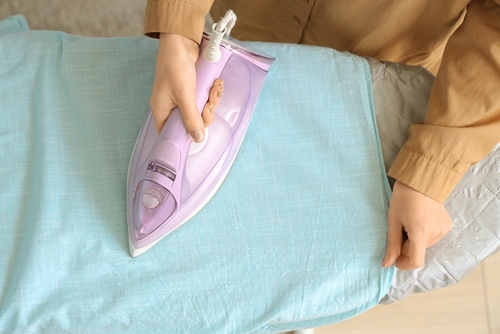
Ironing may seem like a relic of the past when wrinkle-free fabrics exist, but it can dramatically change how polished you look. That crispness of a well-ironed shirt or blouse can boost confidence instantly. People often underestimate how much smoother mornings feel when you can wear clothes that look sharp. Ironing also doubles as a way to sanitize fabrics with heat.
Beyond appearances, ironing can extend the life of garments. It relaxes fibers, preventing permanent creases and fraying. Wrinkle-free doesn’t always mean wrinkle-proof, so knowing how to iron correctly comes in handy. Plus, it can even be meditative—steam and motion can be oddly soothing.
3. Basic Cooking
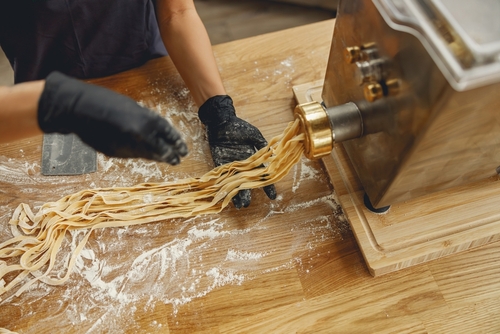
Many assume that once meal delivery apps and frozen dinners exist, home cooking is optional—but it sneaks up on you how much you miss it. The ability to throw together a simple pasta or roast vegetables feels empowering. You control the ingredients, the taste, and the portion sizes. It’s also cheaper than constantly eating out or ordering in.
Cooking also becomes a creative outlet. Experimenting with spices, sauces, and simple techniques can feel like a mini science experiment in your kitchen. Even a modest skill set allows you to host friends or handle unexpected guests. Missing this skill often shows itself when convenience foods start to feel repetitive or unsatisfying.
4. Hand-Washing Delicates
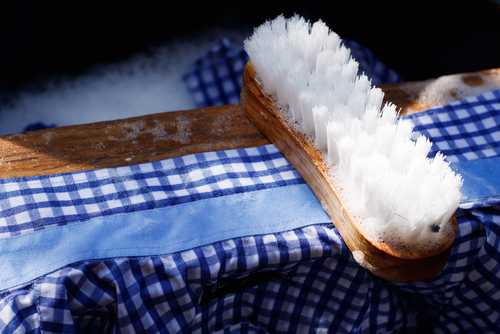
Who really enjoys laundry day enough to notice missing skills? It’s the small ones like hand-washing delicate fabrics that catch you off guard. Lingerie, silk blouses, or sweaters labeled “hand wash only” often fall victim to the washing machine. Knowing how to do it gently keeps expensive clothing in prime condition.
Hand-washing also teaches patience and attention to detail. You learn to control water temperature, soap use, and drying methods, which ultimately prolongs garment life. It’s surprisingly satisfying to see delicate fabrics come out clean and intact. Many realize they miss this skill only after a laundry disaster.
5. Mending Furniture

Screws come loose, cushions sag, and tiny scratches appear on tables—it’s inevitable. Being able to tighten, glue, or refinish small pieces of furniture can save a lot of money and headaches. Many people are shocked at how often minor repairs prevent a full replacement. There’s a tangible pride in fixing something instead of discarding it.
Even basic woodworking or repair skills build confidence. A wobbly chair or a squeaky cabinet suddenly becomes manageable. The satisfaction goes beyond cost-saving; you feel resourceful. This skill often resurfaces when life feels too digital, giving hands-on control over your environment.
6. Sharpening Knives
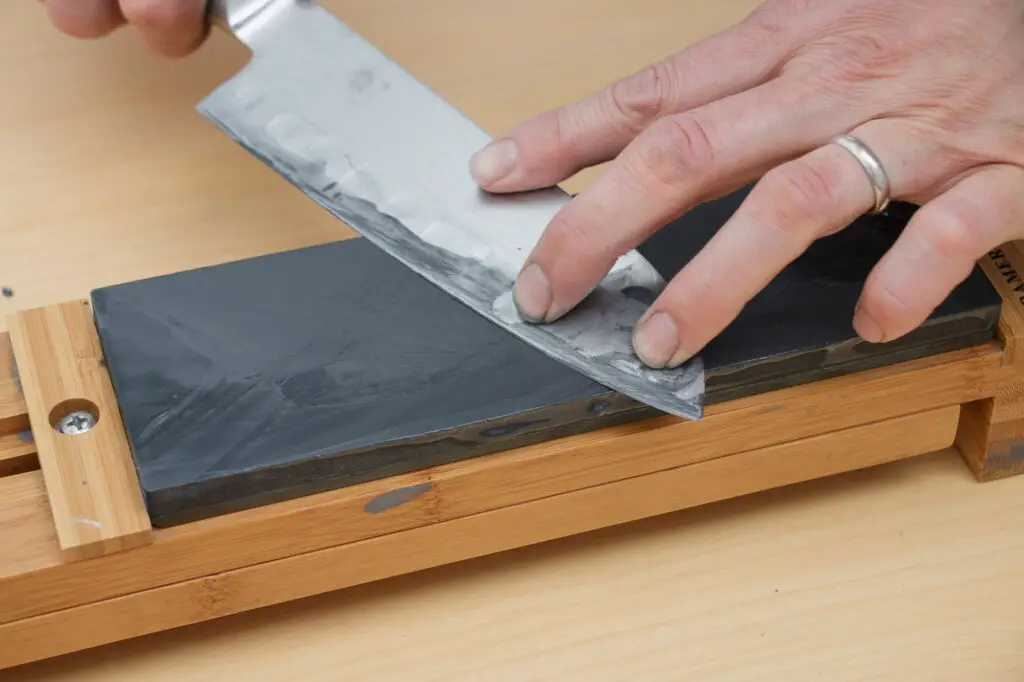
Buying new knives is tempting, but nothing beats the skill of sharpening your own. A dull knife is frustrating, inefficient, and even dangerous. Knowing how to maintain a blade keeps cooking faster, safer, and more enjoyable. Many people are surprised by how much smoother chopping and slicing feels when knives are sharp.
Sharpening also prolongs the lifespan of high-quality knives. Professional chefs know this instinctively, but home cooks often overlook it. A well-maintained blade can last decades, making the skill worth learning. Once you get the rhythm, it becomes a satisfying, almost ritualistic part of kitchen maintenance.
7. Folding Fitted Sheets
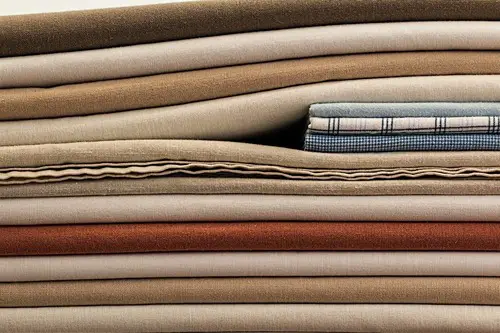
It seems silly, but the struggle with fitted sheets is universal. Once mastered, this skill feels like unlocking a life hack you didn’t know you needed. Proper folding saves closet space and prevents the frustration of wrestling with a tangled sheet every laundry day. People are often shocked by how much more organized their linen closet feels.
Fitted sheet folding also demonstrates patience and spatial awareness. It’s a small skill that immediately improves your daily routine. Even when rushed, neatly folded sheets are a little victory. Many realize they miss this skill only when moving houses or hosting overnight guests.
8. Changing a Light Bulb Without a Ladder
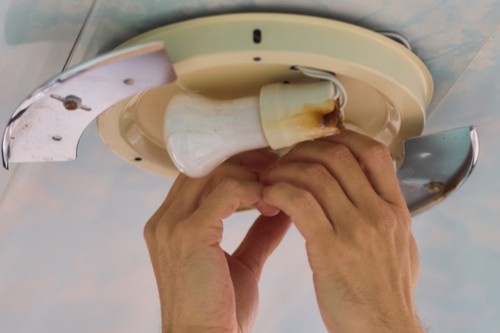
A simple skill until you don’t have the right setup. Being able to safely change a light bulb—especially in tight or high spots—is surprisingly practical. It saves time, prevents accidents, and eliminates reliance on someone else. People often take it for granted until they’re standing on a chair, hoping it doesn’t tip over.
It’s also a lesson in problem-solving. You learn to handle different fixtures, wattages, and bulb types safely. These tiny victories make your home feel more manageable. Missing this skill is frustrating when the lights go out at the worst possible moment.
9. Reading Appliance Manuals
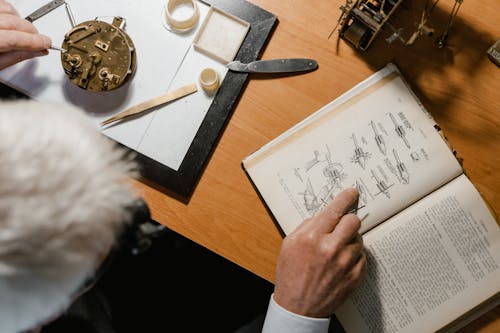
Few people think they’ll ever need the instruction manual, but when the dishwasher starts leaking or the washer beeps mysteriously, it’s invaluable. Knowing where to find troubleshooting steps prevents unnecessary repairs or panic. Manuals also reveal hidden functions you didn’t know existed. Many are surprised by how much smoother life runs when you consult them first.
Manuals teach attention to detail. Symbols, error codes, and maintenance tips become easier to understand over time. You save money, frustration, and sometimes even your appliance’s lifespan. People often underestimate this skill until something breaks at the worst possible time.
10. Changing a Faucet Washer or Shower Head
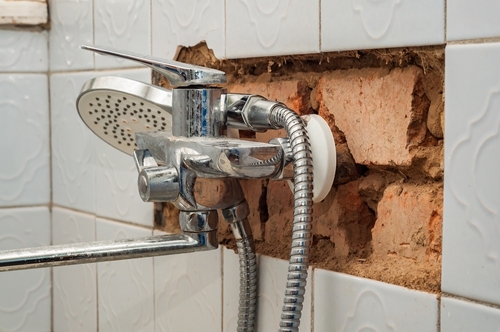
Plumbing disasters can feel catastrophic, but basic skills like replacing a washer or shower head are surprisingly doable. It stops drips, prevents water waste, and keeps your home functional. Many people are shocked by how easy these fixes are once you know the steps. The sense of self-reliance is huge.
This skill also teaches a little about water systems. You understand which parts connect where and how to prevent leaks. Being able to handle minor plumbing issues avoids emergency plumber calls. It’s one of those skills that feels underappreciated until you really need it.
11. Managing Household Batteries

From smoke detectors to remotes, batteries run out at the worst times. Knowing which type fits which device and rotating them before they die keeps your home running smoothly. People often don’t realize how much energy and stress this small skill saves. It also prevents annoying surprises, like a dead flashlight during a power outage.
Battery management also teaches organization and foresight. Keeping a small stock of common types and knowing proper disposal methods is surprisingly satisfying. It may seem minor, but it’s a skill that impacts safety and convenience. Many realize they missed it only after hunting for a battery in a frantic moment.
This post Household Skills People Thought They’d Never Miss was first published on Greenhouse Black.
