
1. You can’t park anywhere just because it’s public.
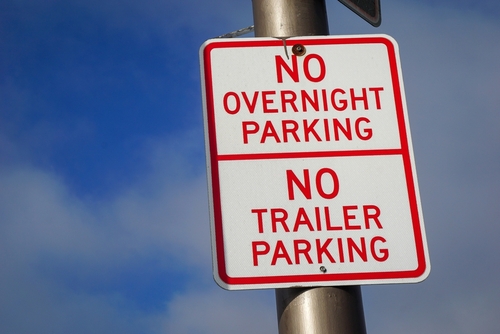
The first time you pull over late at night, a quiet street feels like a gift. Then the knock comes, and you learn that public doesn’t mean permissible. Cities, counties, and even individual neighborhoods often have overnight parking restrictions or anti-vehicle-overnight ordinances. These rules exist to manage congestion, sanitation, and resident complaints, not to personally target van lifers.
Breaking this rule usually doesn’t start with a ticket, but it can. You might be asked to move along at 2 a.m., which is stressful and unsafe when you’re half asleep. Repeat violations can lead to fines or being flagged by local enforcement. Knowing local parking laws ahead of time saves you from learning this lesson the hard way.
2. Stealth camping works until your habits give you away.

Everyone starts out thinking their van is invisible. It might be plain on the outside, but patterns are easy to spot when you’re staying in the same place. Opening doors repeatedly, setting out chairs, or running lights at night draws attention fast. Stealth isn’t about the van, it’s about your behavior.
This rule exists because residents notice routines more than vehicles. Staying multiple nights in a row or arriving too early in the evening makes people uncomfortable. Once someone complains, enforcement tends to escalate quickly. Moving frequently and keeping a low profile is what actually keeps you welcome.
3. Your gray water matters more than you think.
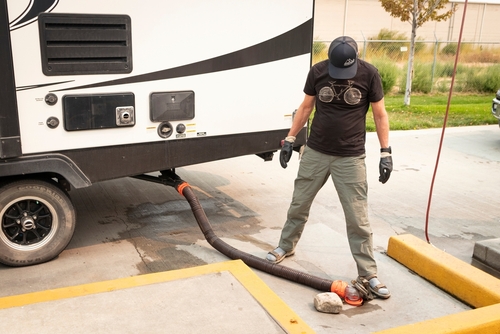
It’s tempting to assume gray water is harmless because it’s just soap and food residue. In many places, dumping gray water on the ground or into storm drains is illegal. Local regulations treat it as wastewater because it can contaminate waterways and attract pests. Campgrounds and rest stops often have specific disposal points for this reason.
Ignoring this rule can get you fined or banned from areas that tolerate van travelers. Even when it’s technically legal, dumping carelessly hurts the reputation of the entire community. This is why responsible van lifers talk about containment systems so much. Proper disposal keeps access open for everyone.
4. Rest areas are not free long-term housing.
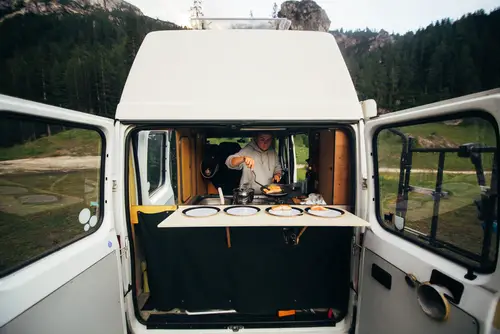
Rest areas feel like a loophole when you’re tired and broke. Most states allow overnight parking, but limit how long you can stay, often to 8 or 24 hours. These rules are designed to prevent people from setting up semi-permanent camps. Enforcement varies, but signage is usually very clear.
People get burned by assuming leniency equals permission. Staying past posted limits can result in citations or being told to leave permanently. Some states track license plates to enforce time limits. Knowing the posted rules helps you use rest areas without losing them as an option.
5. Noise travels farther than you think.
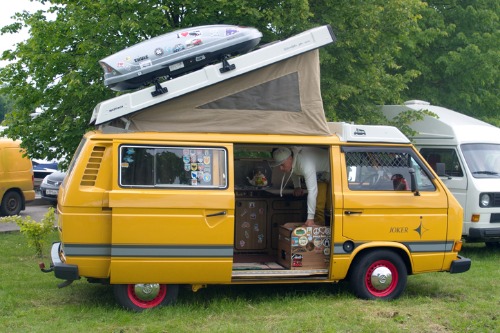
Inside your van, everything feels contained and private. Outside, generators, loud music, or even constant door slamming carries across parking lots and campsites. Many areas have quiet hours that apply even if no one tells you directly. This rule exists to protect nearby residents and other travelers.
Breaking it usually leads to complaints, not conversations. Once noise complaints are logged, enforcement tends to escalate quickly. You might not get a second warning. Keeping noise minimal is one of the easiest ways to stay welcome.
6. Trash is the fastest way to get a spot shut down.
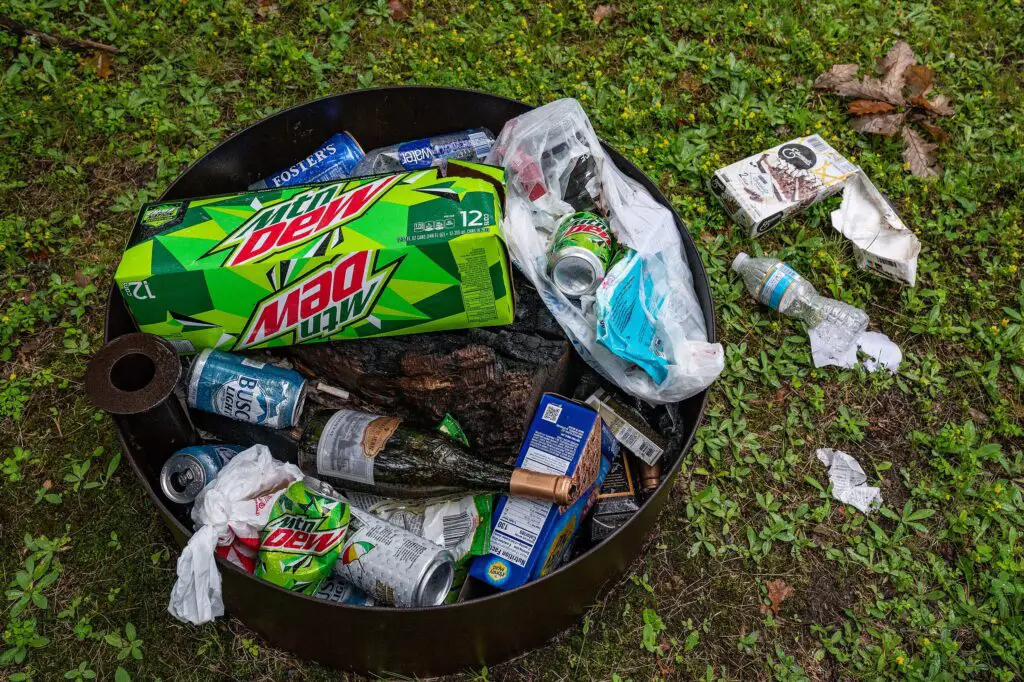
One piece of trash doesn’t feel like a big deal in the moment. Over time, popular van spots get overwhelmed by litter, and locals notice. Cities often respond by banning overnight parking altogether. This is why formerly great spots disappear.
The rule exists because cleanup costs money and affects public health. Even trash that fits in a bag attracts animals and creates messes. Responsible van lifers often pick up extra trash to counteract the damage others leave. It’s not just courtesy, it’s self-preservation.
7. Bathrooms are privileges, not guarantees.

It’s easy to plan your day around public restrooms. The problem is that hours change, facilities close, and access gets restricted without notice. Businesses can revoke bathroom access if they feel it’s being abused. This rule exists because maintenance and staffing cost money.
When you rely too heavily on public bathrooms, you feel it immediately when they’re gone. That’s usually when people rush into poor decisions like trespassing. Having a backup toilet solution reduces stress and bad judgment. It’s one of those lessons most people learn the uncomfortable way.
8. Weather changes your rules overnight.
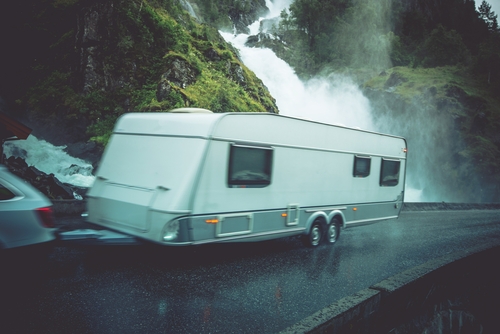
A spot that’s perfect in summer can be dangerous in winter. Snow removal zones, flood-prone areas, and high-wind corridors all come into play. Local restrictions often change seasonally, especially in mountain or coastal areas. These rules exist for safety, not convenience.
Ignoring seasonal conditions can get you stuck or ticketed. Plows don’t work around parked vehicles, and flood warnings aren’t suggestions. Many van lifers learn this after waking up trapped or forced to move in bad conditions. Checking local advisories becomes non-negotiable.
9. Private property is off-limits unless permission is explicit.
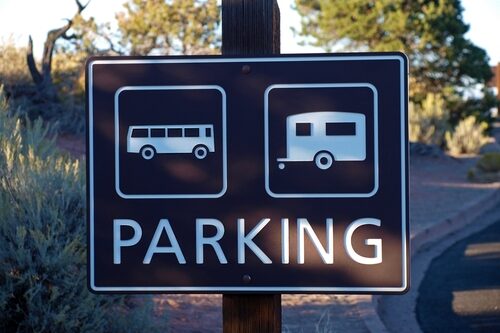
A quiet business lot can feel like a safe haven. Without clear permission, staying there is trespassing, even if no signs are posted. Property owners are legally allowed to ask you to leave at any time. This rule exists to protect businesses from liability and misuse.
People often confuse “no one said no” with “yes.” Once an owner complains, enforcement responds quickly. Repeated issues can lead to posted bans for everyone. Asking permission or sticking to known-allowed locations avoids this entirely.
10. Fire rules are stricter than you expect.

Campfires feel like part of outdoor life, but many areas restrict them heavily. Fire bans, seasonal restrictions, and permit requirements are common, especially in dry regions. Even small cooking fires can be illegal outside designated areas. These rules exist because wildfires spread fast and cause massive damage.
Breaking fire regulations can result in serious fines or criminal charges. More importantly, it puts lives and land at risk. Many van lifers switch to contained stoves for this reason. Knowing local fire rules is essential before lighting anything.
11. Your van is a vehicle first, a home second.

It’s easy to forget this once you’re settled in. Registration, insurance, and roadworthiness laws still apply no matter how cozy it feels. Expired tags or unsafe modifications give law enforcement clear reasons to stop you. These rules exist to keep roads safe and vehicles accountable.
People often learn this after a traffic stop turns into a bigger problem. Living in your van doesn’t exempt it from inspection or compliance. Staying legally drivable protects you from unnecessary scrutiny. It also keeps your home from being impounded.
This post The Van Life Rules You Don’t Know About Until You Break Them was first published on Greenhouse Black.
