
1. Vintage Cars With Original Interiors
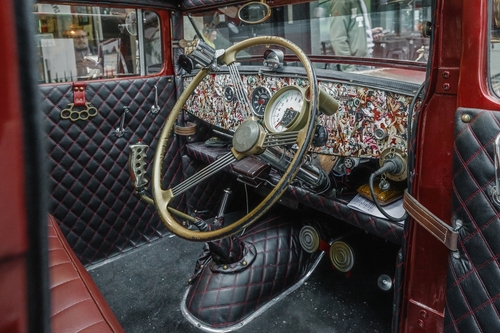
One of the fastest ways to tank the value of a classic car is to swap out its original interior for something more “comfortable.” Collectors care deeply about factory seats, original upholstery patterns, and period-correct materials, even if they squeak or smell faintly like history. Once you replace them with modern leather or aftermarket racing seats, the car stops being a time capsule. At that point, it’s just an old car with upgrades, not a collectible.
This happens a lot with mid-century American cars and European sports cars from the 1960s and 1970s. Original interiors are hard to reproduce accurately, which makes them disproportionately valuable. Even tasteful restorations can reduce resale value if they erase originality. Buyers would rather tolerate cracked vinyl than a perfect modern replacement.
2. Antique Furniture That Gets Sanded Down
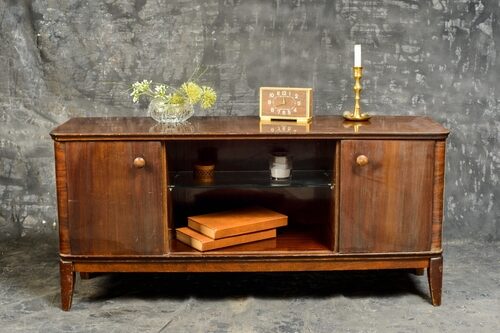
People often refinish antique furniture because it looks scratched, uneven, or “tired.” Unfortunately, sanding removes the original surface, which is exactly what antique dealers and collectors want preserved. That patina tells a story about age, use, and craftsmanship that can’t be recreated. Once it’s gone, the piece becomes decorative instead of historical.
This is especially true for 18th- and 19th-century wooden furniture. Original finishes, tool marks, and wear patterns help authenticate age and origin. A glossy polyurethane coat might look nicer in a dining room, but it wipes out market value. In many cases, a lightly cleaned original surface is worth far more than a fully refinished one.
3. Vintage Watches With Replaced Dials
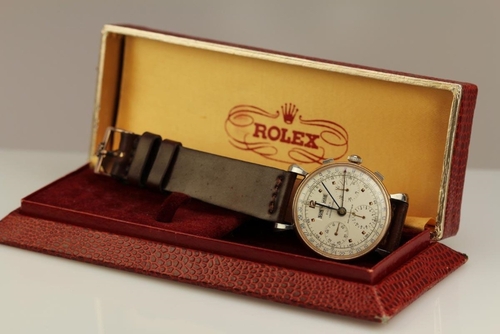
Modernizing a vintage watch often starts with replacing a faded or damaged dial. The problem is that the dial is one of the most important value drivers for collectors. Original dials, even with discoloration or “tropical” aging, are considered desirable. A replacement dial, even from the manufacturer, can drastically reduce value.
This is common with Rolex, Omega, and other mid-20th-century mechanical watches. Service centers often swap parts without considering collectibility. Once the original dial is gone, it’s usually gone forever. Collectors will almost always choose a worn original over a pristine replacement.
4. Old Homes With Original Architectural Details Removed
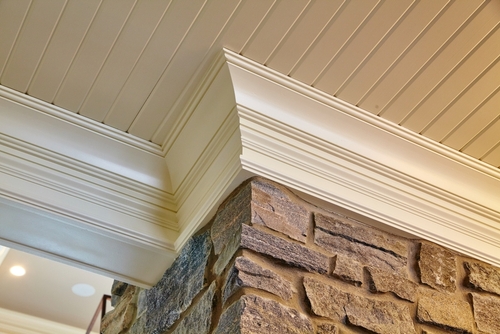
Homeowners frequently modernize older houses by removing original features like crown molding, wood paneling, or plaster walls. While this can make a space feel cleaner or more contemporary, it often reduces the home’s historical and resale value. Those details are expensive and difficult to replicate accurately. Their absence can make a historic home feel generic.
This is particularly true for Victorian, Craftsman, and early 20th-century homes. Original millwork and built-ins are major selling points for buyers seeking character. Once removed, the home loses part of its identity. Renovations that preserve and restore tend to hold value better than ones that erase.
5. First-Edition Books With New Bindings

Rebinding an old book might seem like a good way to protect it, but it can seriously hurt its value. Collectors care about original bindings, even when they show wear or damage. The binding helps verify age, edition, and authenticity. A new binding breaks that historical continuity.
This happens often with first editions and early printings. Even professional rebinding can make a book less desirable on the market. In many cases, a fragile original binding is preferred to a sturdy modern one. Preservation and restoration are not the same thing in the book world.
6. Retro Video Game Consoles With Permanent Mods
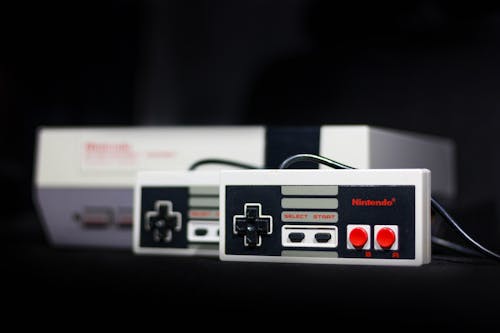
People love modifying old game consoles to add HDMI outputs or expanded storage. While reversible mods are one thing, permanent alterations can kill collector value. Original hardware configuration matters to serious collectors. Once traces are cut or cases drilled, originality is gone.
This is especially true for early Nintendo, Sega, and Atari systems. Factory condition consoles are becoming increasingly rare. A modified console may be more playable, but it’s less collectible. The market consistently rewards untouched examples over customized ones.
7. Classic Musical Instruments With Modern Parts
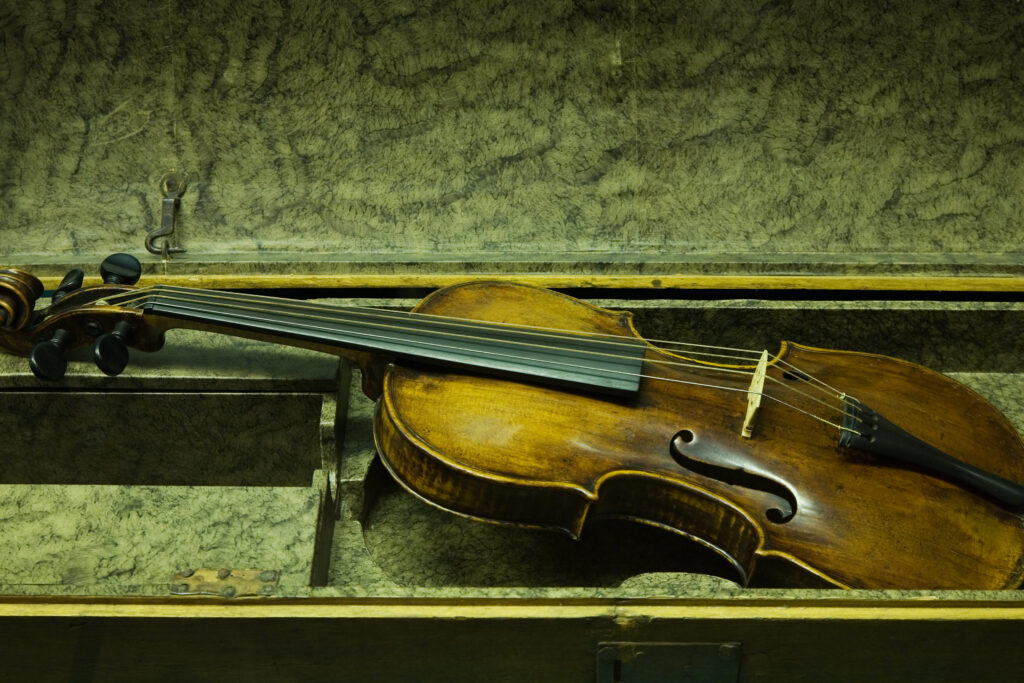
Upgrading an old guitar or violin with modern components can seem harmless. However, original tuners, pickups, bridges, and finishes are critical to value. Even small part swaps can raise red flags for collectors. Originality often outweighs performance in the vintage instrument market.
This is well-documented with vintage Fender and Gibson guitars. Instruments from the 1950s and 1960s can lose tens of thousands in value from non-original parts. Players might prefer upgrades, but collectors do not. The most valuable instruments are the ones that remain as close to factory condition as possible.
8. Old Photographs That Get Digitally “Enhanced”

People often scan old photos and digitally clean them up, sometimes discarding the originals afterward. While digital copies are useful, altering or losing the original can destroy historical and monetary value. Original prints contain information about paper type, printing method, and age. Those details matter to archivists and collectors.
This is especially relevant for early photography like daguerreotypes and albumen prints. Any physical alteration or loss of the original removes its collectible status. Digital enhancement is fine for sharing, but not as a replacement. The original object is the artifact.
9. Antique Firearms With Refinished Metal or Stocks

Refinishing an old firearm can make it look newer and more polished. Unfortunately, this almost always reduces its value to collectors. Original bluing, case hardening, and stock finish are critical indicators of authenticity. Refinished guns lose that historical evidence.
This is common with military surplus and 19th-century firearms. Even light refinishing can cut value significantly. Collectors prefer honest wear over artificial perfection. A worn original is worth more than a shiny redo.
10. Vintage Clothing That Gets Tailored
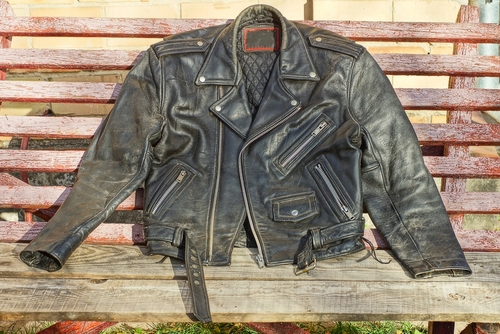
Altering vintage clothing to fit modern bodies often destroys its resale value. Original cut, stitching, and proportions are essential to collectors and museums. Once fabric is removed, it can’t be put back. The garment loses its historical integrity.
This is particularly true for mid-century fashion and earlier. Designers, labels, and construction techniques matter. Even minor tailoring can make an item undesirable to serious buyers. Preservation beats personalization in the vintage clothing market.
11. Old Electronics With Replacement Casings
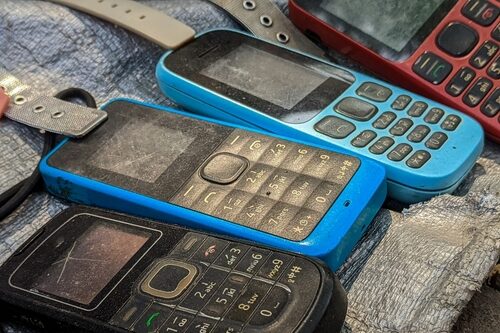
Cracked or yellowed plastic on old electronics tempts people to replace the casing. However, original housings are part of what makes an item collectible. Color, texture, and manufacturing quirks help date and authenticate pieces. A new shell, even if identical, removes originality.
This happens with early computers, calculators, and audio equipment. Collectors value untouched exteriors, flaws included. Replacement casings are usually obvious to trained eyes. Original condition almost always commands a premium.
12. Historical Documents That Get Laminated
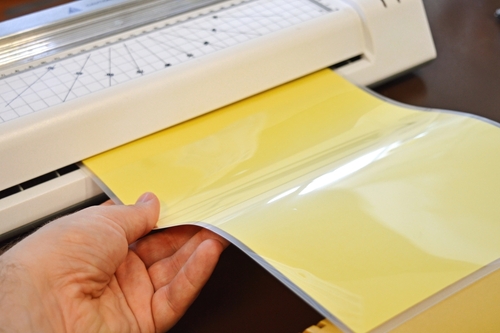
Laminating old documents feels like a protective move, but it’s actually destructive. The heat and adhesives used in lamination can permanently damage paper and ink. Archivists strongly advise against it for anything historical. Once laminated, conservation options become extremely limited.
This is a common mistake with certificates, letters, and signed documents. Lamination can render an item worthless to collectors and institutions. Proper archival storage preserves value without altering the object. Good intentions don’t undo permanent damage.
This post Things People Modernize Before Realizing They Just Killed Their Value was first published on Greenhouse Black.
