
1. Denver, Colorado
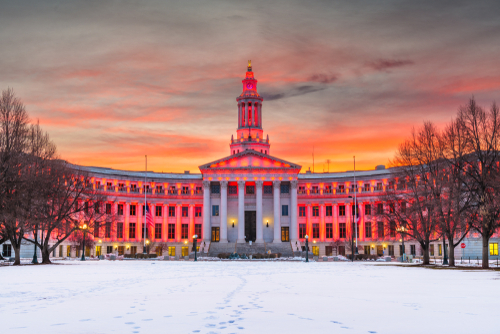
Denver plans like a dense, transit-oriented city, with rail lines and zoning changes encouraging urban living. The city’s growth strategy focuses on mixed-use development and reduced car dependence. But much of daily life still reflects suburban patterns. Housing prices have surged faster than wages.
Commuters often rely on cars despite transit investments. New development clusters in certain areas while others lag behind. The region’s rapid growth has stressed infrastructure. Denver plans for urban life, but many residents still live a spread-out reality.
2. Los Angeles, California
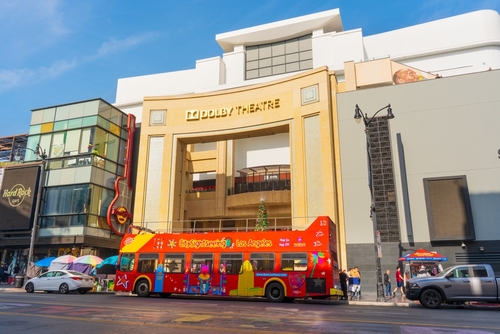
Los Angeles has spent years rethinking itself beyond car culture, investing heavily in rail expansion and transit-oriented development plans. The city’s long-range plans emphasize density near stations and a less auto-dependent lifestyle. Yet daily life still revolves around traffic, long drives, and fragmented neighborhoods. The physical scale of the city makes planning ideals hard to feel on the ground.
Many Angelenos live miles from work and plan their lives around congestion rather than transit schedules. New rail lines exist, but land use around them often lags behind the vision. Housing growth hasn’t kept pace with population and job demand. Los Angeles plans like a modern transit city but lives like a decentralized one.
3. New York City, New York
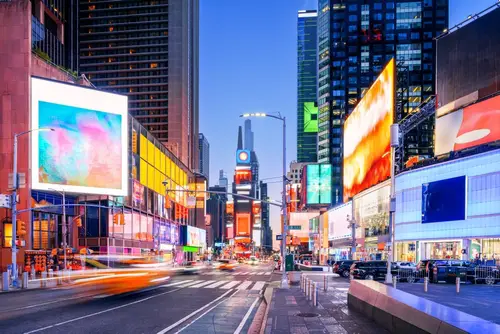
New York plans with confidence, backed by one of the most extensive transit systems in the world and a long history of density. Official plans focus on sustainability, climate resilience, and housing growth. But aging infrastructure and political gridlock complicate everyday life. Riders experience delays and breakdowns that clash with the city’s big-picture ambitions.
Housing policy is another pressure point. The city plans for more units, but rezonings and construction move slowly. Many residents live far from their jobs despite dense urban form. New York knows how to plan a great city, but maintaining one is an ongoing struggle.
4. Austin, Texas
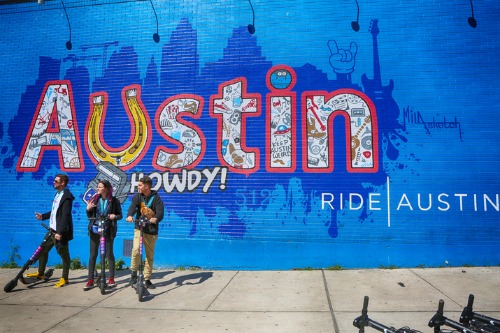
Austin plans for growth with glossy comprehensive plans that emphasize walkability, transit, and urban density. City leaders openly acknowledge the need to move beyond sprawl. Daily life, however, still reflects a car-dependent city built faster than it could adapt. Rapid population growth has outpaced infrastructure improvements.
Residents feel this in traffic congestion and rising housing costs. Transit options exist but remain limited for a metro area of its size. New housing is often far from job centers. Austin plans like a future-focused tech hub but lives like a stretched mid-sized city.
5. Seattle, Washington
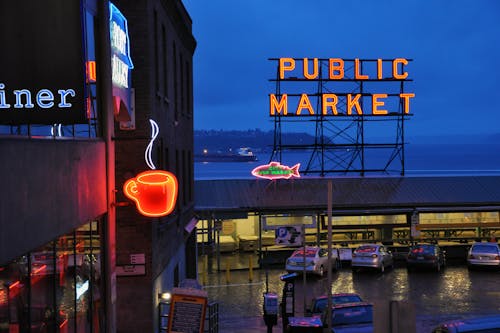
Seattle’s planning culture is serious and data-driven, with strong commitments to transit, climate action, and dense urban villages. Major investments like light rail expansions reflect long-term thinking. Yet the lived experience includes high housing costs and visible inequality. Growth has been fast, and adjustment has been uneven.
Many workers are priced out of the neighborhoods closest to jobs. Construction and infrastructure upgrades can feel constant and disruptive. Transit is improving, but coverage gaps remain. Seattle plans carefully, but living there can feel like being inside an ongoing experiment.
6. Portland, Oregon
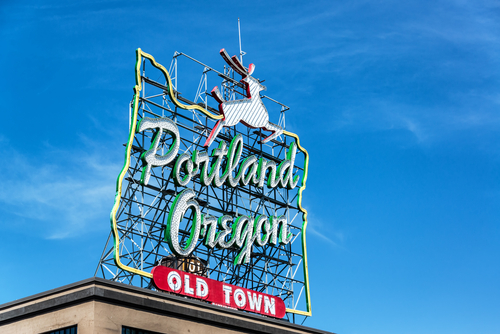
Portland is famous for planning, from its urban growth boundary to its emphasis on compact development. The city has long aimed to balance livability, affordability, and sustainability. In reality, housing shortages and rising rents have strained that vision. The ideals remain, but outcomes have been mixed.
Residents still enjoy walkable neighborhoods, but affordability is a growing concern. Transit exists, yet many jobs remain easier to reach by car. Homelessness has become more visible despite thoughtful policy goals. Portland plans with intention, but living there reveals the limits of planning alone.
7. San Francisco, California
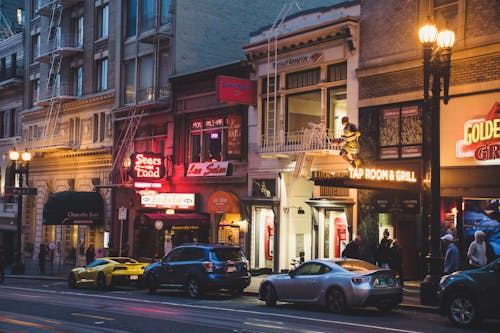
San Francisco plans like a world capital of innovation, with climate goals, transit-first policies, and an obsession with walkability. On paper, it wants density near transit, fewer cars, and housing for all income levels. In practice, decades of restrictive zoning and neighborhood opposition have kept housing supply tight. The result is a city that plans for inclusivity but lives with some of the highest housing costs in the country.
For residents, this gap shows up in daily compromises. People who work in the city often live far away and commute long hours despite strong transit plans. Small changes like bike lanes or bus improvements can take years to implement. San Francisco knows exactly what kind of city it wants to be, but living there often feels like waiting for that future to arrive.
8. Phoenix, Arizona
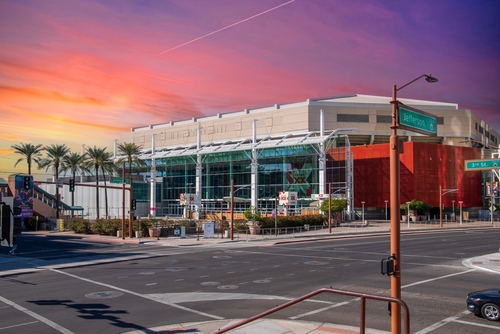
Phoenix plans ambitiously for sustainability and density despite its desert setting. City leaders promote transit expansion and downtown revitalization. Living there, however, still means long drives and extreme heat shaping daily routines. The built environment remains spread out.
Transit exists but covers limited ground for a metro of its size. Housing is more affordable than coastal cities, but distances are vast. Climate challenges add urgency to plans that take time to implement. Phoenix plans for a more compact future but lives in wide-open space.
9. Houston, Texas
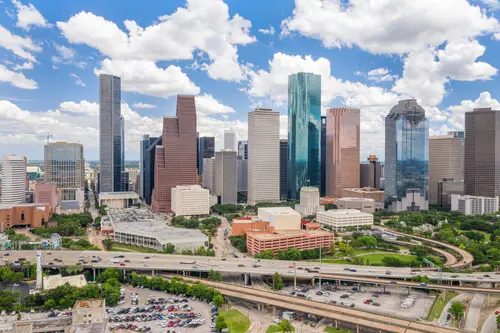
Houston plans without traditional zoning, relying instead on market-driven development and infrastructure investment. Official plans focus on resilience, especially after major flooding events. Daily life, though, can feel chaotic and car-heavy. The lack of zoning produces flexibility and unpredictability.
Traffic congestion is a constant reality. Transit options are improving but still limited relative to population size. Housing is abundant but unevenly distributed. Houston plans for resilience and growth, while living there often means navigating trade-offs.
10. Miami, Florida
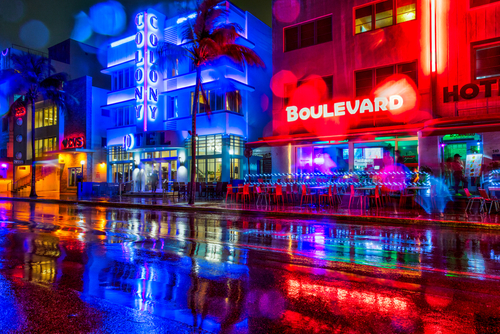
Miami plans urgently around climate adaptation, sea-level rise, and urban density. Policy discussions are dominated by resilience and future-proofing. Everyday life, however, is shaped by congestion, high housing costs, and development pressures. The future feels very close and very uncertain.
Luxury development thrives while affordability lags behind. Transit improvements exist but don’t serve all neighborhoods equally. Flooding concerns affect daily decisions in ways plans can’t fully control. Miami plans for survival while residents live with the consequences now.
11. Chicago, Illinois
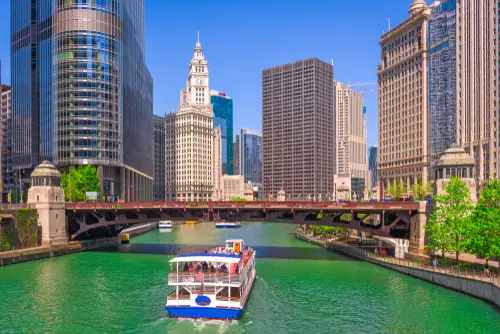
Chicago plans like a city of strong neighborhoods connected by transit. Long-term strategies emphasize reinvestment and equity. Living there reveals sharp contrasts between areas that thrive and those that struggle. Planning goals don’t always overcome historic disinvestment.
Transit is extensive but aging. Some residents enjoy walkable, well-served areas, while others face long commutes. Population decline in certain neighborhoods complicates growth strategies. Chicago plans for cohesion, but daily life reflects deep divides.
12. Atlanta, Georgia
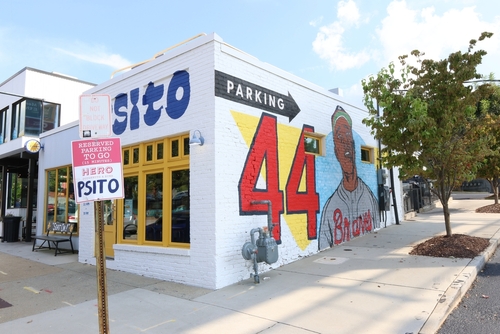
Atlanta plans to become less car-dependent through transit expansion and denser development. Official visions highlight walkability and regional connectivity. In reality, sprawl still defines much of the metro area. Traffic remains a defining feature of daily life.
Transit coverage is limited compared to the region’s size. Housing development often pushes farther outward. Job centers are scattered. Atlanta plans for a connected city but lives as a decentralized one.
13. Boston, Massachusetts
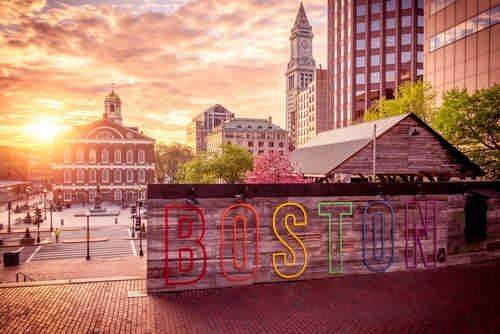
Boston plans around transit, historic preservation, and compact urban form. Its planning documents emphasize sustainability and housing growth. Living there often means dealing with an aging transit system and high costs. The city’s old infrastructure struggles to meet modern demands.
Residents rely heavily on transit that needs constant repair. Housing shortages are felt across income levels. Growth is constrained by geography and regulation. Boston plans thoughtfully, but daily life tests that patience.
14. San Jose, California
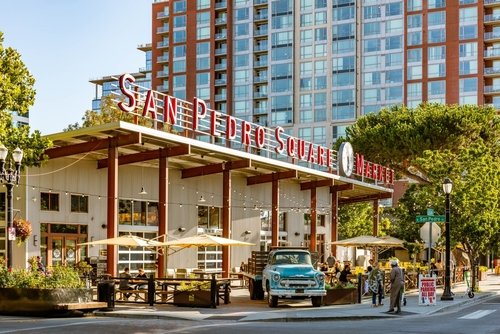
San Jose plans to transform from a suburban tech hub into a dense urban center. City plans emphasize high-rise housing and transit near downtown. Living there still feels spread out and car-oriented. The vision hasn’t fully reshaped the city yet.
Jobs are plentiful, but housing near them is scarce. Transit exists but doesn’t match the scale of employment. Many residents commute long distances within the region. San Jose plans for urbanity while living in Silicon Valley sprawl.
This post The Gap Between Planning and Living in These 14 Cities was first published on Greenhouse Black.
