
1. Los Angeles
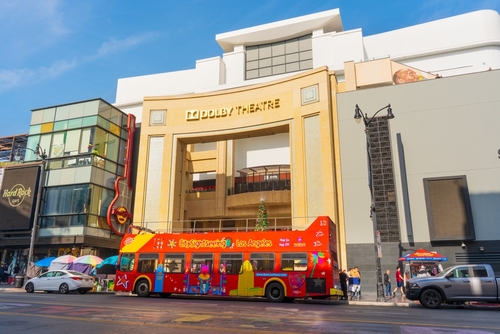
Los Angeles is often assumed to be superficial, traffic-choked, and centered entirely on the entertainment industry. Many newcomers expect shallow conversations and constant pressure to network. The city is imagined as one giant sunny sprawl with no real sense of community. It can feel emotionally distant from the outside.
After a year, LA reveals itself as a city of distinct neighborhoods with strong local identities. Social circles often form around geography, not industry. Traffic becomes predictable rather than paralyzing once routines settle in. The city starts to feel personal instead of performative.
2. New York City
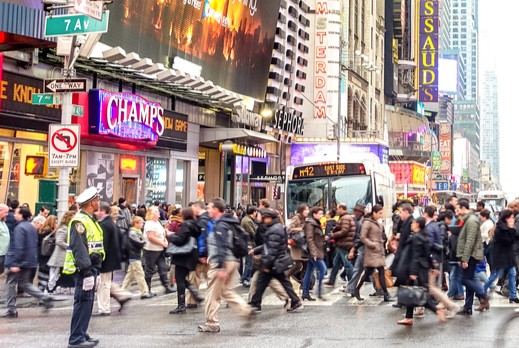
Before moving to New York City, many people assume it’s an endlessly glamorous place powered by ambition and late-night energy. The idea is that everyone is hustling nonstop, living in tiny apartments, and loving every chaotic minute. There’s also an assumption that the city’s pace leaves little room for routine or quiet. It feels like a place where burnout is inevitable but somehow worth it.
After a year, you realize how neighborhood-driven New York really is. Daily life revolves around the same coffee shop, grocery store, and subway entrance, which creates surprising stability. People protect their routines fiercely, carving out calm in parks, museums, or even their walk to work. The glamour fades, but the city’s livability becomes the real revelation.
3. Chicago
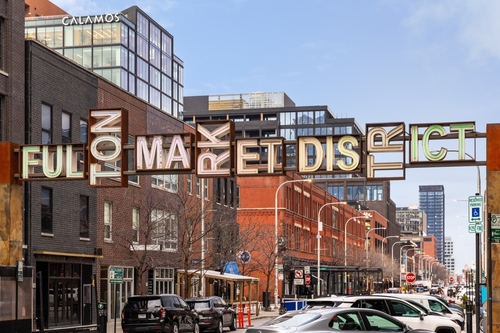
Chicago is often thought of as a colder, cheaper version of New York with worse weather. Many assume it’s dominated by downtown offices and sports culture. Winters are imagined as unbearable and isolating. The city can seem practical rather than lovable.
After a year, neighborhood loyalty becomes one of Chicago’s most defining traits. Local bars, block parties, and community events shape daily life. Winter turns into a shared experience that bonds people together. The city feels warm despite the cold.
4. San Francisco
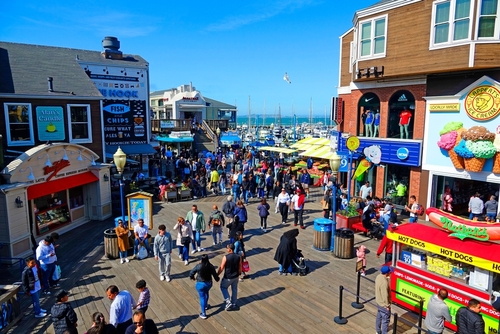
San Francisco is frequently assumed to be only about tech workers, high rent, and rapid turnover. Newcomers expect short-term friendships and career-first priorities. The city is seen as culturally narrow. It can feel unstable from a distance.
After a year, the city’s long-standing communities become more visible. Family-owned businesses, neighborhood associations, and cultural enclaves anchor daily life. Tech is present but not all-consuming. San Francisco starts to feel intimate rather than transient.
5. Seattle
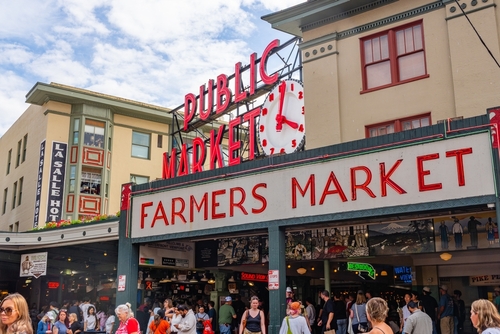
Seattle is often imagined as gray, antisocial, and emotionally distant. The “Seattle Freeze” is expected to dominate social life. Weather is assumed to dictate everyone’s mood. It sounds isolating to outsiders.
After a year, people realize social connection here just moves at a slower pace. Friendships take time but tend to be dependable. Residents adapt to the climate with intentional routines and hobbies. The city feels reflective, not closed-off.
6. Austin

Austin is assumed to be an affordable party city driven by music and tech. Many expect nonstop nightlife and easy living. There’s also an assumption that it hasn’t changed much over the years. It’s often framed as effortlessly fun.
After a year, the city’s rapid growth becomes more apparent. Rising costs, traffic, and infrastructure strain shape daily decisions. The music and food scenes remain vibrant but more localized. Austin feels dynamic rather than carefree.
7. Boston
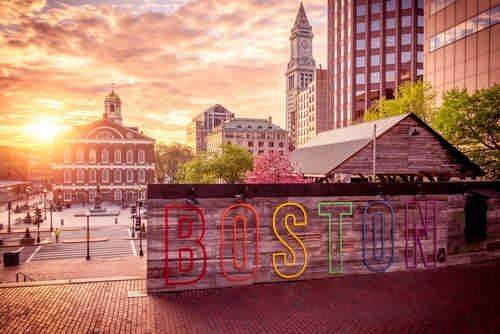
Boston is often assumed to be formal, academic, and socially rigid. People expect it to revolve around universities and historical tourism. The stereotype includes unfriendly locals and early nights. It can sound intimidating.
After a year, the city’s strong neighborhood identities come into focus. Longstanding traditions and local loyalty shape social life. The reserved exterior gives way to deep-rooted relationships. Boston feels grounded rather than cold.
8. Miami
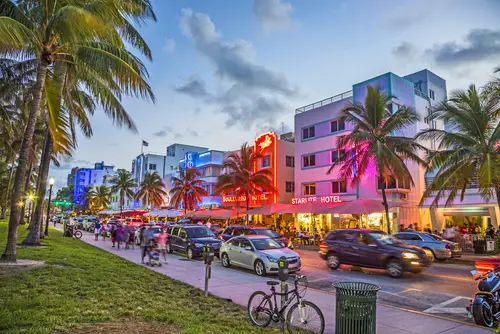
Miami is often seen as flashy, party-focused, and transient. Many assume it lacks professional depth outside hospitality and nightlife. The city is imagined as image-driven and seasonal. It can seem superficial.
After a year, Miami’s cultural complexity becomes impossible to ignore. Latin American and Caribbean influences deeply shape daily life. Business, family, and community ties are tightly woven. The city feels layered instead of shallow.
9. Denver
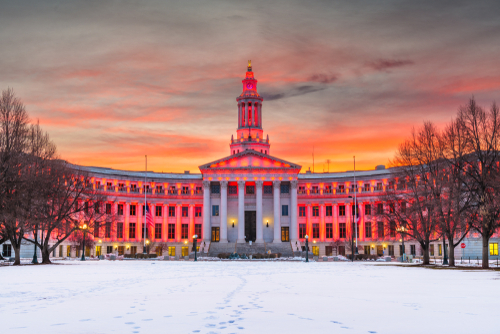
Denver is frequently assumed to be all about outdoor recreation and casual lifestyles. Many expect an instant social life built around hiking and breweries. The city is imagined as relaxed and simple. It sounds easygoing to newcomers.
After a year, the competitiveness of the housing market and job scene becomes clear. Outdoor culture remains central but requires planning and access. Social circles can take time to solidify. Denver feels structured beneath the laid-back image.
10. Washington, D.C.
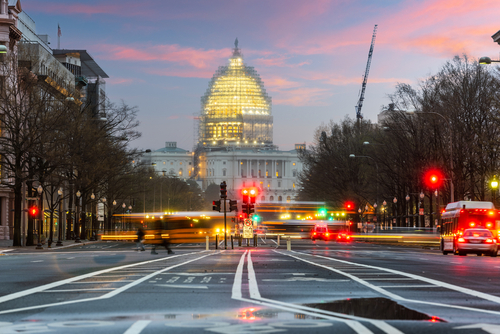
Washington, D.C. is often assumed to be dominated entirely by politics and ambition. Many expect every conversation to circle back to work. The city can seem transactional and intense. It’s imagined as all career, no personality.
After a year, its neighborhood charm stands out. Parks, local restaurants, and community events shape everyday routines. Many residents separate work identity from personal life more than expected. The city feels livable, not just driven.
11. Atlanta
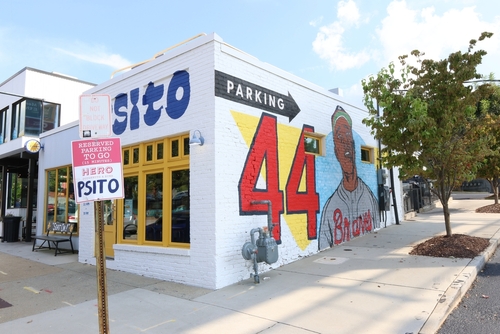
Atlanta is often assumed to be sprawling and car-dependent with little cohesion. Some see it as defined mainly by traffic and corporate campuses. The cultural depth is often underestimated. It can feel vague from the outside.
After a year, Atlanta’s strong creative and cultural communities emerge. Music, film, and food scenes play a central role in daily life. Neighborhood pride shapes social circles. The city feels expressive and rooted.
12. San Diego
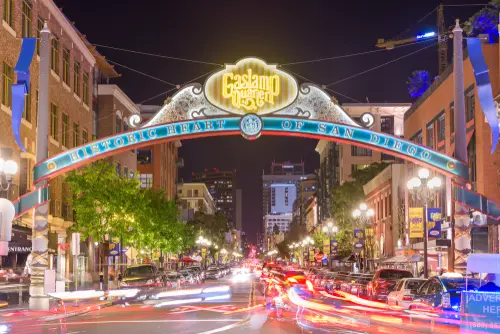
San Diego is often imagined as permanently relaxed and vacation-like. People expect endless sunshine and easy living. The city is assumed to lack urgency or ambition. It sounds idyllic but shallow.
After a year, the high cost of living becomes more noticeable. Many residents balance laid-back lifestyles with demanding careers. The city’s military and biotech presence adds structure. San Diego feels steady rather than sleepy.
13. Portland
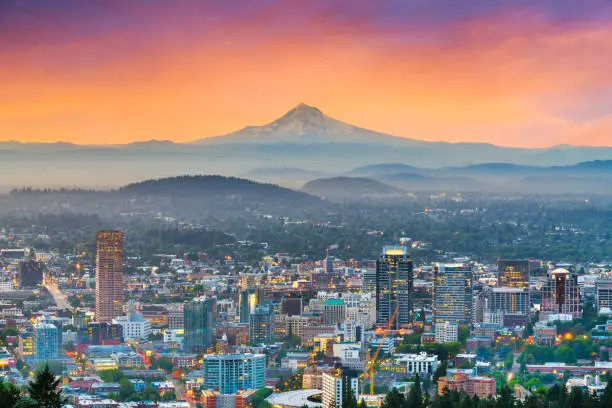
Portland is assumed to be quirky, homogeneous, and slow-moving. Many expect a strong alternative culture with minimal pressure. The city is imagined as creatively free and inexpensive. It sounds idealized.
After a year, the challenges of growth and economic change become clearer. Neighborhoods vary widely in pace and priorities. Community engagement is strong but complex. Portland feels intentional, not effortless.
14. Dallas
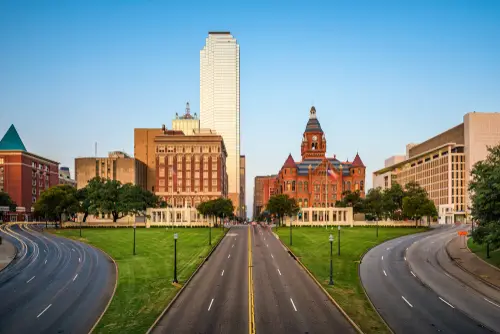
Dallas is often assumed to be corporate, conservative, and culture-light. Many expect chain restaurants and suburban sprawl. The city can seem purely business-focused. It feels predictable from afar.
After a year, Dallas’s diversity and neighborhood development become more visible. Independent restaurants, arts districts, and local events shape daily routines. The business culture coexists with creative energy. Dallas feels multifaceted rather than flat.
15. Minneapolis
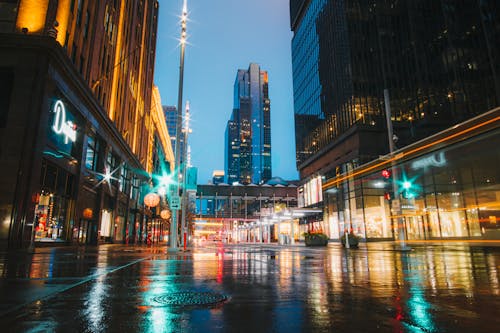
Minneapolis is often assumed to be quiet, cold, and socially reserved. Winters dominate the city’s reputation. It’s imagined as pleasant but uneventful. The city can feel overlooked.
After a year, its strong community infrastructure stands out. Arts organizations, parks, and civic engagement shape everyday life. Winters become social seasons rather than dead zones. Minneapolis feels vibrant beneath its calm exterior.
This post Assumptions About These Cities That Shift After the First Year was first published on Greenhouse Black.
