
1. Seattle, Washington
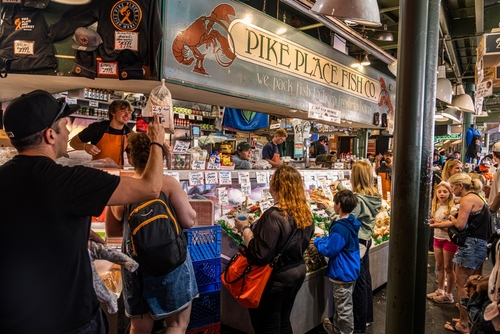
Seattle is scenic and progressive, but newcomers often face a slow adjustment period. The weather, especially the long stretches of gray and rain, can affect mood and social habits. People often underestimate how much the weather influences daily life and outdoor activities. It can feel isolating if you’re used to sunnier climates.
Another factor is cost. Housing prices are high, and finding a rental in a preferred neighborhood can be competitive. Even after moving, adjusting to local commuting patterns, like navigating traffic around the Space Needle or avoiding rush-hour bottlenecks, can be tricky. These small challenges add up, making settling in a drawn-out process.
2. New York City, New York
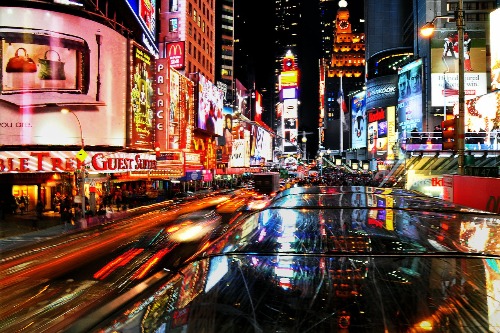
Moving to NYC is a dream for many, but the reality is that getting truly settled can be a slow process. The sheer size of the city makes even basic tasks—like finding the right grocery store or a reliable doctor—feel overwhelming. Add to that the fast pace of life, and newcomers often feel like they’re constantly catching up. Even locals joke that it takes at least a year just to learn how to navigate the subway efficiently.
Housing in New York can be another sticking point. Rental applications are competitive, deposits are steep, and neighborhoods vary dramatically in vibe and cost. Until you find a spot that feels like home, it can feel like you’re in a perpetual state of limbo. Many people end up bouncing between temporary housing arrangements for months.
3. San Francisco, California

San Francisco is beautiful, vibrant, and full of opportunity, but settling here can take time because of its high cost of living. Finding affordable housing is a challenge, and even after signing a lease, adjusting to the microclimates and hills can take a while. The city’s tech-driven culture also makes social integration tricky, as many locals have tight-knit networks. It’s not uncommon to feel like an outsider at first.
Transportation adds another layer of complexity. While the city is walkable, the public transit system can be confusing, and traffic congestion is brutal. New residents often underestimate how long it takes to get to work, social events, or errands. Getting comfortable with these logistics is essential to feeling at home.
4. Boston, Massachusetts
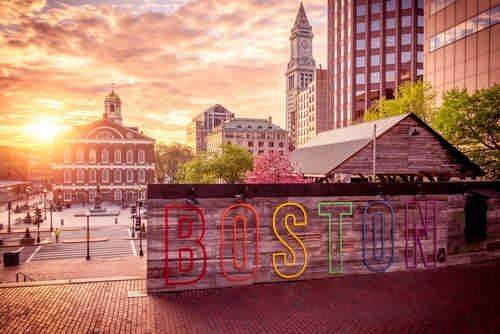
Boston has incredible history and culture, but newcomers often find it hard to settle because of the city’s unique layout. Streets aren’t laid out in a grid, which can make driving and navigation confusing. The old architecture and winding neighborhoods are charming, but they’re also easy to get lost in. Even GPS sometimes struggles with Boston addresses, which can add to the stress.
Then there’s the social scene. Bostonians are friendly, but locals often have long-standing social circles. It can take months, sometimes years, to feel like you truly “belong.” Until that happens, even routine errands or community involvement can feel isolating.
5. Los Angeles, California
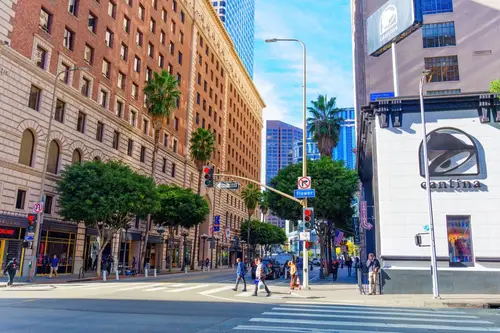
Los Angeles is a city of neighborhoods more than a single urban hub, which can make feeling at home complicated. Choosing where to live is a major decision because the difference between neighborhoods is huge—culturally, economically, and logistically. You might love one area but face a grueling commute if your work is elsewhere. Many newcomers spend months exploring before committing to a long-term location.
Traffic is another notorious barrier. Even locals plan their schedules around congestion. Getting used to spending hours in a car every week is part of integrating into the LA lifestyle. Until you master this, the city can feel exhausting rather than exhilarating.
6. Chicago, Illinois
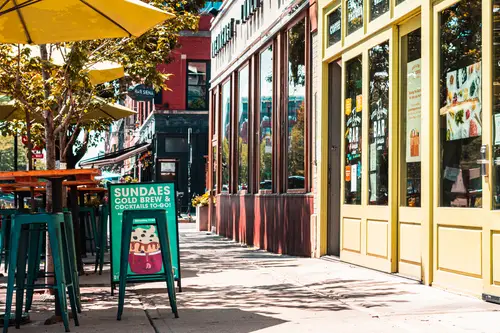
Chicago offers culture, food, and architecture, but the winters can make settling in feel like a marathon. The cold, wind, and snow often hit newcomers harder than they expect. Daily routines, from commuting to grocery shopping, require adjustment. Learning how to layer clothing, navigate snow-laden streets, and deal with frozen pipes becomes part of acclimating.
Neighborhood identity is strong here, which can slow social integration. Each area has its own vibe, history, and sense of community. Feeling at home often means finding the neighborhood that matches your personality and lifestyle. This process of exploration and adjustment can stretch over several months.
7. Washington, D.C.
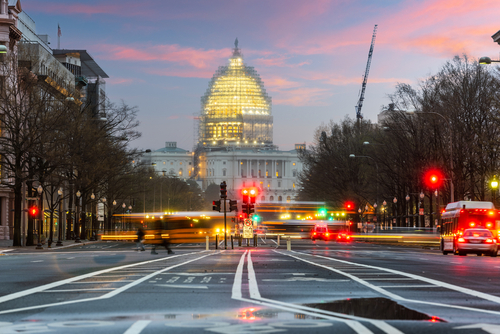
Settling in the nation’s capital takes time due to its political and transient culture. Many people move for government jobs, internships, or academic programs, which means neighbors often rotate quickly. Building long-term social connections can be a slow process. You might feel like a temporary resident for months, even if you plan to stay long-term.
Commuting in D.C. can also be tricky. The Metro system is efficient but crowded, and parking is a constant challenge. Learning which neighborhoods are pedestrian-friendly and which require a car is part of acclimating. Until these routines become second nature, life in D.C. can feel chaotic.
8. Austin, Texas

Austin is growing fast, and newcomers often underestimate the pace of change. Neighborhoods that felt quiet a year ago can be bustling today. Local culture is fiercely protective, and it can take time to feel accepted into social circles. Being patient and exploring small events or niche communities helps ease the transition.
The weather is another adjustment factor. Hot summers and high humidity can impact outdoor activities, and new residents often find themselves constantly seeking shade or air conditioning. Understanding local commuting habits, like the city’s traffic hotspots, is also crucial. These factors contribute to the slower settling-in process.
9. Miami, Florida
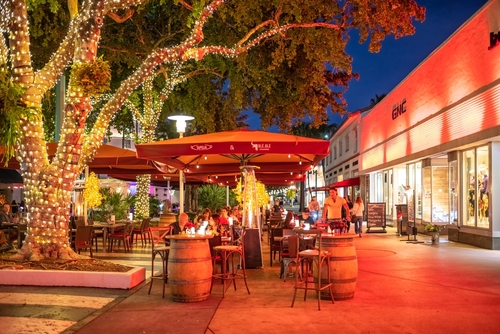
Miami’s vibrant culture and nightlife are alluring, but settling here can be delayed by climate and lifestyle adjustments. The heat and humidity can be overwhelming, especially if you’re not used to tropical weather. Hurricanes and heavy rain seasons require preparation and can disrupt routines. New residents often underestimate how much the weather affects daily life.
Then there’s the language and cultural diversity. Spanish is commonly spoken, and understanding local customs can take time. Social integration sometimes depends on learning these nuances. Until you adjust, it can feel like you’re observing rather than fully participating in the city’s rhythm.
10. Denver, Colorado

Denver offers outdoor adventure and a laid-back lifestyle, but newcomers often hit a settling-in wall due to altitude and climate. The high elevation can affect sleep, energy, and even exercise routines. Winter weather varies dramatically, from snowstorms to sunny days, requiring constant adaptation. These factors make the first few months physically and mentally challenging.
Neighborhood selection also plays a role. Denver’s suburbs and city areas differ in culture, commute times, and amenities. Finding a neighborhood that matches your lifestyle can take months. Social integration follows, as local networks are often tight-knit.
11. Portland, Oregon
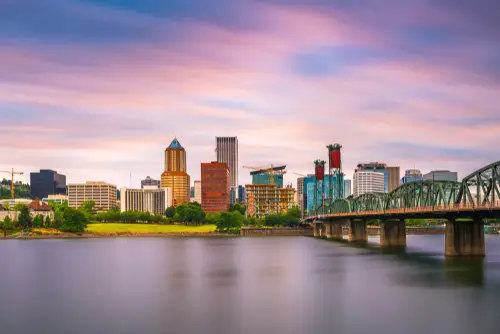
Portland is known for its quirky culture and green spaces, but newcomers often experience a slower transition. The city’s rainy climate can feel endless and sometimes isolating. Local customs, like supporting small businesses and farmers’ markets, can be initially confusing. Even simple tasks, like figuring out which neighborhood has your preferred vibe, take trial and error.
Transportation is another factor. While biking and public transit are common, learning the most efficient routes takes time. Weather and commuting logistics often influence social life. Settling in fully means adapting to both the cultural quirks and the practical routines of the city.
This post Why Settling in These Places Takes Longer Than Expected was first published on Greenhouse Black.
