
1. Nashville
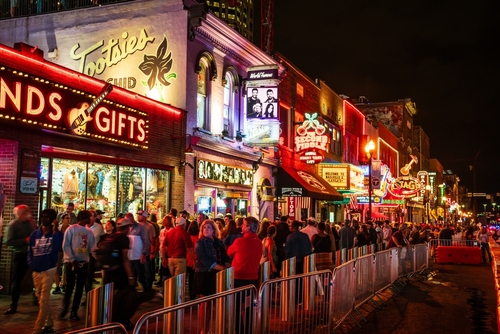
Nashville attracts newcomers with its music industry and cultural buzz. Tourism plays a major role in daily life, especially downtown. That can make the city feel performative rather than lived-in. Housing costs have also climbed rapidly.
The social culture can feel centered on specific scenes like music or nightlife. If you don’t plug into those, meeting people may take longer. Public transportation options are limited compared to peer cities. For some, Nashville feels fun but hard to settle into long term.
2. Los Angeles
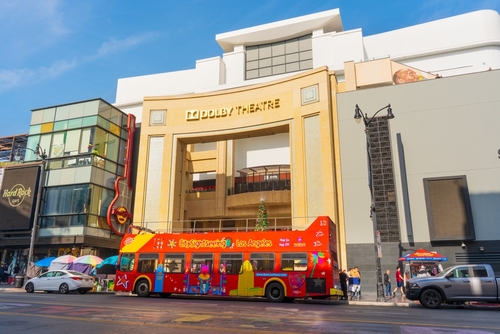
Los Angeles promises endless opportunity, but its scale can overwhelm new arrivals. Daily life often revolves around long drives, because many neighborhoods aren’t easily connected without a car. Traffic is not just inconvenient; it shapes work hours, social plans, and stress levels. Newcomers sometimes find the city exhausting before it becomes exciting.
The city’s social scenes are also highly segmented by industry and neighborhood. Breaking in can feel difficult if you don’t already have a network or flexible schedule. While the weather is famously mild, the sprawl can limit spontaneous connection. For some, Los Angeles never quite feels cohesive enough to feel like home.
3. New York City
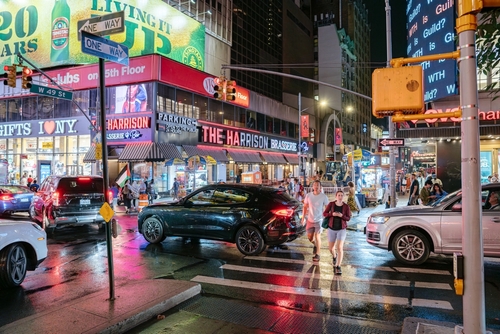
New York City attracts people who crave energy, ambition, and constant stimulation. What surprises many newcomers is how expensive even modest living can be. Small apartments, shared housing, and high everyday costs quickly test patience. The pressure to keep up can overshadow the city’s magic.
Socially, New York can feel paradoxical, crowded yet emotionally distant. People are busy, and schedules fill weeks in advance. Winters are long and gray, which can intensify feelings of isolation. For some transplants, the city remains thrilling but never comfortable.
4. Miami
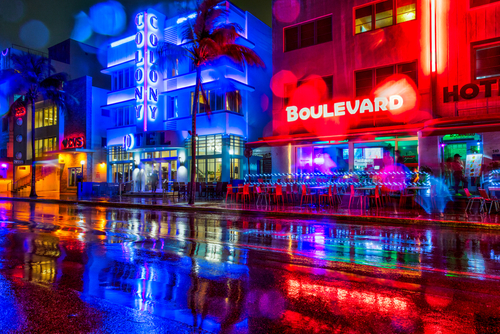
Miami sells a lifestyle of sun, beaches, and nightlife that draws newcomers quickly. The reality includes a high cost of living that isn’t always matched by local wages. Housing prices and insurance costs have risen sharply in recent years. That financial mismatch can make settling in feel precarious.
Culturally, Miami is vibrant but very distinct. Language barriers can arise in daily life if you don’t speak Spanish. The social scene can feel surface-level to people looking for slower, deeper connections. Add intense heat and hurricane season, and some newcomers struggle to fully adjust.
5. Seattle
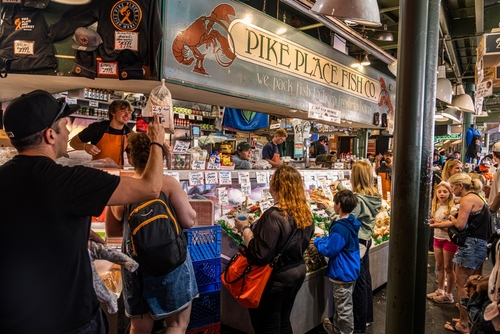
Seattle draws people with its tech jobs, natural beauty, and progressive reputation. Many newcomers underestimate how much the long, dark winters affect mood. Short daylight hours and persistent drizzle can wear people down. Seasonal affective challenges are commonly cited by transplants.
Socially, newcomers often encounter what locals call the Seattle Freeze. People are polite but slow to open up to new friendships. That reserve can feel confusing or discouraging at first. For some, the combination of weather and social distance never quite clicks.
6. Denver
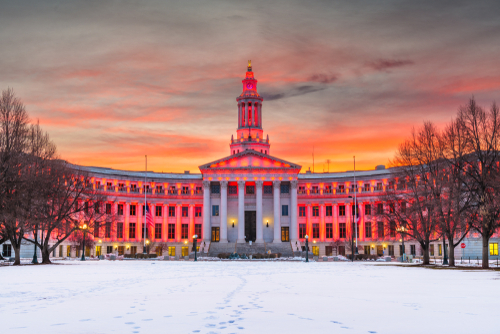
Denver appeals to people chasing outdoor access and a healthy lifestyle. The rapid growth of the city has pushed housing costs up significantly. Newcomers often find themselves priced out of central neighborhoods. That can make the city feel less accessible than expected.
The social culture can also revolve heavily around outdoor hobbies. If you’re not into hiking, skiing, or climbing, it may be harder to connect. Altitude adjustment is real and can affect energy and sleep at first. For some, Denver feels close to perfect but not personally fitting.
7. Austin
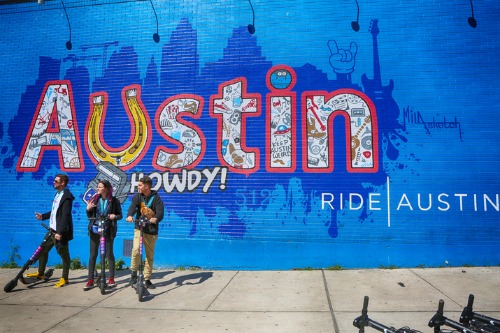
Austin has a reputation as a creative, laid-back tech hub. Explosive growth has changed the city faster than many newcomers anticipate. Traffic, rising rents, and infrastructure strain now shape daily life. The gap between reputation and reality can be jarring.
Summers are extremely hot, limiting outdoor life for months. The social scene can feel dominated by tech and startup culture. Longtime locals and newcomers don’t always mix easily. Some people love Austin’s energy but never feel rooted there.
8. San Francisco
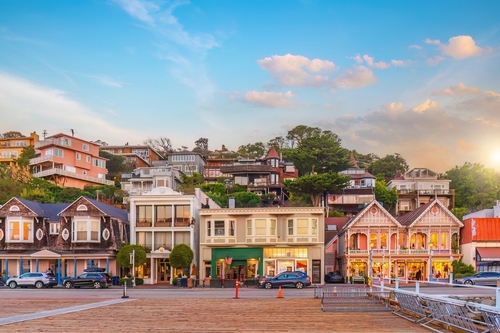
San Francisco dazzles newcomers with its views, food, and tech-driven energy. But the cost of living is among the highest in the country, and that pressure colors daily life fast. Rent competition can be brutal, with long application packets and bidding wars that feel impersonal. For many transplants, the financial stress makes it hard to relax into the city’s charm.
Socially, the city can feel transient, especially in tech-heavy neighborhoods. People change jobs and apartments often, which can interrupt friendships just as they start. The famous fog and cool summers also surprise people expecting California sunshine. Taken together, it’s a place people admire deeply but don’t always feel settled in.
9. Phoenix
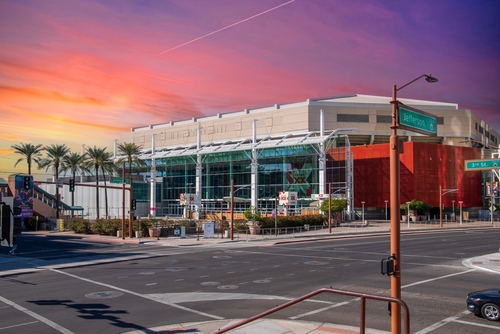
Phoenix draws people with affordable housing and abundant sunshine. The extreme heat is often underestimated by newcomers. Summers can confine people indoors for long stretches. That changes how social and outdoor life actually works.
The city’s sprawl means long drives are a normal part of life. Many neighborhoods feel isolated rather than interconnected. Newcomers from denser cities may find this disorienting. For some, Phoenix feels practical but emotionally flat.
10. Las Vegas
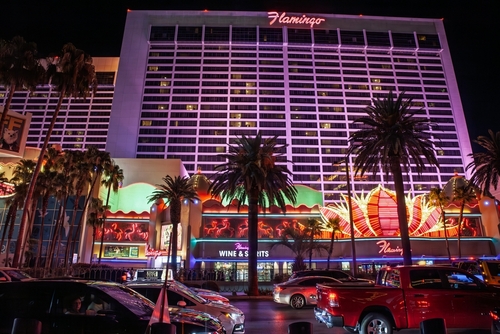
Las Vegas is more than the Strip, but the Strip still shapes perceptions. Many newcomers expect excitement and find daily life surprisingly quiet. The economy is heavily tied to tourism and hospitality. That dependence can feel unstable to people in other fields.
The desert climate brings extreme heat and limited greenery. Social circles can be transient, with people coming and going often. It can be hard to find community outside work. Some transplants enjoy the novelty but never feel anchored.
11. Boston
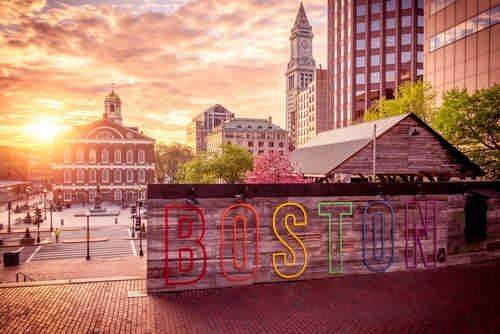
Boston offers history, strong universities, and a compact layout. Newcomers often encounter a reserved social culture. Friend groups can feel established and hard to enter. That can be discouraging for people starting fresh.
Winters are long, cold, and snowy, which affects daily routines. Housing costs are high relative to space and amenities. The pace of life can feel intense and serious. For some, Boston remains impressive but emotionally distant.
12. Washington, D.C.
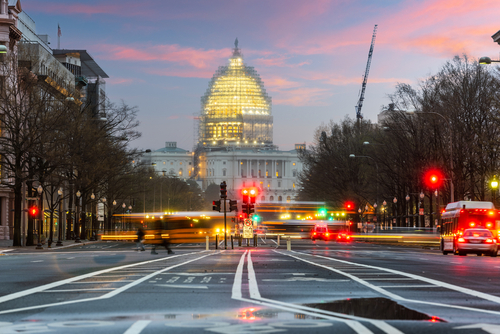
Washington, D.C. attracts people driven by politics, policy, and ambition. Work identity often dominates social interactions. Conversations can feel transactional or career-focused. That can be tiring for newcomers seeking balance.
The city is highly transient, with people cycling in and out of roles. Friendships may feel temporary or tied to job status. Summers are humid and uncomfortable. Some people admire D.C. without ever feeling fully at home.
13. San Jose
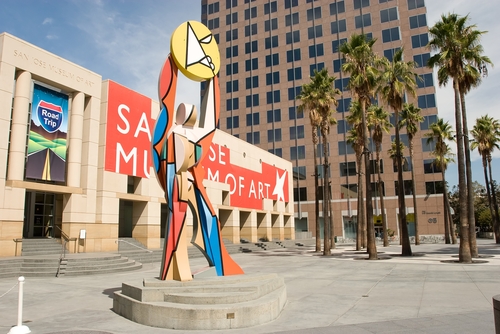
San Jose sits at the heart of Silicon Valley. Despite its economic power, the city feels suburban and quiet. Newcomers expecting urban energy are often surprised. High housing costs amplify that disappointment.
Social life frequently revolves around work and tech companies. The city lacks a strong, centralized cultural core. Car dependence shapes most daily routines. For some, San Jose feels functional but uninspiring.
14. Honolulu
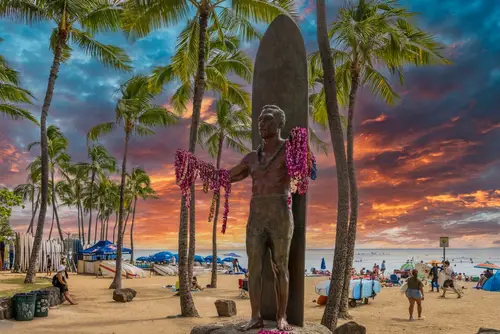
Honolulu attracts newcomers with natural beauty and island culture. Island living brings high costs for housing, food, and utilities. Geographic isolation can feel heavier over time. Travel to the mainland is expensive and time-consuming.
Local culture values deep roots and long-standing relationships. Newcomers may feel like outsiders for longer than expected. Job markets are smaller and less flexible. Some people love visiting Honolulu but struggle to truly settle there.
This post Why Some New Lives in These Cities Never Quite Click was first published on Greenhouse Black.
