
1. R-22 Window Air Conditioners
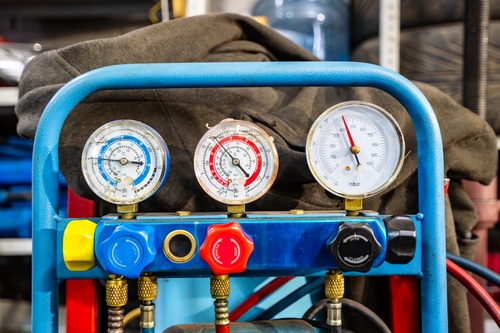
Many older window units used R-22 refrigerant. Environmental rules phased out R-22 due to ozone depletion concerns. Manufacturers shifted to newer refrigerants without highlighting the change. Older units stopped being sold and repaired easily.
Homeowners noticed when maintenance became expensive or impossible. Replacement refrigerant was restricted and costly. Entire units had to be replaced instead of repaired. The scarcity was regulatory and incremental.
2. Metal Ice Cube Trays
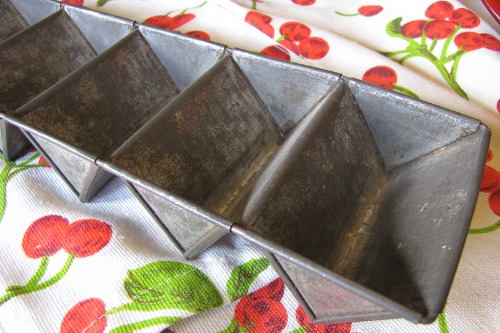
These sturdy trays used to live in nearly every freezer, especially before automatic ice makers. Plastic versions slowly took over because they were cheaper and lighter to ship. Manufacturers shifted production without much announcement. As a result, metal trays became specialty items instead of defaults.
The reason people noticed was durability and performance. Metal trays release ice more cleanly and don’t absorb freezer odors. When consumers went looking for replacements, they found limited options at higher prices. The quiet phase-out was driven more by cost-cutting than by consumer demand.
3. Borosilicate Glass Bakeware

Older bakeware was often made from borosilicate glass, which handles temperature changes better. Many major brands quietly switched to soda-lime glass over time. The change reduced manufacturing costs and energy use. Packaging didn’t always clearly explain the difference.
People noticed when dishes shattered under thermal stress. The older pieces became harder to replace with like-for-like performance. Thrift stores and resale markets started to value vintage versions more. Scarcity came from a material change, not a sudden disappearance.
4. Manual Can Openers Made Entirely of Metal
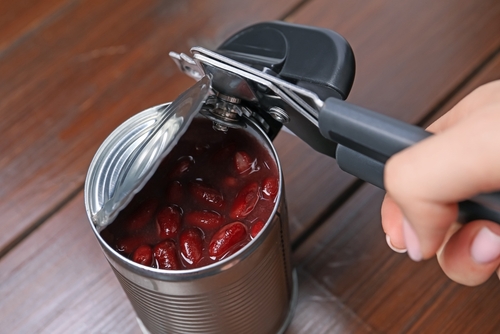
Classic all-metal can openers were built to last decades. Modern versions often use plastic handles and lighter components. Manufacturers reduced material costs without advertising the downgrade. Over time, the fully metal designs became less common.
Households felt this when newer openers broke or slipped. People went looking for the old reliable style their parents had. Finding them required specialty kitchen stores or restaurant suppliers. The scarcity came from durability no longer being the selling point.
5. Corded Landline Telephones

Landline phones once anchored kitchens and hallways. As mobile phones became universal, demand quietly collapsed. Retailers reduced shelf space without a big cultural send-off. The phones didn’t vanish, they just became niche.
The impact showed up when people wanted a simple backup phone. Corded models don’t need charging and work during some power outages. Fewer manufacturers now produce them in large volumes. Their scarcity reflects changing habits more than technology limits.
6. Phosphate-Based Laundry Detergent

Phosphates were once common because they clean very effectively. Environmental regulations restricted them due to water pollution concerns. The transition happened state by state, then nationally, without much consumer drama. Boxes changed formulas quietly.
Some households noticed differences in cleaning performance. Older washing machines were often designed around phosphate detergents. When people tried to find the old formulas, they couldn’t. The scarcity was regulation-driven, not market-driven.
7. CRT Televisions
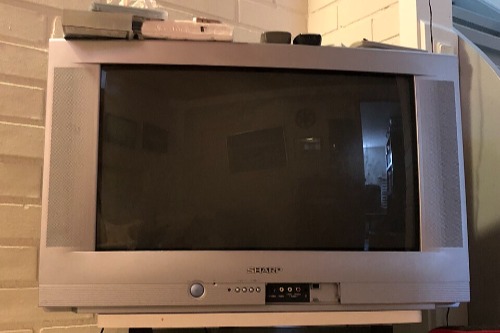
Cathode-ray tube TVs dominated living rooms for decades. Flat screens replaced them quickly once prices dropped. Manufacturers stopped producing CRTs with little fanfare. Retail floors changed almost overnight.
The scarcity became clear when people needed replacements for niche uses. CRTs are still valued for retro gaming and certain video formats. Repair parts and working units became harder to find. Their disappearance was fast but not loudly announced.
8. Wooden Ironing Boards
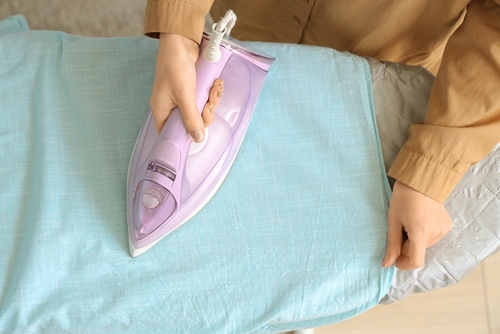
Older ironing boards often had solid wood tops. Newer models favor metal mesh to reduce cost and weight. The switch happened gradually as factories modernized. Few consumers realized there was a material change.
People noticed when boards warped or snagged fabric. Wooden tops provide a firmer, smoother surface for pressing. When replacements were needed, options were limited. Scarcity came from manufacturing efficiency, not design improvement.
9. Incandescent Light Bulbs

For decades, these were the default bulb in almost every lamp, so their disappearance felt oddly quiet. Efficiency standards in the U.S. and many other countries gradually phased them out in favor of LEDs and CFLs. Stores didn’t make a fuss because the change was regulatory, not trendy. One day they were just gone from most shelves.
What made this noticeable at home was the light quality people were used to. Incandescent bulbs dim smoothly and cast a warmer glow than early LEDs. When replacements stopped being easy to find, people realized how many fixtures were designed around them. The scarcity wasn’t sudden, but it was very real.
10. Non-Digital Alarm Clocks
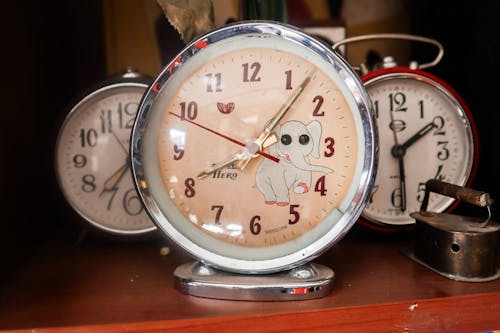
Simple plug-in alarm clocks used to be everywhere. Smartphones slowly replaced them without much resistance. Retailers downsized selections as sales dropped. There was no headline declaring them obsolete.
People noticed when they wanted a phone-free bedroom. Mechanical or basic electric clocks are now harder to find. Many available models include unnecessary smart features. Scarcity followed behavior change, not technological failure.
11. Heavy-Duty Extension Cords for Indoor Use
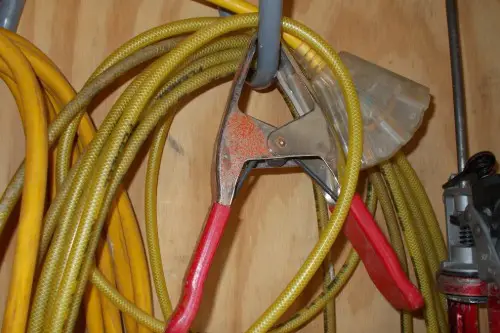
Thick, rubber-coated indoor extension cords used to be common. Manufacturers shifted toward lighter, cheaper materials. Packaging emphasizes convenience rather than durability now. The sturdier versions became harder to spot.
Households noticed when cords overheated or wore out faster. Older cords handled appliances better and lasted longer. Finding comparable quality now requires careful shopping. The scarcity reflects cost pressures in manufacturing.
12. Printed Instruction Manuals

Appliances once shipped with thick printed manuals. Companies moved instructions online to save printing costs. The change was framed as convenience, not loss. Physical manuals quietly disappeared.
People noticed when Wi-Fi wasn’t available or links expired. Older manuals were easier to reference quickly. Replacements aren’t always downloadable years later. Scarcity resulted from digitization priorities.
13. Traditional Feather Dusters

Feather dusters were a cleaning staple for decades. Microfiber cloths replaced them as the modern solution. Stores reduced stock without formal discontinuation. The switch felt natural, not dramatic.
Some users noticed feather dusters work better on delicate items. They trap dust differently than flat cloths. Finding quality versions now takes extra effort. Scarcity followed cleaning trends, not performance failure.
14. Analog Thermometers

Glass and dial thermometers were once standard household tools. Digital versions became cheaper and easier to read. Manufacturers pivoted quietly as demand shifted. Store shelves changed without much notice.
People noticed when batteries died or displays failed. Analog thermometers don’t need power and can last decades. Replacements are less common now. Their scarcity reflects convenience winning over longevity.
This post 14 Household Pieces That Became Scarce Without Headlines was first published on Greenhouse Black.
