
1. Open floor plans that magnify noise
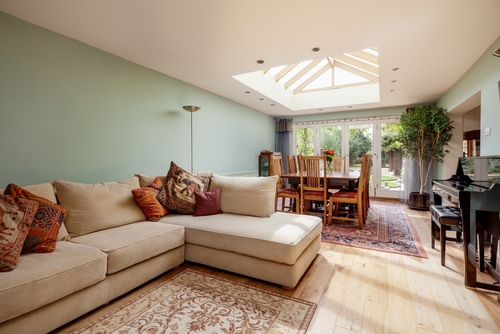
Open floor plans promise togetherness, but they often amplify noise. Cooking, TV, and conversations stack on top of each other with nowhere to go. Sound travels farther in large, unobstructed spaces, especially with high ceilings. That constant background noise can quietly raise stress levels.
The tension shows up during everyday moments like working from home or helping kids with homework. Without doors or walls, there’s no easy way to create acoustic boundaries. People end up wearing headphones inside their own house just to concentrate. What was meant to feel social can start to feel overwhelming.
2. Hard surfaces that bounce sound everywhere
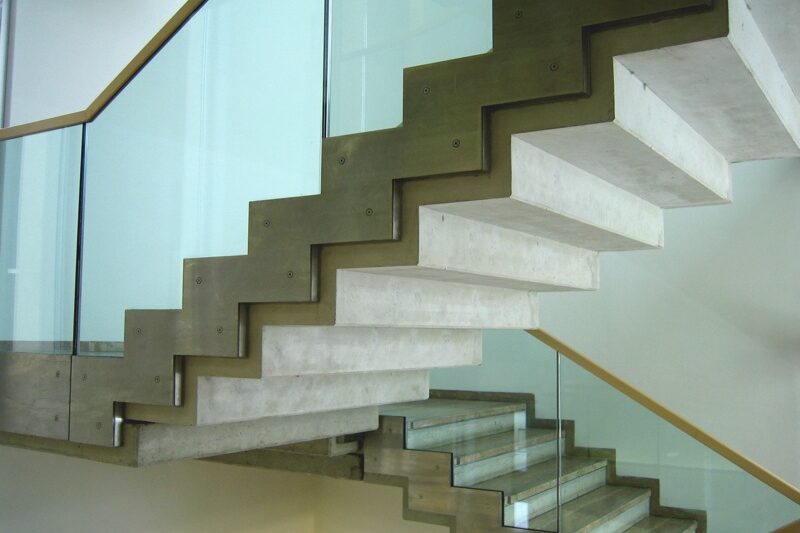
Many modern houses lean heavily on hard materials like concrete, glass, and steel. These surfaces reflect sound instead of absorbing it. The result is echo and reverberation that makes spaces feel louder than they are. Even normal conversations can sound sharp or tiring.
Over time, that constant auditory edge can cause subtle irritability. People may speak louder to compensate, which compounds the problem. Soft furnishings, rugs, and acoustic panels are often afterthoughts. Without them, the house can feel hostile to the senses.
3. Floor-to-ceiling windows that reduce privacy
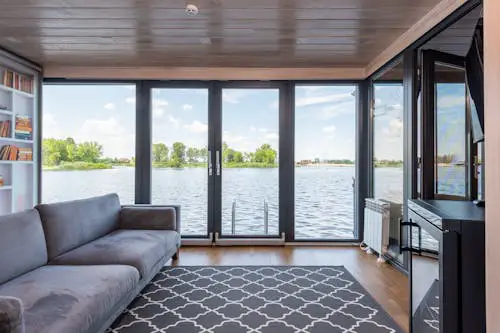
Large expanses of glass are a hallmark of modern design. They bring in light, but they also reduce privacy. Being constantly visible to neighbors or passersby can trigger unease. People instinctively modify behavior when they feel watched.
There’s also the issue of heat gain and heat loss through glass. Rooms can overheat during the day and feel cold at night. That thermal inconsistency makes occupants fiddle with blinds and thermostats. The house ends up demanding constant adjustment.
4. Minimal storage in a very non-minimal life
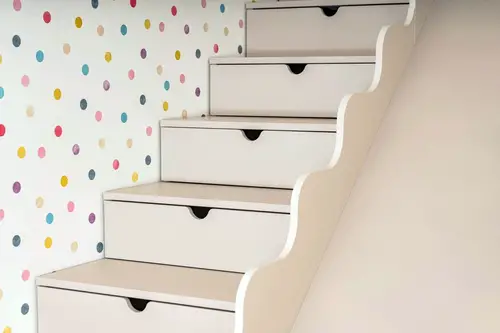
Modern houses often favor clean lines and minimal built-in storage. Real life, however, comes with clutter. When storage is insufficient, everyday items pile up in visible areas. Visual disorder can increase mental load.
People spend more time tidying just to maintain the intended look. That creates pressure to perform the house rather than live in it. Arguments can start over where things belong. The design unintentionally turns organization into a daily stressor.
5. Smart home systems that overcomplicate basics
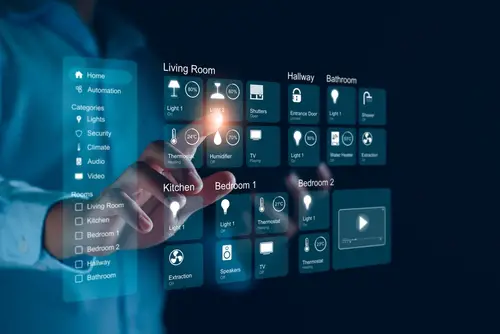
Smart home systems are meant to make life easier. In practice, they often add layers of complexity. Lights, locks, and thermostats depend on apps, updates, and Wi-Fi. When something fails, basic tasks suddenly feel difficult.
This creates low-level anxiety about control and reliability. Guests may feel awkward asking how to turn on a light. Homeowners become informal IT support for their own house. Convenience turns into cognitive overhead.
6. Ultra-minimal interiors that feel emotionally cold
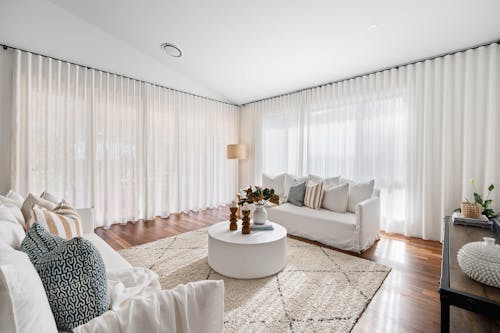
Ultra-minimal interiors can look calm in photos. Living in them full-time can feel emotionally sparse. A lack of color, texture, or personal items reduces sensory warmth. Humans generally respond well to visual complexity in moderation.
Without it, spaces can feel impersonal or temporary. People may hesitate to relax or make a mess. The house starts to feel like a gallery instead of a refuge. That subtle disconnect can create tension over time.
7. Multi-purpose rooms with unclear roles

Modern houses often rely on flexible, multi-purpose rooms. A single space might be an office, gym, and guest room. While efficient, this blurs functional boundaries. The brain benefits from clear cues about how a space should be used.
When those cues are missing, it’s harder to mentally switch roles. Work can bleed into rest and leisure. People feel like they’re always half on the clock. The house stops supporting healthy routines.
8. Oversized spaces that dwarf the people in them
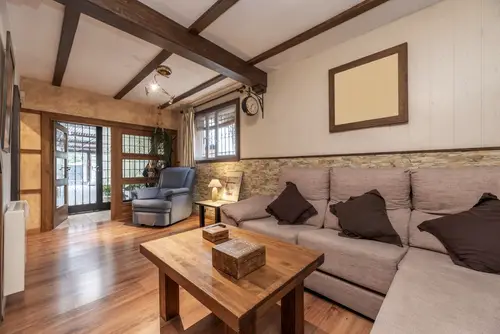
Many modern homes prioritize large, open volumes. Double-height living rooms are a common example. These spaces can dwarf the people inside them. Feeling physically small can translate into emotional unease.
They’re also harder to heat, cool, and light evenly. Occupants may cluster in corners to feel comfortable. Unused space becomes a reminder of inefficiency. What reads as luxury can feel oddly unwelcoming.
9. Poor lighting plans that strain eyes and moods
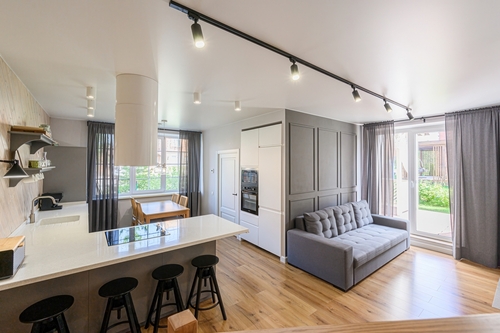
Lighting in modern houses often emphasizes recessed fixtures and cool LEDs. If poorly planned, this creates glare and uneven illumination. Harsh overhead light can cause eye strain and headaches. Dark zones elsewhere make the space feel unbalanced.
People compensate by adding lamps or adjusting brightness constantly. This constant tweaking interrupts comfort. Lighting strongly affects mood and circadian rhythms. When it’s wrong, tension follows.
10. Blurred indoor-outdoor boundaries that invite intrusion
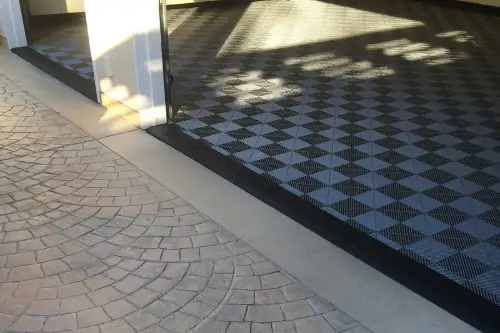
Modern design loves blurring indoor and outdoor spaces. Large sliding doors and flush thresholds are common. They also let in noise, insects, and temperature swings. The boundary between shelter and exposure becomes fuzzy.
Occupants may feel like the house is never fully sealed. Relaxation suffers when outside elements intrude. People argue over whether doors should stay open or closed. The design choice becomes a daily negotiation.
11. Open-riser stairs that feel unsafe
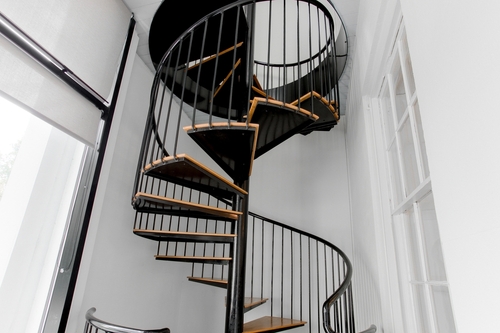
Open-riser staircases are visually striking. They can also feel precarious. Gaps between steps reduce perceived safety, especially for children and pets. People change how they move through the house.
Guests may hesitate or grip railings tightly. That constant vigilance adds friction to everyday movement. Falls or near-misses reinforce anxiety. Beauty comes at the cost of ease.
12. Garage-first layouts that reduce connection

Many modern houses prioritize garage access and car storage. Front doors are minimized or visually secondary. This reduces casual interaction with neighbors. Small social signals matter for a sense of belonging.
When people enter and exit through garages, isolation increases. The house becomes a private bubble rather than part of a community. That separation can quietly affect mood and social health. Architecture shapes not just space, but relationships.
This post 12 Ways Modern Houses Accidentally Create Tension was first published on Greenhouse Black.
