
1. Cast Iron Skillets
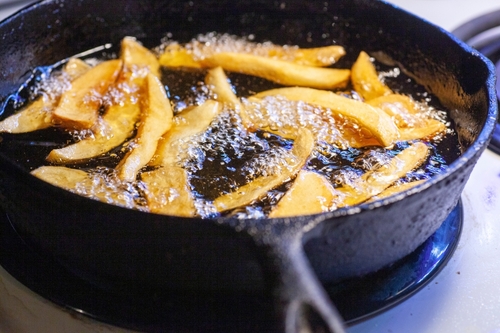
A cast iron skillet quietly gets better the more you leave it alone. Years of cooking build up a natural seasoning that creates a slick, nonstick surface you can’t replicate quickly. Collectors and cooks alike value older pans because that seasoning represents real use, not factory coating. Scrubbing it down to bare metal or running it through the dishwasher can actually destroy what makes it desirable.
Neglect here really means restraint, not abuse. Letting oil polymerize over time deepens the pan’s black finish and cooking performance. Vintage American brands like Griswold and Wagner are especially prized when their seasoning is intact. The skillet’s value is literally baked in by years of meals.
2. Vintage Denim Jeans
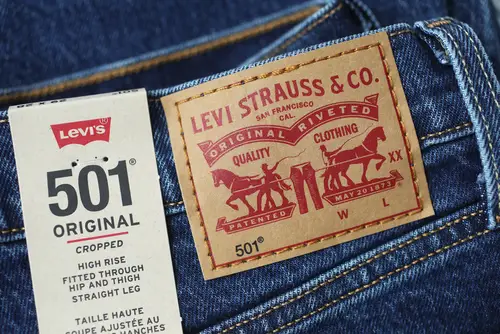
Old jeans gain character and value through natural wear rather than careful preservation. Fades at the knees, whiskers at the hips, and fraying at the hems tell a story that collectors crave. These details only appear when denim is worn hard and washed infrequently. Artificial distressing rarely matches the complexity of genuine aging.
Neglecting to over-wash jeans allows indigo dye to break down slowly and uniquely. Vintage Levi’s and other heritage brands can sell for thousands when the wear is authentic. Every crease and fade is a record of real movement. That history is what turns old pants into collectibles.
3. Leather Jackets and Furniture
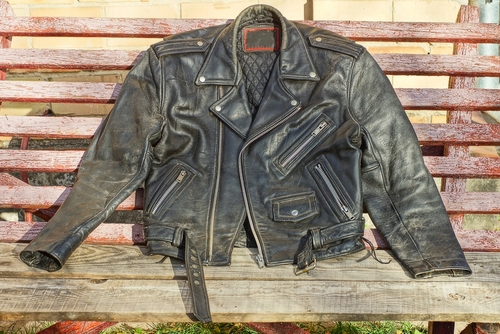
Leather develops a rich patina when it’s used and not constantly conditioned or refinished. Small scratches, softened creases, and subtle color changes add depth and warmth. High-quality leather absorbs oils from hands and air over time, creating a look that can’t be rushed. This aging process is often seen as proof of authenticity and quality.
Over-cleaning or re-dyeing leather can flatten its appearance and lower its appeal. Vintage motorcycle jackets and classic leather sofas are especially valued when they show honest wear. The surface becomes more supple and visually complex as years pass. Neglect, in this case, lets the material do what it does best.
4. Antique Wooden Furniture
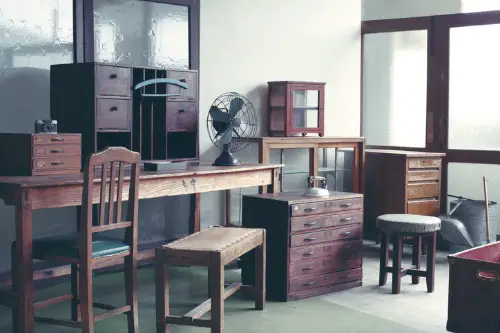
Antique furniture often holds more value when its original finish is left intact. Minor scratches, worn edges, and uneven coloration signal age rather than damage. Collectors prefer these signs because they confirm the piece hasn’t been heavily restored. Refinishing can erase tool marks and historical evidence.
Letting furniture age naturally preserves its provenance. Original finishes reflect the materials and techniques of their time. Even dullness or fading can be preferable to a glossy modern redo. Neglect keeps the piece honest and historically legible.
5. Persian and Oriental Rugs
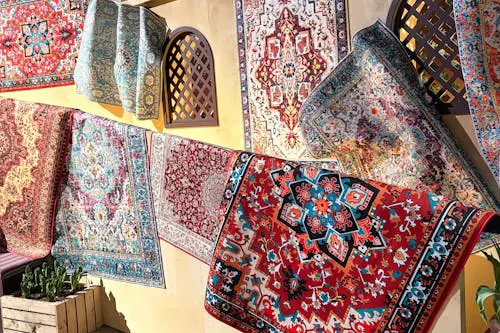
Handwoven rugs gain character as their fibers soften and colors mellow with use. Light wear can enhance the pattern by creating visual depth. Collectors often prefer rugs that have been lived with rather than stored away. Perfect condition can actually make a rug seem suspiciously new.
Neglect here means avoiding aggressive cleaning and repairs. Over-restoration can flatten the pile and distort the design. Natural wear shows how the rug interacted with daily life. That sense of history can significantly raise its value.
6. Vintage Watches
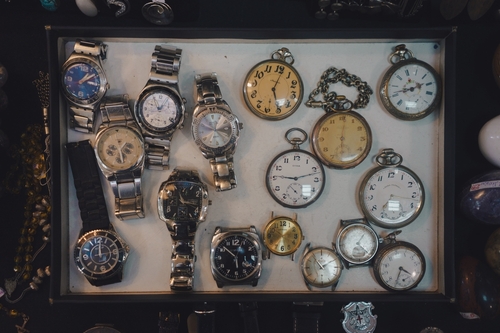
Mechanical watches often increase in value when their original components are left untouched. Aging on the dial, known as patina, is especially prized by collectors. Discoloration of lume or slight fading can confirm originality. Replacing parts or refinishing dials can drastically reduce desirability.
Letting a watch age naturally preserves its authenticity. Even scratches on the case can add character rather than detract from it. Many collectors would rather service the movement than alter the exterior. Neglecting cosmetic perfection keeps the watch true to its era.
7. Coins
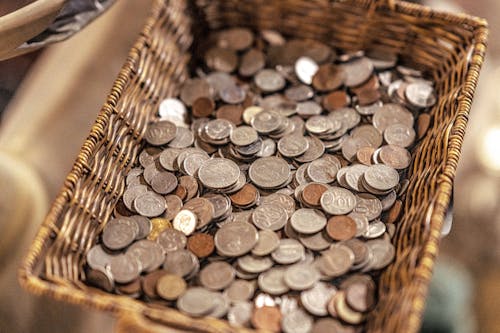
Coins frequently lose value when they are cleaned. Natural toning that develops over decades is considered evidence of authenticity. Harsh cleaning can leave microscopic scratches and unnatural shine. Collectors generally prefer coins exactly as they were found.
Neglect allows oxidation and patina to form slowly and evenly. This surface can protect the metal underneath. Even darkened silver or copper can be more valuable than a bright example. In numismatics, untouched often means trustworthy.
8. Silver Flatware
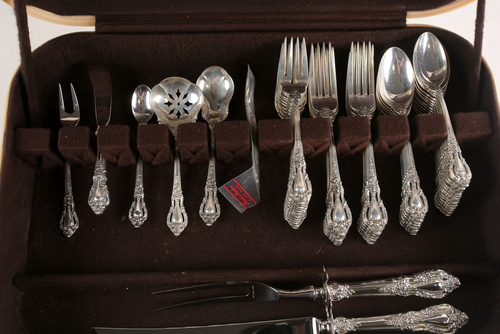
Silver naturally tarnishes when exposed to air, and that patina is often desirable. Antique silver that has never been aggressively polished retains sharper details. Constant buffing can wear down engraving and hallmarks. Collectors value pieces that show their age honestly.
Neglecting frequent polishing preserves the object’s original form. A soft gray or blackened finish signals long-term ownership. Heavy shine can actually suggest modern interference. Patina becomes a quiet marker of authenticity.
9. Brass Hardware and Fixtures
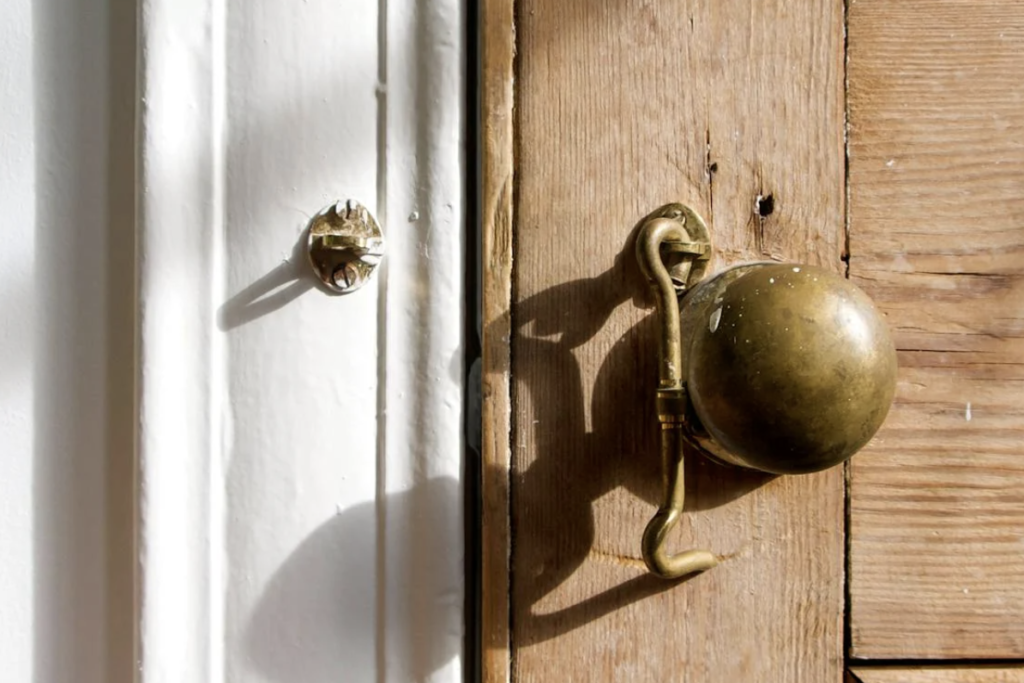
Brass darkens and dulls over time, developing a warm patina. This surface is often more attractive than a bright, polished look. Antique doorknobs, lamps, and pulls are especially valued when untouched. Their aged finish reflects decades of handling.
Over-polishing brass strips away metal along with oxidation. That process can blur fine details and edges. Neglect allows the surface to stabilize naturally. The result feels grounded and historically appropriate.
10. Hand Tools
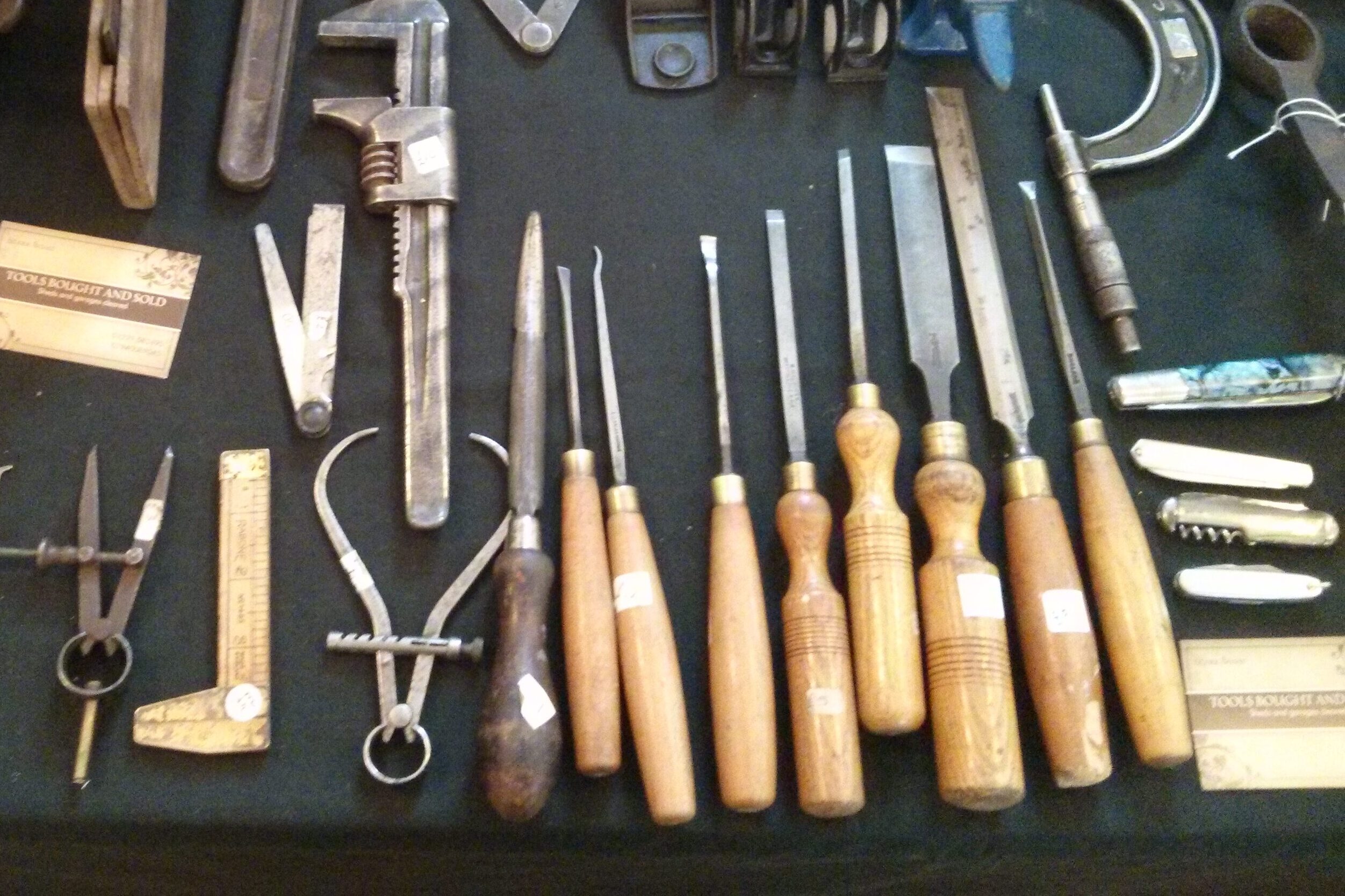
Old hand tools often retain more value when their original surfaces are intact. Worn handles and dulled finishes suggest real use rather than restoration. Collectors appreciate original japanning or paint, even when chipped. Heavy refinishing can make tools look generic.
Neglecting cosmetic perfection preserves evidence of craftsmanship. Tools from the early 20th century were built to be used, not displayed. Their wear patterns can help date and authenticate them. Honest aging turns them into functional artifacts.
11. Ceramic Pottery
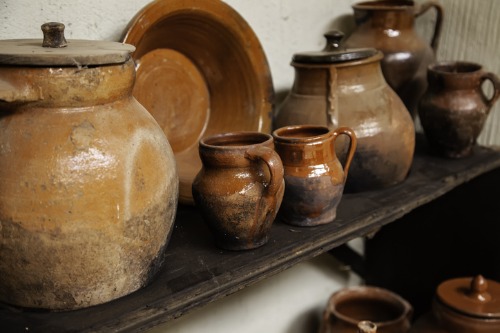
Many ceramic pieces develop fine surface cracks known as crazing over time. This occurs naturally as glazes and clay bodies age at different rates. Collectors often accept or even appreciate this effect in vintage pottery. It signals age rather than damage.
Trying to “fix” crazing can ruin a piece’s integrity. Neglect allows the pottery to show its true timeline. The surface becomes more visually complex as stains settle into the lines. That depth can increase interest and value.
12. Wooden Cutting Boards
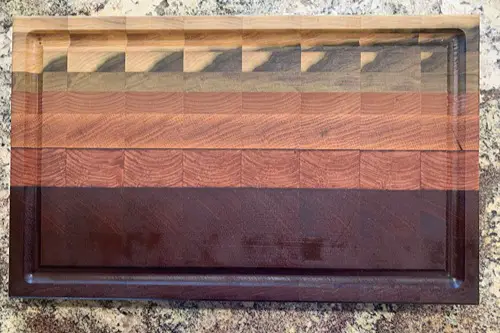
Wooden cutting boards improve with use and minimal interference. Knife marks and darkened grain show years of service. These boards are valued for their stability and seasoned surface. Sanding them smooth removes material and history.
Neglect means regular oiling but no aggressive resurfacing. The wood fibers compress and harden over time. This creates a durable, food-safe surface. Age becomes a functional advantage, not a flaw.
13. Copper Cookware
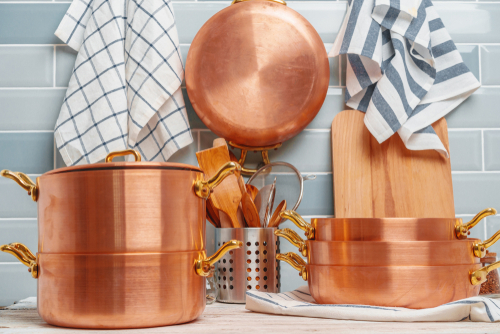
Copper cookware develops a dark patina when left unpolished. Many cooks prefer this because it reduces reactivity and glare. Antique copper pieces are often more valuable when they haven’t been buffed to shine. The patina confirms age and use.
Polishing removes metal along with oxidation. Over time, that can thin the copper walls. Neglect preserves both thickness and character. The cookware becomes visually richer and historically intact.
14. Mechanical Typewriters
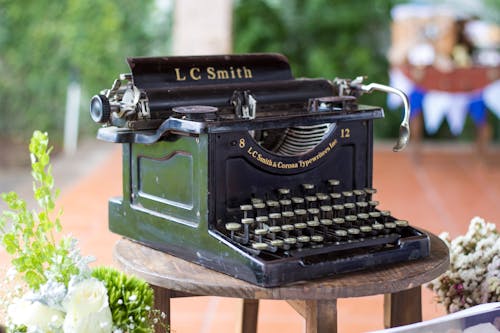
Vintage typewriters gain charm as their finishes wear and keys yellow slightly. Original paint, even when chipped, is more desirable than a modern repaint. These machines were tools, and their wear reflects that purpose. Collectors look for authenticity over perfection.
Neglecting cosmetic restoration keeps the typewriter honest. Small flaws help confirm it hasn’t been heavily modified. The tactile feel often improves as mechanisms settle with use. Age becomes part of the machine’s personality.
15. Hardcover Books With Marginalia
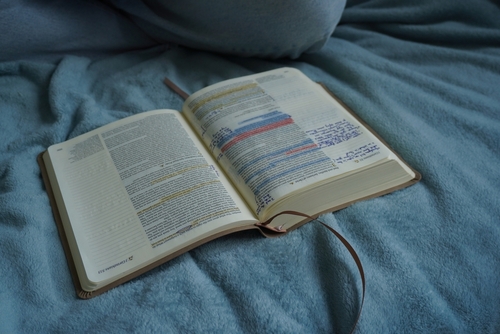
Some books become more valuable when previous owners left notes behind. Marginalia can offer insight into how a text was read and understood. This is especially true for academic or historically significant works. Erasing those notes would erase context.
Neglecting to “clean up” a book preserves its intellectual history. Wear on the spine and pages signals real engagement. In certain cases, annotations can be as valuable as the text itself. The book becomes a record of thought, not just print.
This post These 15 Objects Gain Value From Neglect was first published on Greenhouse Black.
