
1. Instruction Manuals with Serial Numbers
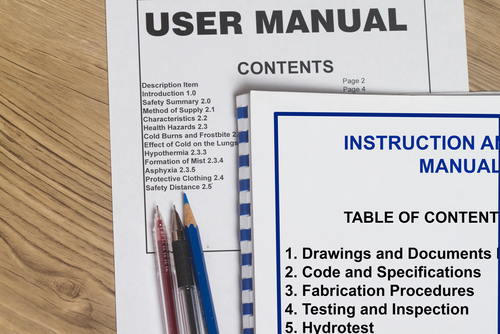
Instruction manuals often get tossed immediately after setup. People assume they can find everything online if they need it later. The problem is that many manuals contain model numbers, serial numbers, and warranty details. Those details become critical when something breaks.
When filing a warranty claim or ordering a specific replacement part, accuracy matters. Online manuals don’t always match older or slightly varied models. People end up searching through old boxes or drawers hoping the manual survived. It’s a frustrating reminder that paper sometimes beats the internet.
2. Birth Certificates
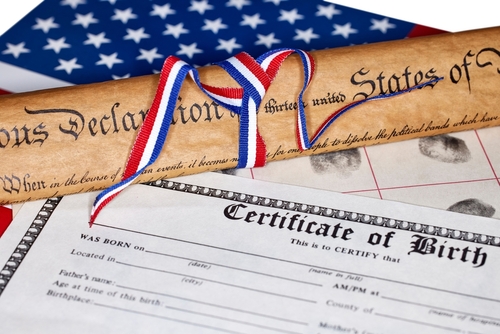
Birth certificates often get tossed during moves because they look like easily replaceable paperwork. People assume they can request another one whenever they need it. The problem is that “whenever” turns into a deadline tied to a passport, job onboarding, or school enrollment. That’s when the frantic search begins.
Replacing a birth certificate can take weeks and requires fees, forms, and ID you may not have handy. If you were born in a different state or country, the process can get even slower. People end up digging through boxes, folders, and old file cabinets hoping they were wrong about throwing it away. The irony is that it was small, flat, and easy to store all along.
3. Old Phone Chargers and Proprietary Cables
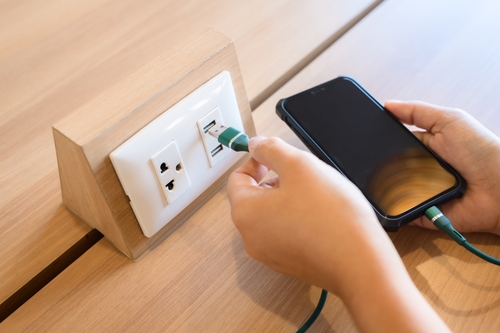
Phone chargers feel disposable, especially when a device stops working or gets upgraded. People toss them assuming all cables are basically the same. Years later, an old phone gets powered up to retrieve photos, contacts, or messages. That’s when the exact charger suddenly becomes priceless.
Some older phones, cameras, and handheld devices require proprietary connectors that are no longer common. Replacements can be hard to find or surprisingly expensive online. People often realize the only charger they ever had is long gone. Cue a deep dive into storage bins, drawers, and old backpacks just in case.
4. Printed Photos and Negatives

Printed photos and film negatives are often tossed during downsizing because they take up space and feel outdated. People assume everything important is already digitized. Then a hard drive fails, a cloud account gets locked, or someone passes away. That’s when the value of those originals becomes painfully clear.
Negatives and prints often contain images that were never scanned or saved elsewhere. Family history, childhood moments, and candid shots can exist only in physical form. People end up wishing they had kept even a small box of them. The emotional weight of realizing they’re gone makes the search feel urgent and regret-filled.
5. High School or College Yearbooks
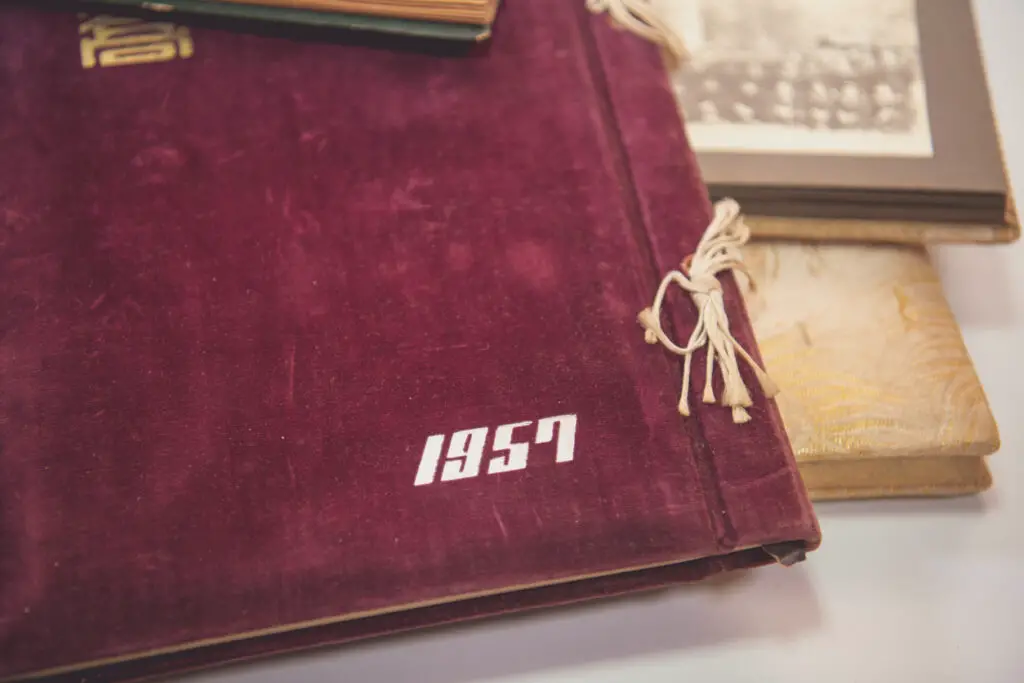
Yearbooks are easy to toss because they feel sentimental but nonessential. At the time, they seem like clutter from a chapter of life that’s firmly closed. Years later, nostalgia kicks in or a reunion approaches. Suddenly that book feels like a time capsule you desperately want back.
Yearbooks contain names, faces, signatures, and moments that aren’t recorded anywhere else. They’re often the only visual record of classmates you’ve lost touch with. Replacing them is difficult, especially for older editions. People frequently scour parents’ attics or message old friends hoping someone still has a copy.
6. Spare House Keys
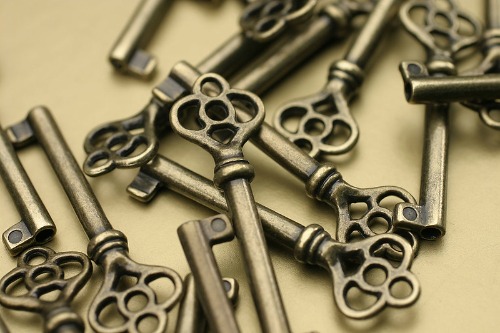
People toss spare keys during a decluttering spree because they seem redundant and slightly mysterious. You don’t remember what door they go to, and they don’t spark joy sitting in a junk drawer. Months or years later, a lockout, a new roommate, or a pet sitter brings panic. Suddenly you’re tearing the house apart wishing you’d labeled them instead of tossing them.
The hunt gets intense because spare keys are expensive to replace and inconvenient to remake. Re-keying a lock or calling a locksmith costs far more than keeping a small envelope of extras. Many people realize too late that one of those tossed keys was for a garage, shed, or old padlock. That realization tends to arrive at exactly the worst possible moment.
7. Tax Documents and Old W-2s
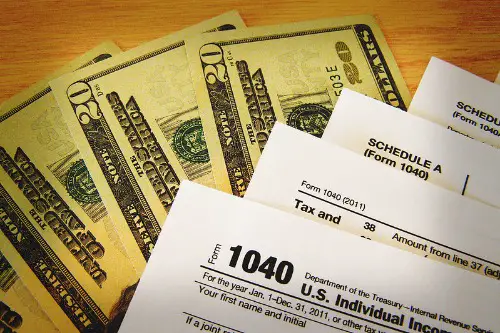
Tax paperwork feels safe to toss once a few years have passed. People assume they’ll never need records from an old job or filing year again. Then a loan application, audit, or benefits claim requests exact figures. That’s when panic sets in.
Re-requesting old tax documents can take time and sometimes money. Employers may no longer exist or be hard to contact. People end up digging through storage hoping they bent the rules “just this once” and kept them. The stress usually outweighs the space those papers ever took up.
8. Allen Wrenches and Specialty Tools

Those little Allen wrenches that come with furniture feel disposable. People toss them assuming they’re standard sizes or easy to replace. Years later, the furniture loosens or needs disassembly for a move. That’s when the missing tool becomes a real problem.
Many flat-pack items use nonstandard sizes that aren’t in basic toolkits. Buying a replacement can require trial and error or a full set. People often remember exactly when they tossed it and regret it instantly. The hunt usually involves every drawer, toolbox, and random cup in the house.
9. Receipts for Big Purchases

Receipts seem pointless once you’re sure you’re keeping an item. People toss them to reduce paper clutter and feel organized. Then something breaks within the warranty period. That receipt suddenly becomes the key to a free repair or replacement.
Stores and manufacturers often require proof of purchase with a date. Credit card statements usually aren’t enough. People end up rummaging through files, envelopes, and old bags hoping they saved it somewhere. The frustration is sharp because the receipt was small and easily stored.
10. USB Flash Drives and External Hard Drives
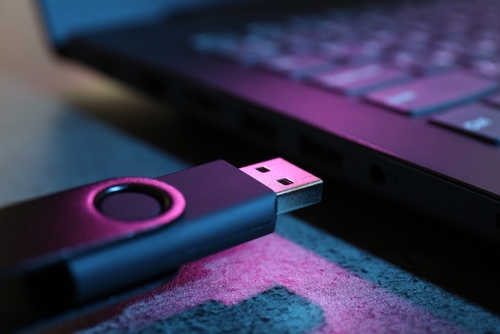
Old USB drives and hard drives often get tossed because they look empty or obsolete. People assume anything important has been transferred already. Years later, a missing file, photo, or project resurfaces in conversation. That’s when the memory of that drive comes flooding back.
These devices often contain backups that were never duplicated elsewhere. Even a “temporary” drive can hold unique data. People find themselves checking every drawer, desk, and box hoping it somehow survived. The regret hits hardest when the data turns out to be irreplaceable.
11. Wedding Invitations and Event Stationery
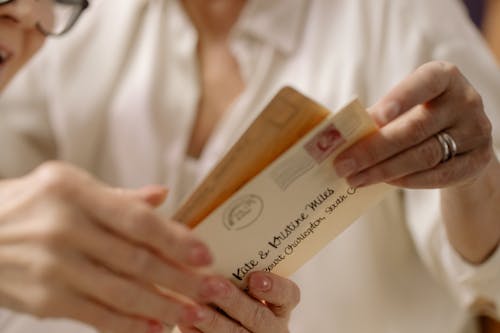
Wedding invitations and save-the-dates often get tossed after the event. They feel purely decorative once the day has passed. Years later, people want them for scrapbooks, memory boxes, or to answer a random detail question. That’s when they realize they’re gone.
These pieces often contain names, dates, locations, and design details that aren’t recorded anywhere else. They can also be meaningful keepsakes tied to a major life moment. People end up wishing they had saved just one clean copy. The search usually ends with the realization that it went out with the recycling.
This post What People Toss First — Then Spend Years Hunting For was first published on Greenhouse Black.
