
1. Chicago, IL
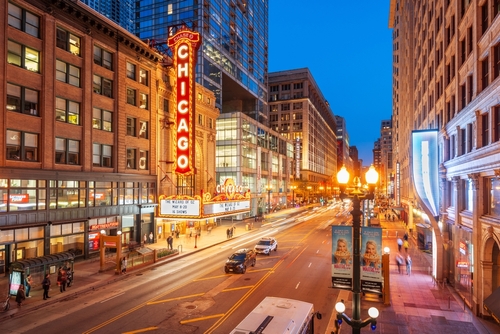
Chicago is frequently reduced to its winters and old crime headlines. People assume it’s gloomy, dangerous, and stuck in the past. The Midwest label can make it sound culturally limited. Weather jokes often replace any deeper understanding of the city.
Living in Chicago shows how vibrant the summers, neighborhoods, and lakefront truly are. The city has a strong sense of local pride and well-defined community areas. Public transit, especially the L and buses, supports daily life in many parts of the city. Winters are cold, but they’re balanced by affordability, architecture, and an active cultural scene.
2. New York City, NY
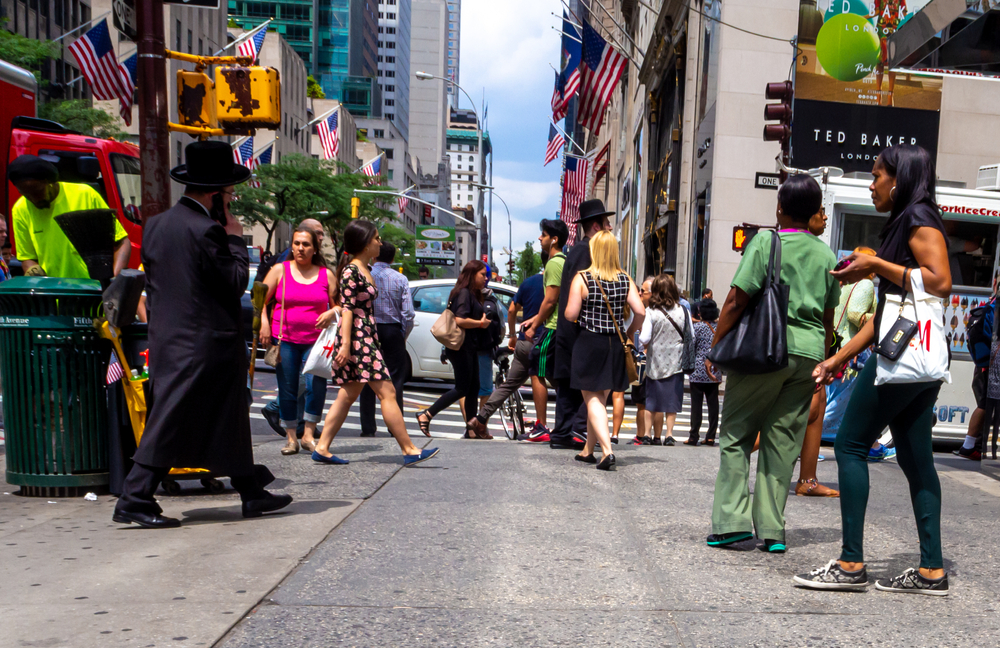
People assume New York City is nothing but chaos, noise, and tourist crowds. They imagine everyone is rude, rushed, and permanently annoyed. Many think it’s impossible to find community in a place that big. The cost of living often overshadows any nuance in those assumptions.
Living there reveals a city of villages, where daily life shrinks to a few familiar blocks. Your bodega owner knows your order, and neighborhood parks become routine meeting spots. Most New Yorkers are direct rather than rude, which saves time and avoids confusion. The price is real, but so is the access to jobs, culture, and public transit that reduces other expenses.
3. Los Angeles, CA
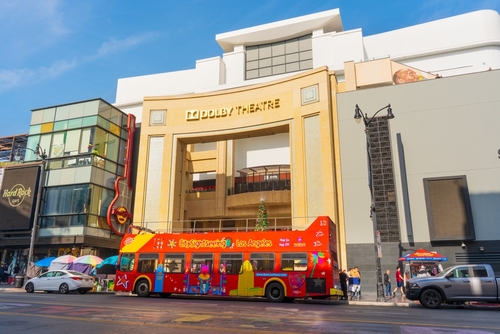
Los Angeles is often assumed to be shallow, car-obsessed, and entirely about the entertainment industry. Outsiders picture endless traffic and plastic personalities. There’s also an idea that the city has no real center or culture. For many, the sprawl sounds exhausting rather than livable.
Once you live there, you realize LA is a network of distinct neighborhoods with their own rhythms. Daily life is hyper-local, shaped by which side of the hills you’re on. The creative economy is broader than film, with strong ties to design, logistics, and tech. Traffic is real, but flexible schedules, remote work, and proximity choices make it manageable for many residents.
4. San Francisco, CA
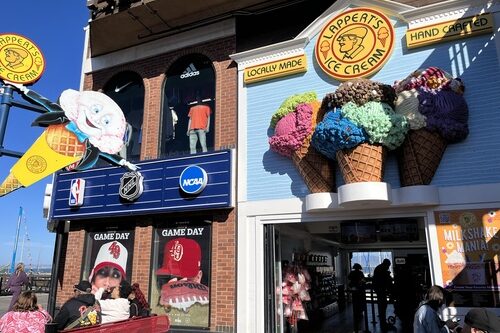
San Francisco is often assumed to be uniformly tech-driven and unaffordable. Many people picture constant fog and social isolation. The city’s challenges are sometimes flattened into a single narrative. From the outside, it can feel inaccessible and one-dimensional.
Living there reveals extreme microclimates, where sunshine depends on the neighborhood. Longtime communities coexist with newer tech workers in complicated but real ways. Walkability and public transit reduce the need for a car in much of the city. The cost is high, but access to nature, jobs, and culture changes how residents weigh that tradeoff.
5. Austin, TX
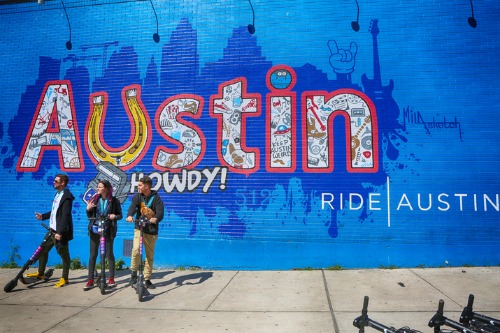
Austin is often assumed to be a small, weird college town frozen in time. People expect nonstop music and carefree living. There’s also an assumption that it’s inexpensive compared to other major cities. The city’s reputation hasn’t caught up to its growth.
Living in Austin shows how fast the city has expanded in population and industry. Tech, healthcare, and education now shape daily life as much as music does. Traffic and housing costs have increased noticeably over the last decade. What remains is a strong outdoor culture built around parks, trails, and local events.
6. Seattle, WA
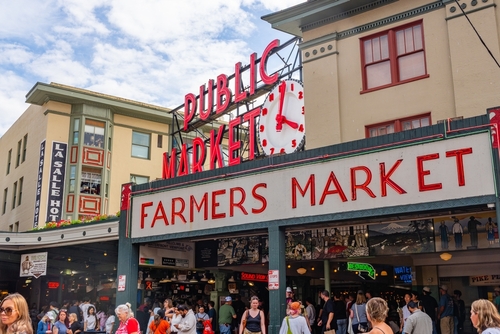
Seattle is famously assumed to be rainy, gloomy, and socially cold. People imagine constant downpours and introverted neighbors. The weather stereotype dominates most conversations about the city. It can sound like a tough place to settle emotionally.
Living there reveals that rain is usually light and summers are surprisingly dry. Residents plan around seasons, not storms. Social circles often form through work, hobbies, and outdoor activities. The natural surroundings play a major role in daily life and mental balance.
7. Miami, FL
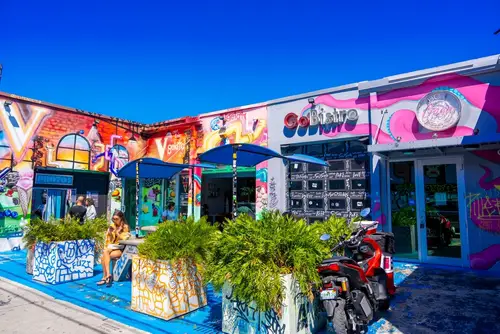
Miami is often assumed to be a nonstop party city with little depth. People picture beaches, clubs, and tourists year-round. There’s also an idea that it lacks professional opportunities. The climate stereotype overshadows its complexity.
Living in Miami shows how international and multilingual the city really is. Latin American and Caribbean influences shape food, business, and daily culture. Many residents work in finance, trade, healthcare, and real estate. Hurricane season is taken seriously, but preparation and infrastructure are part of normal life.
8. Las Vegas, NV
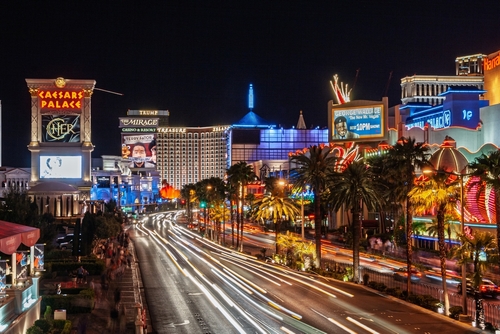
Las Vegas is often assumed to exist only for tourists. People imagine that no one actually lives normal lives there. The Strip dominates the city’s reputation. It’s seen as temporary rather than livable.
Living in Las Vegas reveals large residential areas far removed from tourist zones. Most locals rarely visit the Strip unless friends are in town. The city has a growing healthcare, logistics, and construction workforce. Affordable housing compared to nearby states has been a major draw for residents.
9. New Orleans, LA
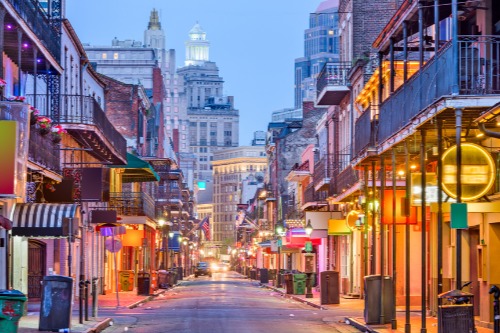
New Orleans is often assumed to be only about partying and festivals. People reduce it to Mardi Gras and nightlife. There’s also a perception that daily life is chaotic. The city’s struggles can overshadow its structure.
Living there shows how deeply neighborhood-based and routine life actually is. Food, music, and history are part of everyday interactions, not just events. Residents are highly aware of flood risk and storm preparation. The pace of life is slower, but it’s anchored in strong local identity.
10. Washington, DC
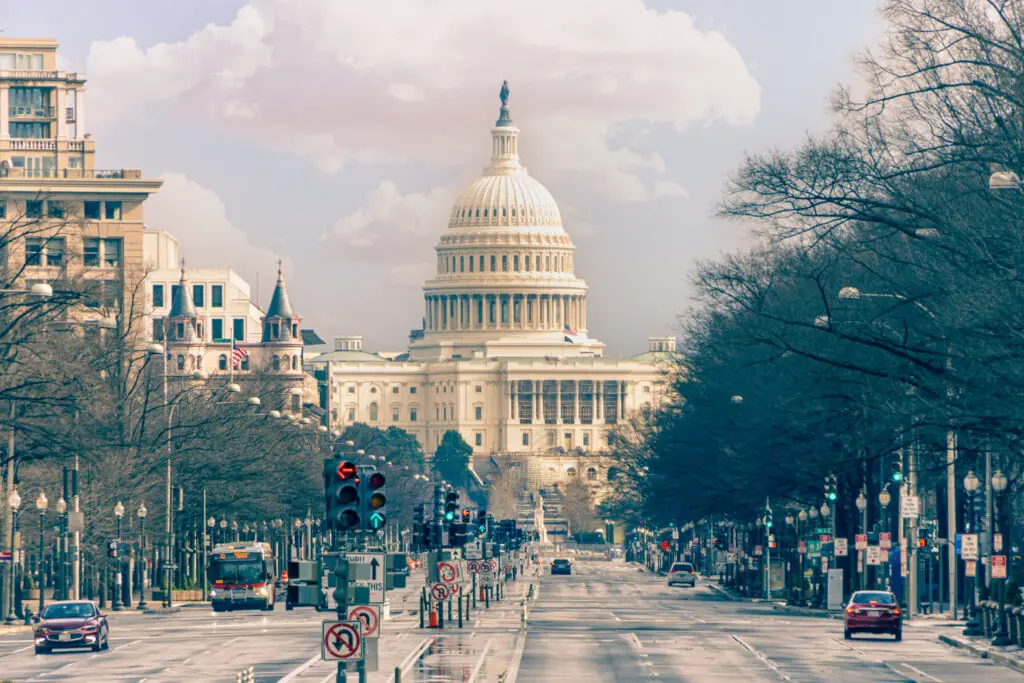
Washington, DC is often assumed to be only about politics. People imagine a city full of interns and government workers. The stereotype suggests a stiff and transactional culture. Local life gets lost behind national imagery.
Living in DC reveals distinct neighborhoods with long-term residents. Arts, food, and public spaces play a big role outside of federal work. Many people work in education, nonprofits, healthcare, and tech. The city feels smaller and more personal once daily routines set in.
11. Phoenix, AZ
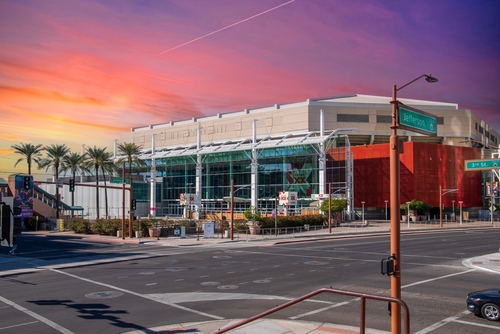
Phoenix is often assumed to be unbearably hot and culturally empty. People imagine endless sprawl and isolation. The desert climate dominates its reputation. It’s frequently dismissed as temporary or purely suburban.
Living in Phoenix shows how the city adapts to heat with early schedules and infrastructure. The metro area includes distinct cities with their own identities. Outdoor life thrives during cooler months, supported by nearby mountains and parks. Rapid growth has expanded job options and cultural offerings across the region.
This post Assumptions About Places That Shift Once You Start Living There was first published on Greenhouse Black.
