
1. The Condition of Your Front Door
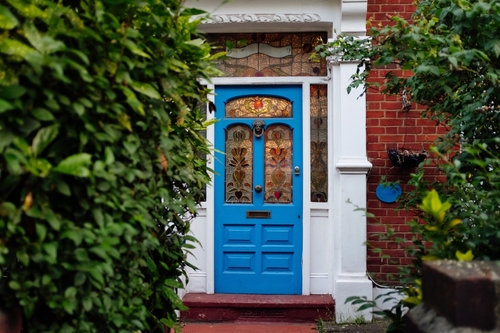
Your front door does more talking than you think. Peeling paint, a loose handle, or a squeaky hinge can subtly signal neglect, even if the inside of your home is immaculate. Because it’s the literal entry point, people often subconsciously judge the whole house by it. A solid, clean, well-maintained door communicates security and pride of ownership.
From a practical standpoint, the front door also reflects how well the home is sealed and protected. Cracks in weatherstripping can let in drafts, moisture, and pests. A misaligned door can compromise both energy efficiency and security. Keeping it in good shape protects your home while shaping first impressions.
2. The Smell When You Walk In
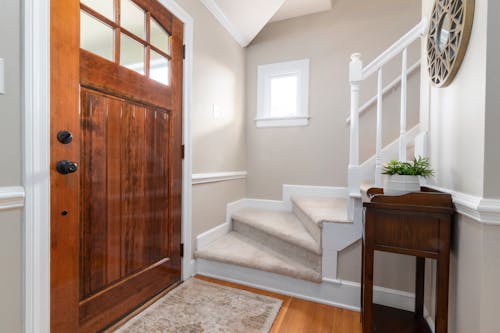
The first thing your home says isn’t visual at all—it’s the scent that greets you at the door. Because you live there, you’re likely nose-blind to it, but visitors aren’t. Lingering pet odors, mustiness, or stale cooking smells can quietly signal poor ventilation or hidden moisture issues. On the flip side, a clean, neutral scent often communicates that a space is well cared for.
Odors are also practical clues about maintenance problems. A damp, earthy smell can indicate mold growth or water intrusion somewhere in the house. A persistent gas or sulfur smell may point to a plumbing or gas issue that needs immediate attention. Paying attention to scent isn’t just about impressions—it can be an early warning system.
3. The Amount of Natural Light
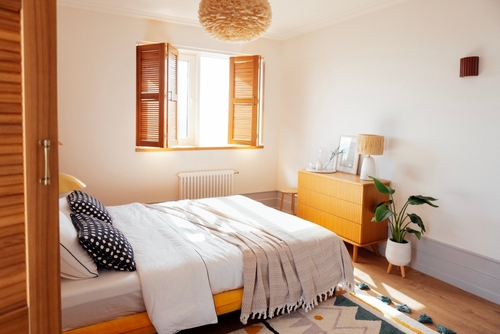
The way you manage natural light sends a strong message about how the space feels. Heavy, always-closed curtains can make a room appear smaller and darker than it is. Clean windows and open blinds suggest openness and cleanliness. People often equate brightness with airiness and comfort.
There’s also a functional side to this. Dirty windows can reduce the amount of natural light entering a room by blocking and diffusing sunlight. Limited daylight exposure can affect mood and perceived room size. Managing light thoughtfully improves both ambiance and daily living conditions.
4. The State of Your Baseboards
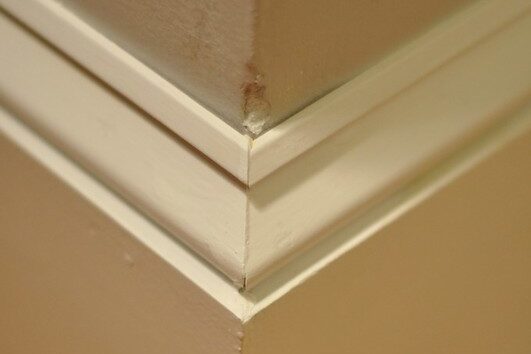
Baseboards are rarely the first thing you think to clean, but they quietly collect dust, pet hair, and scuff marks. Guests may not consciously focus on them, yet they contribute to the overall impression of cleanliness. Dingy baseboards can make an otherwise tidy room feel unfinished. Crisp, clean trim makes a space feel sharper and more maintained.
Beyond appearances, baseboards can also reveal environmental conditions. Excessive dust buildup may indicate poor air filtration or infrequent HVAC filter changes. Gaps or cracks can signal normal house settling, but they may also reveal moisture or pest entry points. Paying attention to them helps with both aesthetics and upkeep.
5. The Sound of Your Floors
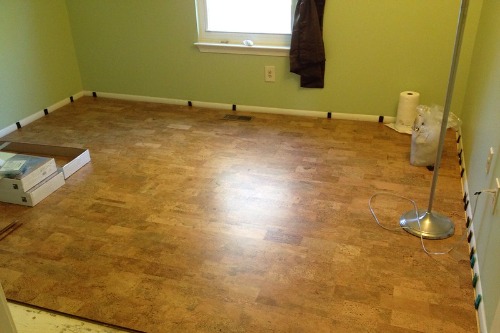
Floors communicate through sound as much as sight. Loud creaks in wood flooring can make a home feel older or less stable, even if the structure is sound. Echoes in sparsely furnished rooms can make spaces feel cold or unfinished. Softened acoustics, by contrast, tend to feel warmer and more inviting.
Technically, floor noises can have specific causes. Wood expands and contracts with changes in humidity, which can lead to creaking. Loose subfloor panels or fasteners can also contribute to noise. Addressing these issues improves comfort and may prevent long-term wear.
6. The Clutter on Flat Surfaces
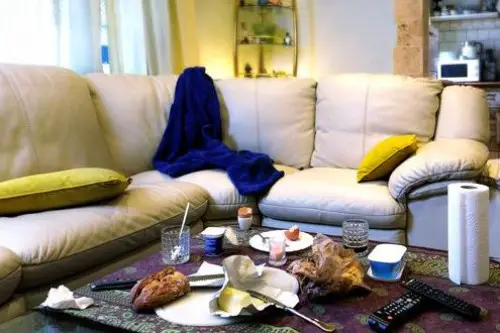
Kitchen counters, coffee tables, and entry consoles tell a story at a glance. A buildup of mail, cords, and random items can signal busyness or stress. Even useful objects, when piled up, can visually overwhelm a space. Clear surfaces tend to communicate calm and organization.
There’s cognitive science behind this impression. Visual clutter increases mental load because your brain has to process more stimuli. Studies show that cluttered environments can contribute to stress and difficulty focusing. Keeping surfaces tidy isn’t just aesthetic—it affects how a space feels to live in.
7. The Temperature Consistency
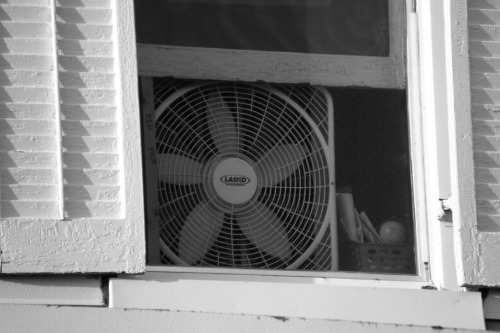
If one room is noticeably warmer or colder than the rest, your home is sending a signal. Uneven temperatures often point to insulation gaps, ductwork issues, or blocked vents. Guests may not know the technical reason, but they’ll feel the discomfort. Consistent temperatures create a sense of comfort and quality.
Temperature differences can also indicate energy inefficiency. Poor insulation or air leaks force HVAC systems to work harder, increasing energy bills. In extreme cases, they can lead to condensation and moisture problems in certain rooms. Addressing the root cause improves both comfort and cost control.
8. The Condition of Grout and Caulk
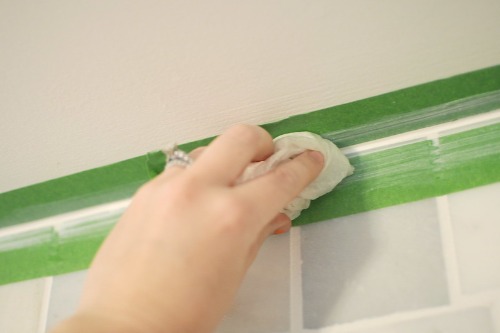
Bathroom and kitchen grout lines quietly reveal how well a home is maintained. Darkened grout can be caused by mold, mildew, or accumulated dirt. Cracked or peeling caulk around tubs and sinks signals aging seals. These small details can make clean spaces feel less hygienic.
Functionally, grout and caulk serve as barriers against water intrusion. When caulk fails, water can seep behind tiles or under fixtures, leading to mold growth and structural damage. Replacing deteriorated sealant is a relatively simple maintenance task. Ignoring it can result in costly repairs later.
9. The Noise Level from Outside

If you can clearly hear traffic, neighbors, or street noise indoors, your home is revealing something about its insulation. Thin windows or insufficient wall insulation allow sound waves to travel more easily inside. Excessive noise can make a home feel less private or peaceful. Good sound insulation communicates comfort and protection.
There’s also a measurable aspect to this. Double- or triple-pane windows typically reduce sound transmission more effectively than single-pane glass. Gaps around window frames can further increase noise intrusion. Improving insulation enhances both quiet and energy efficiency.
10. The State of Your Light Fixtures

Light fixtures tend to accumulate dust and dead insects over time. Even if the rest of the room is clean, a dusty fixture can dull the quality of light and signal overlooked maintenance. Yellowed bulbs can make a space feel dim or outdated. Clean fixtures and appropriately chosen bulbs improve both function and perception.
Lighting temperature also plays a role. Bulbs measured in the 2700K–3000K range produce warm light, while higher Kelvin ratings create cooler tones. Mismatched lighting temperatures within a home can feel disjointed. Thoughtful lighting choices make spaces feel cohesive and intentional.
11. The Way Your Entryway Is Organized
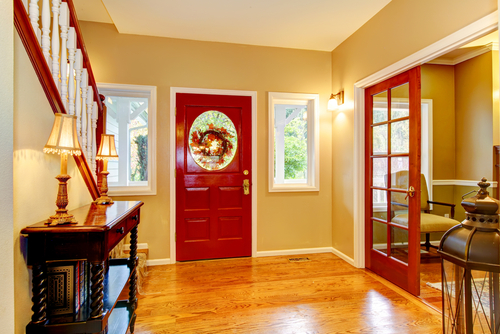
Your entryway sets expectations before anyone steps fully inside. Shoes scattered across the floor and overflowing coat hooks can suggest chaos. A simple system—like a shoe rack or wall hooks—communicates order and welcome. It signals that the home is designed for real life, not just appearances.
There’s also a functional reason this matters. Entryways collect dirt, moisture, and debris from outside. Without organization, those elements spread through the rest of the house. A contained, well-managed entry reduces cleaning demands and protects flooring over time.
This post Invisible Messages Your Home Sends Without Trying was first published on Greenhouse Black.
