
1. Rare Coins
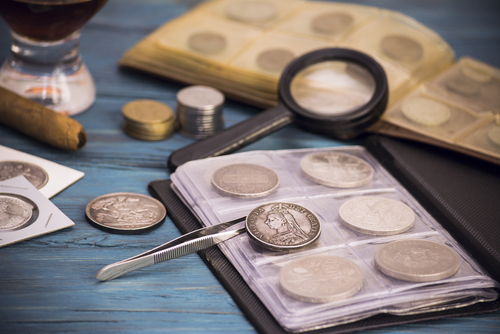
A lot of people dump old coin collections at yard sales or pawn shops without checking dates and mint marks. Some coins that look totally ordinary can be worth hundreds or even thousands of dollars depending on rarity and condition. Key dates, low mintage years, and minting errors are especially important in U.S. coin collecting. If you don’t look closely, you might sell a valuable coin for face value.
It’s common when someone inherits a jar of mixed coins and assumes they’re all just spare change. But small details like a “D” or “S” mint mark, or a specific year, can make a huge difference. Condition matters too, because collectors pay premiums for coins in better shape. A quick check against a reputable coin guide or recent sales can prevent a painful mistake.
2. First-Edition Books

When clearing out shelves, many people donate or resell books without checking the edition. First editions of certain titles, especially classic novels or major modern series, can be worth significantly more than later printings. The difference often comes down to specific wording on the copyright page. Without checking that page carefully, you might underprice a collectible.
Condition also plays a major role in value. A first edition with its original dust jacket in good shape can be dramatically more valuable than one without it. Even small flaws like tears or writing inside can affect price. Looking up the exact title, publisher, and printing information before selling can save you from losing out.
3. Vintage Video Games
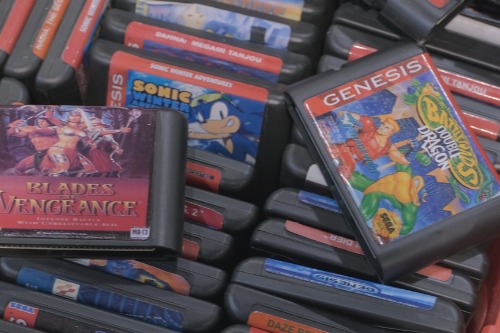
Old video games often end up in a $5 bin at garage sales. But certain titles for systems like the NES, Super Nintendo, Sega Genesis, and early PlayStation are highly collectible. Limited production runs and cult-favorite games can command high resale prices. If you don’t check recent sale prices, you could dramatically undervalue them.
Sealed games in original packaging are especially valuable in today’s collector market. Even loose cartridges can bring in solid money depending on rarity and condition. Specific titles have sold for thousands of dollars, particularly when professionally graded and factory sealed. Before unloading a box of “old games,” it’s worth checking each title individually.
4. Vintage Clothing
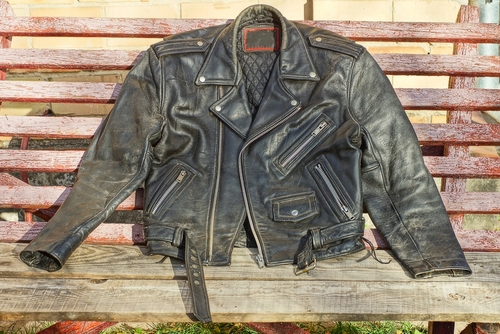
Clothes feel easy to toss or sell cheaply, especially if they’re out of style. But certain brands and eras, particularly from the 1970s through early 2000s, are highly sought after. Original band T-shirts, designer denim, and early streetwear collaborations can resell for far more than their original price. If you don’t recognize the label, you might assume it’s worthless.
Collectors look for specific tag designs, manufacturing locations, and limited runs. Even faded or distressed pieces can be desirable if they’re rare. A single vintage concert shirt can sometimes sell for hundreds of dollars. Checking the brand and comparable listings online can keep you from making a quick, regrettable sale.
5. Old Electronics
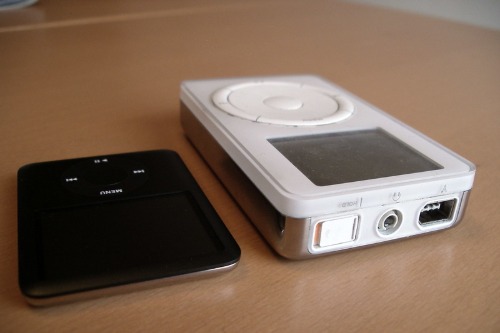
People often clear out older electronics just to declutter. But certain discontinued devices, like early iPods, vintage gaming consoles, and specific smartphone models, have developed collector demand. Working condition, storage capacity, and model numbers all affect value. Selling without checking the exact version can mean missing out.
Original boxes, manuals, and accessories can significantly increase resale value. Some models that were short-lived or had unique features are especially collectible. Even non-working units can be valuable for parts. Before listing an item for a flat low price, it pays to search recent sales of that exact model.
6. Gold Jewelry
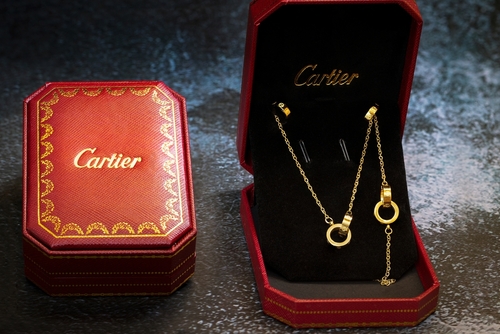
Broken chains and mismatched earrings often get sold quickly for cash. But the value of gold depends on its weight, purity (karats), and current market price. If you don’t know whether it’s 10K, 14K, 18K, or higher, you can’t accurately estimate its worth. Accepting the first offer without checking gold prices can cost you.
There’s also a difference between scrap value and resale value. Antique or designer pieces may be worth more intact than melted down. Hallmarks stamped on the piece can indicate purity and maker. Getting multiple quotes and weighing items properly can help you avoid selling below market value.
7. Antique Furniture
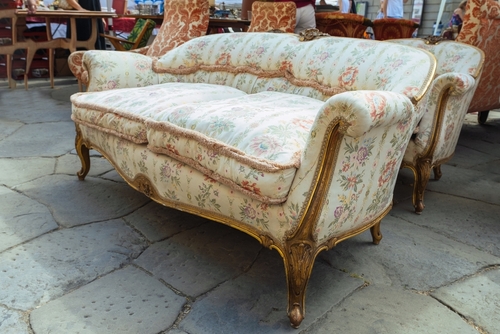
During a move, heavy old furniture often feels like a liability. But genuine antiques made from solid hardwood with traditional joinery can hold real value. Certain styles, periods, and known makers are highly collectible. Without checking for age, construction methods, and maker’s marks, sellers may drastically underprice them.
Not all old furniture is valuable, which is why identification matters. Mass-produced items from later decades usually bring much less than true antiques. Details like dovetail joints and original hardware can help determine age. A quick consultation with an appraiser or experienced dealer can clarify what you actually have.
8. Trading Cards
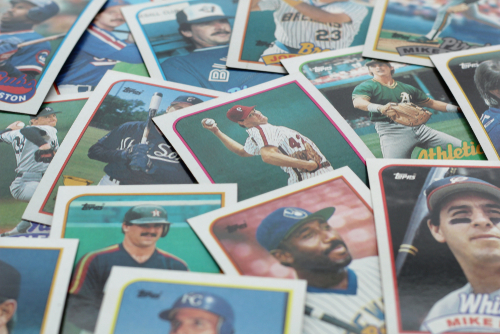
People frequently sell trading cards in bulk without sorting them. But certain sports cards, Pokémon cards, and other collectible cards can be worth significant amounts. Rookie cards, first editions, and limited print runs often command premiums. Overlooking one standout card in a stack can mean losing hundreds or more.
Condition is critical in this market. Cards are graded based on centering, corners, edges, and surface quality. A card in near-mint condition can be worth far more than the same card with visible wear. Checking individual card names, years, and recent sales is essential before selling.
9. Old Comic Books
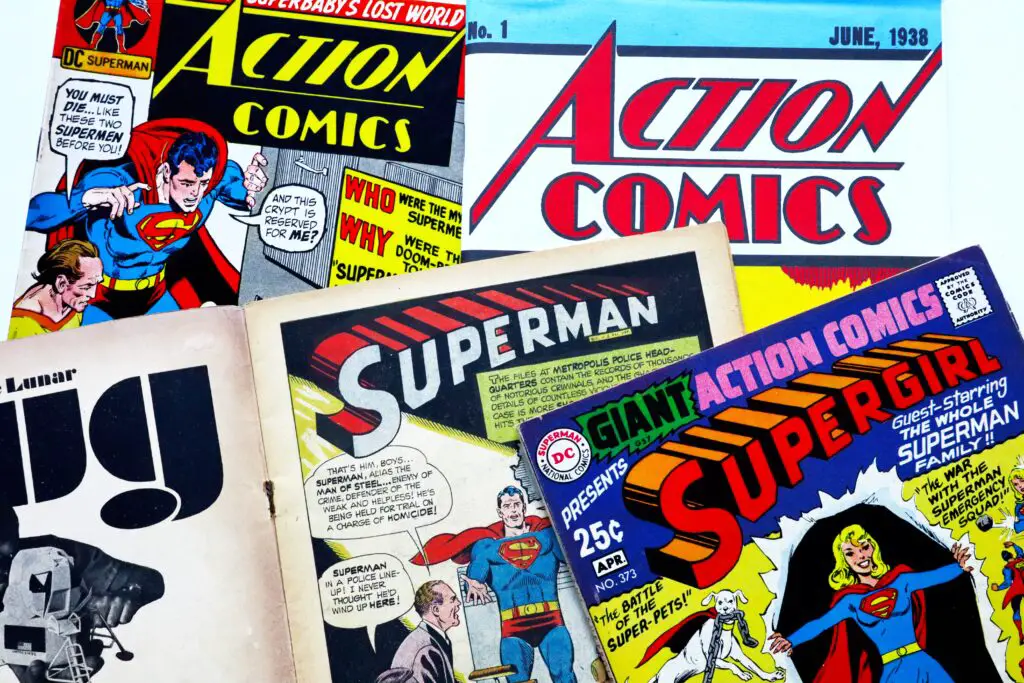
Stacks of comic books often get sold as a single lot without checking individual issues. First appearances of major characters and key storylines can be extremely valuable. Specific issue numbers and printings matter a great deal in comic collecting. Selling without identifying key issues can be a costly oversight.
Condition has a major impact on price. Creases, tears, and discoloration can reduce value significantly. Professional grading services exist because small differences can affect worth by hundreds or thousands of dollars. Taking time to identify important issues before selling can prevent serious losses.
10. Musical Instruments
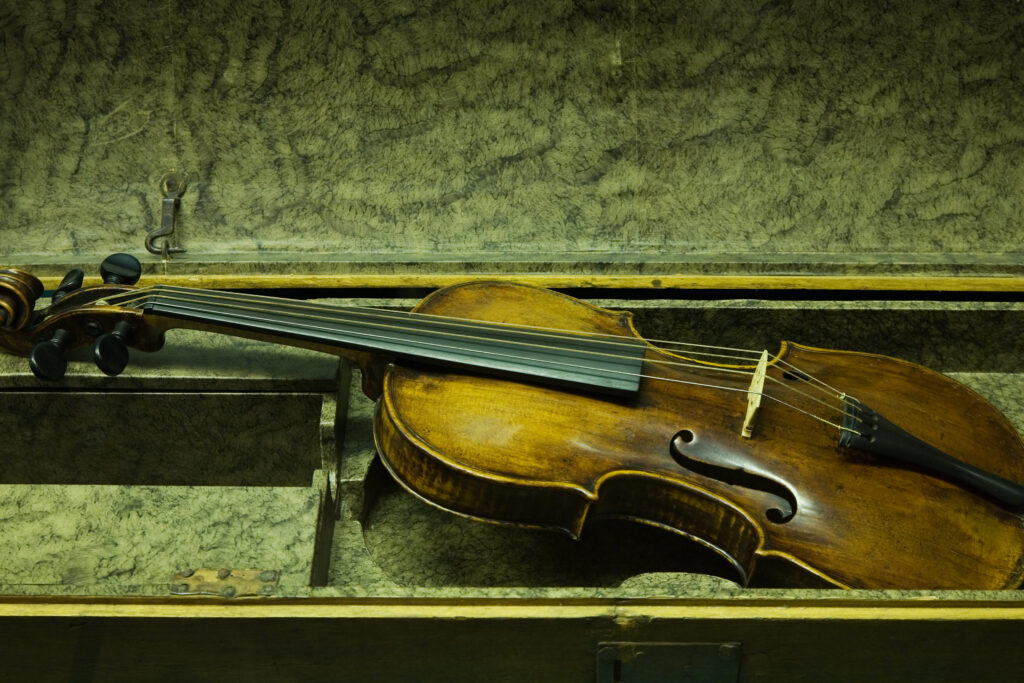
Old instruments sometimes get sold quickly when no one in the household plays anymore. But certain brands and models, especially vintage guitars and brass instruments, can be highly collectible. Serial numbers can reveal year of manufacture and production details. Without checking those numbers, you might undervalue what you have.
Original parts and finish can also affect price dramatically. Instruments from well-known makers in good condition often hold or increase in value. Even mid-range instruments can resell for more than expected. A knowledgeable appraisal can help ensure you don’t accept too little.
11. Artwork
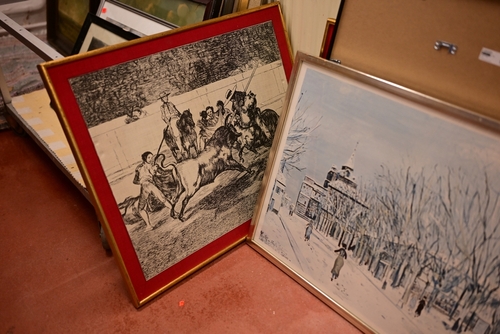
Artwork is often sold at estate sales without careful evaluation. Even lesser-known artists can have dedicated collector markets. Signatures, dates, and provenance can significantly influence value. Without researching the artist and comparable sales, sellers may accept far too little.
It’s also important to determine whether a piece is an original or a print. Limited edition prints with low numbers can carry higher value than open editions. Condition, including fading or damage, affects resale price. Taking time to identify exactly what you have can prevent a major financial mistake.
12. Silver Flatware and Serving Pieces
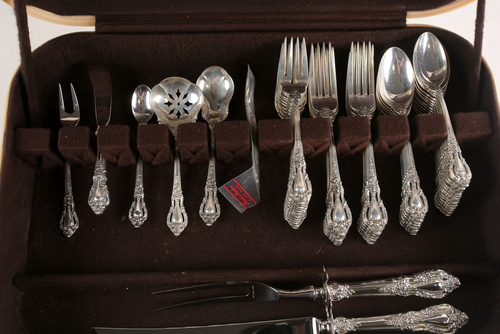
Silverware often gets lumped in with regular kitchen items. But sterling silver pieces, typically marked “925” or “sterling,” contain high silver content and can be valuable by weight alone. Antique patterns from well-known makers can be worth more than their melt value. Selling them without checking markings can mean losing money.
Silver-plated items, on the other hand, are usually worth much less, which makes identification crucial. The difference between sterling and plated can be substantial in resale value. Checking hallmarks and weighing the pieces helps determine true worth. A quick evaluation can prevent selling precious metal at a bargain price.
13. Watches
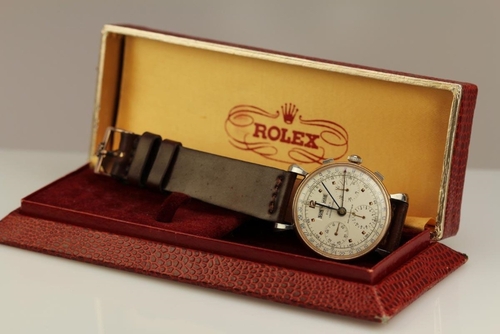
Watches are often sold based on appearance alone. But certain brands and mechanical models can be highly valuable, especially vintage pieces. Brand, reference number, age, and condition all play a role in determining price. Without checking these details, you might undervalue a collectible watch.
Original parts, including the dial, bezel, and bracelet, matter to collectors. Even non-working watches from respected brands can have significant resale value. Authentication is especially important because small differences affect price. Researching the exact model before selling can make a substantial difference.
14. China and Porcelain
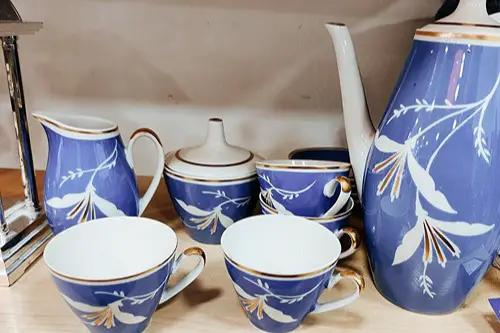
Fine china and porcelain sets often get sold cheaply during downsizing. But certain patterns from established manufacturers can still carry collector demand. Backstamps on the underside typically identify the maker and pattern. Without checking those marks, you may not realize what you’re selling.
Complete sets generally command more than individual pieces. Condition is also critical, as chips and cracks reduce value. Some discontinued patterns can sell for more due to replacement demand. Taking time to identify the maker and pattern before selling can help avoid an unnecessary loss.
This post 14 Things People Sell Without Checking — And Lose Big was first published on Greenhouse Black.
