
1. Honolulu, Hawaii
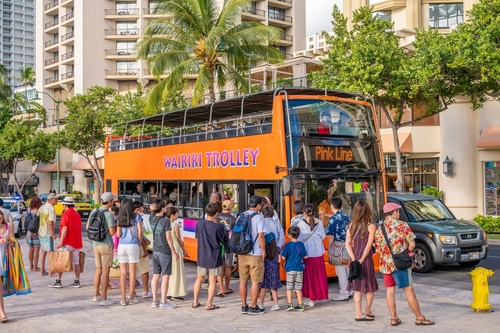
Honolulu feels like paradise, with turquoise water, warm trade winds, and iconic Waikiki Beach. The climate is tropical, and the scenery is breathtaking year-round. However, Hawaii consistently ranks as one of the most expensive states for groceries, utilities, and housing. Many goods must be shipped in, which raises everyday costs.
Career options can be limited outside of tourism, military, and certain service industries. The geographic isolation of living on an island in the middle of the Pacific Ocean can also weigh on some people. Flights to the mainland are long and costly, making family visits harder. What starts as a dream escape can feel surprisingly confining.
2. San Francisco, California
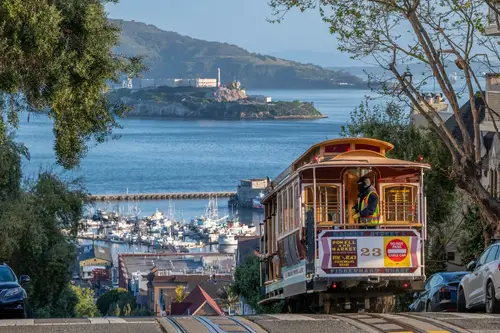
San Francisco can feel like a dream at first, with its postcard views of the Golden Gate Bridge and colorful Victorian homes. But the cost of living here is among the highest in the country, with median home prices often hovering well above $1 million. Even rent for a modest one-bedroom apartment can easily top $3,000 a month. For many people, that financial pressure slowly chips away at the magic.
There’s also the everyday reality of navigating steep hills, limited parking, and persistent traffic. The city has struggled with visible homelessness and property crime in certain neighborhoods, which can affect quality of life. Tech industry layoffs in recent years have added job uncertainty to the mix. What once felt vibrant and innovative can start to feel unstable and exhausting.
3. New York City, New York
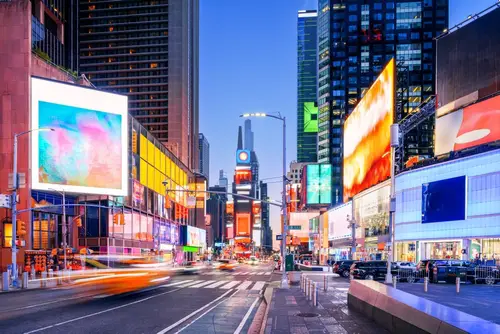
New York City promises energy, culture, and endless opportunity. You can see a Broadway show, visit world-class museums, and eat nearly any cuisine on earth without leaving the five boroughs. But the rent is famously high, with Manhattan and parts of Brooklyn commanding some of the steepest prices in the U.S. Over time, that constant hustle to make ends meet can dull the excitement.
Crowded subways, long commutes, and small living spaces are part of daily life. Noise rarely stops, and true quiet can feel like a luxury. The pace that once felt exhilarating can begin to feel relentless. For some, the city that never sleeps becomes the city that never lets you rest.
4. Los Angeles, California

Los Angeles sells a lifestyle of sunshine, beaches, and entertainment industry glamour. With nearly year-round mild weather and iconic neighborhoods like Santa Monica and Hollywood, it’s easy to fall in love at first. But LA is also defined by traffic, and commuting an hour or more each way is common. That daily gridlock can turn simple plans into logistical puzzles.
Housing costs are high, and homeownership is out of reach for many residents. The region also faces recurring wildfires and drought conditions, which bring both environmental and insurance concerns. Public transportation is limited compared to other major global cities, so a car is almost essential. Over time, the sprawl and car dependency can feel isolating rather than freeing.
5. Miami, Florida
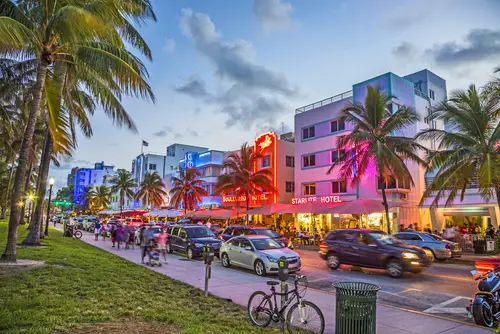
Miami draws people in with its beaches, nightlife, and vibrant Latin American influences. The city has no state income tax, which can sound like a financial win. But housing prices and insurance costs have risen sharply in recent years. Condo fees and special assessments in coastal buildings can add unexpected expenses.
Hurricane season is a yearly reality, bringing storm preparation and rising property insurance premiums. Flooding and sea-level rise are ongoing concerns in low-lying areas. Traffic congestion has worsened as more people move to South Florida. The party atmosphere that once felt electric can start to feel chaotic and unsustainable.
6. Austin, Texas

Austin built its reputation on live music, tech growth, and a laid-back vibe. For years, it was seen as an affordable alternative to coastal cities. Rapid population growth, especially during the early 2020s, drove up home prices and rent significantly. Many longtime residents have felt priced out of neighborhoods they once loved.
Infrastructure hasn’t always kept pace with that growth, leading to heavier traffic and strain on public services. Summers are intensely hot, with temperatures often exceeding 100 degrees Fahrenheit. Property taxes in Texas can also be high, even without a state income tax. The quirky charm that made Austin famous can feel diluted as development accelerates.
7. Seattle, Washington
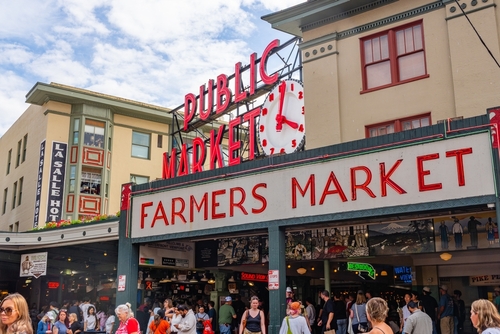
Seattle offers dramatic natural beauty, with views of Puget Sound and nearby mountains. It’s a major hub for tech companies like Amazon and Microsoft, which has brought high-paying jobs. But the cost of housing has climbed steeply, particularly in central neighborhoods. Rainy, overcast weather dominates much of the fall and winter.
Seasonal affective disorder is a real challenge for some residents during long gray stretches. Traffic congestion has grown alongside the population boom. Homelessness and rising living costs are visible concerns in parts of the city. For some, the combination of high expenses and gloomy weather slowly dims the shine.
8. Denver, Colorado
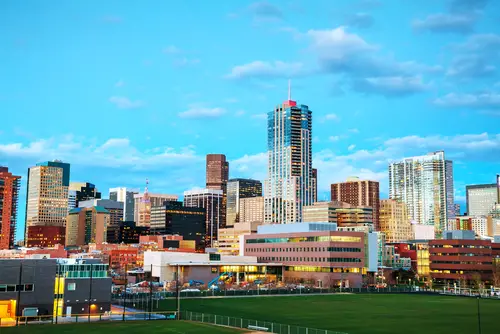
Denver appeals to outdoor enthusiasts with easy access to the Rocky Mountains. The city has a strong job market and over 300 days of sunshine a year. However, housing prices have risen dramatically over the past decade. What was once a relatively affordable Western city is now out of reach for many first-time buyers.
Wildfire smoke from Colorado and neighboring states can affect air quality during summer months. Water scarcity and drought are ongoing issues in the broader region. Traffic has worsened as the metro area has grown rapidly. The mountain lifestyle can start to feel crowded and costly.
9. Nashville, Tennessee
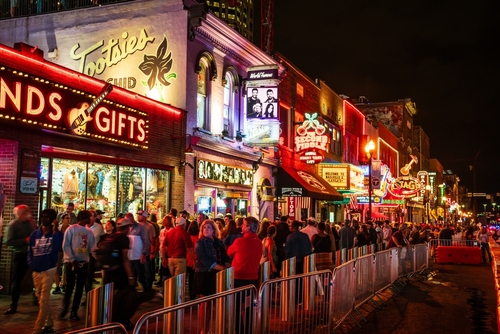
Nashville’s music scene and Southern charm attract newcomers from across the country. The city has experienced rapid population growth and strong job gains in healthcare and entertainment. But with that growth has come rising home prices and rent. Longtime residents often talk about how quickly their neighborhoods have changed.
Tourism is booming, especially in downtown areas filled with honky-tonks and party buses. That can mean noise, traffic, and congestion on weekends. Infrastructure and public transit options remain limited for a fast-growing metro. What once felt like a friendly small city can begin to feel overrun.
10. Bozeman, Montana
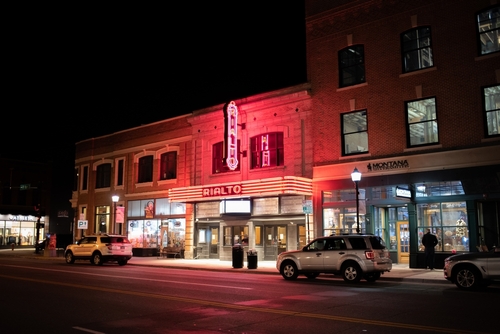
Bozeman is often described as a gateway to Yellowstone National Park and outdoor adventure. Its mountain views and access to skiing, hiking, and fishing make it incredibly appealing. In recent years, however, an influx of remote workers and out-of-state buyers has driven home prices sharply upward. Median home values have far outpaced local wages.
Rental availability is tight, making it difficult for service workers and young families to stay. Winters are long and cold, with significant snowfall. Rapid growth has also changed the small-town character that many residents cherished. The rustic dream can start to feel financially and culturally out of reach.
11. Charleston, South Carolina
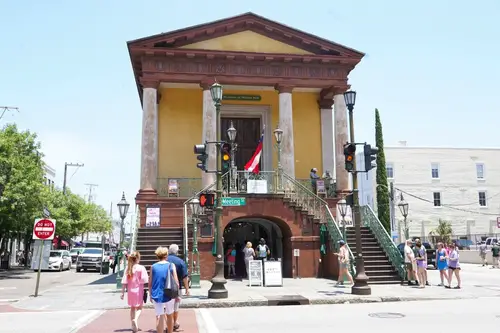
Charleston enchants visitors with its historic architecture and coastal scenery. The city is known for cobblestone streets, pastel homes, and a thriving restaurant scene. But it is also vulnerable to flooding, especially during heavy rains and high tides. Sea-level rise has become a growing concern in low-lying neighborhoods.
Home prices have climbed steadily as more people relocate to the area. Hurricanes remain a seasonal threat along the South Carolina coast. Tourism brings economic benefits but also crowded streets and traffic. Over time, the charm can feel overshadowed by climate risks and constant visitors.
12. Jackson Hole, Wyoming
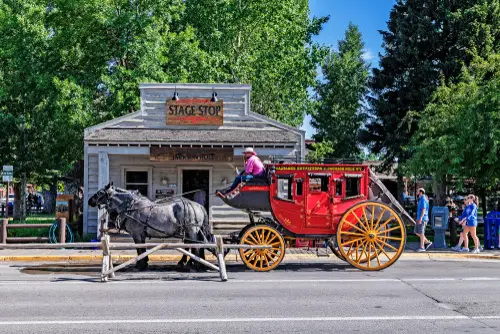
Jackson Hole is synonymous with luxury mountain living and world-class skiing. Surrounded by Grand Teton National Park, it offers stunning scenery in every direction. However, it consistently ranks among the most expensive housing markets in the country. Many workers commute from surrounding towns because they cannot afford to live in Jackson itself.
The local economy relies heavily on tourism, which can mean seasonal fluctuations in income. Winters are harsh, with heavy snow and below-freezing temperatures for extended periods. Limited housing inventory has created a tight and competitive market. For some, the exclusivity that makes Jackson Hole special can also make it feel inaccessible.
This post When These Dream Locations Stop Feeling Right was first published on Greenhouse Black.
