
1. Old Printed Photos
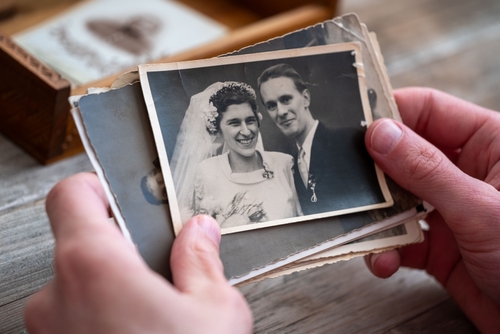
Printed photos can look like clutter when they’re stacked in a shoebox, but they often hold moments that don’t exist anywhere else. Many older photos were never digitized, so once they’re gone, they’re truly gone. They capture people, places, and details you may not even realize are historically meaningful yet. Tossing them can mean erasing visual records of your own family story.
There’s also a cognitive benefit to revisiting photos, since visual memory cues can strengthen recall and emotional connection. Looking at them can trigger stories you’d otherwise forget to pass down. Even imperfect or blurry photos often document everyday life that becomes precious over time. Decluttering them without reviewing or scanning can create a quiet, irreversible loss.
2. Handwritten Letters and Cards
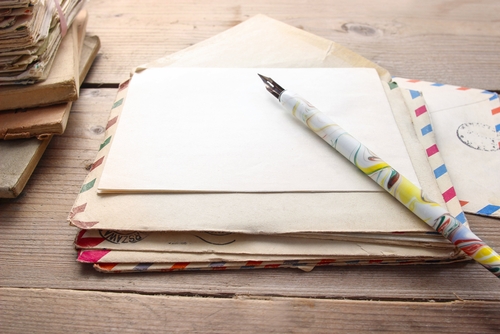
Handwritten notes can seem like sentimental clutter, especially when they pile up in drawers. But handwriting carries personality, emotion, and context that digital messages don’t replicate. Linguists and psychologists note that handwritten communication tends to be more emotionally expressive. Throwing them out removes a tangible piece of someone’s voice.
These letters often become historical snapshots of relationships and milestones. A birthday card or condolence note can anchor memories to a specific time. Years later, they can offer comfort or perspective you didn’t expect to need. Once discarded, that physical trace of connection can’t be recreated.
3. Instruction Manuals for Older Appliances
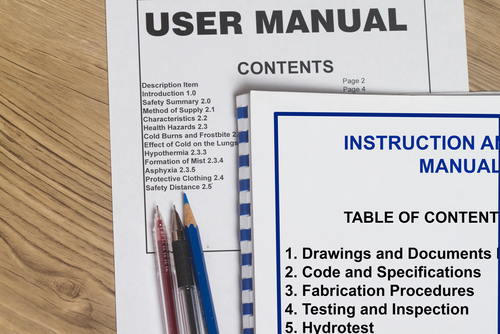
Manuals are easy targets during a cleanup because they look like boring paper clutter. However, older appliances often have limited or disappearing online documentation. Manufacturers sometimes discontinue support pages, especially for legacy models. Losing the manual can make troubleshooting or safe operation harder.
These guides often include safety warnings, maintenance schedules, and model-specific diagrams. Without them, you may rely on guesswork that leads to misuse or damage. Replacement parts and settings are easier to identify with the original documentation. Keeping or digitizing them preserves practical knowledge you may suddenly need.
4. Spare Buttons and Fabric Swatches
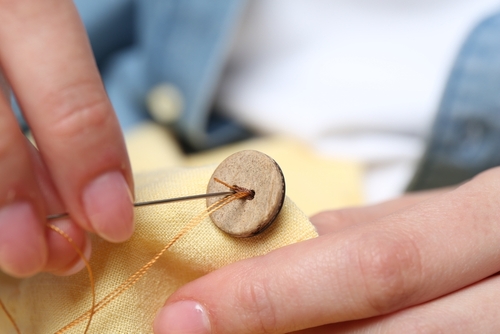
Tiny bags of buttons and fabric scraps look insignificant and disposable. Yet they’re intentionally included to match garments perfectly for repairs. Color, texture, and weave are difficult to replicate later. Tossing them can make a simple repair surprisingly complicated.
Clothing repair extends the life of garments and reduces replacement costs. A missing button with no match can sideline an otherwise wearable item. Tailors often rely on original swatches for accurate mending. Keeping these small pieces supports sustainable clothing care.
5. Old External Hard Drives or USB Backups
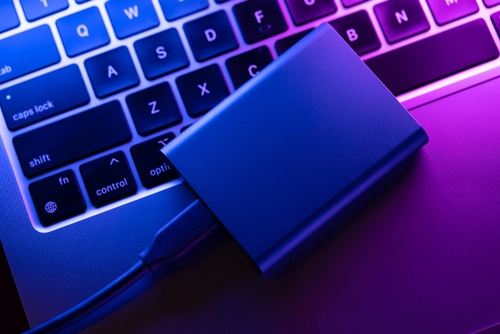
An outdated drive can feel like useless tech clutter. But many people store unique photos, documents, or projects without realizing it. Backup habits are often inconsistent, so data may exist in only one place. Throwing the device away risks permanent data loss.
Digital files can hold legal documents, creative work, or irreplaceable media. Data recovery is possible but expensive and not guaranteed. Even labeled “old,” a drive may contain forgotten archives. Reviewing and migrating files protects your digital history.
6. Warranty and Purchase Records

Receipts and warranty papers can look like paper chaos during decluttering. However, many warranties require proof of purchase for claims. Consumer protection laws and store return policies often depend on documentation. Discarding them can cost you repair or replacement coverage.
These records also help track product lifespan and spending patterns. Knowing when you bought something informs maintenance or upgrade decisions. Some insurance claims require purchase verification. Keeping organized records preserves your consumer rights.
7. Family Recipes
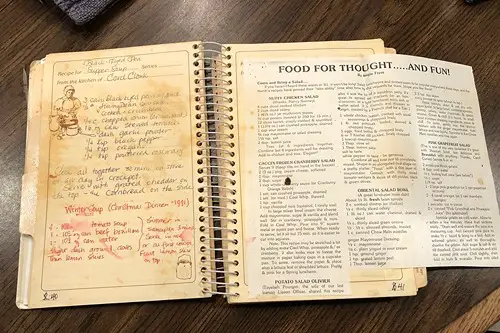
Recipe cards splattered with stains may appear messy or outdated. Yet they often encode cooking methods learned through generations. Measurements, substitutions, and notes reflect lived kitchen experience. Throwing them away can erase culinary heritage.
Recipes are cultural artifacts as much as practical guides. They preserve flavors and traditions tied to identity and memory. Recreating a dish without the original notes can be surprisingly difficult. Keeping or digitizing them protects edible history.
8. Specialty Cables and Chargers
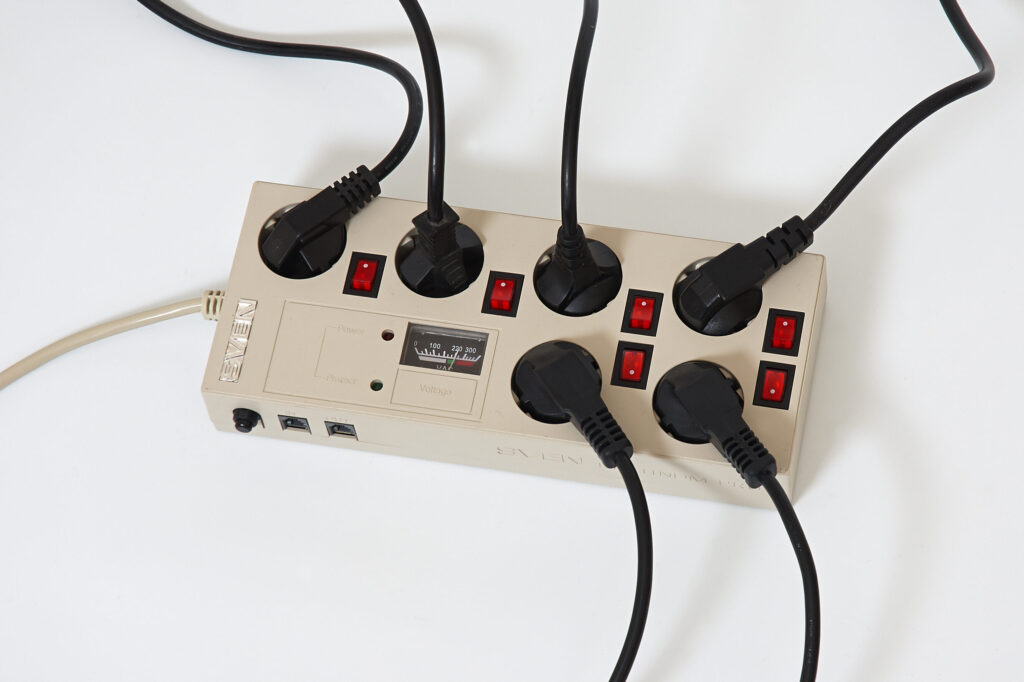
Random cables are classic decluttering casualties. Still, many devices rely on proprietary or less common connectors. Replacements may be discontinued or expensive. Tossing them can render working equipment temporarily unusable.
Electronics lifecycles often outlast accessory availability. A single missing charger can sideline a camera, tool, or game system. Keeping labeled cables saves time and money later. It also reduces unnecessary repurchasing and electronic waste.
9. Tool-Specific Accessories
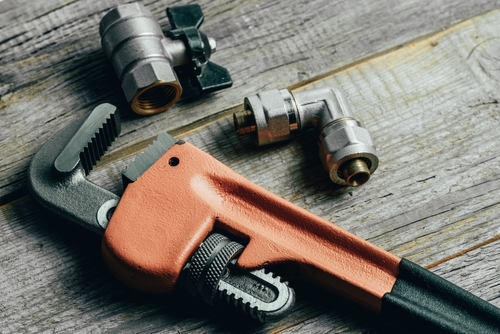
Small drill bits, attachments, or adjustment keys can look like miscellaneous clutter. But many tools are designed to function properly only with their matching accessories. Losing them can limit performance or safety. Replacement parts aren’t always universal.
Specialized accessories maintain calibration and intended use. Improvising with the wrong component can damage equipment. Proper attachments also support safer operation. Keeping them preserves the full value of your tools.
10. Medical and Vaccination Records

Old medical papers can seem redundant in a digital age. However, records aren’t always perfectly transferred between providers. Vaccination histories are often required for travel, school, or employment. Discarding them can complicate verification.
Personal copies act as a safeguard against administrative gaps. They help new providers understand your medical background quickly. Accurate history supports better clinical decisions. Keeping records protects continuity of care.
11. Product Serial Numbers and Registration Info
Registration cards and serial number stickers can feel like junk mail leftovers. Yet serial numbers are essential for warranty claims, recalls, or theft reports. Manufacturers use them to verify ownership and eligibility. Losing them can delay support.
Documented serial information also aids insurance claims after loss or damage. It proves model details and ownership timelines. Recovering this data later can be difficult. Keeping a record maintains accountability and protection.
12. Educational Notes and Reference Materials
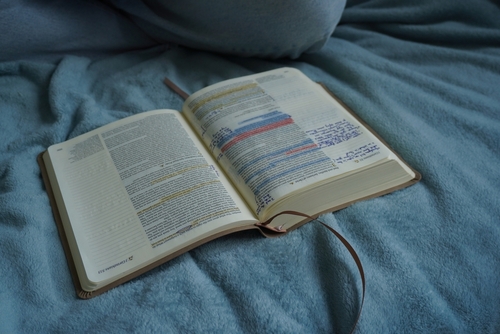
Old notebooks can look like academic clutter from a past life. But they often contain distilled explanations you once worked hard to understand. Revisiting them can accelerate relearning skills. Throwing them away removes a personalized reference.
Self-made notes reflect how you best process information. They can support career pivots or hobby renewals. Rebuilding that knowledge takes time. Keeping key materials preserves intellectual investment.
13. Sentimental Everyday Objects
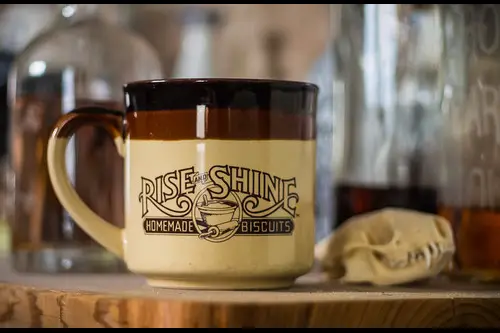
A chipped mug or worn keychain might seem trivial during decluttering. Yet everyday objects often anchor emotional memories. Psychologists recognize that tangible items can trigger autobiographical recall. Discarding them can feel unexpectedly like losing a chapter of your life.
These objects serve as quiet markers of routines and relationships. They carry stories that aren’t documented anywhere else. Memory cues tied to physical items can be powerful and grounding. Thoughtful retention protects personal narrative, not just stuff.
This post When Decluttering Turns Into Loss was first published on Greenhouse Black.
