
1. Cheap replacements encourage lower manufacturing standards
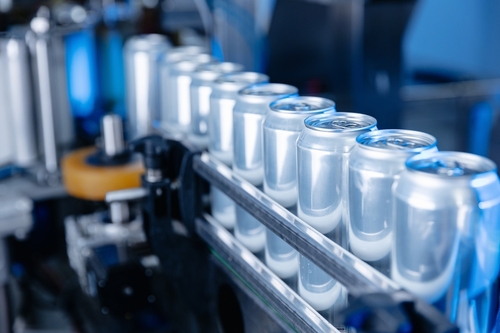
When products are designed to be easily replaced, durability often stops being a priority. Manufacturers optimize for cost and speed rather than longevity. This leads to goods that fail sooner than necessary. Consumers end up stuck in a loop of repeat purchases.
That cycle increases total spending even when each item seems affordable. Frequent replacements also demand more raw materials and energy. Over years, the cumulative footprint far exceeds that of a well-made alternative. What feels like savings becomes a steady financial leak.
2. Disposable habits quietly reshape our environment

When we treat everyday items as disposable, we normalize waste in small, invisible ways. That habit quietly increases landfill volume and resource extraction. Over time, it shifts our baseline for what feels acceptable to throw away. The cost shows up in municipal budgets and environmental cleanup.
Cities spend real money managing trash streams swollen by convenience culture. Taxpayers ultimately absorb those costs through fees and services. Meanwhile, natural systems bear the burden of slower decomposition and pollution. The replaceable mindset hides these expenses behind a cheap price tag.
3. Repair skills quietly disappear
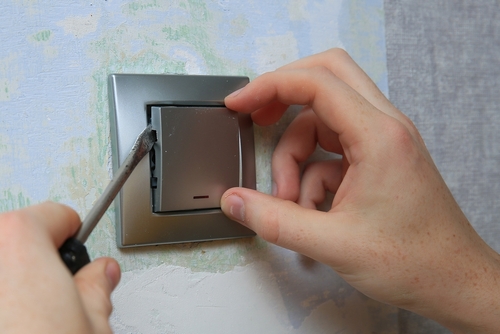
A replace-first culture reduces the incentive to learn how things work. Fewer people practice repairing electronics, clothing, or furniture. Those skills fade when they are not regularly used. Communities lose informal networks built around fixing and sharing knowledge.
Repair shops struggle when consumers default to replacement. That shrinks local service economies that once extended product life. Younger generations grow up seeing repair as unusual rather than normal. The hidden cost is a loss of practical literacy and resilience.
4. Emotional attachment becomes harder to sustain

Constant replacement changes how we relate to our belongings. Items become temporary tools rather than long-term companions. This mindset spills into how we assign meaning to objects. Sentimental value gets crowded out by convenience.
People often report stronger memories tied to well-used possessions. When everything is easily swapped out, those anchors disappear. The result can feel subtly hollow, even if it’s hard to name. We lose everyday rituals of care that build attachment.
5. Supply chains grow more fragile
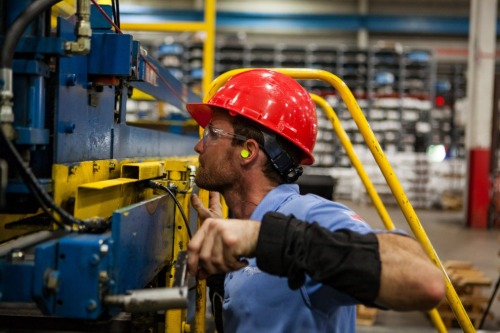
High turnover of goods increases demand volatility. Manufacturers must respond quickly to shifting replacement cycles. This pressure can strain logistics and sourcing networks. Small disruptions ripple more dramatically through the system.
When supply chains are stretched, shortages become more likely. Consumers experience delays or price spikes as a result. Businesses absorb higher coordination and inventory costs. A culture of constant replacement amplifies systemic sensitivity.
6. Personal budgeting becomes less predictable

Frequent replacement normalizes recurring small expenses. Individually, each purchase feels manageable. Collectively, they form a steady drain on monthly budgets. People often underestimate how these costs accumulate.
This pattern complicates long-term financial planning. Money that could be saved or invested gets redirected to repeat buying. Households may feel financially tight without knowing why. The replaceable mindset obscures the true lifetime cost of ownership.
7. Design innovation tilts toward novelty over longevity
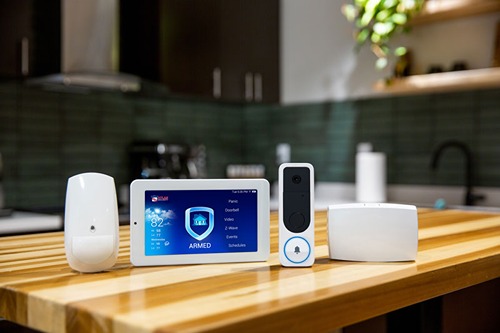
When replacement is expected, novelty becomes a selling point. Designers prioritize aesthetic refreshes and minor feature changes. Long-term reliability receives less marketing attention. Consumers are nudged toward upgrading rather than maintaining.
This cycle shortens product lifespans by design. Perfectly functional items feel outdated faster. Innovation energy shifts toward churn instead of endurance. The hidden cost is a culture that undervalues lasting solutions.
8. Labor conditions can be pressured downward

High-volume replacement markets demand low production costs. Suppliers compete aggressively on price. That pressure can translate into tighter margins for workers. Labor protections may be harder to maintain in such environments.
Faster production cycles also increase workplace stress. Safety and training investments can suffer under constant speed demands. Workers absorb risks that consumers rarely see. The social cost is embedded in every disposable purchase.
9. Community sharing norms weaken

Replaceability encourages individual ownership over collective use. Borrowing or lending feels less necessary when items are cheap. Shared resource systems lose participation. Community trust networks have fewer opportunities to grow.
Libraries of tools or neighborhood exchanges rely on durability. Disposable goods undermine their practicality. People interact less around maintenance and sharing. The hidden loss is social cohesion built through cooperation.
10. Expectations for instant solutions rise

Easy replacement trains us to expect quick fixes. Waiting for repair or maintenance feels inconvenient. Patience becomes less practiced in everyday life. This shapes how we respond to minor setbacks.
That expectation can spill into work and relationships. Complex problems rarely resolve as quickly as buying a new item. Frustration tolerance may shrink over time. The replaceable mindset subtly narrows our comfort with process.
11. Long-term thinking gets crowded out
When swapping things out is routine, planning for longevity feels optional. Decisions skew toward immediate satisfaction. Future costs receive less attention. Short horizons become the default frame.
This habit influences more than shopping choices. It can shape how we approach commitments and investments. Long-term stewardship requires a different mindset than constant replacement. The hidden cost is a reduced appetite for sustained care and foresight.
This post The Hidden Costs of Treating Everything as Replaceable was first published on Greenhouse Black.
