
1. Concert posters
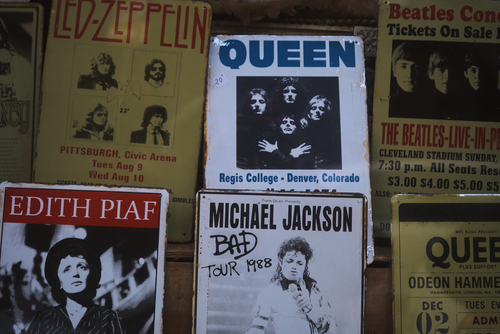
Fans often toss posters after moving or redecorating. Original prints from notable tours gain cultural and artistic significance. Limited runs increase scarcity. Music memorabilia collectors actively track these pieces.
Condition influences price, especially fading and tears. Posters tied to influential performances carry added value. The market treats them as pop-culture art. What once decorated a bedroom wall can evolve into a collectible print.
2. Vintage Pokémon cards
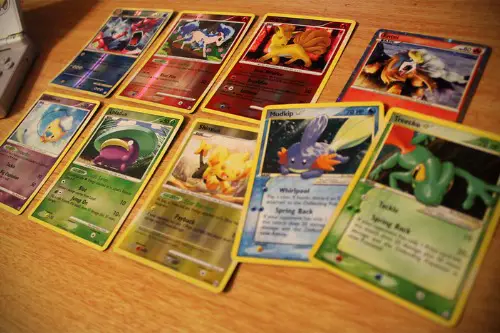
Many kids treated trading cards like disposable toys and tossed or damaged them. Early Pokémon cards from the late 1990s are now a serious collectibles category. First print runs and holographic cards are especially sought after. Scarcity plus nostalgia has driven dramatic price spikes.
Cards that survived in good condition are far rarer than people assume. A card that looked like playground clutter can now fund a vacation. Grading quality matters enormously in resale value. The lesson is that childhood ephemera sometimes ages into cultural artifacts.
3. Retired LEGO sets
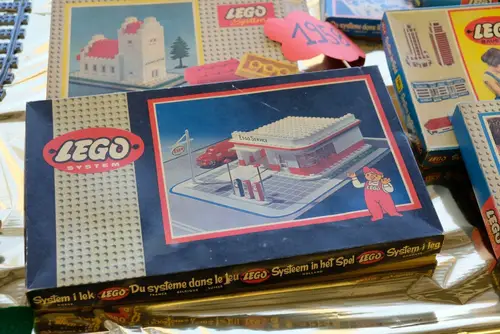
Parents often donate or throw away LEGO sets once kids outgrow them. Certain discontinued sets appreciate because they’re never produced again. Collectors hunt for sealed boxes or complete builds with instructions. Limited runs create natural scarcity over time.
A set that once retailed modestly can sell for several times that amount after retirement. Enthusiasts value unique pieces and themes no longer available. Even used sets hold surprising value when complete. Tossing them means losing a miniature piece of design history.
4. Mid-century furniture
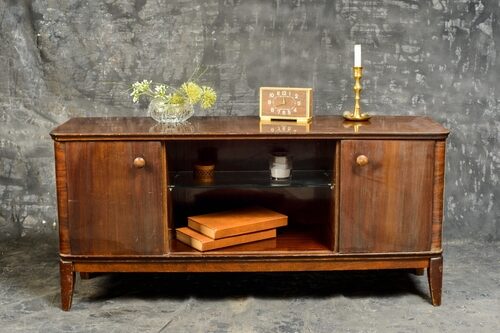
Furniture from the 1950s and 60s was frequently discarded during remodels. Clean lines and durable construction later fueled a design revival. Authentic mid-century pieces are now staples in collector markets. Their craftsmanship often exceeds many modern equivalents.
Owners sometimes mistake these pieces for outdated junk. Designers prize original finishes and maker marks. Demand has climbed as reproductions raised awareness of the style. That combination makes surviving originals significantly more valuable.
5. Cast iron cookware

Old cast iron pans are commonly thrown out when they look rusty. In reality, rust is usually reversible with cleaning and seasoning. Vintage pans were often machined smoother than many modern versions. That improves cooking performance and collector appeal.
Brands and older production eras carry strong resale demand. A neglected skillet can appreciate once restored. Cooking enthusiasts actively seek these pieces. What looks ruined is often just sleeping value.
6. Film cameras

Digital photography pushed many film cameras into closets and trash bins. Mechanical cameras from the analog era are now collectible tools. Enthusiasts appreciate their build quality and tactile controls. Certain models are prized for reliability and optics.
Working examples command strong resale prices. Film photography’s revival has tightened supply. Even nonfunctional bodies may be valuable for parts. Throwing them away ignores a niche but passionate market.
7. Vintage video game cartridges
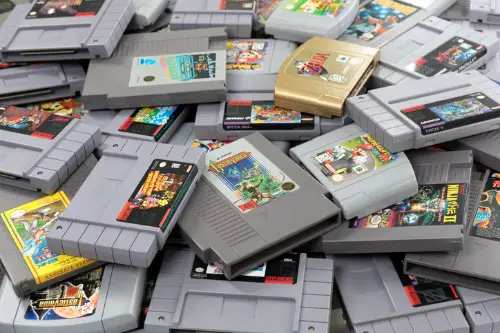
Old cartridges were frequently sold cheap or discarded during console upgrades. Early releases and limited prints are now collector gold. Original packaging dramatically boosts desirability. Nostalgia fuels a steady demand curve.
Condition and authenticity matter a great deal. A cartridge once viewed as outdated entertainment can triple in value over time. Preservation is key to maximizing resale potential. Gaming history has matured into a serious collectibles field.
8. First-generation iPods
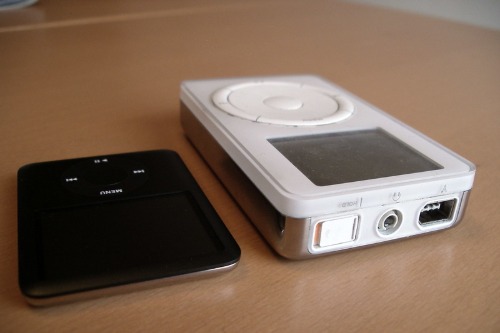
People cleared out their drawers when streaming took over, and a lot of early MP3 players got tossed in the process. First-generation iPods, especially sealed or working units, have since become collectible tech artifacts. They represent a turning point in how people consumed music. That nostalgia plus limited surviving stock has pushed prices sharply upward in resale markets.
Collectors care about condition, original packaging, and whether the battery still functions. Units that look ordinary to a decluttering owner can command multiples of their original price. The value jump comes from tech history appeal rather than raw functionality. In other words, what feels obsolete to one person is museum-worthy to another.
9. Mechanical watches
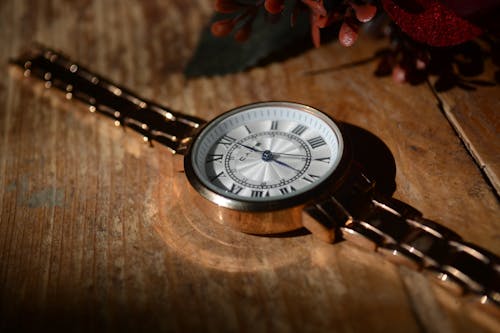
Quartz watches made many mechanical models seem obsolete. Older automatic watches now attract horology enthusiasts. Craftsmanship and heritage drive collector demand. Certain production eras are especially desirable.
Working condition and originality heavily affect value. Even worn watches may be worth restoring. Appreciation stems from engineering and storytelling. Tossing one can mean discarding wearable history.
10. Pyrex kitchenware
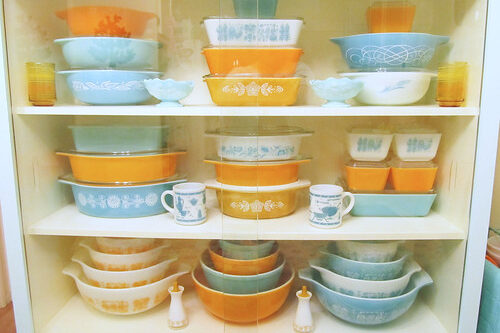
Colorful vintage Pyrex was often replaced during kitchen updates. Collectors prize discontinued patterns and intact sets. Durability means many pieces survived decades of use. Pattern rarity influences resale prices.
Chips and cracks reduce value but intact pieces remain desirable. Nostalgia connects buyers to family kitchens. The market treats them as both functional and decorative. That crossover appeal supports price growth.
11. Comic books from key storylines
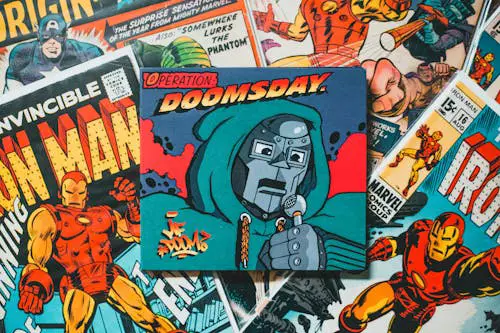
Comics were historically treated as disposable reading material. Issues marking first appearances or major plot events are collectible milestones. Survivors in good condition are scarce. Cultural relevance drives sustained demand.
Grading dramatically affects resale value. A box of old comics can hide high-value keys. Fans view them as pieces of narrative history. Throwing them out risks losing collectible storytelling artifacts.
12. Vintage sneakers
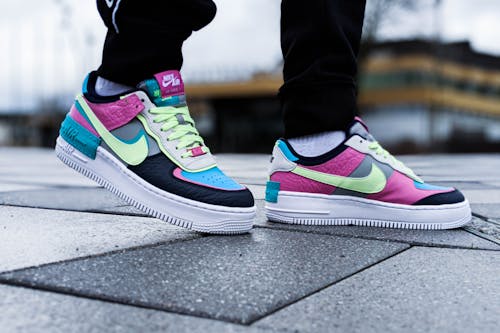
Worn shoes are easy to dismiss as clutter. Certain sneaker releases gain cult followings after production ends. Limited editions create built-in scarcity. Sneaker culture fuels active resale markets.
Deadstock pairs are especially valuable. Even lightly worn examples can appreciate. Authentication and condition matter to buyers. Footwear sometimes functions more like art than apparel.
13. Vinyl records
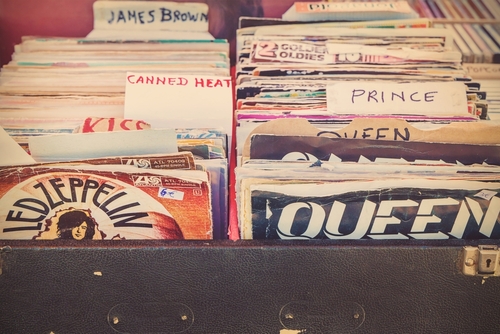
Many households dumped vinyl during the CD boom. Analog sound and album art later sparked renewed interest. Original pressings attract audiophiles and collectors. Limited editions amplify desirability.
Condition affects both playback and value. Genres with dedicated fan bases see strong appreciation. Record collecting blends nostalgia with craftsmanship. What seemed outdated media became a premium format again.
14. Sports trading cards
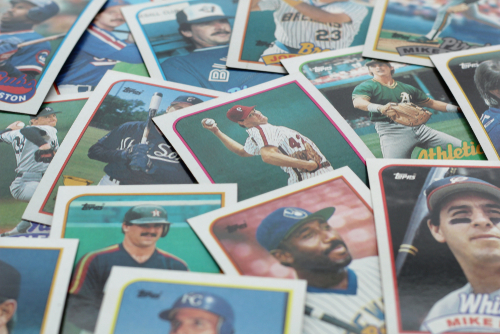
Card collections were often abandoned after childhood. Rookie cards and limited prints are the backbone of the hobby. Athlete legacy influences long-term demand. Scarcity pushes prices upward.
Professional grading adds credibility and value. A forgotten binder can contain standout pieces. Collectors treat cards as historical snapshots of sports culture. Tossing them may erase unexpected investment potential.
15. Early personal computers
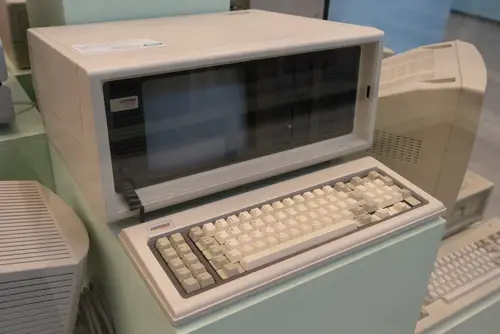
Obsolete computers were commonly recycled or trashed. First-generation consumer machines represent milestones in tech history. Hobbyists restore and display functioning units. Educational and nostalgic value drives collector interest.
Original components and documentation increase worth. Working systems are increasingly rare. Museums and private collectors compete for clean examples. Yesterday’s junk hardware can become tomorrow’s showcase piece.
This post 15 Things People Toss Right Before They Triple in Value was first published on Greenhouse Black.
