
1. Saturday Morning Pancake Ritual

We made Saturday morning pancakes a standing appointment rather than a special event. The ritual signaled that the week’s rush was officially over. Even sleepy conversations counted as connection time. That predictability became something everyone protected.
Family rituals are linked to stronger emotional security in children and adults. Regular shared meals improve communication patterns. A dependable pause helps nervous systems shift out of work mode. That weekly anchor reduces the feeling of endless grind.
2. The Ten-Minute Nightly Reset

We started ending every day with a ten minute tidy instead of marathon cleaning sessions. Everyone grabbed a small zone and reset it without overthinking. The timer made it feel finite and doable. That boundary kept mess from snowballing into weekend dread.
Research on habit loops shows that tiny, repeatable actions lower mental resistance. A short reset prevents clutter from becoming a cognitive load. When surfaces stay mostly clear, decision fatigue drops. That translates into less background stress for the whole household.
3. The Weekly Calendar Huddle

Every Sunday night we did a fifteen minute calendar huddle at the kitchen table. We skimmed the week and flagged any pressure points. Seeing it all at once stopped surprises from piling up. It turned chaos into a shared plan.
Planning ahead reduces stress by increasing perceived control. Brief coordination meetings cut down on last minute conflicts. Shared visibility distributes mental load more evenly. That balance prevents one person from silently burning out.
4. Chef of the Day Rotation
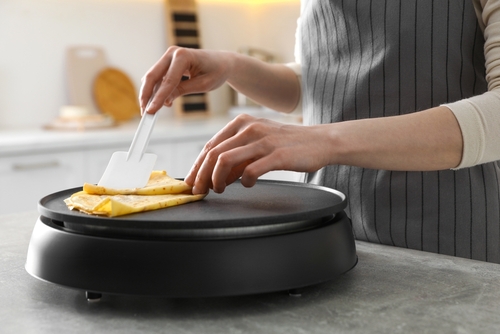
We rotated a simple “chef of the day” role for dinners. The assigned person chose something realistic, not impressive. Everyone else handled cleanup without debate. That clarity removed nightly negotiation fatigue.
Decision fatigue is real and compounds over repeated choices. Pre assigning responsibility narrows the decision field. Clear roles reduce friction and resentment. Less friction preserves emotional energy for the evening.
5. The Year-Round Donation Box
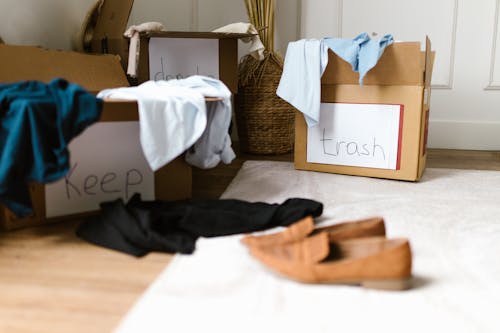
We kept a shared donation box in the hallway all year. Whenever something felt unused, it went straight in. No big purge days were required. The house stayed lighter by default.
Clutter is associated with elevated cortisol in home environments. Incremental decluttering prevents overwhelming cleanup sessions. Visual simplicity supports calmer attention. That calm lowers the baseline stress at home.
6. The Five-Minute Outdoor Reset

Every afternoon included a five minute outdoor step outside rule. Rain or shine, we stood on the porch or walked the block. It marked a transition between work and home roles. That tiny reset changed the tone of evenings.
Brief exposure to daylight supports circadian regulation. Micro breaks improve mood and cognitive recovery. Physical transitions cue the brain to switch tasks. Better transitions reduce emotional spillover.
7. One Good Thing at Dinner
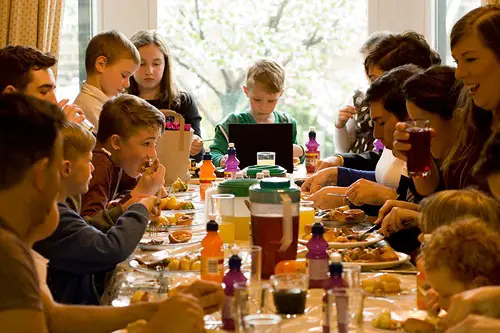
We ended dinners with a quick round of one good thing. Each person named a small win from the day. It took less than a minute per person. The table conversation consistently closed on a positive note.
Gratitude practices are linked to improved well being. Naming positives trains attention toward rewarding details. Shared reflection strengthens relational bonds. Those bonds buffer everyday stress.
8. Fixed Laundry Days

Laundry lived on a fixed two day schedule instead of constant reaction mode. We ran loads whether baskets were full or not. Predictability replaced the feeling of chasing chores. Mountains never had time to form.
Routine batching reduces task switching costs. Scheduled chores demand less mental tracking. Consistency builds automaticity in household systems. Automation frees cognitive bandwidth.
9. The Morning Exit Checklist

We kept a visible family checklist for morning exits. Keys, lunches, and bags had named spots. Anyone could point to the list instead of nagging. Mornings became quieter and faster.
Externalizing memory reduces working memory strain. Checklists are proven to lower error rates. Shared cues minimize interpersonal friction. Smoother starts set the day’s emotional baseline.
10. Low-Effort Friday Dinners

Friday nights were designated low effort dinners by default. Frozen pizza or leftovers were fully acceptable. No one pretended it was gourmet. The permission removed end of week pressure.
Energy levels dip after sustained cognitive effort. Strategic simplification conserves limited self control. Lower expectations prevent guilt spirals. Recovery rituals support long term resilience.
11. The Fridge Grocery List
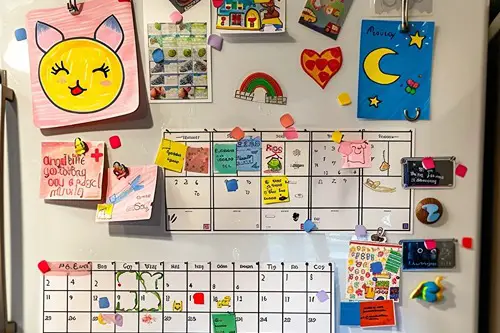
We kept a shared running grocery list on the fridge. Anyone added items the moment they noticed a gap. Shopping trips became targeted instead of guesswork. Food stress dropped dramatically.
Capturing tasks immediately reduces prospective memory failures. Visible systems encourage collective responsibility. Efficient errands save time and decision energy. Saved energy accumulates across the week.
12. The Evening Quiet Window

Each evening ended with a ten minute personal quiet window. Everyone chose reading, stretching, or simply sitting. The house intentionally softened its volume. That pause signaled closure to the day.
Short mindfulness periods lower physiological arousal. Regular wind down routines improve sleep onset. Sleep quality strongly predicts stress tolerance. Better rest protects against burnout.
This post Small Traditions That Prevented Household Burnout was first published on Greenhouse Black.
